




Boeing: A time-tested partner whose footprint continues to grow and expand


Boeing brings over 80 years of experience in India, making us a reliable partner for the nation’s expanding aviation industry. The American aerospace giant’s significant investments in supply chain partnerships, engineering, research and development, training, co-production, and co-development set us apart as a trusted ally in supporting this growth. An exclusive conversation with Ryan Weir, Vice President of Commercial Sales and Marketing for India & South Asia, Boeing Commercial Airplanes, Excerpts
With India’s aviation market booming, how is Boeing strengthening its presence and addressing the rising demand for aircraft?
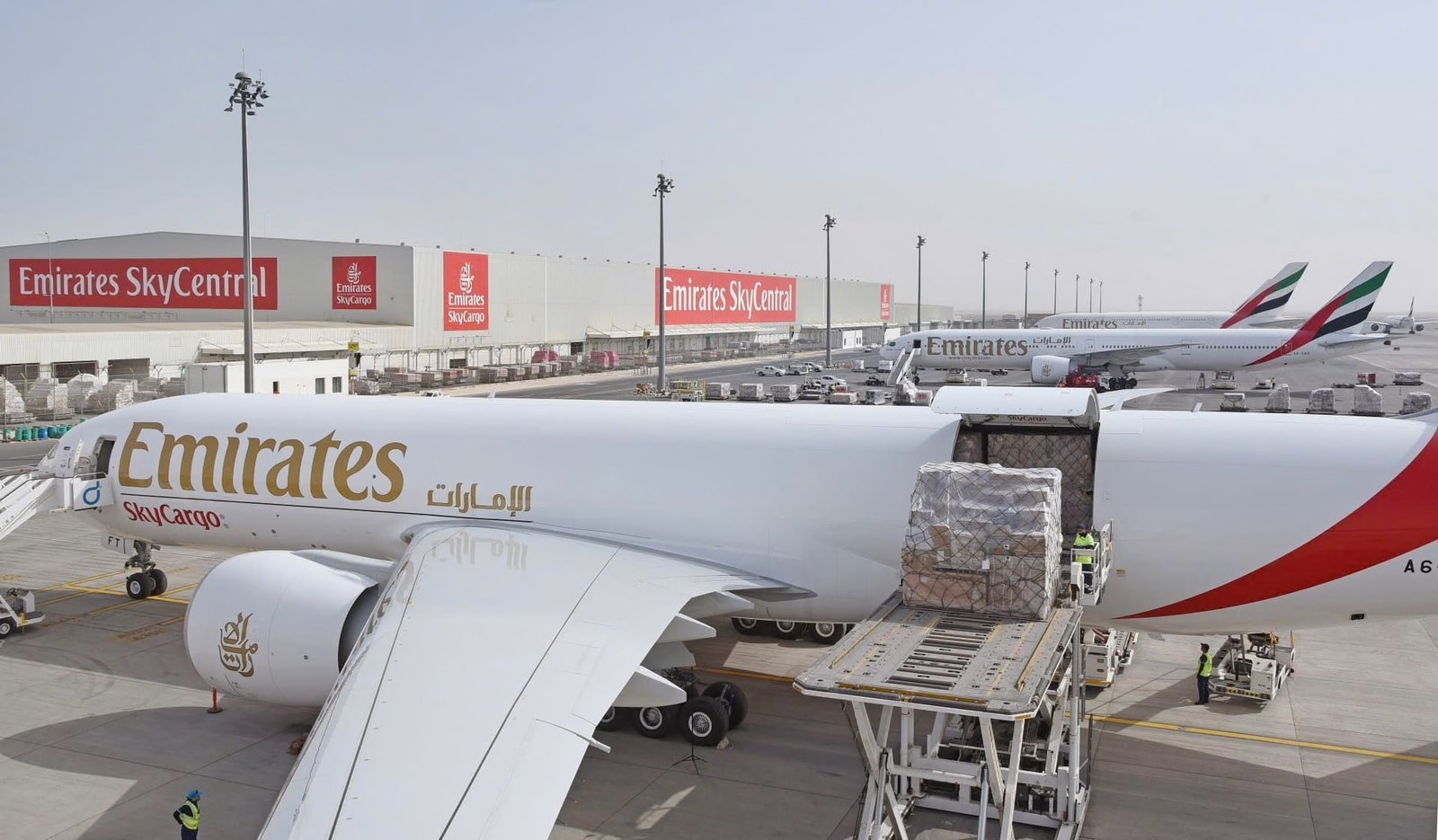
India’s aviation market has grown rapidly over the past decade, establishing itself as the world’s third-largest civil aviation market. By 2041, India’s commercial fleet is projected to nearly quadruple from its size in 2019, accounting for over 90 per cent of South Asia’s aeroplane deliveries and adding more than 2,500 new aircraft to the country’s fleet. Additionally, India’s cargo fleet is projected to expand from 15 to 80 aeroplanes by 2042. Boeing’s 2024 Pilot and Technician Outlook also highlights the region’s need for 40,000 pilots, 40,000 maintenance technicians, and 49,000 cabin crew over the next two decades, driven by India’s growing aviation sector.
With a legacy of over eight decades in India, Boeing’s extensive investments in supply chain partnerships, engineering, R&D, training, co-production, and co-development, uniquely position us as a trusted partner to support the country’s growing aviation sector. Boeing has committed $100 million to developing infrastructure and programs aimed at training pilots in India to meet the country’s demand for new pilots over the next 20 years. This investment includes advanced full-flight simulators, competency-based training programs, and partnerships with local institutions to prepare the next generation of aviation professionals. In 2023, Boeing supported the setup of India’s first Boeing Converted Freighter (BCF) line, while establishing a Global Support Center in Gurgaon to provide customised operational efficiency and safety improvement projects for airline customers, regulatory bodies, and other stakeholders. Boeing’s India Distribution Centre in Khurja, Uttar Pradesh, a first in the country, provides efficient and cost-effective service solutions to regional customers, ensuring higher fleet utilisation and mission readiness rates.
Additionally, in alignment with the Honourable Prime Minister’s vision, Boeing has launched the Boeing Sukanya Program aimed at further fostering women’s participation in the aviation sector. This initiative spans the multiple stages of a woman’s professional career, nurturing future leaders, and fostering a more inclusive industry.
Our team of over 6,500 engineers and technologists at the Boeing India Engineering and Technology Centre (BIETC) in Bengaluru and Chennai are also playing a pivotal role in enabling cutting-edge R&D, not only for Boeing platforms in India but also globally. These initiatives highlight Boeing’s commitment to innovation and support for India’s vision of becoming a global aviation leader. We remain focused on further enhancing capabilities and strengthening local partnerships to drive the sector’s growth.
How is Boeing preparing to meet India’s projected aviation needs over the next two decades, particularly in aircraft sales and local manufacturing?
Boeing is by far the largest foreign OEM in terms of sourcing from India. Boeing’s sourcing from India stands over $1.25 billion annually, 70 per cent of it from manufacturing, through its large and growing network of 300+ supplier partners that are an integral part of our global supply base. These Indian companies are manufacturing and exporting systems and components for some of Boeing’s most advanced products from India to the world. Over 25 per cent of our suppliers from India are Micro, Small & Medium Enterprises (MSMEs).
We have a dedicated and fast-growing supply chain team based in India that focuses on the development of new suppliers, including MSMEs. This effort has been pivotal in the growth of our network, which is propelled by significant advancements in quality and capability along the value curve. Our suppliers are transitioning from simple assemblies to more complex ones, including advanced materials like composites and thermoplastics, and employing technologies such as full-size determinant assembly (FSDA) and robotics. To meet the needs of India’s rapidly growing aviation sector, Boeing’s focus is on building the necessary capabilities in design, production, certification, and MRO support. As the market evolves, we continue to assess the feasibility of co-development and co-production opportunities, ensuring we have a robust ecosystem to support them. Some of the examples below highlight the capabilities of our Indian supplier partners to deliver critical components for Boeing platforms worldwide.
- Tata Advanced Systems Limited (TASL) manufactures complex floor beams for the 787-8, 9 and 10 Dreamliners. Boeing has awarded a follow-on contract to TASL, which has already delivered more than 33,000 beams.
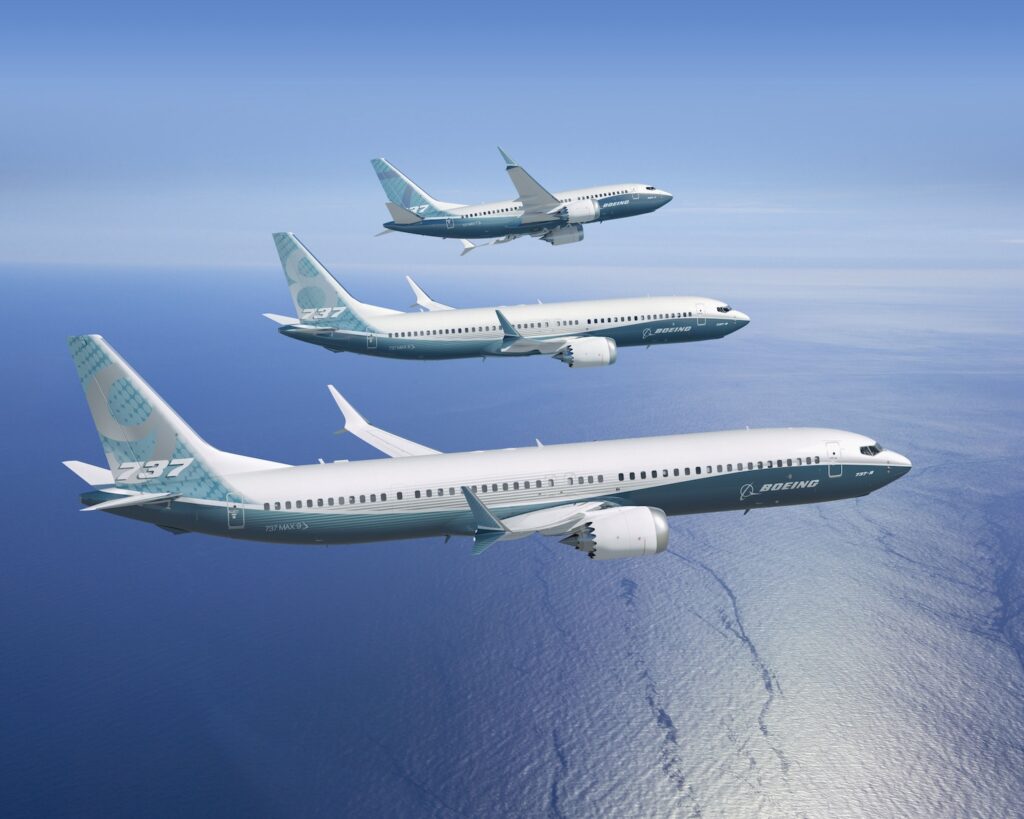
- Mahindra Aerostructures Pvt Ltd (MASPL) has been awarded a contract for manufacturing and supply of the Boeing 737 inlet outer barrel components and sub-assemblies, the legendary single-aisle family of aeroplanes, at the state-of-the-art MASPL facility in Narsapura, near Bengaluru, India.
- Wipro Infrastructure Engineering’s aerospace business unit manufactured and delivered strut assemblies for 737 MAX and next-generation 737 aeroplane programs.
- Bharat Forge manufactures a range of titanium-forged parts such as flap-track forgings for the next generation 737 and forgings for the 737 MAX and the 777X.
- Hyderabad-based Cyient continues to support a number of critical design-engineering projects for Boeing aeroplanes and currently provides design and stress support on the 747-8 Freighter and the 787.
- Boeing has awarded a contract to Motherson Sumi Systems Limited (MSSL) to manufacture and supply aftermarket moulded polymer parts for commercial aeroplane interiors.
- Bengaluru-based SASMOS HET Technologies has signed a manufacturing contract with Boeing Commercial Airplanes (BCA) to supply Electrical panels, Shelf Assemblies and Electrical wiring systems for Boeing 767 and 767-2C aircraft.
- Tata Boeing Aerospace Limited (TBAL), our JV with Tata Advanced Systems Limited (TASL), is manufacturing complex vertical fin structures for the 737 family of aeroplanes – a significant milestone for the joint venture.
Does Boeing plan significant investments in India in 2025? Which sectors or initiatives will be prioritised, and how will they support India’s aviation growth?
In 2025, Boeing will continue to invest in initiatives aimed at building an ecosystem that supports the rapid growth of the aviation sector. As the world’s third-largest aviation market, India has recently made history with two of the largest aeroplane orders ever, highlighting its immense potential for expansion. Boeing will focus on developing talent to meet the rising demand for pilots and technicians, working closely with the Directorate General of Civil Aviation (DGCA) to implement targeted training programs. India is a key strategic region for Boeing, actively supported by the Global Strategic Initiatives (GSI) team. Building on impactful 2024 programs, such as the India Air Cargo Symposium, the India Pilot Roundtable, and executive development collaborations with institutions like the Indian School of Business (ISB), the GSI team will continue to develop programs for industry executives, fostering leadership and innovation. The company will also expand the Boeing Sukanya Program launched by Prime Minister Modi in 2024, by setting up STEM labs to further promote women’s participation in the aviation sector. Sustainability will remain a priority, with efforts to advance the adoption of Sustainable Aviation Fuel (SAF) and implement decarbonisation strategies aligned with India’s goals. Additionally, Boeing will continue to engage with airline customers, the DGCA, the Ministry of Civil Aviation (MoCA), the Airports Authority of India (AAI), and aviation startups through strategic programs designed to drive innovation, enhance safety, and foster sustainable development, shaping the future of India’s aviation industry.
How is Boeing supporting workforce development in India’s aviation sector? Are there new initiatives or partnerships to upskill professionals and train future leaders?
The growing demand in India’s aviation sector as the third-largest aviation market globally, creates a critical need for skilled pilots, technicians, and industry leaders. With an eight-decade-long heritage, Boeing continues to invest in helping build a highly skilled and efficient workforce that contributes to both the growth of the aerospace and defence sector and the country’s economic progress. We have been working with our partners on various skill development programs that span the breadth of the aerospace industry.
Through programs such as “Kaushal,” a Boeing India supply chain initiative for skill development, Boeing partners with the industry to train people from disadvantaged backgrounds, including women and those differently abled, to become part of the mainstream aerospace manufacturing industry. Last year, Boeing announced a $100 million investment in infrastructure and training programs in India to meet the rising demand for pilots driven by India’s growing aviation sector. The Boeing Sukanya Program will further foster women’s participation in the aviation sector. In 2022, Boeing partnered with the Indira Gandhi Rashtriya Uran Akademi (IGRUA), a leading flight training organisation under the Indian Ministry of Civil Aviation (MoCA), to enhance safety and quality in early-career flight training. This collaboration is a significant step in advancing aviation training in India, working with flight training and development organisations to improve capabilities and safety.
In 2022, Boeing collaborated with Indira Gandhi Rashtriya Uran Akademi (IGRUA), a premier flight training organisation under the Indian Ministry of Civil Aviation (MoCA), for opportunities to enhance safety and quality in early career flight training. It is an important step in advancing aviation training in the country through collaboration with flight training and development organisations to enhance capabilities and safety. Boeing has partnered with Air India, Tata, Micro, Small, and Medium Enterprises (MSMEs) such as Rossell Techsys, SASMOS, Jaivel, and other industrial partners like Indo MIM, Lakshmi Machine Works, Air Works, and Wipro to offer training opportunities for pilots, aircraft maintenance engineers, technicians, and frontline factory workers across India. To date, nearly 4,000 workers have benefited from these initiatives. In addition, Boeing organises the annual Boeing-IIT National Aeromodelling Competition at engineering colleges, where participants receive training to design and build aeroplane models, fostering careers in aerospace. Through the Boeing University Innovation Leadership Development (BUILD) program, Boeing collaborates with incubators, including IITs and IISc Bangalore, to mentor university graduates and early-stage start-ups, helping them gain visibility among investors. Boeing also partners with not-for-profits such as the Learning Links Foundation (LLF) to develop a skilled and employable workforce for the aerospace manufacturing sector.