






- The Boeing machinist strike has delayed aircraft deliveries, impacting airlines like Akasa Air and Air India Express.
- Ongoing quality issues and the strike are hurting Boeing’s reputation and affecting Indian carriers dependent on its aircraft.
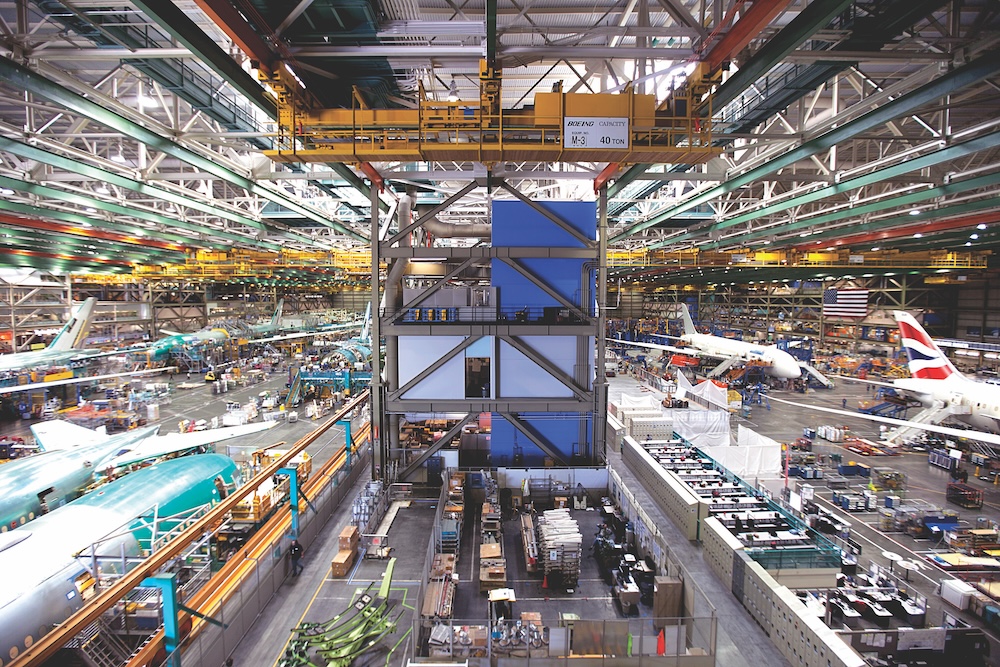
Boeing has largely been in the news for the wrong reason since pre-COVID times. It has reached a stage where any publicity cannot be good publicity anymore. The latest in the series, which started with the global grounding of the MAX aircraft following two deadly crashes, is the strike by the machinist union. The strike began on September 13, 2024, and has continued for over a month. This adds to the problems already present at Boeing as the machinists union overwhelmingly voted for a strike, rejecting the contract which was offered. Subsequent negotiations did not go down well, with at least one case seeing Boeing directly sharing the contract details with the media as per the union and calling it the “Last and Best offer”. This comes within a week of Boeing calling this contract “historic”. The strike, the first in 16 years, coincides with the first full negotiation of wages in as many years, with the last two being extensions of the contract signed in 2008. About 30,000 workers in the Seattle and Portland areas have started the strike, which began at 0001 hours on Friday, September 13. Boeing put out a What to Expect page for striking workers, which clearly mentions that they would not be paid for the strike. However, the aeroplane maker did say that it hopes to work out a solution and a new contract soon.
In July this year, Boeing announced the acquisition of Spirit Aerosystems after being constantly on the radar of the Federal Aviation Administration (FAA) for quality issues and not being allowed to increase the production rate of its planes till quality issues are fixed. Recently, Boeing’s 777X was grounded during the testing phase as issues with engine assembly came to the fore. The aircraft is already delayed for its Entry In Service (EIS), which is now expected in 2026. The defence division is losing money and the aircraft manufacturer will stop producing the 767 Freighters. Boeing has also reduced the total workforce by roughly 10 per cent, partly due to the strike, which will lead to further challenges.
As and when the strike ends, the impact will be a lasting one and one which particularly also impacts Indian carriers, significantly.
Impact on Indian carriers
It remains unclear how long the strike will last. Both Boeing and the union would soon be back at the table along with back-channel talks to ensure that the impasse is resolved. However, until then, the production will come to a near halt and so will the deliveries. As the strike ends and work restarts, the output will not be at full strength from the first day. Both Akasa Air and Air India Express, managed to get the deliveries just as the lockdown started and would turn out to be the last deliveries for a while.
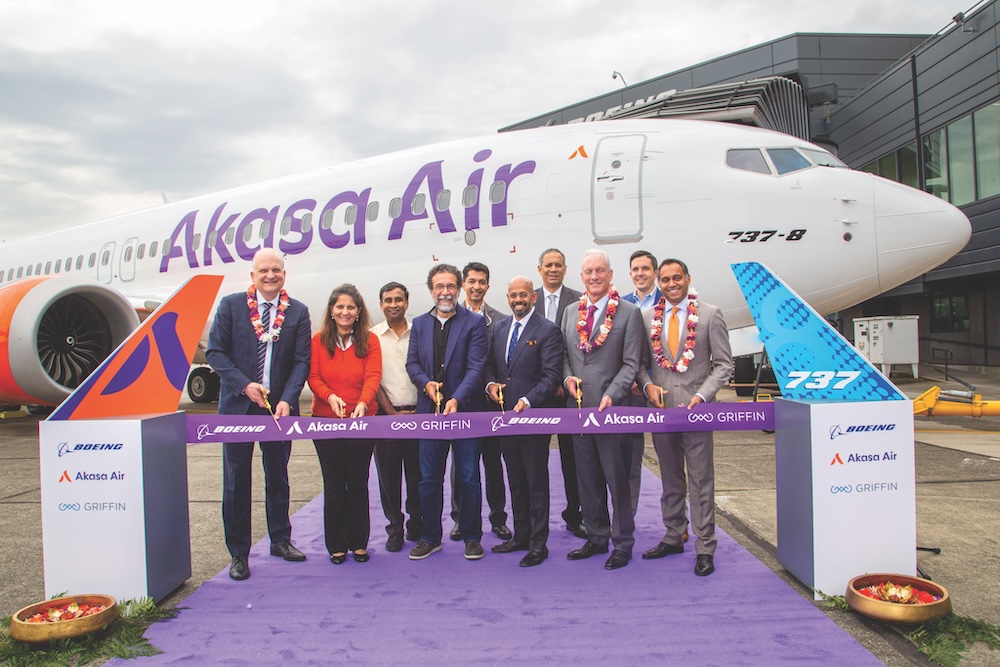
Akasa Air has a couple of aircraft ready for delivery and took delivery of its 25th aircraft recently, after a lull since February 2024. This was the first aircraft it took this financial year. The delay of a plane ready for delivery could mean it may have to withhold its planned expansion and the airline will hope that the delivery is done before the peak Diwali period. Apart from this, the airline may also miss out on the immediate Sale and Leaseback gains, a trick which, by its own admission, has been lifted from the success book of IndiGo.
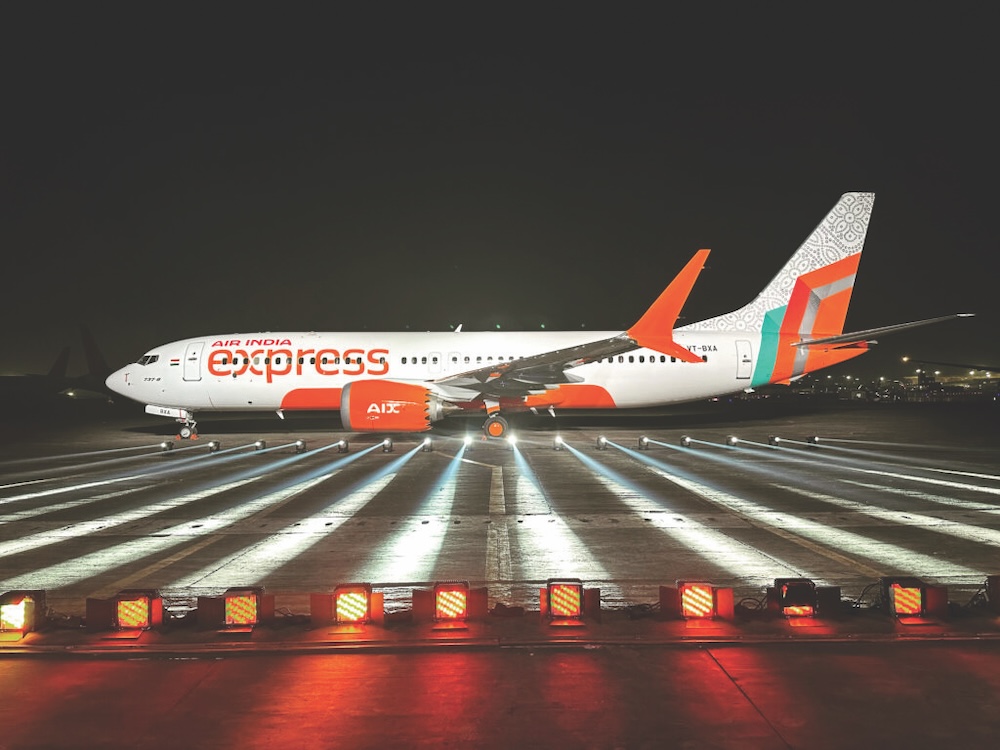
The other carrier to be impacted will be Air India Express. The airline had declared that it would induct 50 planes in 15 months in October 2023. Over 30 have been inducted in 11 months and the next one-and-a-half dozen planes could already be impacted due to rework. A strike now means there could be further delay and derailment in the induction plan, which would likely lead to Air India Express not being able to achieve the target of 50 planes by mid-January of next year. The airline, though, may not be as worried as Akasa Air about Sale and Leaseback income but would have its sights on the precious slots at airports, which could go to competition. Its ambitious expansion plan will also have to wait, potentially losing more ground to IndiGo before it can strike back. This also leaves IndiGo in a commanding position to mount frequencies on routes where Air India Express has added frequencies in the recent past.
SpiceJet also has the MAX on order but is not in a position financially to induct any. In fact, it has seen a handful of MAX in its fleet being flown out by lessors for lack of payments and continues to struggle with finances. The airline has relied on wet/damp-leased aircraft in the past. A delayed delivery schedule due to strike could mean that wet leases are in demand and will see the costs go up, impacting SpiceJet indirectly. With the fund infusion in place, SpiceJet has got its mojo partially back with better on time performance and higher load factors with the only way being up from here on as it reached a meagre 2% market share in domestic market in September.
The impact of the strike on the B777X remains uncertain. The aircraft was to enter commercial service in 2020 but is now slated for 2026, revised from earlier 2025, which could see further slip-up. IndiGo has no Boeings on order, while Air India’s Dreamliner order will be serviced from Boeing’s plant in South Carolina and not Washington, where the strike is in progress. With the Air India group dependent on Boeing narrowbody aircraft for expansion right now, since the Airbus aircraft are lined up for later, the impact is considerable. To tide over the crisis for the low cost subsidiary Air India Express, which will be primarily taking on IndiGo, Air India has transferred two of its five all economy A320 aircraft to Air India Express. With AIX Connect (erstwhile AirAsia India) merged into Air India Express, the airline will remain a mix of Airbus and Boeing fleet for a considerable future.
Vendors in India
Boeing sources over $1 billion worth of services and goods from India, for a mix of both civil and defence products, with the split remaining confidential. How much of an impact this has on the suppliers in India will be known over the next few weeks and will depend on how long the strike lasts. In the global connected supply chains of today, the impact beyond the core striking area is a common phenomenon. Boeing has its largest technology centre outside the USA at Bengaluru and a whole ecosystem has been built around manufacturing as well as pure play technology over the last decade, some of which is in partnership with the Tata group companies.
A positive impact could be such that Indian vendors may see more work from Boeing, wherever possible as they are more stable than their American counterparts. However, this also gets highlighted during the negotiations between the parties since one of the offers which Boeing gave to the machinists union was that the next plane to be built by Boeing will be at the Washington state facility.
Tail Note
This year, the aircraft manufacturer has had a new CEO, and this is not the best welcome for any CEO, less so for the troubled plane maker. Ironically, the planemaker has continued to make statements around quality being core to its business and that it has taken all actions needed to maintain it, yet has seen one incident after another. This is especially surprising since the MAX was grounded following two deadly crashes. The union’s decision to strike is either a hard reset, much needed for the business or another thorn in the aeroplane maker’s recovery. As Airbus struggles to find slots for airlines, Boeing’s chance to capture its faltering market has had another hit. Likewise, airlines entirely dependent on Boeing, like Akasa Air, have been hit too. After being one of the fastest carriers in the world in terms of growth and the fastest in India, for Akasa Air – this is a pause like no other and has to focus on operating profits more than ever.
Since the first crash of the MAX 8 in Indonesia, various senior officials at Boeing have mentioned time and again how they remain committed to safety. The sad truth is that there have been umpteen safety incidents since then, including the fatal crash of Ethiopian MAX 8, which led to the worldwide grounding of the aircraft. Kelly, the new CEO, has also said that Boeing will maintain a steadfast focus on safety at a time when NTSB and FAA have an airworthiness directive with the Indian DGCA asking airlines not to deploy the 737 / MAX aircraft for Cat IIIB during fog season. With the strike impacting deliveries and re-work, Boeing is further losing credibility in the market.