








- India’s business aviation is growing due to rising demand for point-to-point travel and upgraded small airports, despite a small fleet of under 250 jets and turboprops.
- Challenges like high maintenance costs and pilot shortages are being addressed with sustainable aviation fuel and a developing MRO ecosystem.
- Fractional ownership, seaplane operations, and on-demand charters are driving growth, with potential for expansion in India and other emerging markets.
For years, the big story has been the robust growth in commercial aviation. But even as this India story found its echo in many emerging markets worldwide, business aviation remained a laggard. This is finally changing, with accelerated upgrade of small airports, air-linked tourist hotspots and a rising demand for point-to-point travel and quicker journey times.
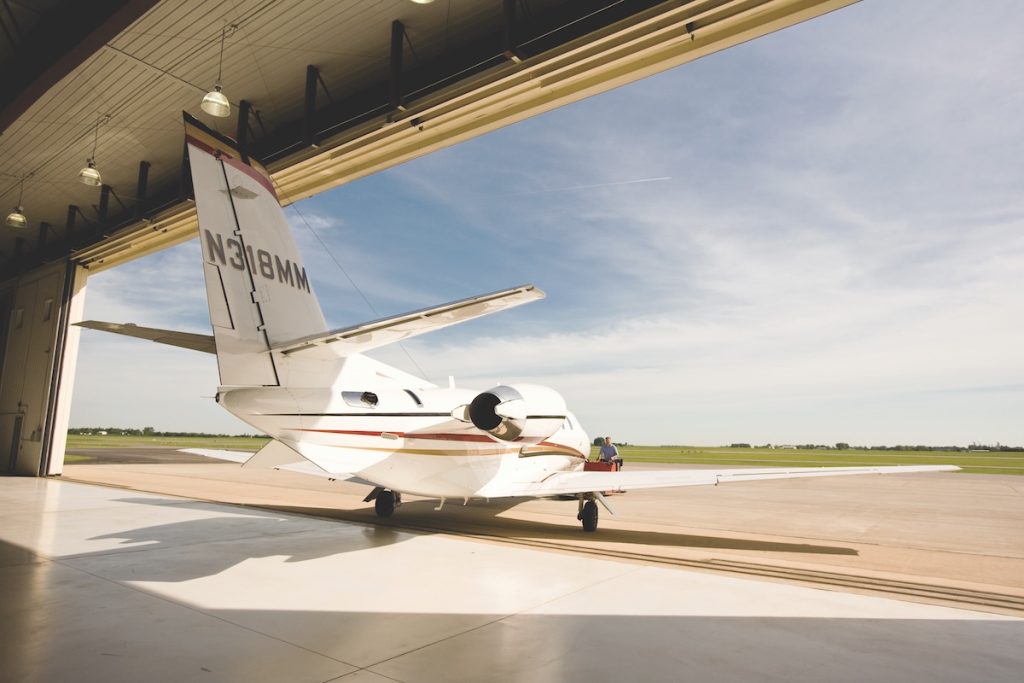
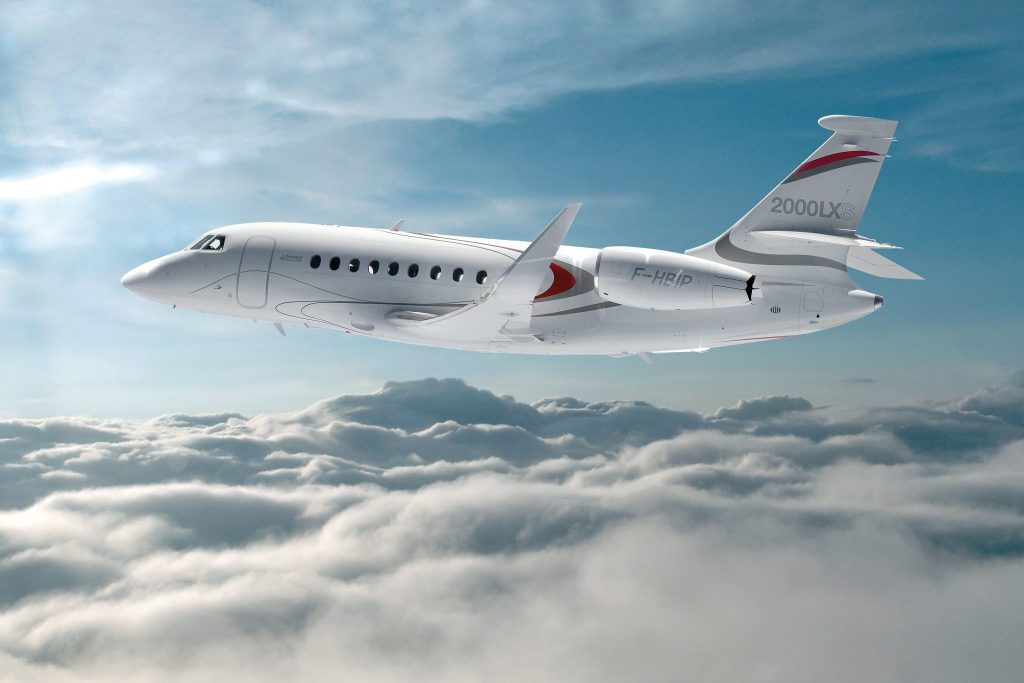
Despite the low base, India has one of the largest fleet of charter aircraft in Asia. Mid-sized private jets such as Falcon 2000 and Cessna Citation XLS are among the private jets that operate in the country. But the potential for growth is massive, since the combined fleet of business jets and turboprops do not exceed 250. Global aviation watchers assert that the industry is at the cusp of an unprecedented growth in many emerging markets.
Driving the demand is the emergence of whole new businesses and individuals entering the business aviation market. Fractional ownership, where multiple corporates or individuals share the cost of owning a plane and maintaining it, is gaining ground. Other concepts such as leasing and jet card programmes are also keeping up the industry’s demand.
But big challenges and restraints have kept the industry’s growth in check. Both new and existing operators in the business jet market have faced obstacles in aircraft maintenance costs. Part of the problem are repairs and replacement of parts, all of which can break out unexpectedly, triggering cascading issues. There are no ways to skip these, since regular maintenance is critical to ensure safety, airworthiness and passenger comfort.
Sustainable aviation fuel
However, new technologies have the potential to tackle many of these challenges. Improved maintenance schedules and cost management could make the market growth sustainable and even environmentally friendly. A global aviation market analysis by Markets&Markets draws attention to the growing relevance of sustainable aviation fuel (SAF), produced from materials that emit 80% less CO2 than traditional jet fuels. These require minimal modifications to existing aircraft engines and fuel supply systems.
Globally, shortage of pilots and aircraft maintenance engineers is an issue and its impact is felt in India and other emerging markets too. A big proportion of the aviation workforces are nearing retirement age, coinciding with a huge demand for skilled pilots and technicians. An estimate by the Federal Aviation Administration (FAA) shows that about 99,000 new pilots will have to be trained globally over the next decade.
According to the July 2023 CAE Aviation Talent Forecast report, the demand for pilots will increase by 39% from 2023 to 2031. Simultaneously, a 78% rise in demand for aircraft maintenance technicians will put further strain on the business aviation industry.
MRO ecosystem for business jets
From an Indian perspective, the potential rise of a strong maintenance, repair and overhaul (MRO) ecosystem offers hope. Booming passenger traffic in the commercial aviation segment and the massive aircraft orders by Air India and IndiGo mandate a strong government focus in the MRO ecosystem. Aviation watchers are convinced that business aviation will benefit from this development. But to drive this growth, airlines would have to insist on the aircraft OEMs that about 70% of the MRO facility for their new fleet should be set up within the country.
The entry of many big foreign players in the MRO sector into India through joint ventures could be a game-changer. Dassault Aviation is setting up an MRO facility for its Rafale and Mirage 2000 fighter jets. But this facility, Dassault Aviation MRO India (DAMROI) to be based in Noida, is also expected to eventually serve Dassault’s Falcon series business jets.
A seasoned veteran in the small aircraft sector, Capt Aravind Sharma says the existing fleet of private planes depend on about six to seven agencies for their MRO services in India. “But once more MROs come in, it will be like Maruti service stations. The cost of travelling to-and-fro for service issues will come down. Consequently, the cost of ownership and usage will also reduce,” he points out.
Need: Ecosystem without headaches
India, he says, has the critical mass for business aviation to take off in a big way. However, the players want an ecosystem without headaches. “There are people who can afford to buy business jets with an intention to go from point A to point B without hassles. But since smaller airports don’t have the facility, they have to go through the long procedures associated with big airports,” he elaborates.
The big airports are not geared for private aeroplanes. “The process has to be made easier to get a parking lot. Hangars are tough to get. A private individual/corporate buys an aeroplane to save time. But he/she cannot go one and a half hours in advance and wait to reach the aircraft. Even to make the procedural payments, you need to go all the way to the tower. All this should be done online, so the aircraft owner can seamlessly go to the aircraft from the terminal.”
Business jets and turboprops become viable when smaller airports are upgraded to meet the specific requirements. Capt Aravind flags certain concerns: “When you land in a small airport, the working hours are very limited. They don’t operate 24/7 and lack night-landing facilities. Suppose a business jet operates between Hubballi in Karnataka and Trichy or Salem in Tamilnadu, these issues will crop up,” he says, seeking the intervention of the Ministry of Civil Aviation and the DGCA.
Brazil’s b-jet market, a template for growth
Globally, many emerging markets similar to India have already put in place a robust ecosystem for business aviation and these could be the template for growth here. Brazil, for instance, has the world’s second largest business aviation market globally after the United States. Its massive fleet of business jets and turboprops play a critical role in linking several parts of the country.
Brazil’s estimated fleet of about 2,000 business jets and turboprops connect the country’s 1,225 municipalities nationwide. Scheduled commercial flights serve only 105 of these. Aviation analysts in that country tracking travel trends say private aircraft are used 95% of the time for work and only 5% for tourism. While most flights are domestic, local companies with branches in Europe and the US also use their flights for international travel.
According to Brazilian aviation major Embraer, the prevalence of business jets is so widespread in the country that even companies based on retail and agribusiness are now keen on acquiring the jets. Their objective: To visit their business units, partners and clients in remote, regional locations that are far from the big cities and are without scheduled airline flights.
Mature African market
Africa, too, has been a mature market for business jets and other private aircraft for long, as Capt Aravind points out. Business jet numbers are projected to grow by 8% annually over the next five years in the continent. In 2024, Africa had a total of 418 business jets, with South Africa having the largest share of 137, followed by Kenya and Nigeria. “Africa has many airstrips across the continent. There, instead of making 100 km of road, it is easy to make an airstrip. Most wildlife sanctuaries have their own air strips where tourists are flown in 20-seaters.”
Business aviation drives economic growth in the mineral-rich continent by transporting gold, diamonds and other precious minerals. Business jets are used to ferry staff of the oil and gas industry in West and Central Africa, besides being used extensively in emergency and medevac flights. In East Africa, these jets support the booming tourism industry by flying tourists to safaris, national parks and beaches. Since the continent lacks fully-equipped hospitals and specialised doctors, medevac is an important activity for business aircraft.
While recurring conflicts in multiple countries pose severe obstacles to growth, Africa also faces a lack of qualified pilots. To address this, some aviation non-profit organisations support the professional development of pilots, air traffic controllers and other critical staff through scholarships and training opportunities.
Maldives and its seaplanes
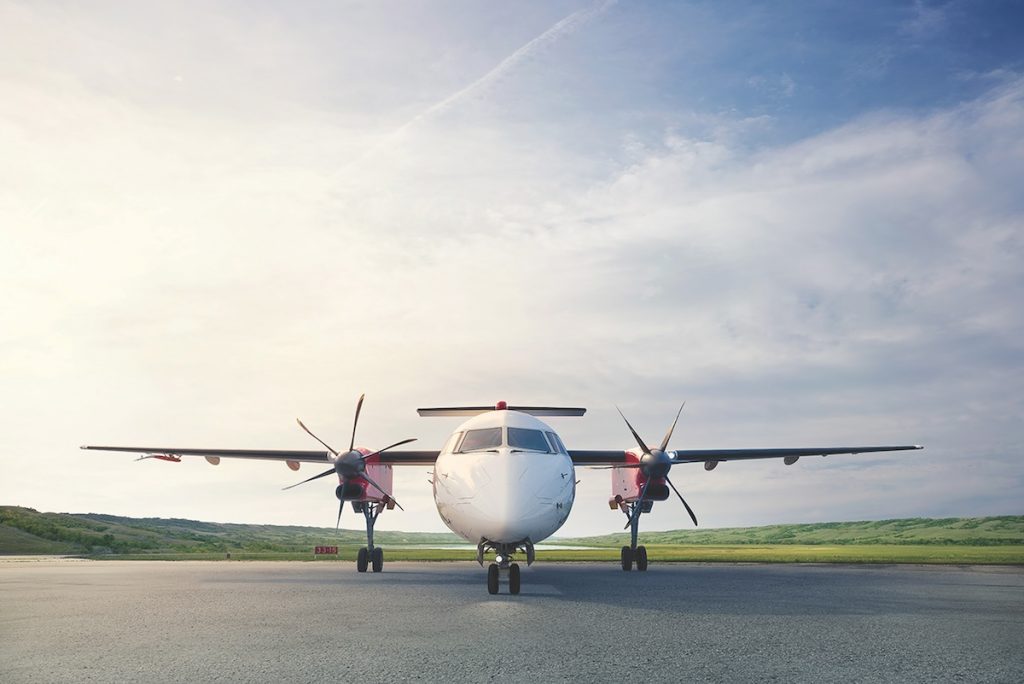
Closer home, Maldives, has emerged as another major market for seaplanes, a unique category within the private aircraft sector. The country has a rich history of operating such planes. Maldivian Air Taxi (MAT) was one of the largest seaplane operators in the world, with more than 500 flights a week during the peak tourist season.
Launched in November 1993 with two aircraft, MAT grew to cater to the newly developed resorts that required seaplane transport services for their guests. After the American equity fund, the Blackstone Group acquired MAT in 2013, the company became Trans Maldivian Airways, which now operates 44 De Havilland Canada DHC-6 Twin Otter seaplanes.
Seaplanes, backed by the necessary policy and infrastructural backup, could work perfectly for India, say aviation experts. An estimated 30 seaplane routes are currently in operation under the Udan regional connectivity scheme. Last year, the Centre had relaxed the guidelines for commercial charter seaplane operations.
Companies such as SpiceJet, Maritime Energy Heli Air Services Private Limited and Heritage Aviation are reportedly keen to start seaplane operations. De Havilland Aircraft, a big global player in this sector with a market share exceeding 95%, is also interested. Besides, state governments such as Maharashtra, Andhra Pradesh and Gujarat are also gearing up to setup seaplane facilities.
De Havilland officials say many private players have already evinced interest in procuring the company’s DHC-6 Twin Otter amphibious aircraft. In 2024, the aircraft had taken demo tours in Kochi, Lakshadweep, Shillong and Port Blair. Although the plane costs ₹60 crore, the initial deployment in India could be under the leasing model. Prime Minister Narendra Modi had flown on one such aircraft in 2019-20, between the Sabarmati riverfront and the Statue of Unity in Gujarat.
Growing demand in Vietnam
Elsewhere in Asia, China has been the sole growth engine for business aviation for decades. But now, operators are looking to other countries in the region. For instance, Vietnam’s business aviation was almost absent 10 years ago. Today, jets are being purchased in Vietnam, Cambodia and Laos. In Indonesia, a country with thousands of islands, top business executives are looking at private jets as a time-saving necessity since commercial flights do not seem practical.
On-demand charter service is another key driver of business aviation. This sector too is picking up in India with companies such as Poonawalla Aviation, Taj Air, JetSetGo, BookMyCharters and Club One Air seeing growth in luxury air travel. The clientele is wealthy, but the numbers are showing an uptick. JetSetGo, for instance, offers customers the choice from a fleet of 10 jets and two helicopters.
Flight charges on these private jets could range from ₹1.5 lakh per hour to over ₹8 lakh for bigger luxury planes. JetSetGo deploys these aircraft for regional connectivity, airport transfers, inter-city commute and even urban air taxis. The company has now proposed to procure 12 new mid-sized aircraft and expand to European countries.
Ownership costs
Based on type and configuration, private jet ownership could cost an operator from as low as ₹16 crore for light jets to as high as ₹550 crore for long-range premium jets. Delivery fees, airport landing charges and parking and housing charges are additional costs. Aircraft registration fees, custom duties and GST are also levied. Jets for personal use are charged an integrated GST of 28%.
Over and above these are the operating costs based on flight frequencies. From fuel to the landing and parking fee at the destination airports, from hangar to airport logistics, these costs also depend on aircraft type and location. The jet’s overall flying and maintenance, such as crew salaries, hangar rental and insurance, are also part of the additional costs.
In the overall analysis, it is clear that despite mounting challenges of infrastructural inadequacies, high aircraft acquisition costs and delayed ecosystem setups, the prospect of business aviation growth in the future looks bright. Huge opportunities loom in the horizon for India and other emerging markets. New avenues could open up with fuel efficient aircraft and allied technologies, platforms such as the seaplanes and a growing pool of high net-worth individuals and businesses that are scaling up and spreading their networks into tier-2 and tier-3 cities. The right policy intervention with a supportive regulatory ecosystem could boost the sector to grow even faster.