







- EBACE 2025 highlighted advanced aircraft like Dassault’s Falcon 6X and Bombardier’s Global 8000, emphasising luxury and performance.
- Sustainability took centre stage with EcoPulse’s hybrid-electric system and widespread SAF compatibility across fleets.
- New players like Falcon Luxe and technologies like Gogo’s HDX connectivity underscored the industry’s dynamic growth.
EBACE 2025 showcased numerous global players presenting their latest advancements in business aviation. In addition to Dassault, companies such as Bombardier, Gulfstream, and Daher’s EcoPulse consortium highlighted their innovations, signalling a strong trend toward progress in the industry.
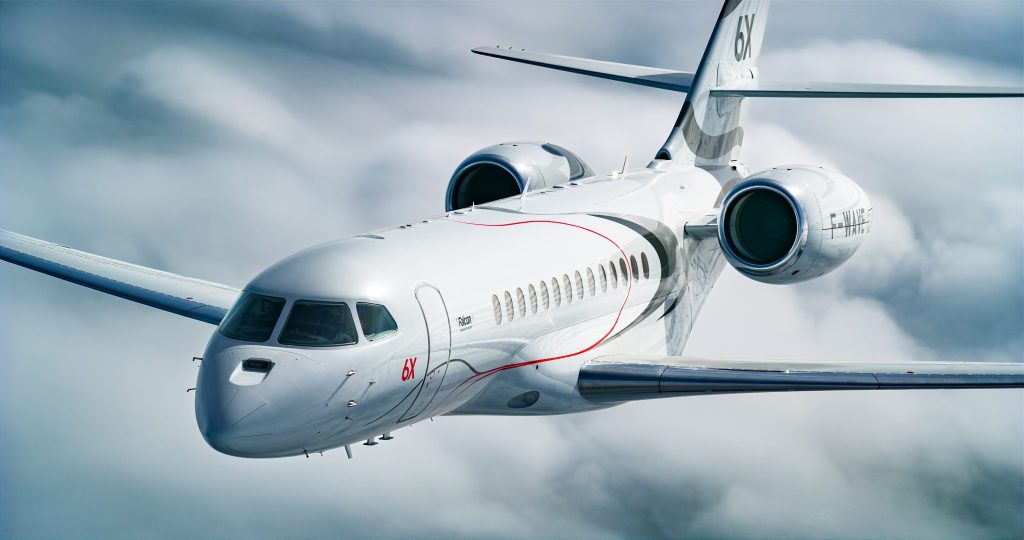
The Dassault Falcon 6X, a recent addition to the skies, is a testament to engineering excellence. Its impressive range of 5,500 nautical miles and industry-leading cabin dimensions have drawn large crowds, promising a luxurious and comfortable travel experience. The 6X has already proven its reliability on challenging routes, including a nonstop journey from Paris to São Paulo, arriving with fuel reserves still intact.
The aircraft is regarded as an engineering marvel that combines the aerodynamic features of fighter jets, particularly those from the Dassault Rafale lineage, with an innovative fly-by-wire system. This system minimises turbulence and enables precise landings on runways as short as 3,400 feet. Its ultra-wide composite fuselage, the largest in its class, provides exceptional cabin quietness thanks to advanced noise-cancelling materials and aerodynamic design. The EASy IV avionics suite also incorporates AI-driven predictive maintenance along with FalconEye’s synthetic vision technology, ensuring unparalleled safety.
The Falcon 10X, the event’s showstopper, is an ultra-long-range jet set to take to the skies in 2027. Its capability to reach speeds of Mach 0.925 is a testament to Dassault’s commitment to pushing the boundaries of aviation. Attendees had the opportunity to explore a full-scale mock-up of its impressive 53-foot cabin, which featured a private bedroom with lie-flat bedding, an en-suite shower, and flexible lounge areas. The Falcon 10X is powered by Rolls-Royce Pearl 10X engines, tested on 100% sustainable aviation fuel (SAF), and boasts a remarkable range of 7,500 nautical miles. Its flight deck incorporates military-inspired innovations such as a single-lever Smart Throttle and touchscreen controls. In addition, Dassault unveiled incremental upgrades to its existing aircraft. The Falcon 8X now offers improved noise dampening, while the Falcon 2000LXS has integrated the FalconEye Combined Vision System for exceptional situational awareness.
A standout innovation is the Falcon Privacy Suite, designed as a cocoon-like space that can be converted into a lie-flat bed. This feature addresses the growing demand for wellness-focused travel. Initially available on the Falcon 6X and 8X models, the suite exemplifies Dassault’s commitment to redefining luxury by combining discretion with ergonomic design.
Sustainability continues to be a key priority. All Falcon jets now support 50% sustainable aviation fuel (SAF) blends, while the Falcon 10X has been engineered for 100% SAF compatibility. CEO Eric Trappier emphasiseds the importance of partnerships to expand SAF availability across global networks.
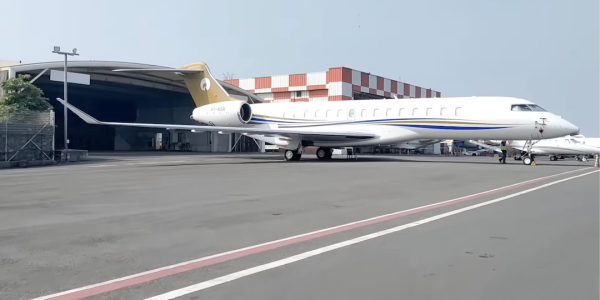
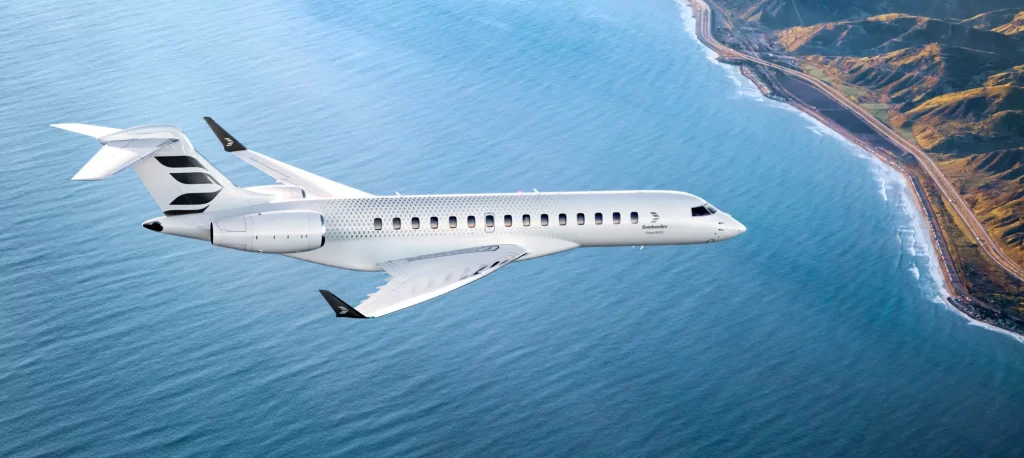
While Dassault garnered significant attention, EBACE 2025 also provided a platform for competitors and collaborators. Bombardier introduced the Global 8000, an impressive business jet capable of reaching Mach 0.94 and boasting a range of 8,000 nautical miles. When it is launched in late 2025, this aircraft is set to take the title of the fastest purpose-built business jet.
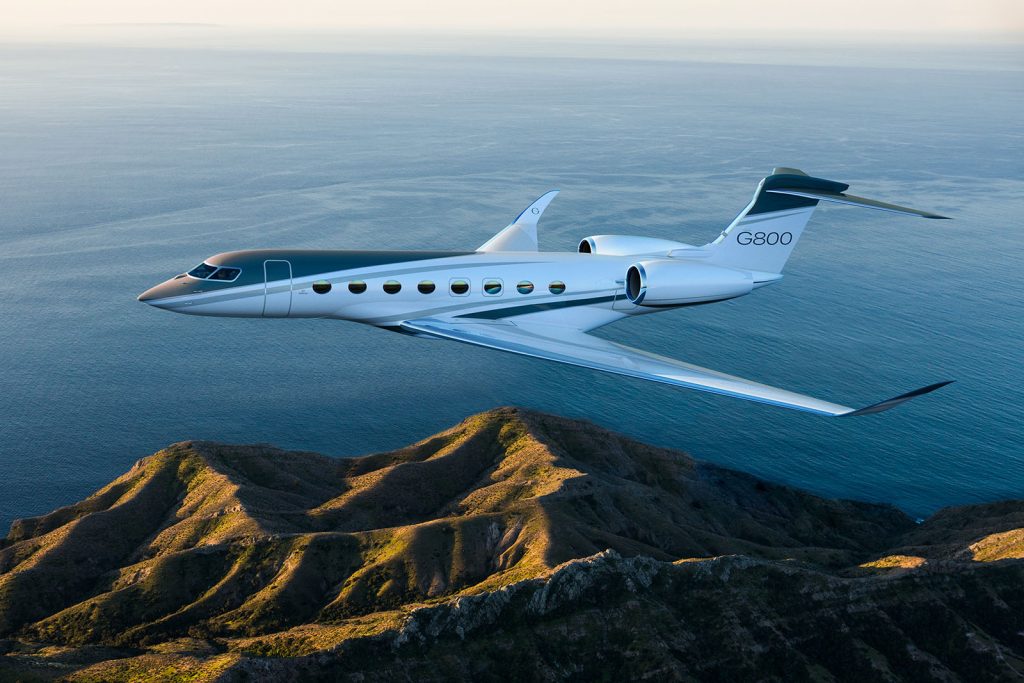
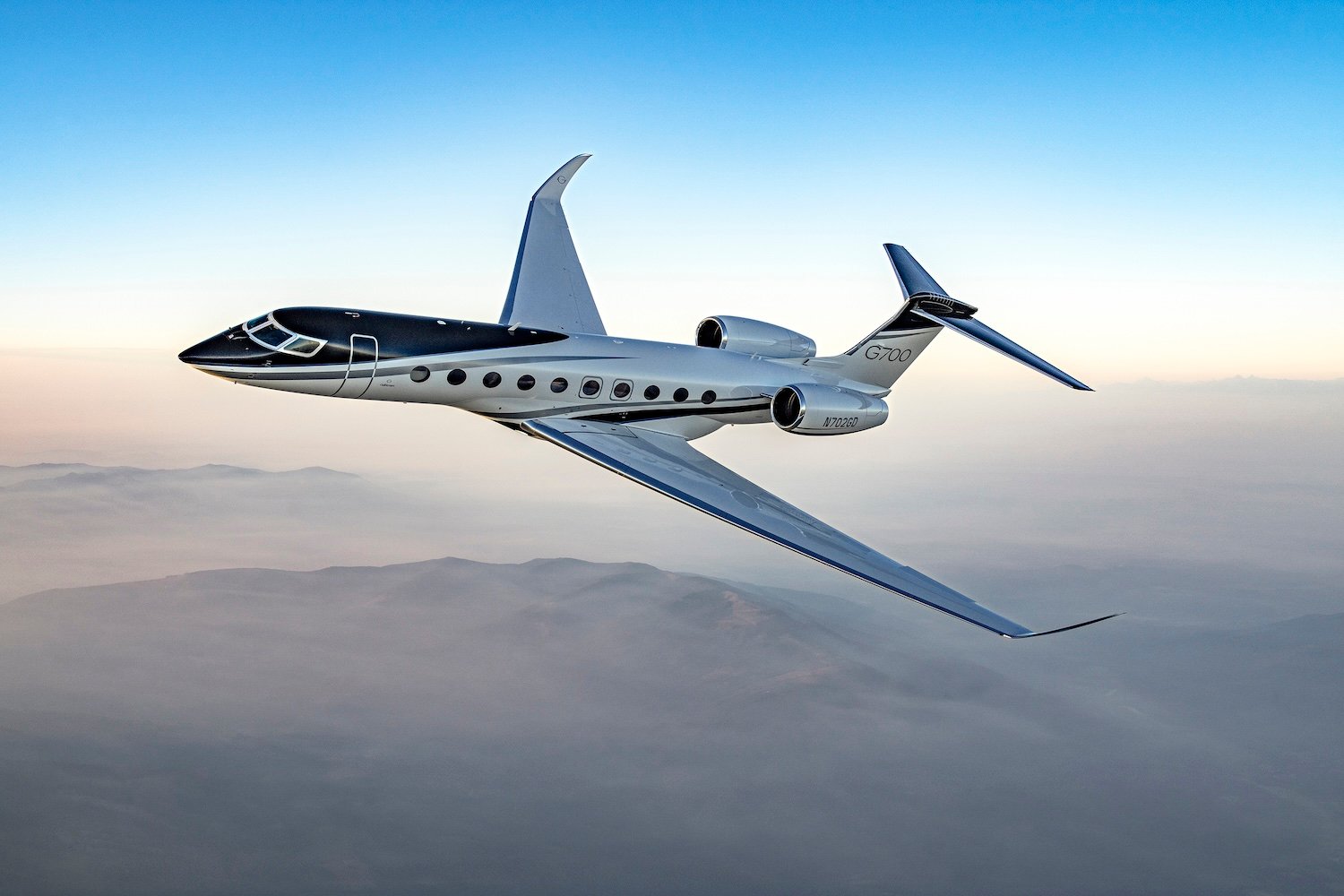
Gulfstream has reinforced its position in long-range aviation. The G800, which is nearing certification, boasts an impressive range of 8,000 nautical miles and features a cabin that can be configured into four separate living areas. In contrast, the G400 is designed for shorter routes, offering a range of 4,200 nautical miles and a cruising speed of Mach 0.90. Both models highlight aerodynamic improvements and upgrades in connectivity.
The G800’s ultra-long-range capability extends to 8,000 nautical miles. It is powered by Rolls-Royce Pearl 700 engines optimised for fuel efficiency at speeds of Mach 0.925. Additionally, its aerodynamically sculpted wing and empennage reduce drag by 10%.
At the same time, Gulfstream’s newest large-cabin model, the G400, offers a range of 4,200 nautical miles and a cruising speed of Mach 0.90. This performance is achieved through advanced winglet design and a fly-by-wire system derived from the G700.
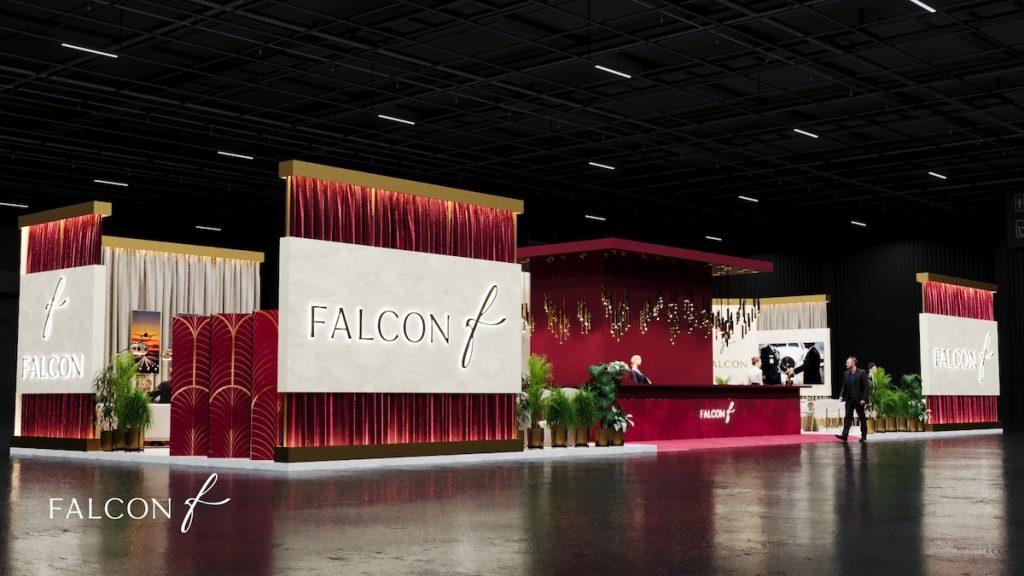
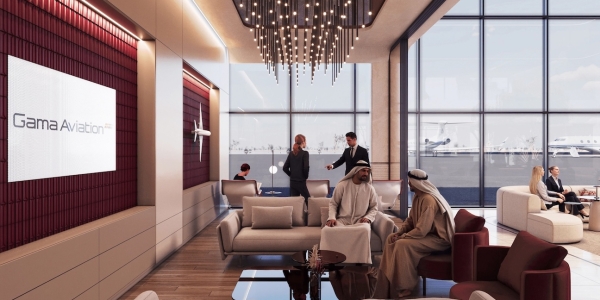
Emerging players such as Falcon, part of the Alex Group Investment, have made strategic advancements in the aviation sector. The UAE-based firm launched its Falcon Luxe charter fleet, which includes Bombardier Challenger jets, and established Falcon Technic, a 24/7 maintenance, repair, and operations (MRO) division. By securing a three-year partnership with Toll Group for global flight support, Falcon has positioned itself as a comprehensive aviation solutions provider, capitalising on the growing demand in Europe for integrated services.
Luxaviation returned to the European Business Aviation Convention & Exhibition (EBACE) in 2025 after a six-year absence. The company had previously withdrawn in 2018, citing inadequate returns on investment from its participation as an exhibitor. However, upon their return, Luxaviation expressed a renewed perspective on the significance of EBACE, recognising its critical role in supporting the European Business Aviation Association (EBAA). The company explained that its decision to return was driven by an understanding of EBACE’s importance in funding the EBAA’s advocacy efforts, particularly as the association faced challenges in securing the necessary resources to effectively defend and promote the interests of the business aviation industry.
Universal Vulkaan Aviation (UVA), the authorised distributor for Leonardo in India’s civil helicopter market, has signed a contract to purchase two AW169 light-intermediate twin-engine helicopters. These aircraft will be equipped for VIP and corporate transport, further enhancing AW169’s presence in India’s expanding rotary-wing sector.
The recent acquisition represents an important milestone in a broader framework agreement announced in 2024, in which UVA committed to acquiring ten helicopters over three years. This agreement includes models from Leonardo’s AW109, AW169, and AW139 families, highlighting UVA’s strategic goal to address the increasing demand for high-performance, multi-role helicopters in India’s private and corporate aviation sectors.
Additionally, innovative ground handling technologies captured the attention at the event. Mototek showcased its electric tugs, while Oshkosh Aerotech presented towbarless models, both demonstrating emissions-free ramp operations that align with Geneva Airport’s net-zero objectives.
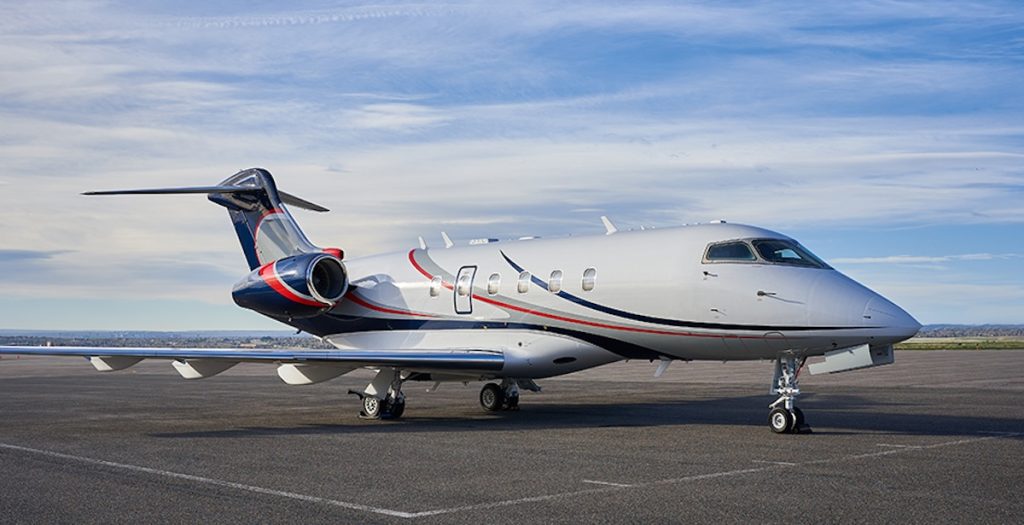
Connectivity and sustainability emerged as key themes across industries. Gogo Business Aviation introduced its HDX system, which utilises low-Earth orbit satellites to provide global broadband internet. This technology was adopted by Falcon’s fleet for routes in the Middle East and Europe. Additionally, the STARS program, a collaboration between the European Business Aviation Association (EBAA) and the International Business Aviation Council (IBAC), promoted carbon offsetting and the adoption of Sustainable Aviation Fuel (SAF). Furthermore, Daher’s EcoPulse hybrid-electric demonstrator showcased the potential for decarbonised flight. Developed in partnership with Airbus and Safran, EcoPulse completed 50 test flights, validating its distributed propulsion system and 800-volt battery technology, which reduced drag by 15% and noise by 20%.
Startups also experienced success at EBACE. Vaeridon Aircraft showcased an electric aircraft model, while MD OnBoard partnered with operators to integrate real-time telemedicine services, thereby reducing the risks of medical diversions.
Additionally, AMSTAT’s presence at EBACE emphasised the industry’s reliance on data-driven decision-making. The firm reported a 15 per cent increase in pre-owned aircraft transactions in the first quarter of 2025, which was fueled by fractional ownership models and emerging markets in Asia. Bombardier’s Global 8000 and Gulfstream’s model exhibited at the event reflected AMSTAT’s data on the demand for cabins that exceed 6,000 nautical miles.
Whether through Dassault’s engineering marvels, Daher’s eco-conscious prototypes, or Bombardier’s speed records, the industry demonstrated its ability to reinvent itself while maintaining the elegance and exclusivity that define its essence.