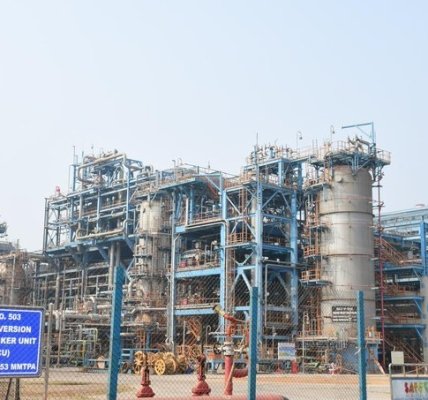




















As the world struggles to scale up SAF production, India emerges with a unique set of advantages that could position it as a global leader in green fuel production. The country’s vast agricultural resources – including sugarcane, used cooking oil, and promising algae cultivation projects – provide an abundant feedstock base that many nations envy. This natural advantage is now being paired with serious political commitment, as evidenced by the Modi administration’s progressive one per cent SAF blending mandate set for 2027, with discussions already underway to potentially raise this to five per cent by 2030. Adding to this momentum, India’s formidable refining giants like Indian Oil Corporation and Reliance Industries have moved beyond talk to concrete action, initiating pilot SAF projects that could quickly scale with the right policy support.
The 2025 AGM presents a golden opportunity for India to make bold announcements that could reshape the global SAF landscape. Industry observers are watching closely to see if New Delhi will unveil a comprehensive national SAF policy, potentially including the subsidies and tax incentives needed to transform today’s fragmented production efforts into a coordinated national strategy. Equally intriguing is the prospect of major Indian airlines like Air India and IndiGo announcing landmark partnerships with energy companies to secure long-term SAF supplies – deals that could provide the demand certainty needed to kickstart large-scale production.
India’s potential extends far beyond domestic needs. With Europe and North America struggling to meet their own SAF targets, the country could position itself as an export powerhouse in green aviation fuels. The Adani Group’s rumoured plans to build dedicated SAF plants near major airports suggest this vision is already taking shape in corporate boardrooms. However, significant hurdles remain before this potential becomes reality. The stubbornly high cost of SAF production continues to deter widespread adoption, raising questions about whether the AGM might produce innovative solutions like global price stabilisation mechanisms.
The path forward isn’t without obstacles. India must carefully navigate the delicate balance between using agricultural land for fuel versus food production, with second-generation biofuels from waste materials likely playing a crucial role in resolving this tension. Infrastructure upgrades at key airports like Delhi and Mumbai will also be essential to handle SAF storage and distribution. If India can successfully address these challenges, it may be able to transform from an energy importer to the ‘SAF Saudi Arabia’ of the 21st century – a development that would dramatically alter both the country’s economic trajectory and global aviation’s decarbonisation timeline. The decisions made and partnerships formed during the 2025 AGM may well determine whether this promising vision becomes reality.