











Can India Reach 10 Million Tonnes of Air Cargo by 2030? Regulatory Hurdles Loom Large

- India has only 20-25 dedicated freighters, far short of what’s needed for its 2030 cargo targets.
- FDTL rules aligned with WOCL hours severely restrict pilot rotations, inflating operational costs.
- Complex DGCA procedures and lack of cargo-specific policies deter investment in dedicated freighters.
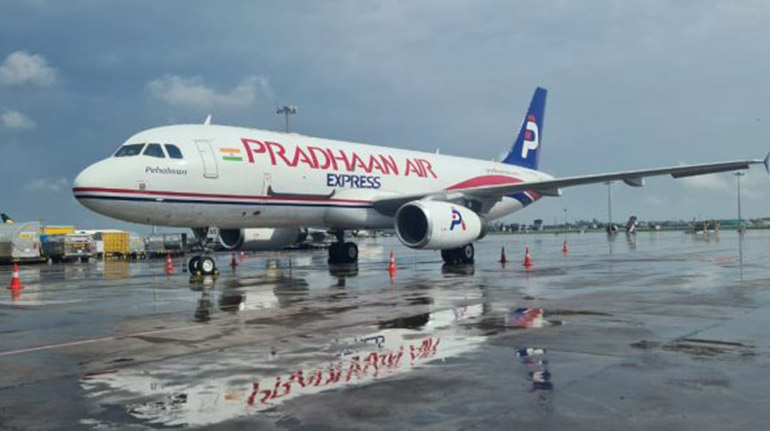
On the one hand, there is the government’s ambitious plan to reach 10 million metric tonnes of air cargo by 2030, and on the other hand are the challenges of operating dedicated cargo freighters. Today, the country needs more freighters than the 20-25 we have now. So, what are the challenges of operating dedicated cargo airlines in the country?
India’s burgeoning economy and expanding e-commerce sector have generated significant interest in developing a robust air cargo infrastructure. While passenger airlines have thrived, the prospect of establishing dedicated air cargo carriers has often been discussed as a strategic move to boost logistics efficiency. However, despite the apparent advantages, operating dedicated air cargo airlines in India faces substantial hurdles that render the endeavour largely unfeasible under current conditions. Chief among these challenges are exorbitant crew costs and a complex regulatory environment, particularly the stringent crew regulations imposed by the Directorate General of Civil Aviation (DGCA), which starkly contrast with the more flexible standards adopted by the US Federal Aviation Administration (FAA) and the European Union Aviation Safety Agency (EASA).
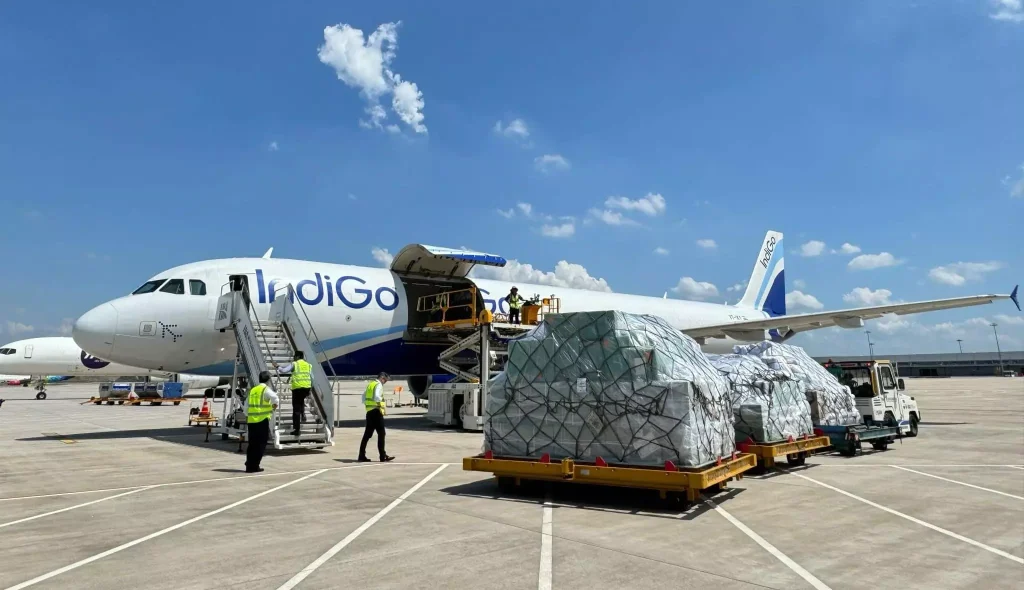
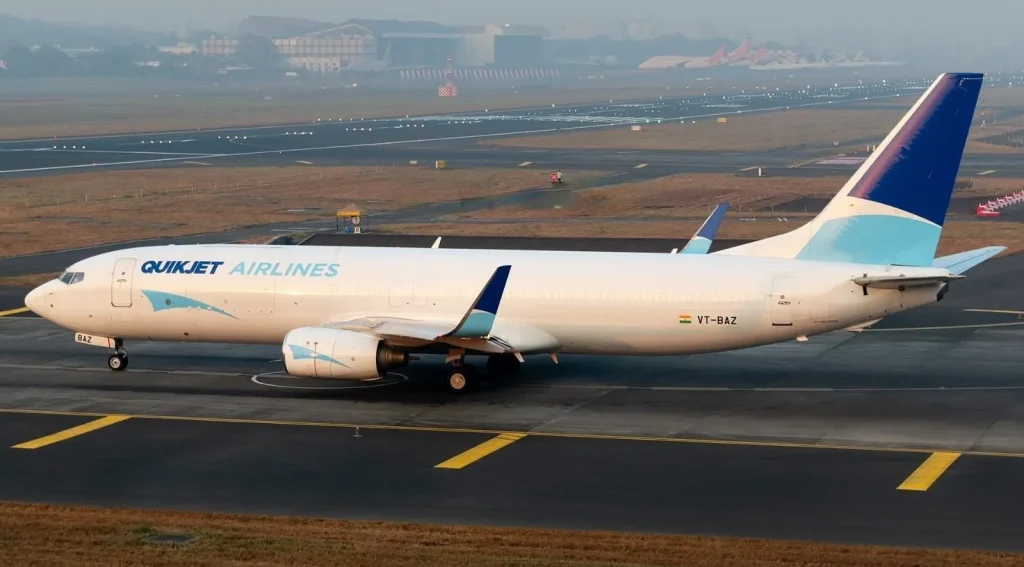
Why Flying Freighters Costs More in India
One of the major reasons why operating dedicated freighters in India is an expensive proposition is directly related to the Flight Duty Time Limitations (FDTL) regulations that seeks to ensure that flight crew are adequately rested and alert during operations by setting clear limits on flight hours, duty periods and mandatory rest to prevent fatigue-related errors will indeed ensure a more safer air transport environment. Current FDTL policy impacts cargo airlines.
The rules require freighter flights to operate overnight. This falls directly within the WOCL (Window of Circadian Low) periods. Unlike scheduling in passenger networks, cargo airlines have no flexibility since the time window is dictated by the logistics supply chain delivery ecosystem.
FDTL Policy Doesn’t Fit All
The DGCA should work out a cargo-only airline-specific FDTL framework meant for freighter flight operations in India. The current one-size-fits-all approach disproportionately impacts the sustainability of cargo airlines, particularly those flights operating only during night for overnight express deliveries and regional connectivity routes supporting India’s critical logistics supply chain growth.
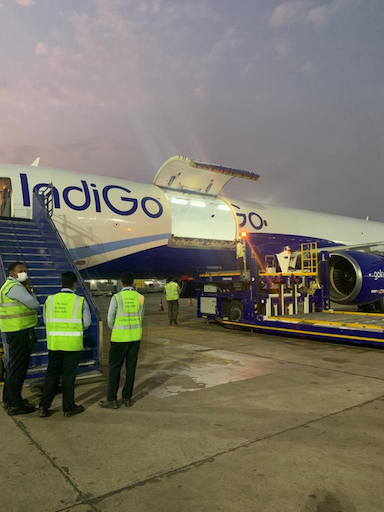
Aviation experts have conducted a comparative study of cargo and passenger flights operating on the HYD–DEL–BLR–HYD route (8 hours) and found that cargo operations entail almost double the cost incurred for a passenger flight. In the above scenario, due to FDTL constraints, passenger airline pilots can complete a maximum of 5 rotations per week, whereas cargo pilots, due to WOCL induced rest requirements, can complete only 3 rotations per week.
Cargo operations require 1.5 times the number of pilots to operate the same schedule as a passenger airline due to restrictive FDTL rules, primarily tied to operations within the WOCL period. This leads to nearly twice the crew cost per duty hour and significant inefficiencies in crew planning and utilisation. This cost burden makes cargo flights unsustainable and drives up per kg cargo costs. As passenger carriers benefit from higher yields, shorter turns, and daytime flying windows, cargo airlines are structurally penalised for fulfilling essential night-time supply chain roles. With e-commerce, Agri-exports, Pharmaceuticals, and MSME sectors are increasingly dependent on timely cargo movement.
This disparity is compounded by the fact that Indian crew members often work longer hours and are required to adhere to stringent safety and training standards, which further inflate labour costs. When operating on thin profit margins—common in the cargo industry, where revenue per kilogram is often less than that of passenger services—the high crew salaries substantially diminish potential profitability.
When Regulations Become Roadblocks
The other regulatory frameworks significantly influence the feasibility of operating dedicated cargo airlines in India. The DGCA enforces rigorous crew certification, training, and operational standards that, in some respects, surpass those of the US FAA and European EASA. While high safety standards are universally desirable, the specific regulatory environment in India introduces operational complexities and costs that act as barriers to entry.
In contrast, the FAA and EASA frameworks are designed to streamline crew certification processes, allowing for more efficient scheduling and rostering. They also incorporate pragmatic provisions for duty hours, rest periods, and fatigue management, enabling operators to optimise crew utilisation without compromising safety. The relative flexibility in these jurisdictions reduces operational costs and enhances profitability.
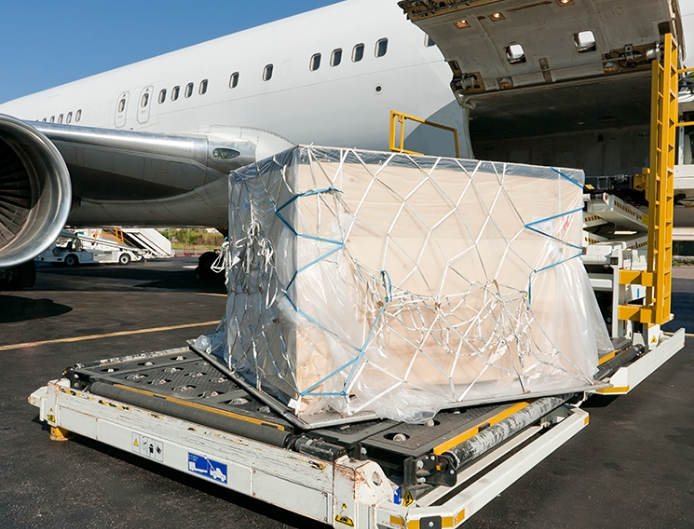
India’s conservative approach often entails additional checks, documentation, and approvals, which can delay fleet deployment and increase costs. For dedicated cargo carriers, which require high aircraft utilisation and tight scheduling to remain profitable, these regulatory constraints can be significant impediments.
While regulatory and labour issues are primary concerns, operational challenges further complicate the establishment of dedicated cargo airlines in India. Infrastructure limitations, such as insufficient cargo handling facilities at major airports, customs clearance delays, and inadequate warehousing, increase operating costs and reduce turnaround efficiency. These factors diminish the competitive edge of dedicated cargo carriers, especially when compared to well-established international players operating in India through partnerships or integrated logistics providers.
Additionally, government policies and customs procedures, although improving, still pose bottlenecks that increase transit times and reduce the attractiveness of air freight for time-sensitive shipments. This environment discourages large-scale investments in dedicated cargo fleets, especially amid high crew costs and regulatory overheads.
While the potential for air cargo growth in India remains compelling, the current regulatory, labour, and infrastructural landscape presents formidable barriers to the widespread operation of dedicated air cargo airlines. The Indian cargo market is characterised by rapid growth but also high volatility.
In the interim, integrated logistics solutions leveraging passenger aircraft belly capacity, combined with improving infrastructure and streamlined regulations, are likely to continue as the primary means of addressing India’s burgeoning cargo needs. Only through concerted efforts to reform industry standards and infrastructure can India unlock the full potential of dedicated air cargo operations in the future.
Read More: New regional airlines can boost cargo