










- Aviation Horizons 2025, hosted by AIESL in New Delhi, united industry leaders to discuss India’s MRO future, targeting $1 billion revenue by 2030.
- The Minister of Civil Aviation highlighted the MRO sector’s role in India’s aviation growth, emphasising rationalising taxation and public-private partnerships.
- AIESL is expanding P2F conversions and engine maintenance while collaborating with aviation academies to address skill shortages.
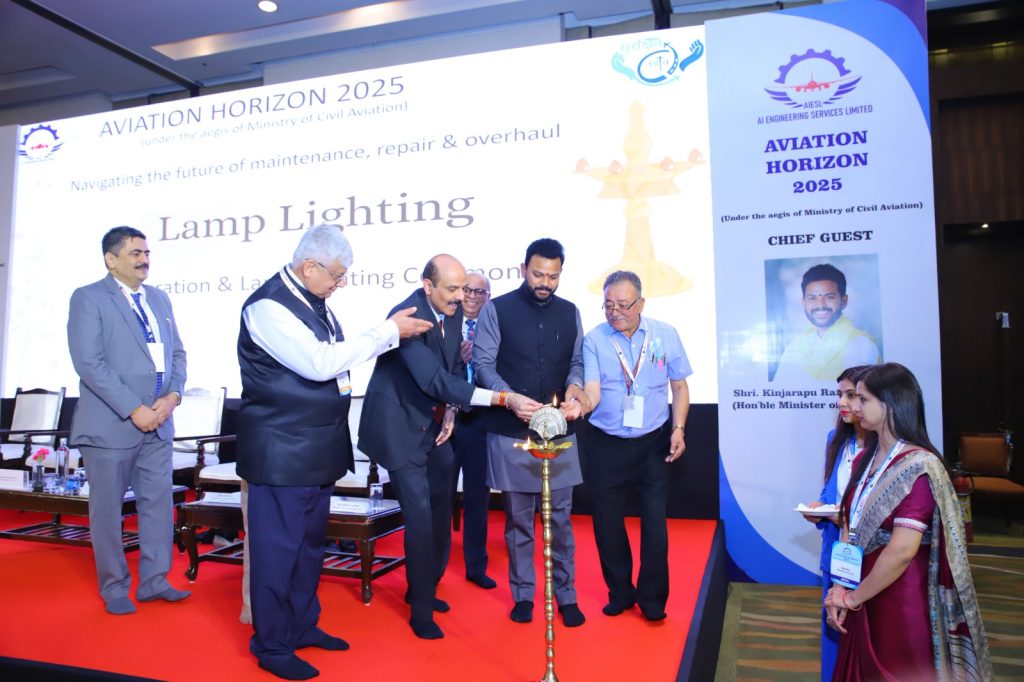
Highlights from Aviation Horizons 2025
AI Engineering Services Ltd (AIESL), the government-backed Maintenance, Repair, and Overhaul (MRO) entity, has set an ambitious target: achieving $1 billion in annual revenue by 2030. This strategic goal is anchored in diversifying its service portfolio, with a major focus on entering the Passenger-to-Freighter (P2F) conversion market by the latter half of FY26.
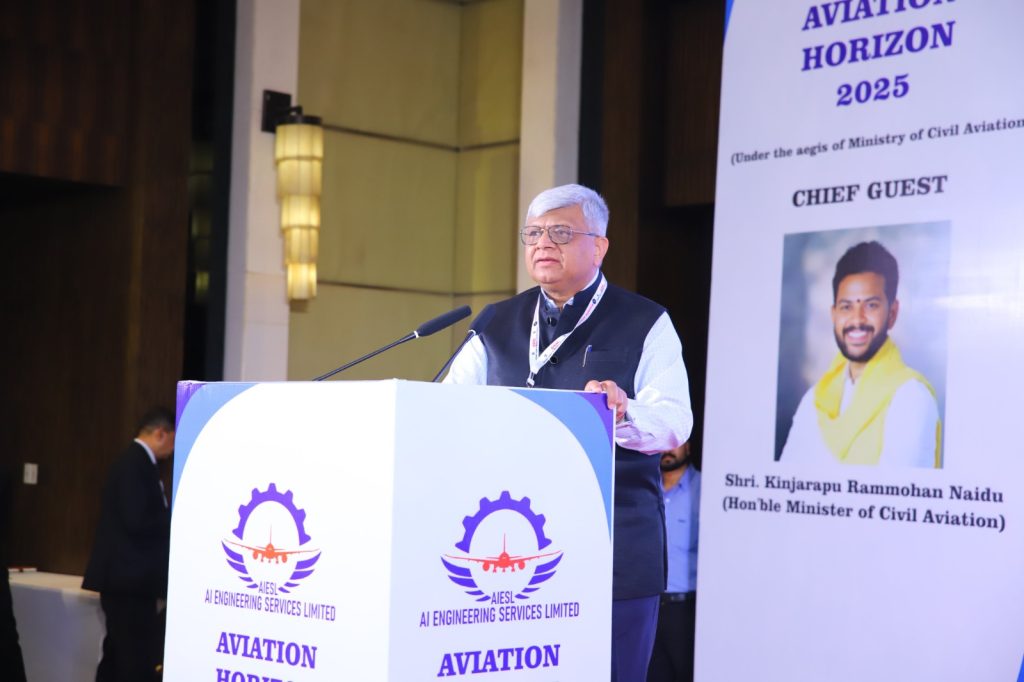
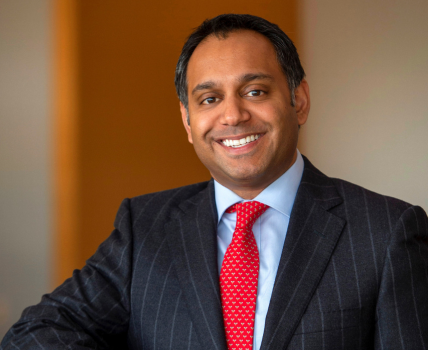
“We have consistently maintained an INR 2,000 crore average revenue for the last three years. We will be able to achieve the $1 billion yearly revenue target by 2030 as we expand our portfolio of services,” said Sharad Agarwal, CEO of AIESL, during his address at the Aviation Horizons 2025 event in New Delhi.
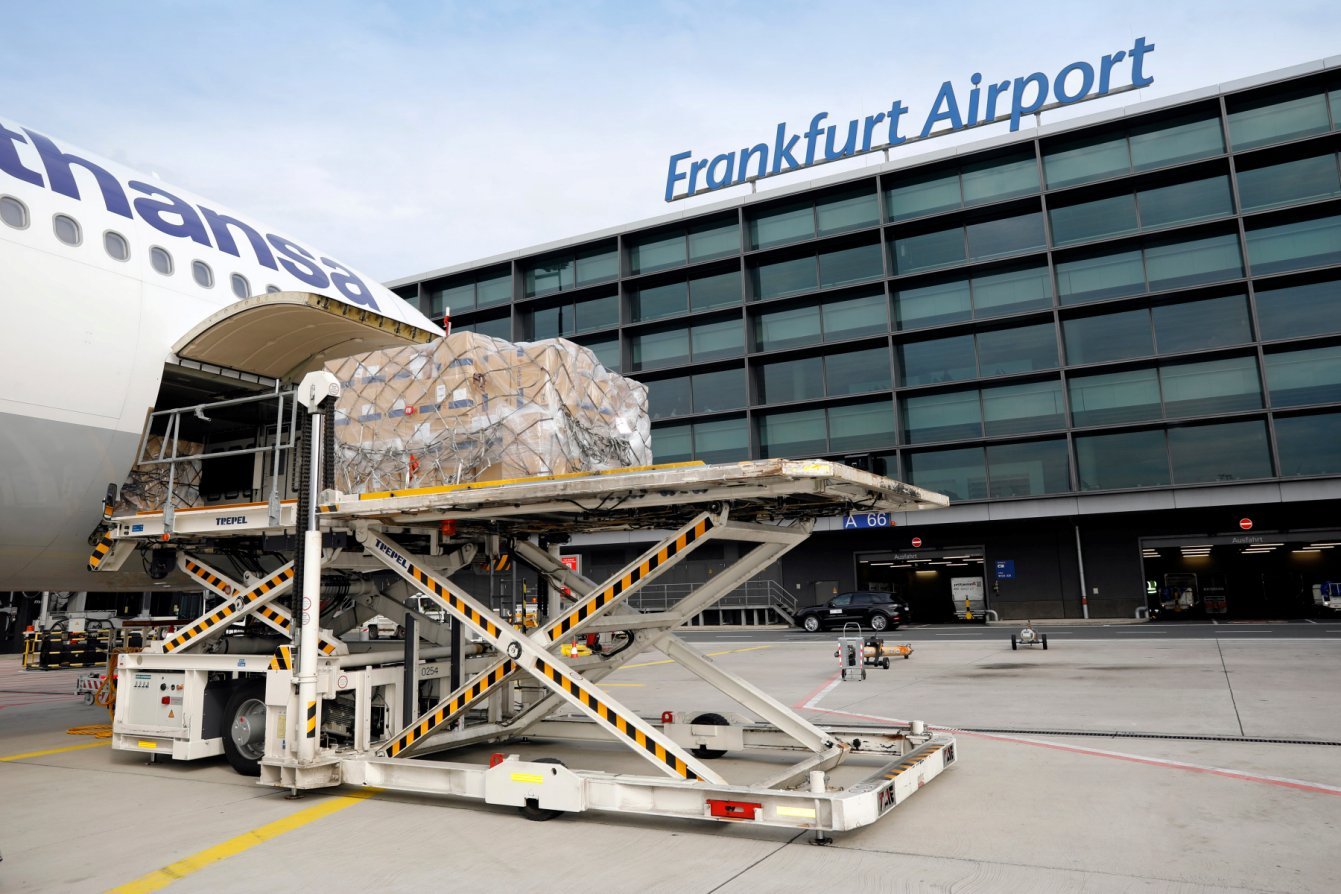
AIESL is optimistic about the P2F segment, especially with Airbus and Boeing order backlogs driving up freighter capacity demand. The company is on track to roll out its first P2F conversion by the end of the current fiscal year, aligning it with other Indian players like GMR Aero Technic, HAL, IAI, and Adani Group’s Air Works in this rapidly expanding market.
In a significant step towards reshaping India’s aviation MRO ecosystem, AIESL hosted its flagship event, Aviation Horizons 2025, on April 28, 2025, in New Delhi. The conference brought together senior policymakers, industry leaders, and stakeholders to discuss the future of India’s MRO sector amid a rapidly evolving global aviation landscape.
Minister of Civil Aviation’s Vision for India’s Aviation Future
Delivering the inaugural address, the Hon’ble Minister of Civil Aviation emphasised the critical importance of the MRO sector in supporting India’s ambitious growth in civil aviation. He noted that with India poised to become the third-largest aviation market globally, the domestic MRO industry must rise in tandem to ensure aircraft are serviced locally, efficiently, and economically.
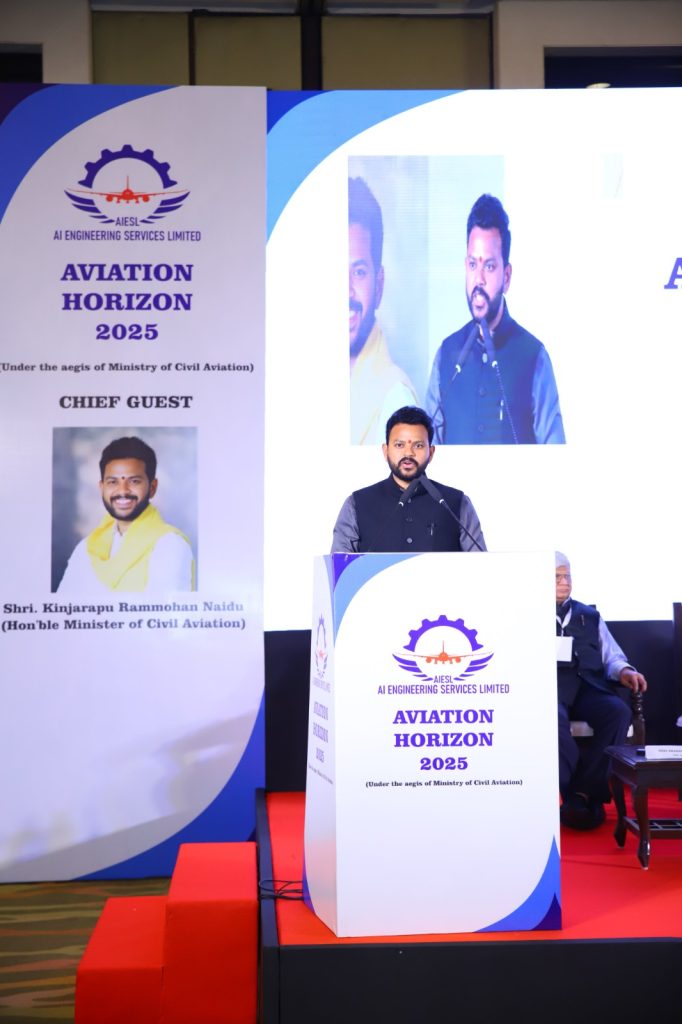
The Minister announced a series of progressive policy initiatives designed to support this growth, including:
- Rationalising taxation structures to make domestic MRO services more competitive.
- Encouraging Public-Private Partnerships (PPP) to build world-class MRO infrastructure.
- Promoting greater collaboration between civil and military aviation sectors to maximise asset utilisation.
He asserted that AIESL, with its unparalleled experience and capabilities, is ideally positioned to lead this transformation, not just servicing India’s needs but also tapping into the global MRO market.
Following the Minister’s address, Sharad Agarwal, CEO of AIESL, delivered a detailed presentation on AIESL’s current capabilities, future plans, and strategic outlook.
Agarwal outlined how AIESL has been undergoing a silent but impactful transformation. He highlighted the company’s comprehensive capabilities in airframe, engine, and component MRO, emphasising recent expansions in infrastructure and investments in advanced technologies like predictive maintenance and digital twins.
He shared that AIESL has secured key certifications from leading aviation authorities worldwide, significantly enhancing its ability to attract international clientele. “Our focus is to become the partner of choice not just for Indian airlines, but for global carriers seeking high-quality, cost-effective MRO services,” Agarwal stated.
AIESL anticipates initiating its first P2F conversion by the end of the current fiscal year. This move positions AIESL alongside other Indian players like GMR Aero Technic, Hindustan Aeronautics Ltd (HAL), Israel Aerospace Industries (IAI), and Adani Group’s Air Works in the burgeoning P2F market.
As line and base maintenance constitute only 5–12% of service volumes, going ahead, AIESL is intensifying its focus on engine and component maintenance that cover approximately 80% of MRO opportunities.
Agarwal went on to discuss AIESL’s emphasis on skill development, underlining initiatives to collaborate with aviation academies to groom the next generation of MRO engineers and technicians, thus bridging the industry’s widening talent gap.
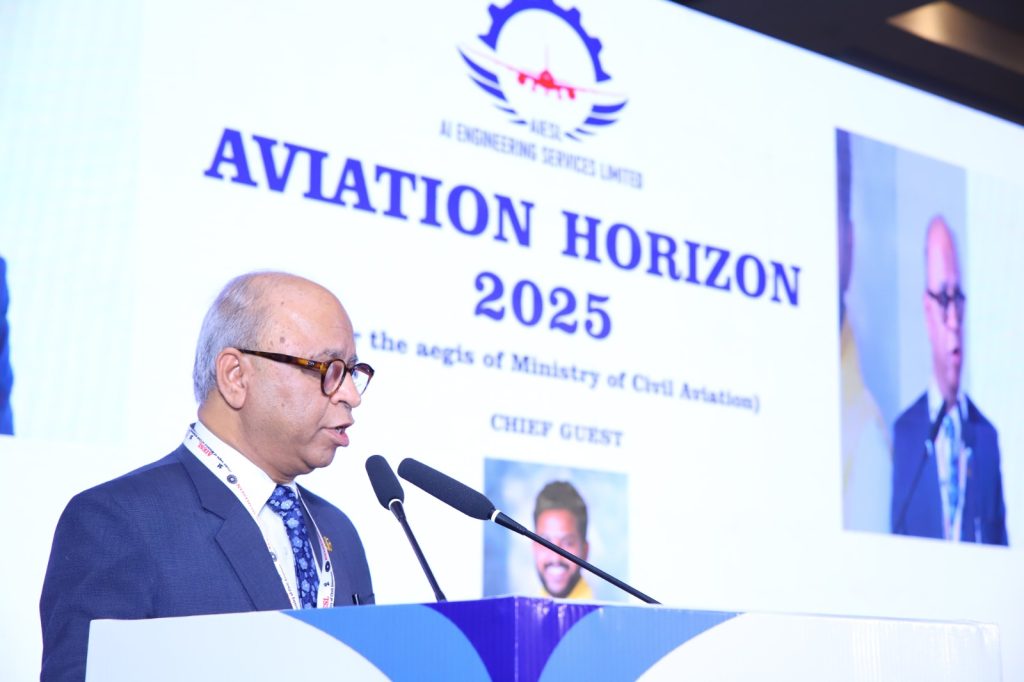
Amit Kumar, CMD of AIAHL and Chairman of AIESL, set the broader strategic framework during his keynote address. He stressed the necessity for Indian MROs to evolve beyond traditional models, embracing innovation, partnerships, and scale.
“India’s aspiration to become a global MRO hub is not a distant dream but a strategic imperative,” he said. Kumar elaborated on AIESL’s plans to develop integrated MRO hubs, leverage India’s manufacturing capabilities under the ‘Make in India’ initiative, and create strong linkages between aviation and other sectors such as defence and space.
He pointed out that supporting policy reforms such as leasing reforms, simplifying GST for MROs, and setting up MRO hubs at airports align with this vision.
The agenda for Aviation Horizons 2025 reflected a well-thought-out approach to tackle the most pressing issues facing the MRO sector.
The panel discussion on Airline-Domestic MRO Partnerships: Drivers of Sustainable Business delved into the growing trend of airlines forging stronger relationships with domestic MROs. Panellists discussed how airlines can achieve faster turnaround times and cost efficiencies by partnering with Indian MROs. The significance of trust, transparency, and performance metrics in these partnerships was emphasised.
This was followed by an impactful discussion on Civil-Military opportunities and the steps taken to bridge the gap between the two sectors. The panel explored how civil MROs could play a pivotal role in supporting military fleets, particularly non-combat and transport aircraft. Nikhil Joshi, Managing Director of Boeing Defence India, asserted: “Civil and defence MROs have synergies and convergence potential, but achieving this will require overcoming challenges of scale, flexibility, and operational readiness.” He also added how civil MROs need to evolve capabilities tailored to defence needs while preserving their commercial strengths: “Where the platforms are the same or similar, like the P-8I and 737, there are huge opportunities to leverage economies of scale.”
Group Captain A.G. Bandopadhyay from Advanced Aviation echoed this optimism: “The Indian Air Force has increasingly outsourced MRO activities to private players, creating new opportunities for civil MROs to participate in defence support.” Speakers suggested that creating a standardised framework for civil-military collaborations could unlock significant synergies and optimise India’s defence spending. However, panellists emphasised that for private MROs to truly capitalise, capabilities must be aligned with defence-specific certifications from authorities like DGAQA and CEMILAC, an area that still needs greater streamlining.
Component MRO and inventory storage are among the most pressing problems MROs face today, as supply chain issues continue to plague the MRO industry worldwide. The panellists spotlighted the current bottlenecks, such as limited local capabilities and high import dependencies, stressing the need to develop indigenous component repair facilities, regulatory simplifications, and foster OEM collaborations to scale up the component MRO segment.
In the fourth panel, the conversation shifted to workforce challenges. Panellists painted a stark picture of the shortage of skilled MRO engineers and technicians and called for revamped training curricula, apprenticeship programs, and industry-academia partnerships. Attracting young talent into aviation MRO careers was vital to sustain long-term industry growth.
Sunil Sahani of AIESL underlined the crucial role of skilled manpower in sustaining India’s aviation ambitions. With over 3,000 flights serviced monthly by AIESL and rising fleet orders across civil and defence, manpower shortages could become a serious bottleneck. He advocated for greater collaboration between OEMs, MROs, and training institutes to build a next-generation, defence-ready workforce.
The panellists also called for enhanced trust and transparency between private players and defence agencies to address security, asset protection, and data sharing concerns.
The final panel provided a macro view, examining India’s potential to emerge as a global MRO destination. While challenges like high cost of capital, regulatory hurdles, and fragmented infrastructure were acknowledged, the panellists were unanimous in their belief that with focused government support and industry collaboration, India could capture a lion’s share of the global MRO market.
The evolving alignment between civil and defence MRO sectors, increasing local manufacturing, workforce development initiatives, and government-backed incentives paints an encouraging picture. Yet, achieving this vision demands collective commitment of airlines, trusting Indian MROs, OEMs enabling local capabilities, MROs embracing innovation, and the government ensuring policy consistency and support.
As India’s fleet size multiplies and new defence and commercial platforms enter service, the urgency to scale up domestic MRO capability has never been greater. Aviation Horizons 2025 underscored that India stands at the threshold of this transformation. If the momentum generated at this event is sustained, the next chapter in India’s aviation story will be one of self-reliance, global leadership, and unmatched excellence.