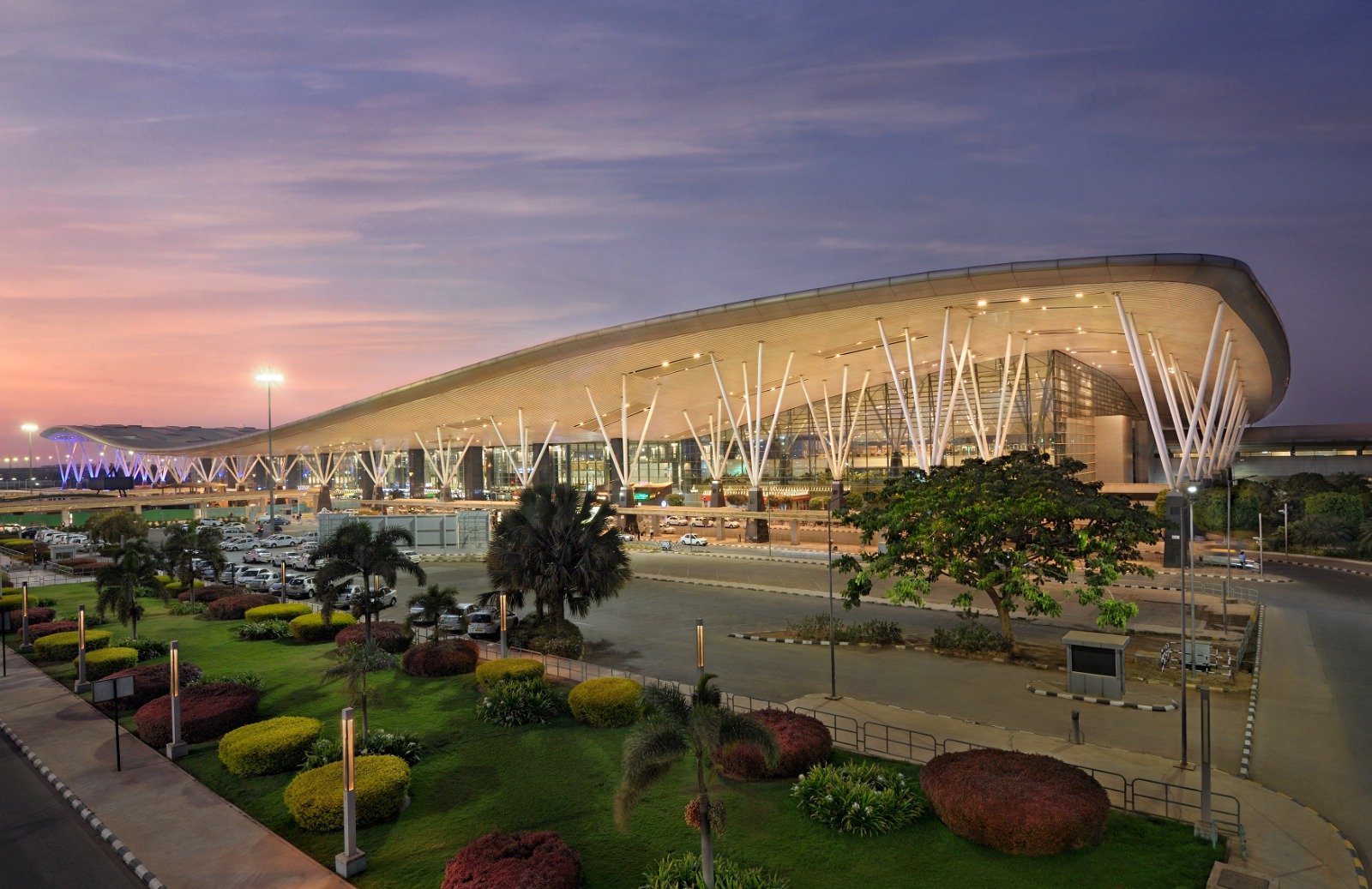





- Cochin International Airport Ltd. (CIAL) is being positioned as a future global transit hub connecting the Middle East and Far East.
- Aviation will play a major role in driving Kerala’s tourism economy — passenger traffic is expected to rise substantially — after CIAL transforms into a hub.
- Connectivity upgrades—Kochi Metro and Water Metro extensions, a seaport-airport road, and multimodal transport—are central to the state’s aviation vision.
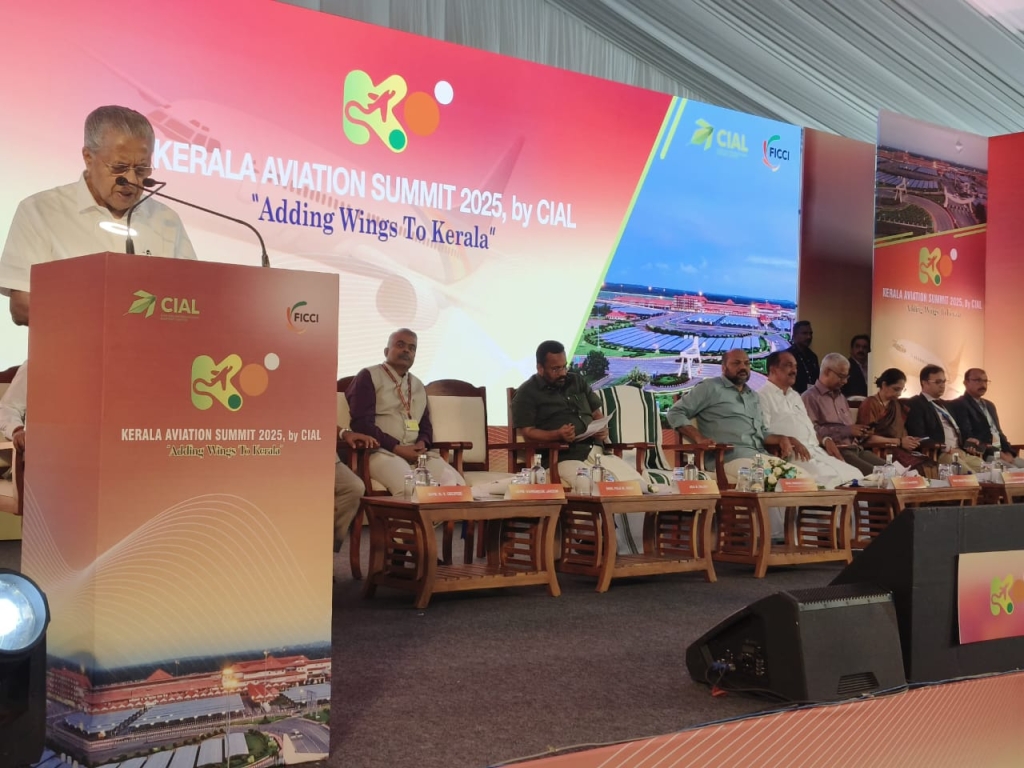
The extraordinarily high flying costs—a common complaint from expats, passengers and aviation industry stakeholders—on Gulf routes has long been a defining feature of Kerala’s aviation landscape. Often described by hassled fliers as “exploitative pricing”, these high fares persist despite the state’s inherent advantages: its strategic location, four operational international airports (Cochin, Thiruvananthapuram, Kozhikode, and Kannur), and two more in the pipeline (Sabarimala Greenfield and Bekal). With steadily rising passenger traffic, the mismatch between infrastructure growth and affordable connectivity continues to fuel frustration among travellers.
Kerala to Gulf destinations usually see spikes during holidays and often go way above the cost of longer international flights. There is no denying the fact that the Gulf routes remain the biggest money-spinners for Indian carriers, but with the high prices, there is indeed a disconnect between demand and pricing policies.

Apart from the high ticket prices, Chief Minister Pinarayi Vijayan emphasised the need for making air travel more accessible to the public by reducing travel and operational costs—the recent two-day Kerala Aviation Summit 2025, entitled ‘Giving Wings to Kerala’, highlighted the need for a planned approach to foster the growth of the aviation industry.
Indeed, the larger focus of the two day meet was on the state’s plan to position Cochin International Airport Ltd. (CIAL) as a global transit hub between the Middle East and Far East. Organised by Cochin International Airport Ltd. (CIAL) and FICCI, the first of its kind two-day event outlined a strategy that aims to boost the state’s aviation and tourism sectors. The meet saw aviation stakeholders, policymakers, airline executives, and representatives from international carriers and aircraft manufacturers, among others, discussing the future flight path for the state’s aviation sector.
Cochin, or CIAL, with its geographical advantage, officials and industry stakeholders pointed out, could capture transit traffic on two of the world’s busiest corridors, provided there was capacity expansion, terminal upgrades, and investments in technology to compete with hubs such as Dubai and Singapore. The Chief Minister put it more succinctly: “CIAL, which has been a model for airports in the country, has a key role to play in achieving the state’s vision of becoming a civil aviation hub.”
Aiding CIAL in its transformation into a global hub, the state government has proposed to boost and enhance connectivity infrastructure by extending the Kochi Metro to the airport and integrating the Kochi Water Metro. Plans are also on to develop a seaport-airport road to shorten travel time between Kochi’s port and airport. These projects will not only create seamless multi-modal connectivity but also support passenger and cargo growth.
Aviation will play a major role in driving Kerala’s tourism economy—passenger traffic is expected to rise substantially—when CIAL transforms into a hub. As Chief Minister Vijayan noted, “Strengthening air transport will attract more tourists… There should be efforts to make air travel more inclusive and popular.”
Some other recommendations were put out: the setting up of a dedicated medical tourism office at the airport and liberalised visa norms for foreign patients visiting the state for its high-value healthcare and Ayurveda remedies; home check-in services to reduce airport congestion, expanded hotel capacity near the airport, and stronger last-mile connectivity through app-based transport.
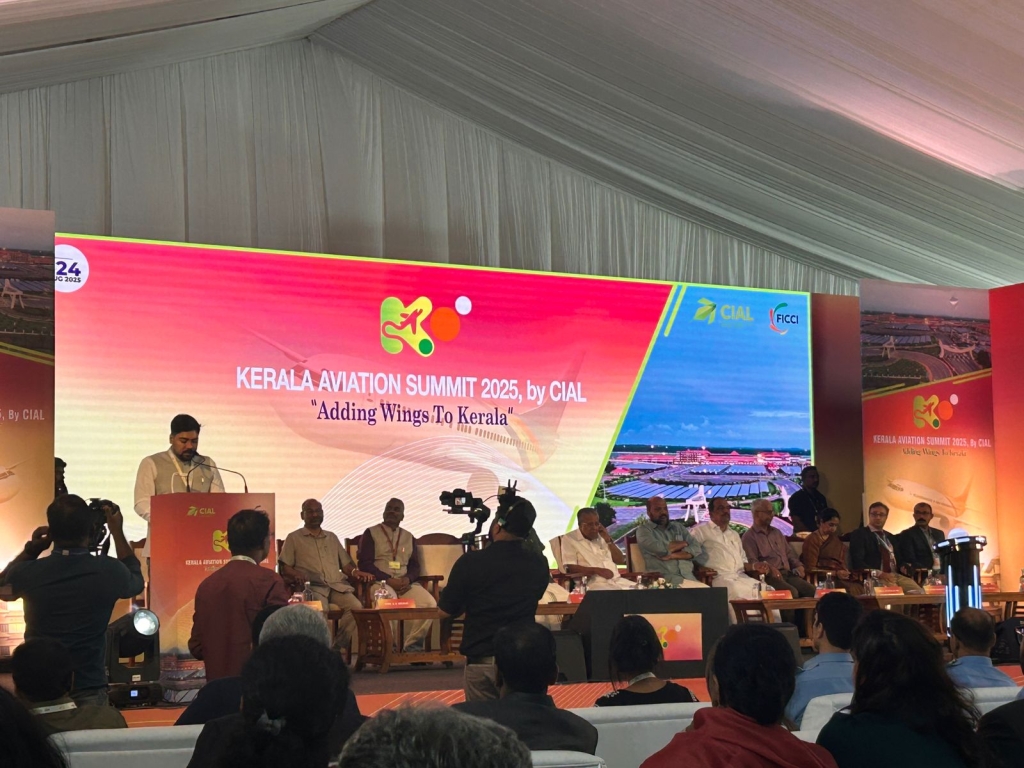
In addition, Kerala is keen to induct drones, air taxis, helicopters, seaplanes, and eVTOLs (electric Vertical Take-off and Landing aircraft) for intra-state connectivity, as well as the adoption of green aviation practices to align expansion with sustainability goals.
While Sarla Aviation, for example, was interested in setting up an operational hybrid air taxi hub at CIAL, the India RSO representative for De Havilland Aircraft of Canada Limited stressed the need for enhanced infrastructure for seaplane operations.
The Bangalore-based innovator in eVTOL technology Sarla Aviation Payal Satish, Sarla Aviation’s vice-president of business development and strategy, was quoted saying that “the talks on collaboration with CIAL are in the primary stage. Kerala offers strong potential, especially given its mix of international and domestic tourism. Travellers often spend hours by road to reach destinations from Kochi, and eVTOLs can help shorten that journey to under 30 minutes. Over time, this could mean easier access to places like Thekkady, Munnar, Alleppey, Kumarakom, and Kovalam, making travel more seamless and efficient.”
As for seaplanes, Syed Kamran Hussain, India RSO Representative for De Havilland Aircraft of Canada Limited, pointed out that the state’s infrastructure needed to be enhanced for support seaplane operations.
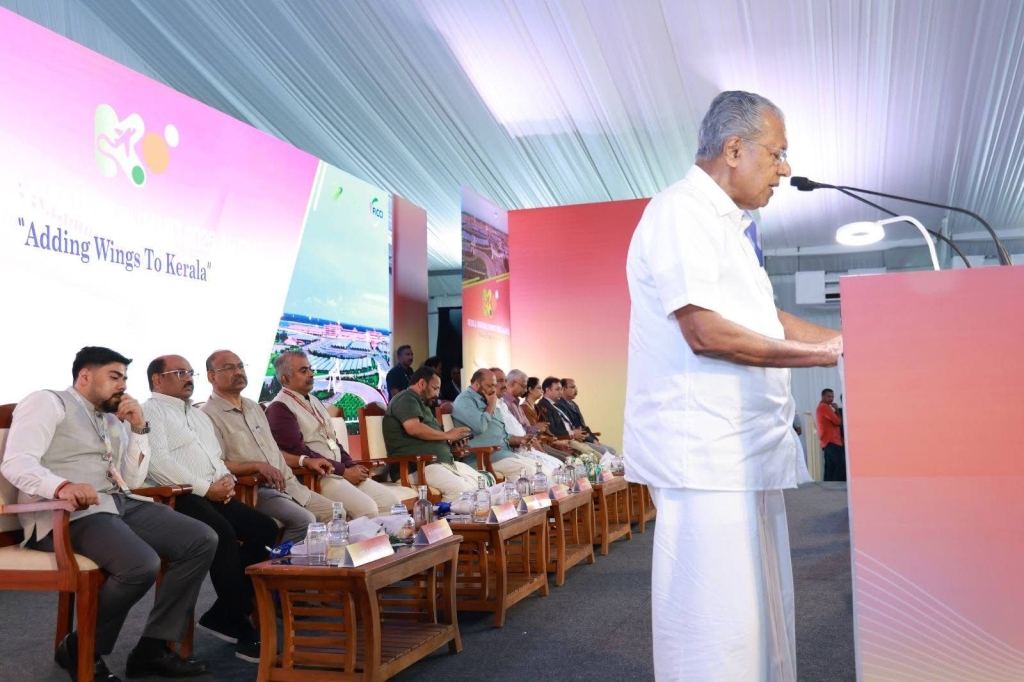
Photo: FICCI
The importance of the hub plan was further highlighted when industry leaders pointed out that new opportunities for investment, tourism, and trade would be unlocked when CIAL evolves into a transit hub.
It may be pointed out that the state would soon have its first aerospace policy, which will provide a boost to investment in the aerospace and defence sector.Announcing the policy, Kerala Space Park (KSpace) CEO G Levin, pointed out that the policy would follow the guidelines of the state’s industrial policy.
The statement released after the summit pointed out “the sustainable growth achieved by integrating aviation, tourism, and logistics”. It went on to mention that “experts noted that these sectors, by working together, can boost economic growth, enhance the traveller experience, and attract more international tourists… The need to implement innovative ideas was also emphasised. Discussions covered improving airport infrastructure, increasing international flight connectivity, promoting regional air travel, and implementing sustainable practices,” the statement said.
Also Read: Kerala’s Aviation Expansion: Progress Amidst Challenges