









Collins Aerospace Expands India Operations With New 26-Acre Bengaluru Manufacturing Centre

- Collins Aerospace has inaugurated a 26-acre manufacturing centre at Bengaluru’s KIADB Aerospace Park, expanding its global production and export capacity for advanced aerospace systems.
- Collins Aerospace’s India operations now support engineering, testing, and certification through the Bengaluru EDTC and Hyderabad R&D hubs, integrating local design and manufacturing for global programs.
- RTX continues to strengthen its talent base in India, focusing on advanced manufacturing, engineering and digital capabilities, with Collins Aerospace playing a key role in this expansion.
RTX’s Collins Aerospace has taken India’s aerospace capability far beyond its early role as a low-cost manufacturing location. Today, the country functions as a multi-disciplinary global node, covering advanced engineering, testing and certification, high-value manufacturing for export, and supplier development.
With operations in Bengaluru, Hyderabad and New Delhi, Collins has built a strong base for material manufacturing, engineering design, and global sourcing for the RTX group. India’s sites contribute directly to worldwide programmes, making the country an integral part of Collins’ long-term industrial and technology roadmap.
Bengaluru’s New 26-Acre Manufacturing Hub
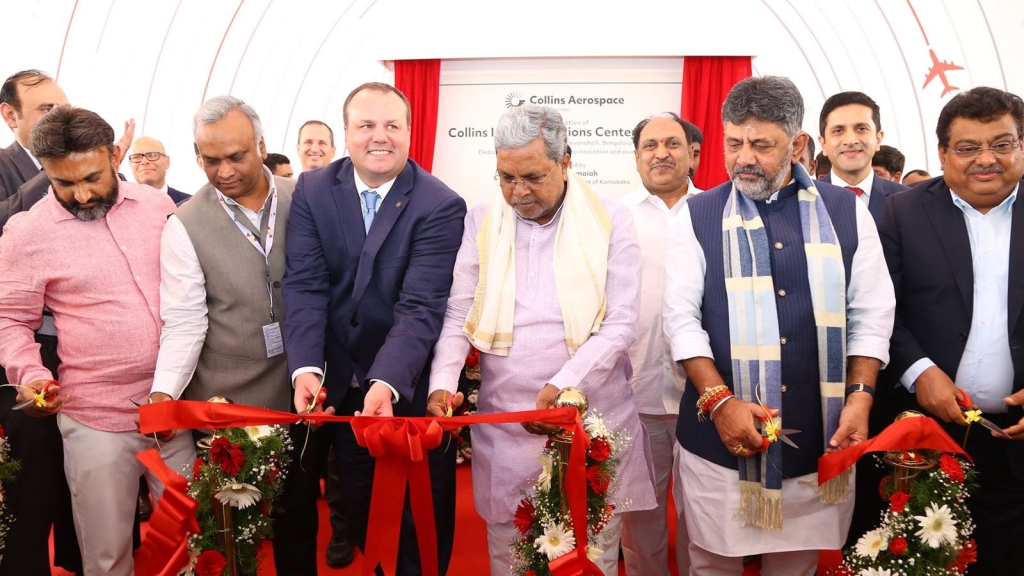
On November 11, 2025, Collins Aerospace inaugurated the Collins India Operations Centre (CIOC), a 26-acre facility at KIADB Aerospace Park in Bengaluru, to expand its ability to manufacture advanced aerospace products for international markets.
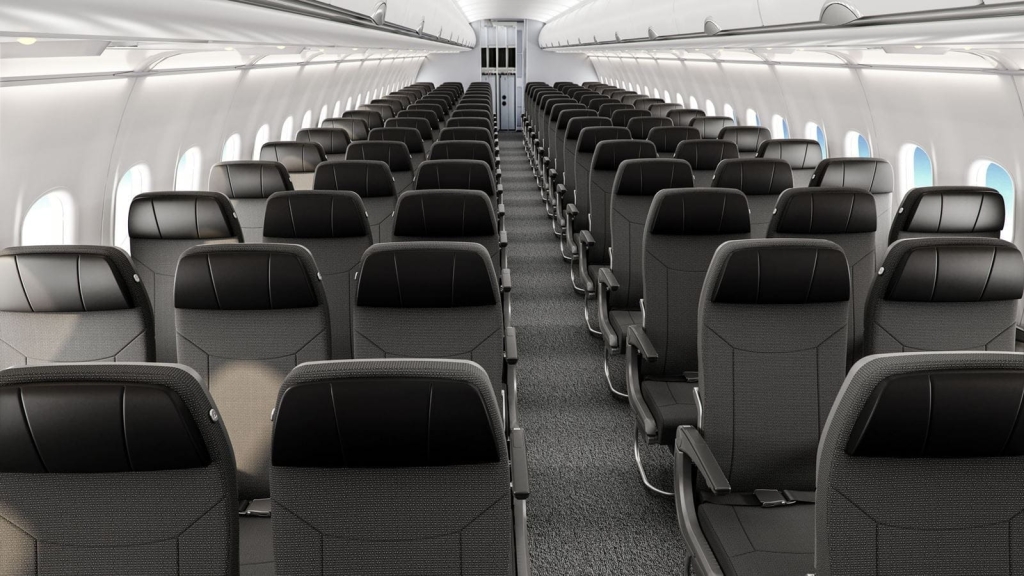
The new site is equipped with Industry 4.0 technologies such as artificial intelligence, additive manufacturing, and robotics, and will initially produce seats, lighting and cargo systems, temperature sensors, communication and navigation systems, water solutions, and evacuation slides.
“The Collins India Operations Centre will drive operations and manufacturing for more than 70 Collins products, enhancing worldwide service transformation and delivering operational excellence,” said Roy Gullickson, senior vice president of operations at Collins Aerospace. “The CIOC will also have incremental capacity to support future growth opportunities and customer requirements.”
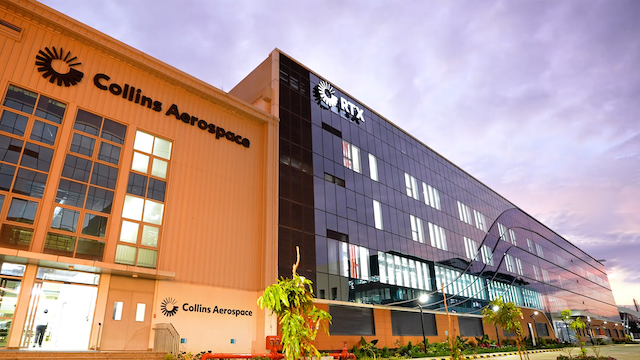
The CIOC is designed with an Industry 4.0 Building Management System, a connected ecosystem aimed at improving speed and quality of delivery. It is LEED Silver and Indian Green Building Council (IGBC) Silver certified and will host more than 2,200 employees by 2026, with additional capacity to meet future growth and customer requirements.
Engineering and Testing Capabilities
Earlier in 2025, Collins Aerospace announced a new Engineering Development and Test Centre (EDTC in Bengaluru to conduct qualification and certification locally. The EDTC is regarded as the company’s largest such testing facility outside the United States, strengthening India’s role in end-to-end design validation.
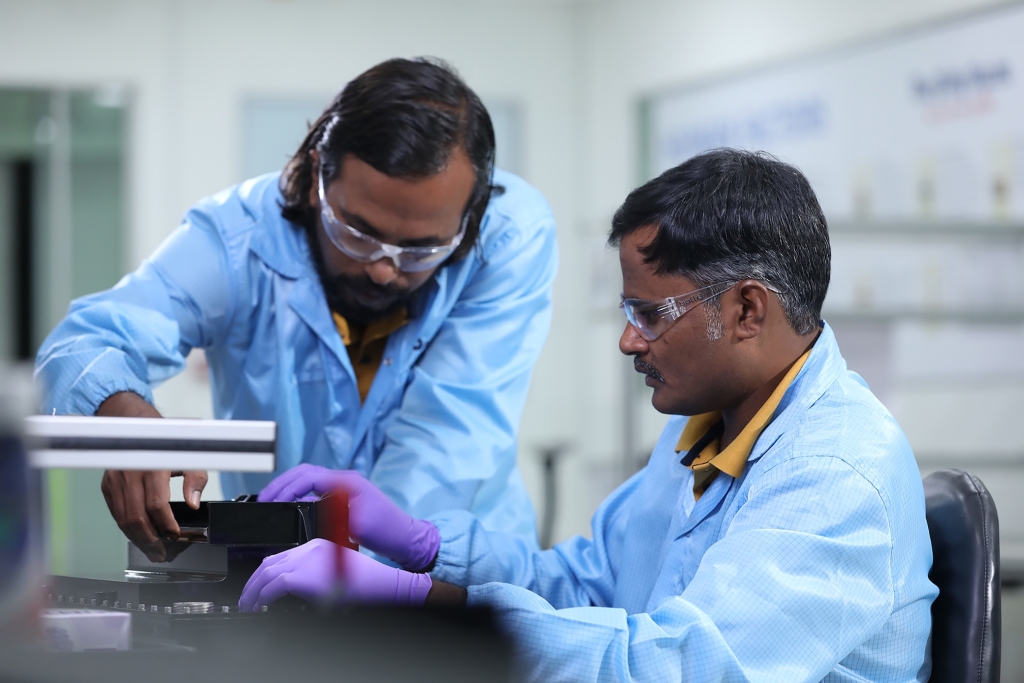
This new centre complements the Global Engineering & Technology Centre (GETC) and the India Operations Centre inaugurated in 2022, also in Bengaluru.
Together, these units support design, software, digital development, testing, and certification, allowing Collins to execute complete engineering lifecycles from India.
The Hyderabad facility continues as a key Advanced Engineering and R&D hub, developing smart avionics, advanced flight-control systems, and high-tech components for both commercial and military aircraft. Bengaluru, meanwhile, remains the only Collins location that engages with all five of the company’s portfolios—avionics, interiors, advanced structures, power and controls, and mission systems, making India one of the most diversified operational bases within RTX’s network.
Export Strength, Supply-Chain Expansion and Workforce Growth
India’s facilities now support high-value production for multiple aircraft platforms. Collins Aerospace India exports around USD 500 million worth of products each year, a figure that continues to rise as new manufacturing capacity comes online.
The company works with about 2,200 suppliers across RTX businesses in India and plans to triple sourcing levels within the next three to four years. By integrating India more deeply into its sourcing ecosystem, Collins is achieving cost efficiencies, supply-chain resilience, localisation benefits, and shorter lead times, all of which enhance competitiveness in both the Asia-Pacific and global markets.
RTX is extensively focused on talent, making its Indian centres globally competitive.
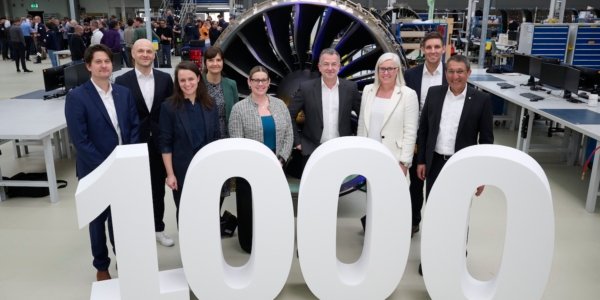
The company plans to add about 1,000 staff to its nearly 7,000-strong India workforce by 2027, an increase of roughly 14 per cent, including around 700 positions for Collins Aerospace alone.
In parallel, Collins is consolidating multiple manufacturing sites into a larger Bengaluru factory by 2026, a move designed to improve operational efficiency and collaboration between engineering and production teams.
Through continuous investment in technical training, digital innovation, and process excellence, RTX aims to ensure that its Indian workforce remains aligned with global standards and capable of supporting next-generation aerospace programmes.
Long-Term Commitment to India
Collins Aerospace has been investing in India for nearly three decades, with a growing footprint that now includes more than 6,500 employees, building a comprehensive presence across engineering, digital, manufacturing, operations, and supply-chain functions. The combination of the new CIOC, the EDTC, and a steadily expanding supplier base underscores the company’s long-term commitment to India’s aerospace ecosystem.
By positioning India as a centre for manufacturing, engineering, and testing, Collins is reinforcing the country’s importance within RTX’s global value chain. The strategy not only contributes to export growth but also supports India’s emergence as a hub for aerospace innovation and advanced production.
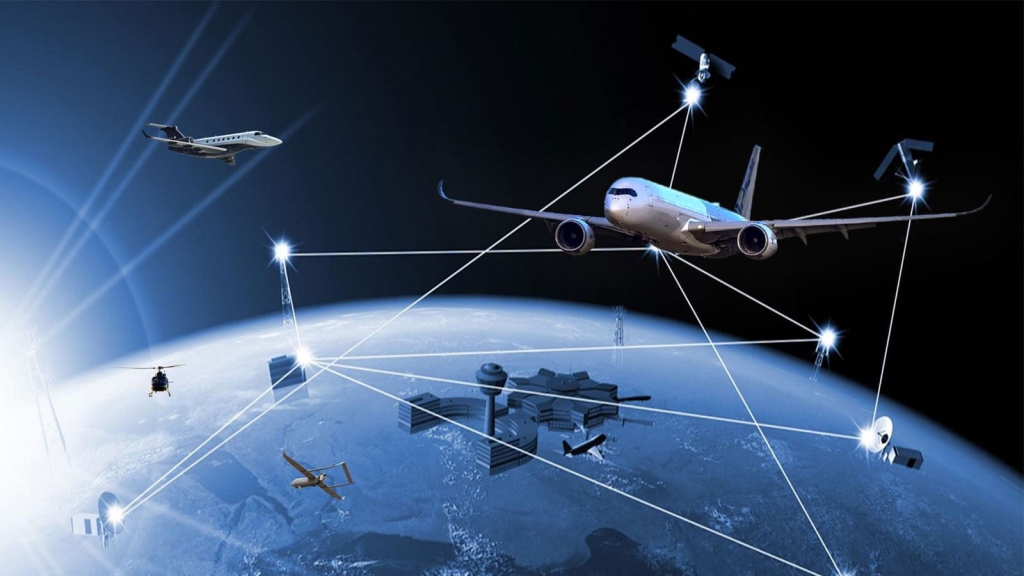
As Collins deepens its integration into India’s industrial landscape, the country stands out as a key partner in shaping future aerospace technologies, serving global programmes more flexibly, competitively, and efficiently than ever before.
Also Read: Hydrogen Flight Ambitions Advance as Airbus, RTX, and GE Push New Propulsion Frontiers