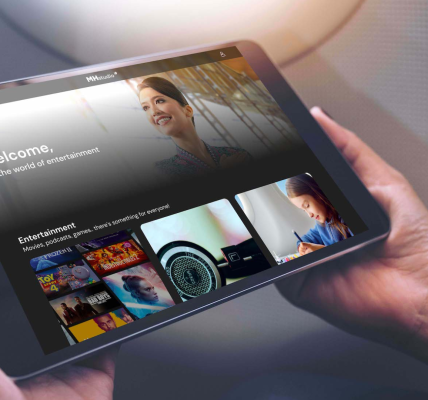













- In-flight Wi-Fi is becoming a standard feature across Indian and global airlines, enabling passengers to stay connected and productive while in the air.
- It also enables real-time data sharing for pilots and ground operations, improving airline efficiency and operational planning.
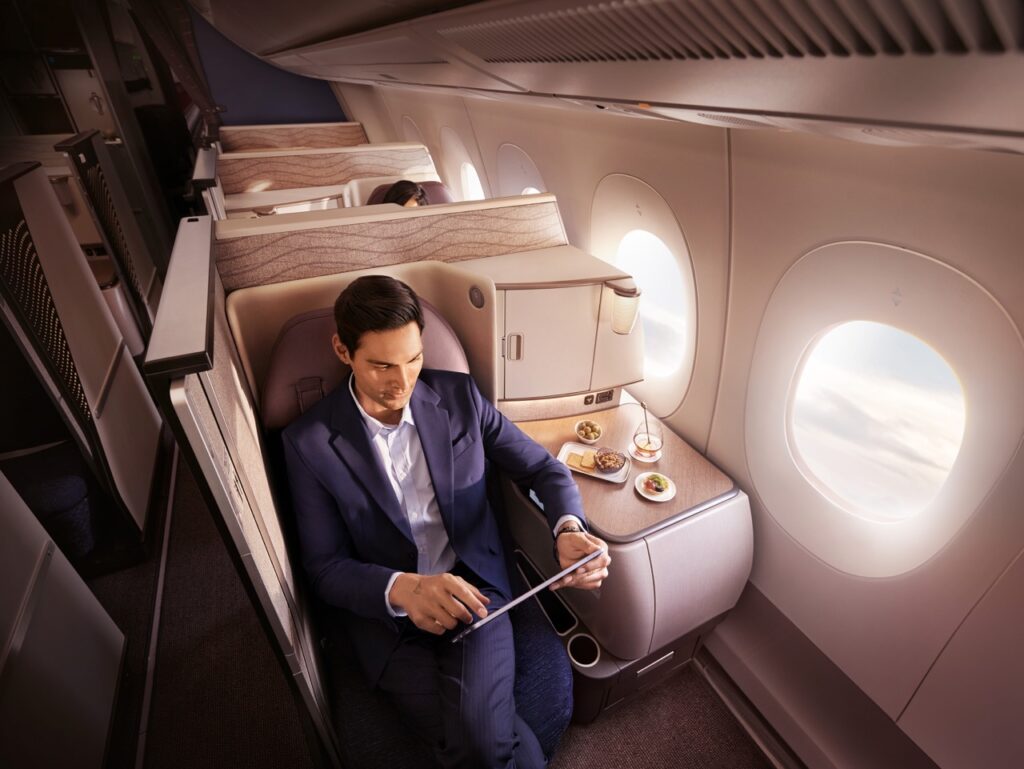
Wi-Fi internet connectivity services in the air are fast improving in India and will transform the passenger experience aboard domestic and international carriers. In-flight Wi-Fi on domestic and international routes will allow travellers to stay connected, browsing, accessing social media, catching up on work, or texting friends and family. The availability of seamless internet access on Wi-Fi-enabled devices at 35,000 feet is a technological feat and as the technology advances, the pace of adoption across Indian carriers is expected to increase. As per a report by Market & Markets, the In-flight Internet market was estimated at USD 1.6 billion in 2024 and projected to reach USD 2.1 billion by 2029, at a CAGR of 5.7% from 2024 to 2029. The report stated that modern passengers expect to stay constantly connected, including during flights. “This demand is driven by the need for business travellers to remain productive and leisure travellers to stay entertained and connected to social media,” it stated.
Inflight Wi-Fi is no longer a luxury and in today’s ever-connected world, travellers expect it, as they can stay seamlessly connected to their work and life while in flight. It will also improve airline efficiency as pilots can continue to have access to online manuals, etc and with continued access to those on the plane, on-ground operators will be able to accommodate any changes required for improved timing, fuelling, scheduling, and planning, well in time before the aircraft’s arrival.
Today it is easy to forget, but it was as recent as 2019, using in-flight Wi-Fi was a frustrating process, made worse by patchy coverage, slow download speeds, and costly paywalls. However, much of this is now a thing of the past and today the fastest Wi-Fi in the sky is Starlink Wi-Fi, which offers ultra-fast Wi-Fi speeds of up to 500 megabits per second, for video streaming, gaming, web browsing, etc.
Air India Gets Ahead
In a major milestone for domestic aviation, Air India became the first airline in the country this January, to offer in-flight Wi-Fi internet connectivity on flights within India. The carrier has rolled out Wi-Fi internet connectivity services on board domestic and international flights operated by its Airbus A350, Boeing 787-9 and on select Airbus A321neo aircraft. “Connectivity is now an integral part of modern travel. For some, it is about the convenience and comfort of real-time sharing, while for others, it is about greater productivity and efficiency. Whatever one’s purpose, we are confident that our guests will appreciate having the option of connecting to the web and enjoy the new Air India experience on board these aircraft,” said Rajesh Dogra, Chief Customer Experience Officer, Air India. In addition to Air India, several global carriers are now enhancing their in-flight Wi-Fi offerings.
Air India has stated that it will progressively roll out the service on other aircraft in its fleet over time. Air India’s deployment of Wi-Fi services on domestic routes follows an ongoing pilot programme on wherein Wi-Fi internet connectivity services in the air is available on its international services operated with Airbus A350, select Airbus A321 neo and Boeing B787-9s aircraft serving destinations including New York, London, Paris and Singapore. Wi-Fi-enabled devices such as laptops, tablets, and smartphones with iOS or Android operating systems, will be able to access the in-flight Wi-Fi when the aircraft is flying above 10,000 feet. The full-service carrier Vistara which is now part of Air India, was the first Indian carrier to offer complimentary Wi-Fi internet connectivity on board international flights, starting July 2024. The service was made available on Vistara’s international flights operating on Boeing 787-9 Dreamliner and Airbus A321neos.
Starlink Elevates In-Flight Wi-Fi
Passengers can now access uninterrupted connectivity from gate to gate, allowing them to stream shows, watch live sports, and game online, or work at 35,000 feet with the introduction of Starlink Wi-Fi. Engineered by SpaceX, it is the world’s first and largest satellite constellation using a low Earth orbit that provides passengers with reliable, high-speed internet. Over 55,000 flights have been completed on Starlink’s high-reliability Aero Terminal with flight-proven global coverage exceeding 110,000 hours. Over the course of these flights, these aircraft have travelled more than 55 million miles. As per the company, its optical space lasers transmit data throughout the Starlink constellation, providing continuous service in areas far from SpaceX ground stations – providing coverage for flights over the open ocean and in polar regions. Starlink’s constellation contains 9,000+ lasers transmitting 10Pb+ of daily data traffic and these lasers can sustain a 100Gbps connection per link, connect up to 3,300+ miles apart, and maintain a mesh network with 99.99% uptime.
Qatar Airways launched the world’s first Boeing 777 Starlink-equipped flight in October 2024, when it operated the aircraft from Doha to London. This February, Qatar Airways announced that it had equipped its 30th Boeing 777 aircraft with Starlink Wi-Fi. The carrier had earlier surpassed its initial 2024 target of 12 installations by upgrading 15 aircraft with Starlink connectivity. At present, more than 50% of its Boeing 777 fleet is capable of Starlink-enabled flight. “We are delivering on our commitment to provide our passengers with the best in-flight connectivity at an unprecedented pace. In just four months since launching the world’s first Boeing 777 Starlink-equipped flight, we have already installed this ground-breaking service on 30 aircraft—far exceeding our initial targets. This reflects the commendable efficiency and dedication of our team. Starlink Wi-Fi is a game-changer for our passengers who will soon enjoy uninterrupted connectivity on even more routes,” said Qatar Airways Group Chief Executive Officer, Engr. Badr Mohammed Al-Meer, while speaking at Web Summit Qatar 2025 in February.
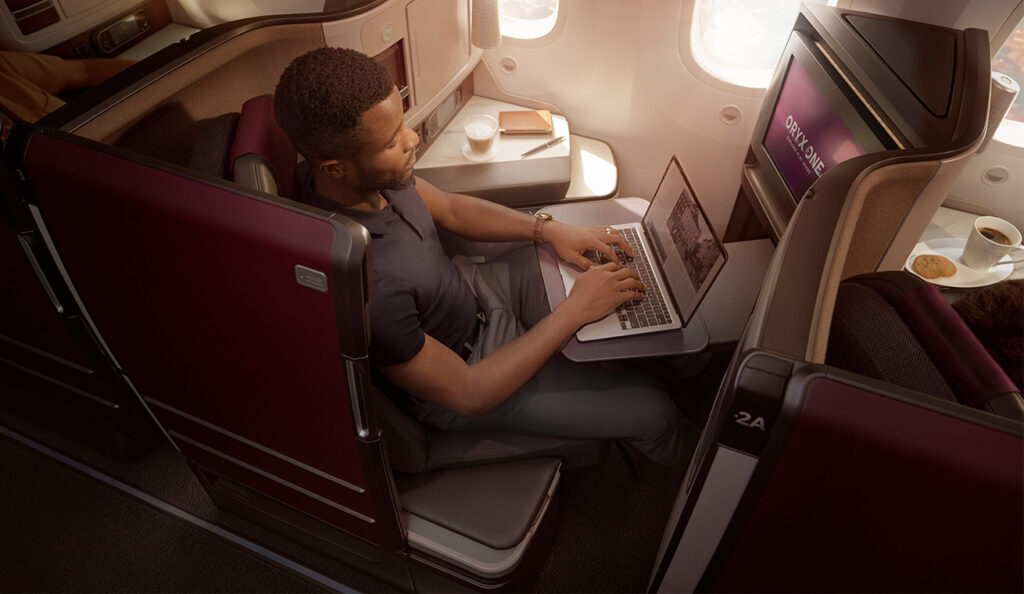
The airline now plans to complete the full Boeing 777 fleet rollout in the second quarter of 2025 and has significantly accelerated its Starlink rollout, cutting installation time per aircraft from 2-3 days to just 9.5 hours. This has reduced the retrofit timeline by nearly three-quarters of the original timeline. Qatar Airways is the largest and first carrier in the MENA region to offer passengers Starlink ultra-high-speed, low-latency internet free to all passengers.
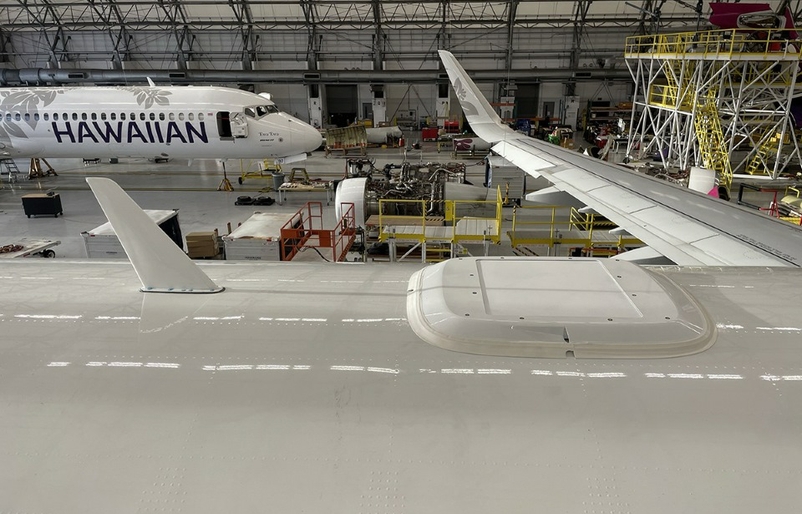
Hawaiian Airlines was the first major U.S. carrier to debut Starlink in February 2024 on its Airbus A321neo aircraft. The carrier has now completed Starlink installation across its 24 A330 fleet. “Starlink’s self-designed aviation terminal installed on Hawaiian’s aircraft allows each plane to receive strong, fast internet signals from the satellites orbiting above Earth,” said Will Seidel, director of Starlink engineering at SpaceX. “The terminal will seamlessly switch connections from satellite to satellite as planes cross the Pacific, providing an uninterrupted internet experience for passengers.” Hawaiian Airlines was the first major airline to announce an agreement with Starlink in April 2022. In September, last year, Hawaiian Airlines announced that it was now offering Starlink’s high-speed, low-latency Wi-Fi free of charge to guests onboard all Airbus-operated flights between the islands and the continental U.S, Asia and Oceania. Hawaiian is to also install Starlink on its Boeing 787-9 fleet, though the carrier has said it does not plan to deploy the service on its Boeing 717 aircraft, which it uses on short flights between the islands.
Delta Airlines Shows the Way
The popularity of Wi-Fi internet connectivity services with passengers is evident with the U.S. carrier Delta Airlines. The majority of Delta’s 200M+ annual customers, today have access to fast and free Wi-Fi and every month, the carrier is inducing more aircraft into service with fast, free Delta Sync Wi-Fi on domestic routes in the USA. The airline is also well underway with its expansion of Delta Sync Wi-Fi to its international routes.“Delta is constantly listening to our customers and evolving to meet their needs,” said Julieta McCurry, VP of In-Flight Entertainment and Connectivity. ‘We know they want an in-flight experience similar to what they have at home, including more ways to engage and stay entertained – which is why we’re excited to continue scaling Delta Sync products and bring even more to the experience soon, including expected collaborations with brands like YouTube and DraftKings.”
Delta Sync Wi-Fi is available on more than 880 aircraft in Delta’s fleet, which includes all Boeing 737 and B757 aircraft, all Airbus A321ceos, A321neo, A320, A319 and A223, as well as most A221 aircraft. “Work to expand free Wi-Fi into additional long-haul international routes is underway, but Delta is taking more time to test and enhance the service to ensure its customers get the best experience possible before bringing additional markets online with fast, reliable and free connectivity,” Delta states. On Delta’s regional routes, streaming-capable Hughes connectivity is on its way to the carrier’s fleet of more than 400 regional jets (as well as its Boeing 717 aircraft). Regional and 717 aircraft mods will begin shortly and continue through early 2026, with free Delta Sync Wi-Fi coming online with each aircraft update. Delta Sync seatback, the airline’s new, personalised in-flight entertainment experience is now installed on more than 330 of its aircraft today and the Delta leads the industry with more than 165,000 seatback screens across its global fleet.
Delta is making use of best-in-class technology in collaboration with Viasat and Hughes, both leading satellite internet service providers to make its complex connectivity revolution a reality. The Viasat technology delivers high-speed connectivity onboard Delta’s domestic mainline routes today (except the 74 aircraft in Delta’s Boeing 717 fleet) and is expanding onboard the airline’s international-serving widebody fleets. Hughes is bringing streaming-capable connectivity to Delta’s fleet of more than 400 regional jets as well as to the Boeing 717 fleet. The technology from both suppliers will replace Intelsat systems (formerly known as Gogo).
As per the carrier, two years of fast, free Wi-Fi on Delta has reinforced what it already knew to be true when it went “all-in” on free Wi-Fi and seatback screens: connectivity and entertainment are more valued than ever, with customers that are increasingly digital savvy and seeking personalised experiences. Over 3.5 million new SkyMiles Members have joined the program in two years, just through accessing Delta Sync Wi-Fi and as per the carrier, these new members are disproportionally younger than Delta’s average base members, by up to 5 – 7 years on average. Millennials and Gen Z now make up 60% of all Delta Sync Wi-Fi users.
Ready for Growth
Many of the leading global carriers are today progressively rolling out in-flight Wi-Fi services on their fleet, and Indian carriers which have global aspirations are no different. To be sure, this is needed as passengers expect to stay connected, browsing, accessing social media, catching up on work, or texting friends and family. It would be safe to say, that in the coming years the availability of uninterrupted internet experience for passengers, while in the air, will be a key factor in the customer experience and loyalty towards an airline. Air India is now leading the Indian carriers in terms of Wi-Fi internet connectivity services in the air and is in the ranks of global carriers, which are accelerating their offerings in this domain. The other Indian carriers are also expected to rapidly adopt in-flight Wi-Fi to enhance their passenger experience by offering seamless internet connectivity across various fleets and routes.