












- Accreditation places CSMIA among the world’s highest-rated Airports for Carbon Management: only 29 other airports globally, six in Asia-Pacific, and three in India have received this distinction besides CSMIA.
- Recognised for exemplary commitment to Net Zero carbon emissions.
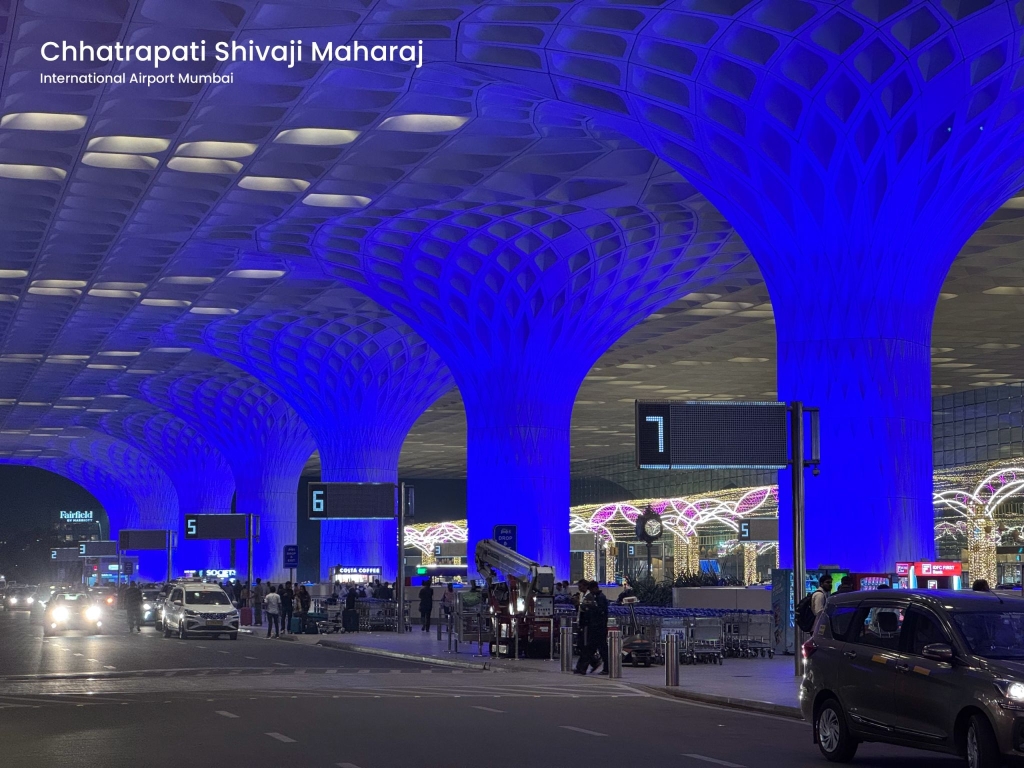
Chhatrapati Shivaji Maharaj International Airport (CSMIA), operated by Mumbai International Airport Limited (MIAL), has been awarded Level 5 accreditation under the Airport Carbon Accreditation programme – the highest recognition within the globally recognised framework. This achievement recognises that CSMIA has achieved operational net-zero emissions (Scope 1 & 2) and has a validated roadmap to achieve net-zero Scope 3 emissions by 2050.
This reflects CSMIA’s sustained, data-driven approach to carbon management, rooted in the principle of ‘Measure, Manage, Reduce and Communicate’, supported by a strong ESG policy framework and a cross-functional carbon management committee.
With this accreditation, CSMIA joins a select group of 30 airports worldwide, including seven in the Asia-Pacific region and four in India, that have demonstrated advanced decarbonisation maturity. The Airport Carbon Accreditation programme is the industry standard for the assessment of an airport’s efforts to manage and reduce carbon emissions, where Level 5 represents the highest standard.
Among other accreditations, CSMIA also is the first airport in India – and only the third worldwide – to achieve Level 5 Accreditation for Airport Customer Experience from Airports Council International (ACI).
Speaking on the achievement, MIAL Spokesperson said, “This accreditation places CSMIA among the world’s leading airports that is committed to ensuring sustainable aviation operations. CSMIA will continue its efforts to blend innovation with environmental responsibility, setting new benchmarks for the global aviation ecosystem. Sustainability is a long-term responsibility, and we are proud to be at the forefront of driving this shift within India’s aviation industry”.
Stefano Baronci, Director General of ACI Asia-Pacific & Middle East said:
“Chhatrapati Shivaji Maharaj International Airport has always demonstrated strong leadership in advancing environmental sustainability. Achieving Level 5 of the Airport Carbon Accreditation Programme reflects their sustained effort and collaboration with stakeholders to reduce emissions, and this accomplishment aligns perfectly with airport industry’s shared vision of achieving net zero goals by 2050. Airports in India continue to be at the forefront of environmental stewardship. With four Indian airports achieving ACA Level 5 accreditation, Asia-Pacific & Middle East region is the second in the world with a total of seven L5 accredited airports. We hope this milestone encourages other airports in the region to continue strengthening their environmental performance and contributing to a more sustainable aviation sector.”
The accreditation reflects MIAL’s sustained climate initiatives at CSMIA, supported by cross-functional governance, long-term investment in green technologies, and collaboration with aviation stakeholders. A cross functional carbon management committee at MIAL drives year-on-year emission reduction planning and performance tracking.
Reinforcing these efforts, MIAL introduced its ESG policy in June 2022 and revised it in May 2025, highlighting the effortto maintain over 90 percent reduction in Scope 1 and 2 emissions and attain Net Zero for Scope 3 through the adoption of green and efficient technologies. In FY 2025, the airport reported Scope 1 emissions of 566.3 tCO2e, Scope 2 emissions at zero, and Scope 3 at 5,158,197.
Progress Towards Net Zero
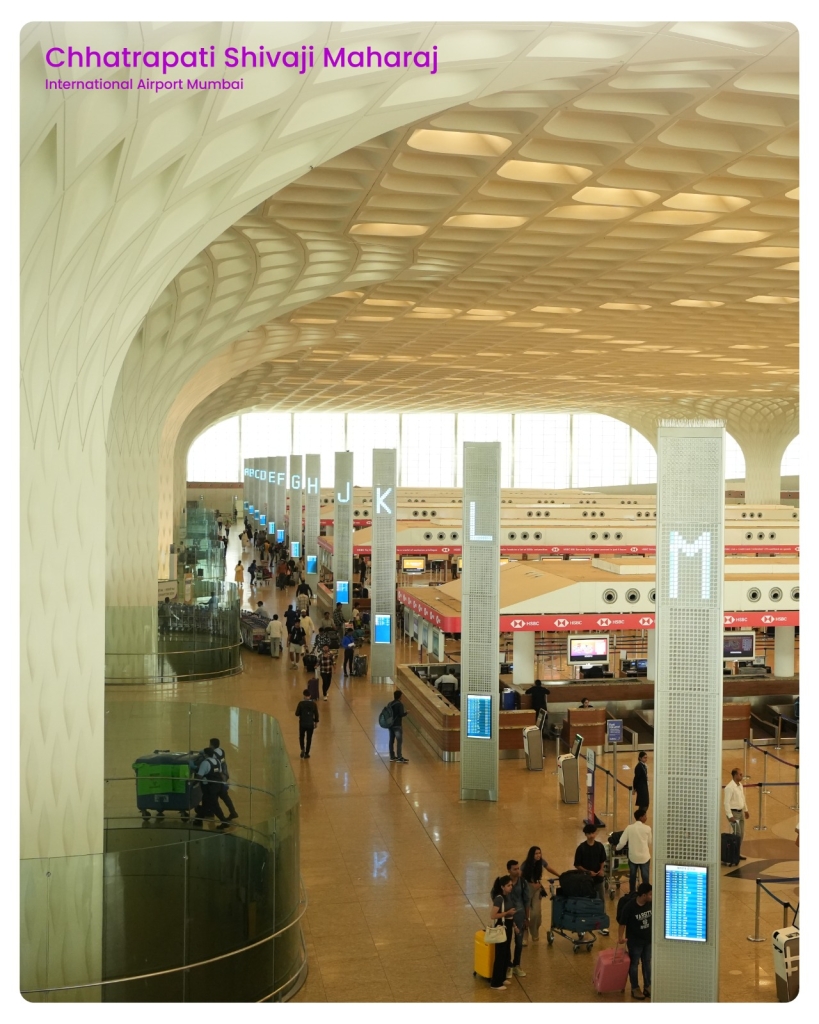
Mumbai International Airport Limited (MIAL) has already eliminated emissions from its own operations (Scope 1 & 2) and is now focused on reducing indirect Scope 3 emissions through structural, collaborative, and technology-driven interventions.
These measures have collectively led to a >98% reduction in absolute emissions in scope1 & 2 since FY2022, marking a decisive shift towards low-carbon airport operations.
MIAL has undertaken several transformative sustainability initiatives since FY2022, following its achievement of the prestigious ACA Level 4+ certification, including:
- 100 percent renewable electricity since August 2022.
- Over 40 per cent improvement in energy intensity (FY2025 vs FY2022) – through extensive upgrades such as converting belt-driven AHU fans to EC fans, transitioning entirely to LED lighting, and deploying advanced automation and high-efficiency inverter air-conditioning systems.
- Full transition to an electric airport vehicle fleet.
- Replacement of high-GWP refrigerants and CO₂-based fire systems with eco-friendly alternatives and fully decarbonised its ground fleet by converting all internal combustion engine vehicles to electric vehicles.
- Deployment of energy-efficient HVAC systems, LEDs, and automation tools.
- Strengthened carbon governance via updated ESG policy in May 2025.
MIAL’s climate strategy aligns with global reporting frameworks (GRI, ISO 14064-1:2018) and the UN Sustainable Development Goals, while prioritising sector transitions such as Sustainable Aviation Fuel (SAF) and a decarbonised airport ecosystem. The airport publishes annual sustainability reports to ensure transparent disclosures and performance benchmarking.
Sustainability remains central to MIAL’s vision, driving continuous innovation and responsible growth. By integrating global standards and aligning with the UN Sustainable Development Goals, CSMIA continues to shape a greener, more resilient future for the aviation industry.
Also Read: CSMIA sets new Operational Record with 1,036 Air Traffic Movements (ATMs) in a Single Day