





Customer confidence takes a hit, VIA campaign to suffer – What next for Air India?

- Air India’s crash has shattered traveller trust, slashing bookings and disrupting networks.
- Safety checks, delays, and crew lapses have deepened public concern over its VIA campaign.
- Recovery hinges on stronger safety measures, transparency, and restoring passenger trust.
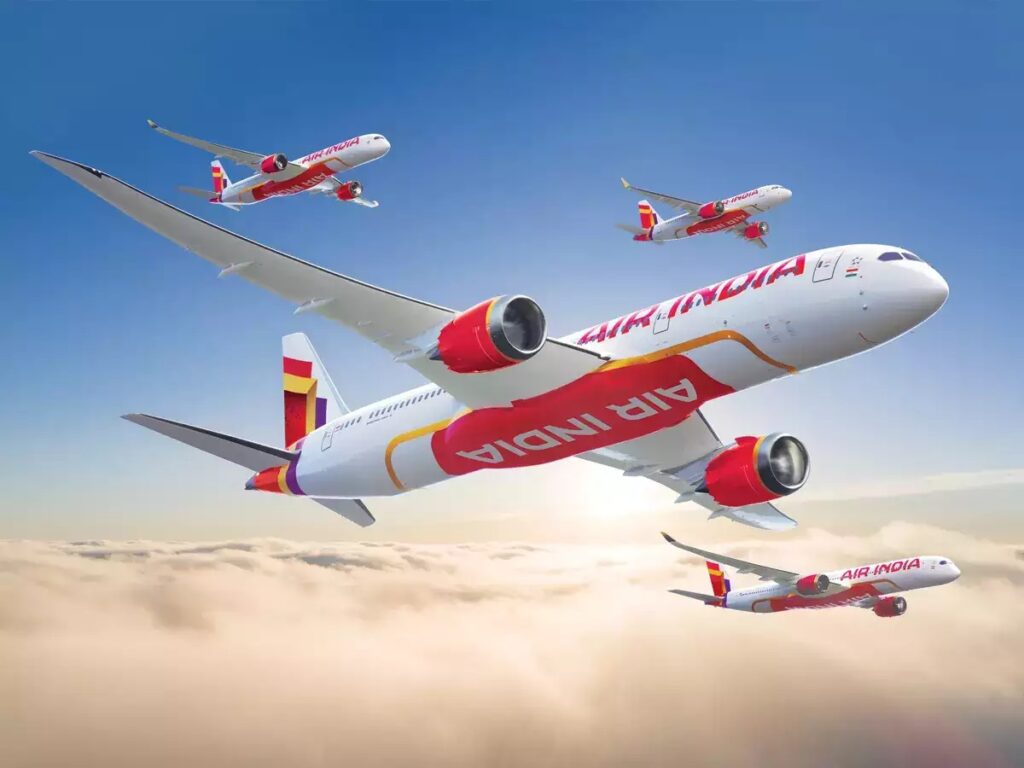
Air India’s June 12 crash of Flight AI171—a Boeing 787 Dreamliner that tragically plunged shortly after takeoff from Ahmedabad, claiming over 250 lives—has sent shockwaves through India’s aviation sector, triggering a sharp downturn in customer sentiment. The fallout has hit airfares, booking trends, airline operations, and broader public trust in the country’s carrier landscape.
The widely circulated 59-second CCTV footage of the plane’s fiery descent “has severely impacted mental health,” prompting spikes in insomnia, flight anxiety, and obsessive behaviour surrounding air travel, as an immediate impact, reported people on social media. However, there are things beyond this, which is specific to Air India.
Booking dipped, cancellations climbed
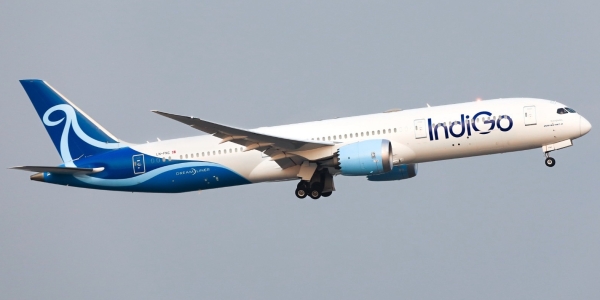
Tour operators and airlines say that this isn’t a minor blip. The Indian Association of Tour Operators reported a 15–20% drop in flight bookings immediately after the accident, with 30–40% of previously booked seats cancelled as per a Reuters report. Business travel—until recently a growth anchor—is now a casualty, as domestic tourists also scale back plans amid heightened fear. In fact, not only did Air India scale back 5% of its domestic network, but IndiGo has also scaled back its network, with domestic flights now below the 3,000 mark a day, a rarity for a market which was aiming at over 5 lakh passengers a day not that long ago.
Social media was full of queries on aircraft types while booking, and many even requesting OTA (Online Travel Agencies) to display or have the ability to sort by aircraft type.
“The crash has turned into a watershed moment—one that could reshape aviation culture in India.”
Operational pressure mounts
To assuage rising anxieties, the Directorate General of Civil Aviation (DGCA) mandated safety inspections of Air India’s entire Boeing 787 fleet and even expanded checks to include its Boeing 777s. The regulator has stated that nothing detrimental was found in these checks. However, the airline has cut its widebody schedule by 15% until mid-July and its domestic schedule by 5%. This puts in question its much famed VIA campaign, which it had launched with a rejigging of its European network.
Despite what regulators called a lack of “major safety concerns,” repeated flight delays, diversions due to checks, workforce issues (such as pilot rostering, fatigue breaches, and even a bomb scare), and reduced fleet capacity have exacerbated public unease, which will take time to attract passengers again.
Pressure is mounting not just on aircraft and crews, but on Air India’s leadership structure. Regulators have demanded the removal of employees after creepy crew rostering errors that forced pilots to exceed mandated flying hours—a warning sign that internal oversight was frayed before the crash.
Critics also questioned CEO Campbell Wilson’s sincerity after allegations surfaced that his condolence message mirrored one from American Airlines, sparking accusations of plagiarism.
“Regaining customer trust now depends on transparency, systemic safety improvements, and consistent messaging on the safety of flying.”
Path to recovery
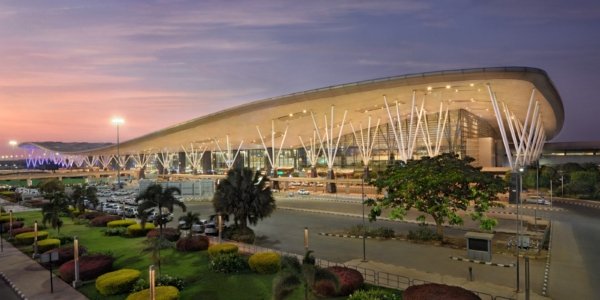
Regaining customer trust now depends on several key moves, and there lies the answer if the VIA campaign can come back, its impact being felt on Delhi Airport as well. There is a need for transparency and accountability with greater co-operation between agencies, systematic safety improvements with long-term programs and not just responses to situations.
There also needs to be consistent messaging on the safety and security of airline operations in India and reassurance to the traveller that it is safe to fly within India, Via India and on Air India.
Crashes have impacted the fate of many airlines worldwide, and the likes of Malaysians have taken many years to make a comeback, while many others have been quick to respond. Air India can draw a leaf from the playbook of equity partner Singapore Airlines, which has suffered catastrophic crashes in the past but has come out stronger each time.
The road ahead is thorny
Air India’s turnaround under the Tata Group—marked by new aircraft orders, redesigned interiors, and branding—now faces its sternest test yet. Bold leadership, rigorous safety upgrades, and open dialogue can begin to rebuild confidence.
The crash has turned into a watershed moment—one that could reshape aviation culture in India. The challenge now is to ensure that the “inflexion point” leads not to a fall, but to a future where passengers feel assured, airlines operate under unassailable safety standards, and flying anxiety is addressed head-on.