











- The 81st IATA AGM and WATS, hosted by IndiGo in New Delhi (June 1-3, 2025), will tackle global aviation challenges. Leaders will address recovery, technology, and geopolitical issues shaping the industry’s future.
- The summit will prioritise scaling Sustainable Aviation Fuel and certifying hydrogen aircraft to meet the 2050 net-zero pledge. Carbon pricing debates will spark discussions on balancing global and developing nations’ needs.
- Discussions will push for universal biometric boarding, AI-driven operations, and blockchain for baggage handling, alongside safety reforms for drone threats, pilot mental health, and conflict zone airspace management.

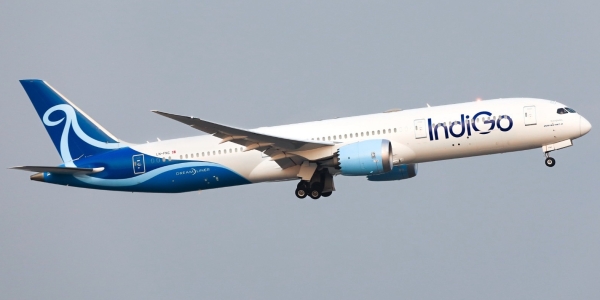
The aviation world is turning its gaze toward New Delhi, where the 81st International Air Transport Association (IATA) Annual General Meeting (AGM) and World Air Transport Summit (WATS) will unfold this summer. In a historic return after more than four decades, IATA is set to convene its AGM and WATS in the country’s capital from June 1 to 3, 2025. Hosted by IndiGo, this event marks the third time the AGM will be held in Delhi, following previous gatherings in 1958 and 1983.
The stakes have never been higher. Airlines are navigating a complex landscape of post-pandemic recovery, sustainability mandates, technological disruption, and geopolitical uncertainties. Against this backdrop, the 2025 AGM is expected to be a crucible for bold decisions that will define the trajectory of global aviation for years to come.
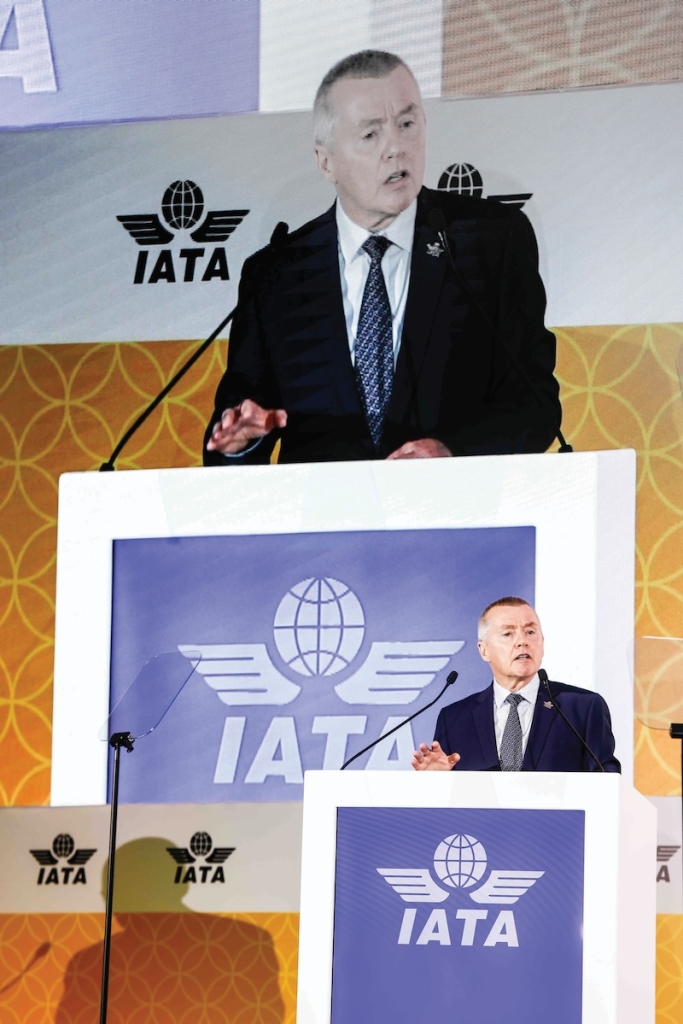
India’s selection as the host shows that the country is no longer just an emerging market—it is the market. With record-breaking aircraft orders and significant infrastructure developments, the country is on a trajectory to become the world’s third-largest aviation market within this decade. Willie Walsh, IATA’s Director General, highlighted India’s impressive growth, noting that the nation’s aviation sector has transformed dramatically over the past decade.
The country has firmly established itself as the world’s most dynamic air travel market, with passenger numbers soaring past 150 million in 2024 and projections confidently placing the nation as the third-largest aviation market globally by 2026. This explosive growth trajectory makes India’s capital the perfect stage for aviation’s most important gathering, offering global leaders firsthand exposure to what may well be the industry’s most compelling success story of the decade.
While the official agenda is still being fine-tuned, industry watchers suggest that a few critical themes are emerging that will dominate the conference halls and private meeting rooms of the Indian capital.
The climate crisis looms largest over all conversations, with aviation’s 2050 net-zero pledge transitioning from distant aspiration to urgent imperative. The stark reality that Sustainable Aviation Fuel (SAF) still accounts for less than one per cent of global jet fuel consumption hangs heavy over proceedings, forcing uncomfortable questions about scaling production fast enough. All eyes will be on whether India, with its vast agricultural resources and refining capacity, can emerge as the game-changing SAF supplier the industry desperately needs. Meanwhile, the race to certify hydrogen-powered aircraft enters a crucial phase, with manufacturers like Airbus and ZeroAvia potentially making landmark announcements in Delhi about commercial timelines. The always-contentious debate around carbon pricing promises particularly fiery exchanges, as developing nations resist attempts to impose uniform global taxation that could disadvantage their emerging aviation markets.
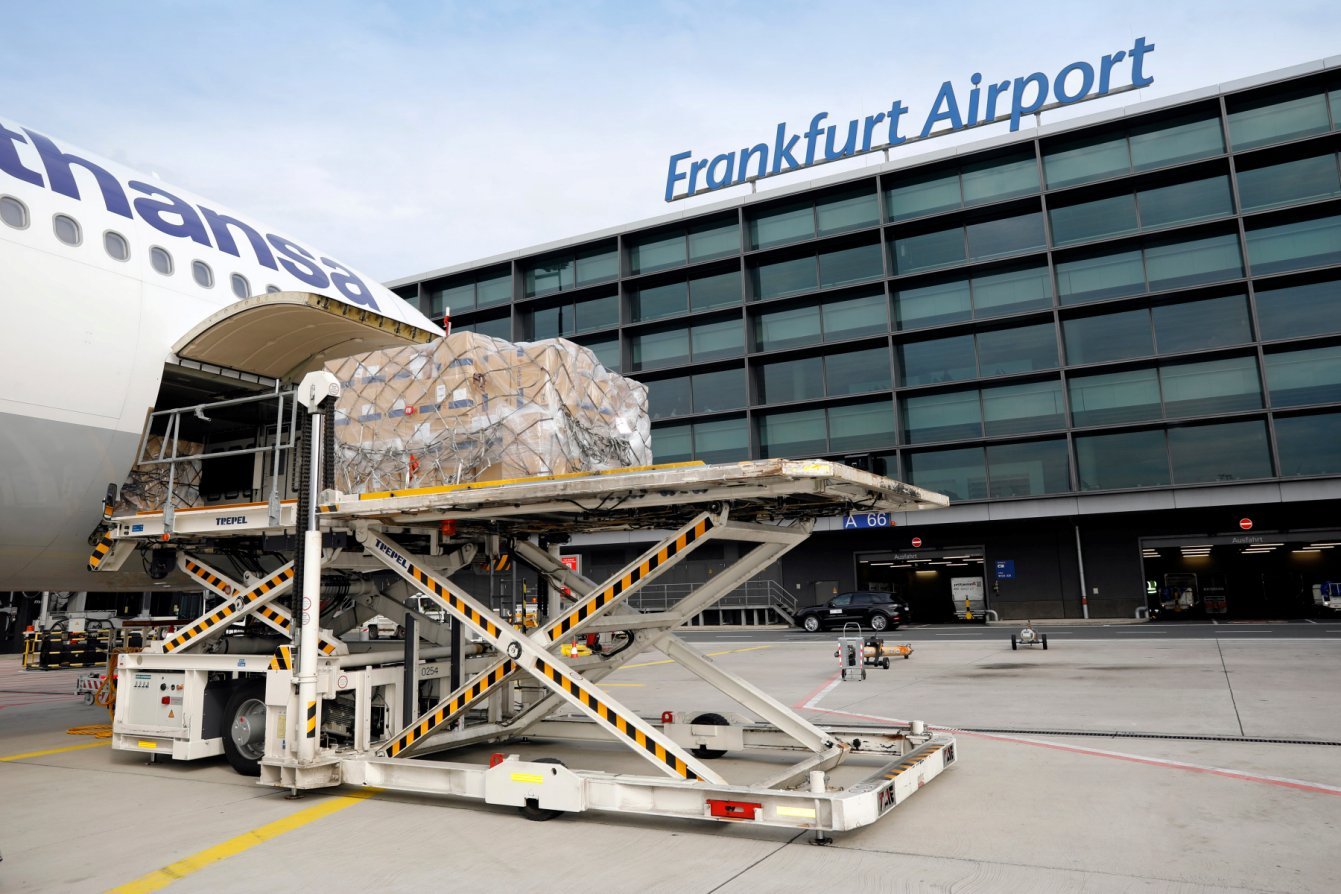
Digital transformation forms the second pillar of discussion, with biometric identification and artificial intelligence poised to complete their takeover of the passenger experience. The success of facial recognition trials in Dubai and Singapore has set the stage for what could be a historic push toward universal biometric boarding by 2030. Yet beneath the shiny promises of seamless travel lurk serious concerns about AI’s double-edged nature – while predictive algorithms may prevent operational disruptions, over-reliance on automation risks catastrophic system failures when technology falters. The baggage handling revolution, powered by blockchain’s immutable ledgers following Lufthansa’s successful trials, represents another digital frontier that could finally solve the eternal problem of lost luggage.
Safety concerns have taken on new urgency after a troubling year of near-misses and runway incursions across global airspace. The drone threat continues to evolve faster than regulations can keep pace, demanding urgent progress on unified traffic management systems. Pilot wellbeing moves from peripheral concern to centre stage following several high-profile incidents linked to fatigue, forcing a long-overdue reckoning with crew mental health. Perhaps most geopolitically charged will be discussions around conflict zone airspace management, as the industry seeks real-time risk assessment protocols that could prevent another MH17 tragedy.
The tension between airline profitability and passenger rights promises explosive debates as carriers post record revenues while travellers endure skyrocketing fares and service breakdowns. The ethics of AI-driven dynamic pricing face particular scrutiny, with consumer advocates demanding guardrails against algorithmic price gouging. The global patchwork of passenger compensation schemes may finally face harmonisation, though carriers will fiercely resist EU-style regulations going worldwide. Meanwhile, the worsening pilot shortage threatens to ground the industry’s growth ambitions unless immediate solutions emerge for rapidly expanding training pipelines.
India’s aviation paradox will receive intense examination – a market experiencing explosive growth while wrestling with carrier bankruptcies, exorbitant fuel taxes, and chronic infrastructure delays. The collapse of Go First and SpiceJet’s ongoing struggles raise difficult questions about market consolidation, while the decades-long saga of Navi Mumbai’s perpetually delayed airport serves as a cautionary tale about implementation challenges. Most critically, the stubbornly high cost of jet fuel in India, 30-40 per cent above neighbouring hubs, threatens to undermine the country’s aviation ambitions unless addressed.
As delegates prepare to descend on Delhi, what emerges is not just a conference agenda but a roadmap for an industry at a crossroads. The discussions here may well determine whether commercial aviation can reinvent itself for a new era of sustainable growth or remain trapped in outdated paradigms. With so much at stake, the 2025 IATA AGM could become one of the most consequential gatherings in aviation history.
The spotlight will inevitably turn to India’s complex aviation landscape – a paradoxical mix of explosive growth and persistent structural challenges. While the country basks in its newfound status as the world’s fastest-growing major aviation market, several homegrown issues threaten to ground its lofty ambitions unless addressed with political will and policy clarity.
The spectre of airline consolidation looms largest, with the collapse of Go First and SpiceJet’s prolonged financial turbulence exposing the fragility of India’s carrier ecosystem. These developments raise uncomfortable questions about whether the government will intervene to facilitate mergers or extend bailouts – decisions that could redefine competitive dynamics in a market where IndiGo currently commands an overwhelming 60 per cent share. The debate touches raw nerves about market forces versus strategic intervention in an industry deemed vital to India’s economic aspirations.
Perhaps no issue draws more unanimous frustration than India’s punishing aviation fuel taxes, which keep jet fuel prices 30-40 per cent higher than in competing hubs like Dubai and Singapore. This fiscal handicap not only erodes the competitiveness of Indian carriers but also limits the country’s potential as a transit hub. Industry watchers will scrutinise whether the high-profile AGM platform can generate sufficient pressure for tax reforms, especially as neighbouring countries aggressively court airlines with fuel tax incentives.
This year’s summit represents far more than a routine annual meeting – it has become a referendum on commercial aviation’s ability to reinvent itself for a new era of sustainable growth and technological transformation. The challenges are immense and interconnected: airlines must somehow reconcile the urgent need for profitability with ambitious decarbonisation targets, integrate cutting-edge technologies while maintaining ironclad safety standards, and pursue aggressive expansion without further eroding passenger trust that has been frayed by years of operational chaos and pricing controversies.
The potential for historic breakthroughs is palpable. Should the AGM succeed in establishing concrete global agreements on Sustainable Aviation Fuel production and distribution, finalise universal standards for biometric travel, and implement meaningful safety reforms, 2025 could be remembered as the year aviation finally aligned itself with 21st-century realities. The ingredients for such success are all present – technological solutions have matured, consumer demand has rebounded, and political will appears stronger than ever. Yet the risks of failure are equally significant. Another year of vague commitments and watered-down resolutions would deepen scepticism about the industry’s ability to self-regulate, potentially inviting more onerous government interventions while falling further behind in the race against climate change.
One thing is certain: New Delhi will be more than just a host city. It will be where the future of the aviation business over the next decade will be mapped out.