













Table of contents
DHC-6 Twin Otter Classic 300-G
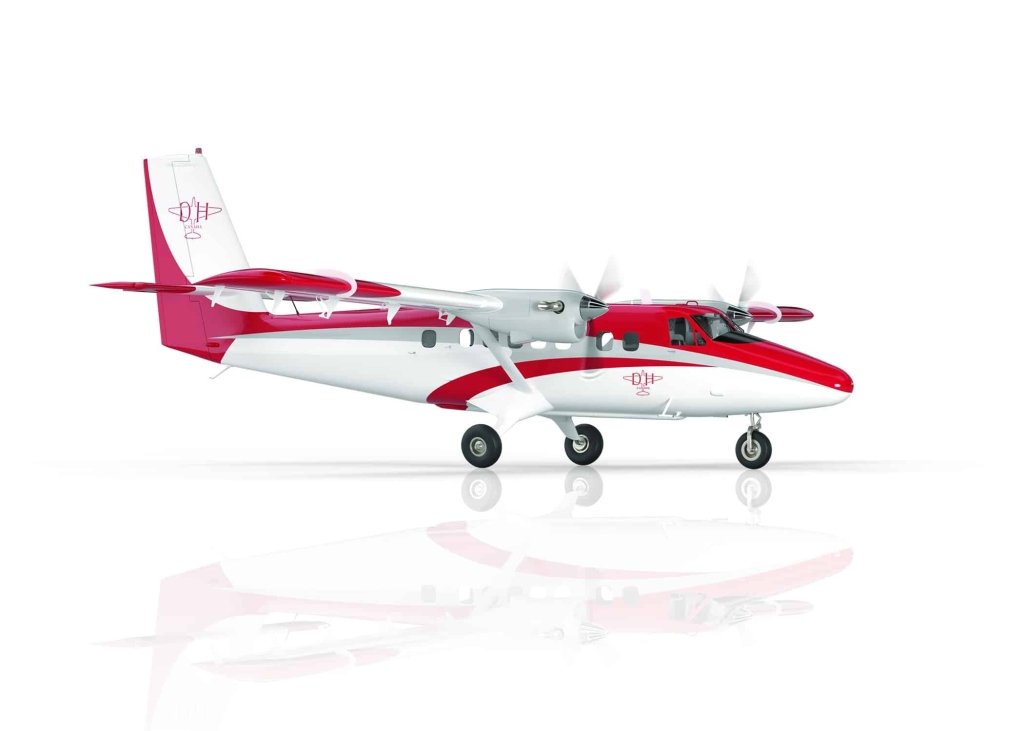
The De Havilland DHC-6 Twin Otter Classic 300-G is a rugged, high-performance utility aircraft designed for a diverse range of aviation applications. As a modernised version of the original Twin Otter, the 300-G retains its reputation for reliability, versatility, and adaptability in challenging environments. It has become a favourite among operators in remote regions, thanks to its Short Take-off and Landing (STOL) capabilities, robust construction, and ability to operate from unpaved or improvised runways.
First introduced in the 1960s, the Twin Otter series has evolved to meet contemporary operational needs. The 300-G variant integrates advanced features, enhancing its efficiency and capability while maintaining the proven design that has made the aircraft an industry staple. It is widely used for commuter flights, cargo transport, medevac missions, and even military operations, often serving regions with limited infrastructure.
Cabin and Payload Capacity
The Twin Otter 300-G is designed to accommodate both passengers and cargo, offering flexible configurations. The cabin can be arranged for up to 19 passengers in an economy layout or customised for mixed-use operations, such as combining passenger seating with cargo storage. Its spacious cabin and wide doors make loading and unloading easy, even in remote locations.
Operators appreciate the adaptability of the cabin, which can be reconfigured quickly for different missions, such as carrying medical equipment or oversized cargo. For passenger comfort, the aircraft offers basic but practical features, focusing on functionality over luxury to meet the demands of rugged operations.
Technology (Engine and Avionics)
The aircraft is powered by two Pratt & Whitney PT6A-27 turboprop engines, each producing 620 shaft horsepower. This power, combined with its STOL capabilities, allows the aircraft to take off and land on runways as short as 1,200 feet (366 meters). Its robust landing gear and airframe enable operations on gravel, grass, snow, or even water when equipped with floats.
The aircraft incorporates updated avionics and systems for improved safety and operational efficiency. Its modern flight deck is equipped with features such as GPS-based navigation, digital autopilot systems, and terrain awareness tools, allowing pilots to operate confidently in challenging environments, including mountainous regions and remote areas with unpredictable weather.
The aircraft supports a variety of navigation systems, including Area Navigation (RNAV), which improves route flexibility. Its avionics also include integrated systems for better situational awareness and enhanced communication, vital for operations in isolated areas where ground-based support may be minimal.
Performance
With a maximum cruise speed of approximately 182 knots (337 km/h) and a range of up to 775 nautical miles (1,435 km), the 300-G is ideal for regional and remote area operations. It can carry a payload of up to 3,500 pounds (1,588 kilograms), making it an excellent choice for operators needing to transport goods or people in areas where larger aircraft cannot operate.
The DHC-6 Twin Otter Classic 300-G is a true utility aircraft, capable of excelling in a variety of roles. In regional aviation, it serves as a lifeline for remote communities, providing reliable commuter services in areas where larger aircraft are impractical. Its ability to operate from unpaved runways allows it to connect remote locations with essential resources and services.
In cargo transport, the Twin Otter’s versatility shines. Its capacity to carry heavy and oversized loads, combined with its STOL performance, makes it indispensable for logistics in challenging regions. The aircraft is often employed for delivering medical supplies, food, and other essentials to areas affected by natural disasters or conflicts.
The aircraft’s capabilities are also critical in emergency services. For medevac operations, it provides quick and reliable medical transport, often in conditions where helicopters or ground vehicles cannot reach. The spacious cabin can be fitted with medical equipment, enabling it to act as a flying ambulance.
In military and surveillance applications, the Twin Otter is valued for its adaptability and rugged design. Armed forces around the world use it for troop transport, reconnaissance, and supply missions. Its ability to operate in harsh climates and from improvised airstrips makes it a key asset for tactical operations.
Additionally, the Twin Otter has a strong presence in tourism. Operators in adventure travel rely on its ability to access remote locations, such as secluded islands or mountainous regions, where it serves as a gateway to some of the world’s most stunning but hard-to-reach destinations.
Specifications
| Category | Details |
|---|---|
| Length | 51 ft 9 in (15.77 m) |
| Wingspan | 65 ft (19.81 m) |
| Height | 19 ft 6 in (5.94 m) |
| Engines | 2 × Pratt & Whitney PT6A-27 |
| Maximum Cruise Speed | 182 ktas (337 km/h) |
| Range | 775 nm (1,435 km) |
| Take-off Distance (STOL) | 1,200 ft (366 m) |
| Maximum Payload | 3,500 lb (1,588 kg) |
| Passenger Capacity | Up to 19 |
Global Footprint and Impact
The aircraft has an enduring global presence, with operators in over 60 countries relying on its versatility and dependability. From connecting remote communities in Canada’s Arctic to serving as a primary mode of transportation in the Maldives’ extensive island network, the aircraft has become synonymous with accessibility in aviation.
Its continued production by De Havilland ensures that operators benefit from ongoing technical support, spare parts availability, and customisation options, which further extend the aircraft’s lifespan and operational value. With more than 900 Twin Otters delivered to date, the platform remains one of the most widely used STOL aircraft in the world.
Takeaways
The De Havilland DHC-6 Twin Otter Classic 300-G is a modern update to a legendary aircraft, balancing advanced technology with time-tested engineering. Its ability to perform in extreme conditions, coupled with its adaptability for a wide range of missions, cements its status as a cornerstone of utility aviation. Its ability to operate in extreme conditions—from the icy expanses of Antarctica to remote island chains in the Pacific—demonstrates its unmatched versatility.
The 300-G has a growing demand in sectors such as regional commuter transport, cargo logistics, and humanitarian relief operations. Whether supporting disaster relief efforts, connecting isolated communities, or enabling adventurous exploration, the Classic 300-G continues to embody the rugged spirit and reliability that the Twin Otter series is known for. Whether ferrying passengers to isolated islands or delivering vital supplies to mountainous regions, the 300-G has cemented its place as a critical asset in global aviation. Its fuel efficiency, coupled with a durable design, ensures lower operating costs, making it a reliable and economical choice for commercial and governmental operators alike.