





Dubai Airshow 2025 Day 2: Airbus Dominates Orders as India Shines and Global Rivalries Accelerate

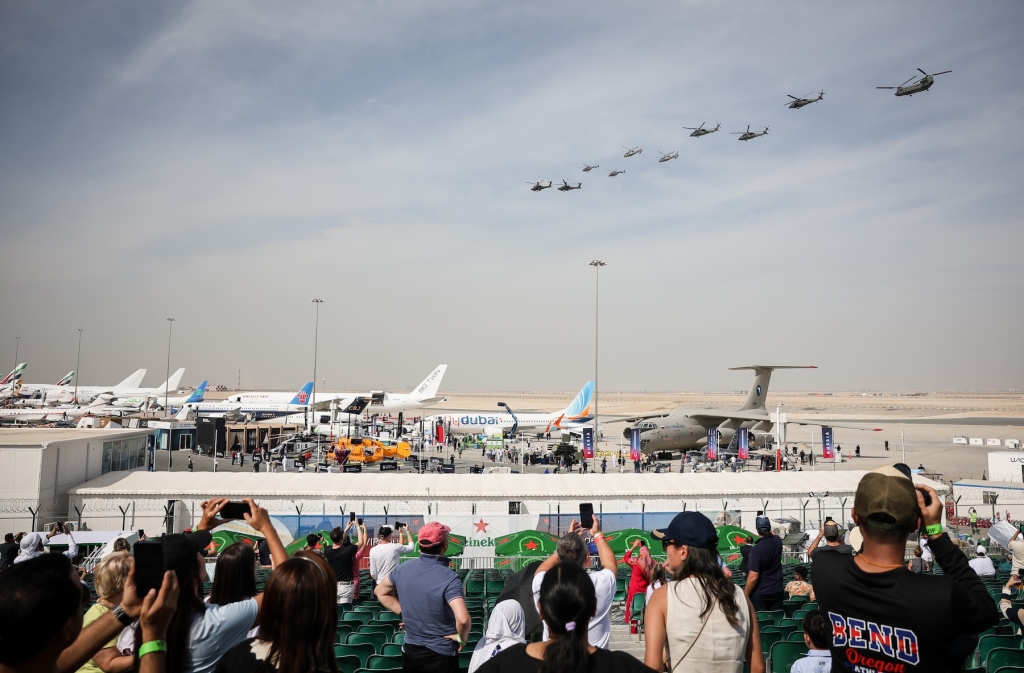
Day Two of the Dubai Airshow 2025 unfolded with the confidence and choreography of a global aviation industry that is accelerating into its next growth phase. If Day One set the tone, Day Two delivered the tempo: mega-aircraft orders overwhelmingly dominated by Airbus, a burst of new technology in advanced air mobility, and eye-catching flying displays, including standout performances by India’s LCA Tejas and Surya Kiran Aerobatic Team, defined a day that was as commercially consequential as it was visually spectacular.
For Indian aviation followers, the balance of the day leaned firmly toward commercial aviation, innovation, and the shifting centre of gravity in the global aircraft landscape.
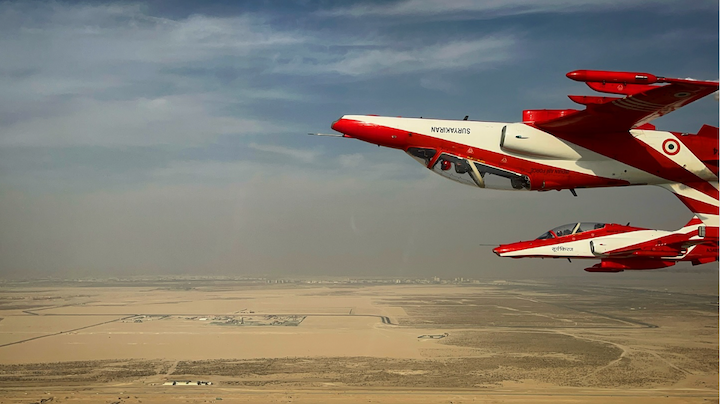
While military hardware took a back seat in the commercial narrative of the day, India scripted one of its most visible moments of the 2025 edition.
The Light Combat Aircraft Tejas, already familiar to international airshow audiences, impressed once again with tight turns, vertical climbs and high-energy aerobatics.
But it was the Surya Kiran Aerobatic Team that became the emotional centrepiece of the day’s flying programme. Performing seven-aircraft formations (instead of nine) in their signature red-and-white Hawks, the team earned applause from packed visitor stands and generated strong social buzz across the region.
Their performance highlighted India’s increasing soft power in aviation diplomacy — a reminder that India’s aviation influence now extends as much through innovation and commercial ambition as through military demonstration.
If there was a single headline on Day Two, it belonged to the over $30 billion in commercial aircraft commitments that further repositioned future fleet strategies in the Gulf, Africa, and beyond, with Airbus securing the vast majority of new business.
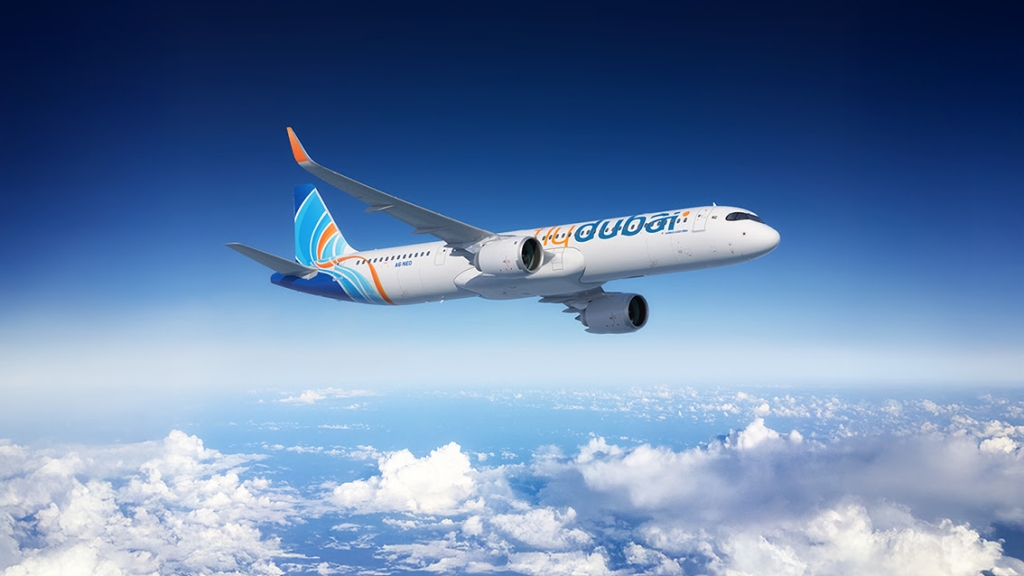
The biggest strategic shift came from flydubai, which placed its first-ever Airbus order — a blockbuster deal for 150 A321neo aircraft, with options for another 100, valued at an estimated $24 billion.
For an airline whose identity has been tied to Boeing narrowbodies since inception, the move signalled a new chapter in Dubai’s capacity planning. The A321neo’s range and payload make it a strategic fit as flydubai prepares for massive growth at Dubai World Central and aims to strengthen high-density routes where its 737 MAX fleet is already stretched.
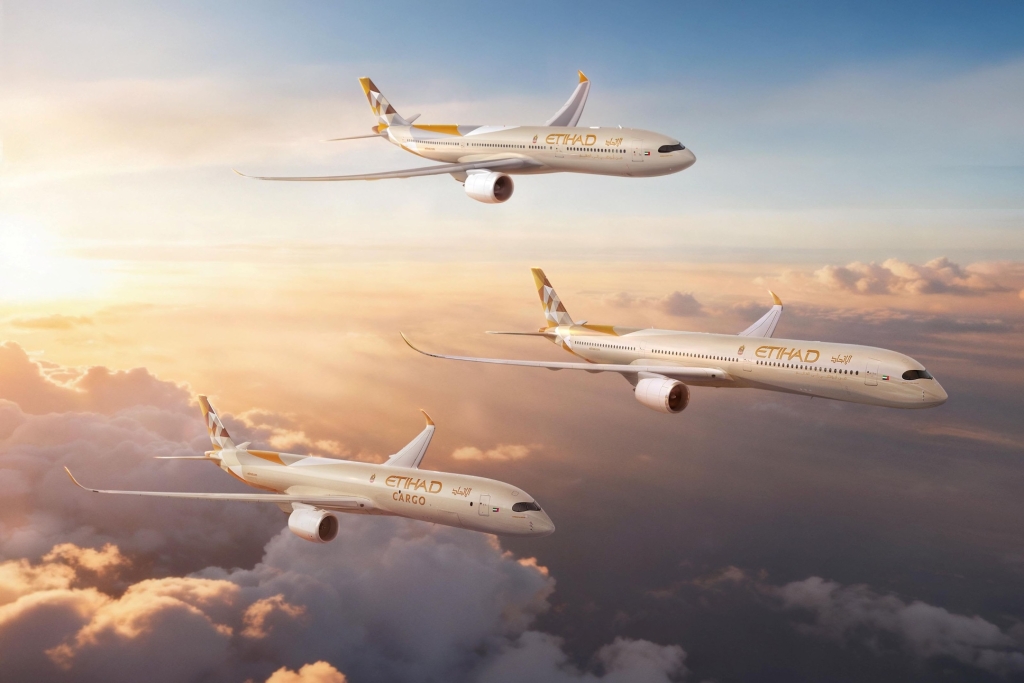
Next door, Abu Dhabi-based Etihad Airways placed one of the day’s most structurally important orders, committing to six A330-900s, seven additional A350-1000s, and three A350F freighters, supplemented by nine leased A330neos from Avolon. This commitment pushed Etihad’s projected fleet size to over 200 aircraft by 2030, up from its earlier target of 170. Additionally, Spanish carrier Air Europa signed an MoU for up to 40 A350-900s, further underscoring the strong shift toward Airbus widebodies.
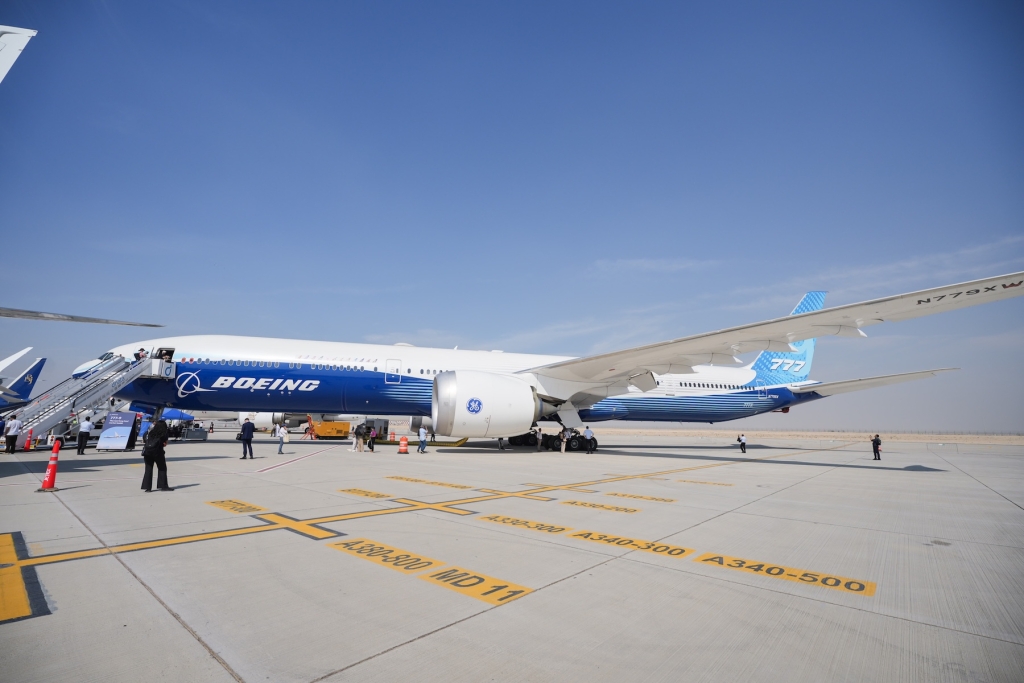
With passenger and cargo demand surging, Etihad’s pivot toward dual-family Airbus widebodies strengthened its long-haul presence while safeguarding delivery slots that are rapidly tightening worldwide.
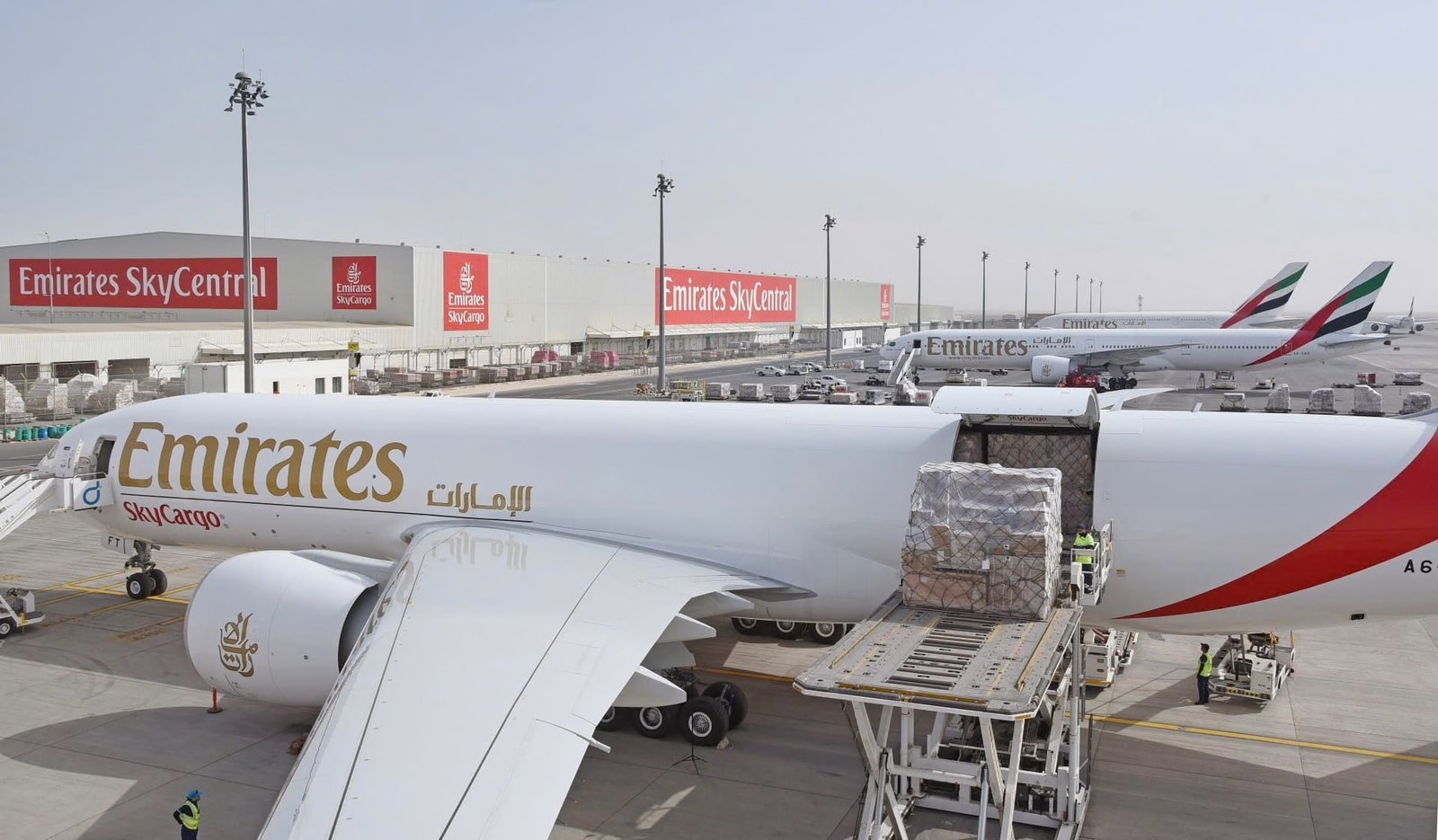
After Day One’s headline order for 65 additional Boeing 777-9s (valued at approximately $38 billion), Emirates President Sir Tim Clark reiterated the airline’s unwavering confidence in Boeing’s next-generation flagship.
While downplaying any near-term interest in the Airbus A350-1000, he called the A350-900 “a peach of an aircraft” and indicated it may see further Emirates orders in the future.
On the military and rotary side, Airbus Helicopters secured a significant regional commitment. The Kingdom of Morocco contracted the manufacturer to deliver ten H225M medium-lift helicopters for combat search-and-rescue (SAR) operations. This order will replace their ageing fleet of Puma helicopters, which have been in service for more than 40 years.
Other key commercial announcements on the day included Ethiopian Airlines showing its commitment to six more Airbus A350-900s; Gulf Air finalising a previously announced firm order for 15 Boeing 787 Dreamliners with options for three more, bringing its total 787 orders to 17; FlySafair leasing five Boeing 737s from AerCap (three 737 MAX 8s and two 737-800 NGs); and, Bristow Group ordering to up to five Airbus H160s for African offshore work.
One of the most-watched moments of the day was China’s COMAC C919 making its first Middle East appearance — a debut loaded with symbolism and strategy. Two aircraft were flown into Dubai, including a China Southern example with a bespoke “oriental elegance” cabin that saw long queues of visitors waiting to step inside. With more than 2 million passengers flown since entering service and 26 aircraft delivered, COMAC is signalling an intention to present a serious alternative to Airbus and Boeing.
For India’s aviation ecosystem, the C919 poses questions: Could COMAC eventually court Indian carriers? Will India, trying to build future aircraft development capabilities, find partnership models worth exploring?
Alongside the deals, focus was on innovation. Industry buzz remained strongest inside the Advanced Air Mobility (AAM) Pavilion. While Joby Aviation was the first eVTOL manufacturer to participate in Dubai’s flying display on the first day, Day Two saw the manufacturer announce the development of three new vertiport sites in Dubai and complete the UAE’s first crewed eVTOL point-to-point flight, signaling major operational progress.
Also, sustainable aviation remained a visible theme. Dubai showcased electric ground vehicles, even as a number of pavilions highlighted SAF production commitments, and exhibitors emphasized net-zero roadmaps — a space where India is also accelerating through its SAF policy momentum and iDEX-backed innovation.
India’s presence here was no footnote: 15 iDEX winners and 19 Indian companies exhibited technologies spanning materials, avionics, maintenance solutions and advanced defence systems.
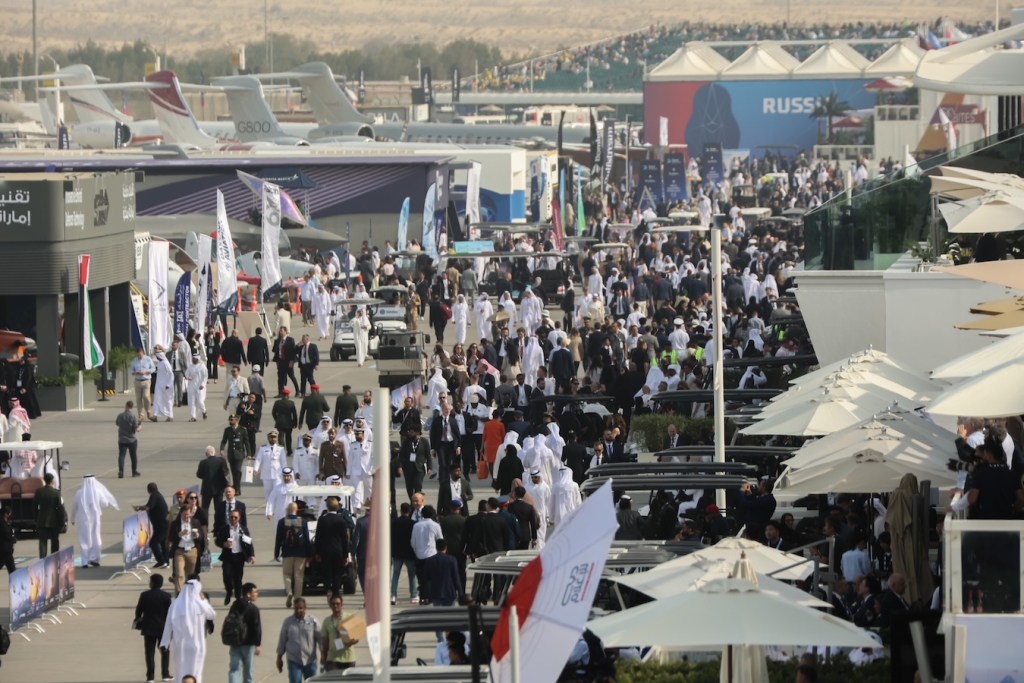
With more than 1,500 exhibitors, over 200 aircraft, and record global participation, Day Two of the Dubai Airshow 2025 affirmed Dubai’s status as the bellwether of commercial aviation. The day offered three clear takeaways for Indian aviation stakeholders:
- The Gulf market is doubling down on fleet expansion, with Airbus seizing the commercial lead, creating opportunities for India’s airlines, airports and MRO sector.
- Urban air mobility is transitioning from concept to commercial pathway, a space where India must move fast to stay competitive.
- Global aircraft competition is shifting, with China’s COMAC now visibly staking its claim.
Day Two didn’t just showcase aircraft; it showcased the future. And India, both in the skies and on the ground, was very much part of it.