











Durable runway and highway construction can be achieved by promoting advanced solutions like Performance Grade (PG) binders and leveraging NABL-accredited laboratories to design pavement that can withstand the challenges of aggressive climatic conditions and heavy traffic loads. This ensures long-lasting, climate-adaptable, ESG-compliant, and sustainable infrastructure while advocating for policy changes and innovation. In this interaction with Subhendu Kundu, General Manager of Marketing & Branding of Hindustan Colas, these pressing issues and forward-looking solutions are discussed in detail.
Can you tell us about your company and the segment you cater to?
HINCOL is a 50:50 JV of HPCL and Colas SA of France. Colas, a French multinational, specialises in mobility solutions and has constructed numerous runways across the World and operates in 71 countries.
Hindustan Colas was established on July 21, 1995, making the JV nearly 30 years old. It is recognised as one of HPCL’s most successful joint ventures in India.
Hindustan Colas operates 10 plants across the country and manages two bulk bitumen storage terminals, one on the East Coast at Haldia and other one at the West Coast at Mangalore. Hincol manufactures modified bitumen, which is used in runways and highways for surfacing.
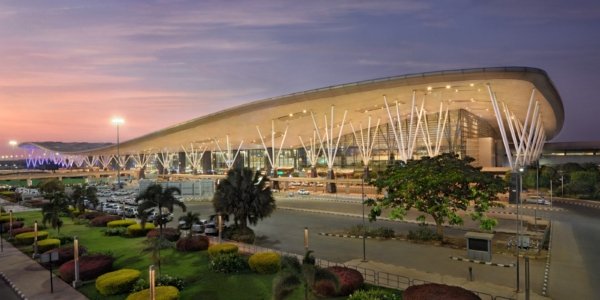
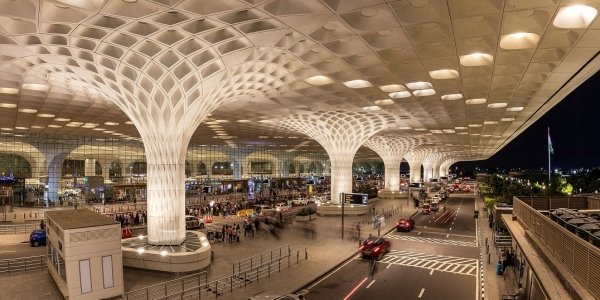
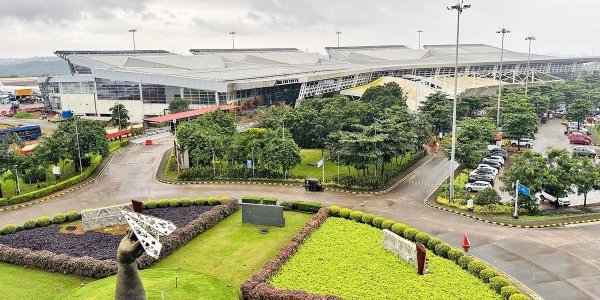
Currently, Hincol holds approximately 67% of the market share in Bitumen Emulsion and 80% in PMB supplies across all projects in India. Most major runways in the country, such as Navi Mumbai, Vizag (Bogapuram) (ongoing), and the upcoming Guwahati runway, are being built using our Polymer Modified Binders.
Does this joint venture cater exclusively to the aviation sector, or does it serve other sectors as well?
Hincol serves the aviation and highway sectors, including rural roads. It supplies materials for all kinds of roads and also exports to neighbouring countries like Bangladesh, Nepal, Bhutan, Sri Lanka, Maldives, and parts of Africa.
Runways require a more specialised binder to handle the heavy loads of frequent aircraft landings. Bitumen, being a viscoelastic product, lacks sufficient elastic properties in its natural state, thus making the straight-run Bitumen VG 30 or VG 40 unsuitable to handle such heavy loads, specifically in high and Low climatic conditions.
To address this, Hindustan Colas enhances the elastic properties of bitumen by adding SBS polymers and bonding the long chain carbon compounds with sulphur, making bitumen act as elastic material at High and Low temperatures, which otherwise would have been viscous at High temperatures, resulting in rutting or brittle at low temperature which would cause cracking. This modified binder is suitable for runways, highways, and areas with heavy traffic and adverse climatic conditions.
Colas provides the technological expertise for manufacturing these binders, including guidance on polymer selection and blending techniques.
Colas began operations in 1922 over 100 years ago, and pioneered the technology for producing Bitumen Emulsions, which have bitumen applications without heating so, also called Cold Asphalt ( ColAS)
When bitumen is passed through a Colloidal mill at 2,000 RPM, bitumen is sheared into very fine particles, forming bitumen emulsion in water with the help of emulsifying agents. Similar to milk (a colloidal mixture of water and oil), this bitumen emulsion has cold application, requiring no heating. It is environmentally friendly and widely used for tack coats, prime coats, and road construction.
Has this joint venture supplied materials for any international airports?
No, we have not supplied materials for any international runways. However, we have contributed significantly to major runways in India, including military engineering services (MES) runways.
So far, we have worked on 34 MES runways, 11 major road resurfacing projects, and 5 major greenfield airport projects. Resurfacing is an ongoing, time-bound process, and we continue to be actively involved in such projects across the country.
What challenges do you face in supplying materials for airport runways, and how do you manage them?
Supplying materials for airport runways involves significant challenges, primarily because airport resurfacing happens within a restricted “NOTAM” period when flights are not allowed to land. During this window, we must supply all required materials, ensuring both quality and timely delivery.
Runway projects demand a massive quantity of products within a very short timeframe. To meet this demand, we often coordinate production and supply across 2-3 plants for a single airport project. This level of coordination requires extensive effort and collaboration with the construction agencies executing the work.
Our ability to successfully handle such high-pressure projects, combined with our strong market presence and expertise, has helped us achieve a 80% market share and outperforming the competition.
What is the adoption rate of your products in airport runway construction, and how does it differ between public and private airports?
The construction of airports in India is primarily overseen by the Airport Authority of India (AAI). AAI has issued a circular through its technical division mandating the use of modified binders for runway construction. However, in practice, most runways are built using simple binders like VG-30 and VG-40, which are cheaper and readily available in the market.
Private airports, such as those in Mumbai, Delhi, and Guwahati are more likely to adopt our modified binders. These agencies recognise the benefits, including longer runway life, better serviceability, and improved surface quality, and understand the value of investing in specialised products.
What are the challenges in promoting your specialised binders over VG30 and VG40, and how do these products differ?
Tender documents from AAI specifes VG30 or VG40 binders, even though internal circulars mandate the use of polymer-modified bitumen (PMB) for runways. This contradiction needs to be resolved over time, and we believe the Airport Authority will eventually align their practices with their circulars.
In terms of differences, VG30 and VG40 are viscous products with limited elastic recovery. Modified binders, like polymer-modified bitumen, offer significantly better elastic recovery and durability. For runways, we manufacture a special grade of binder RW456, known as the runway-grade binder, which is essential for handling heavy traffic and ensuring long-lasting performance. Similarly, the National Highways Authority of India (NHAI) has issued a circular specifying the use of polymer-grade bitumen for all major highways, highlighting its superiority for heavy-duty applications.
What are the potential consequences of using VG30 and VG40 binders instead of modified binders for airport runways?
Using VG30 and VG40 binders instead of modified binders can lead to significant structural and maintenance issues for airport runways. One major problem is rutting, where depressions or tyre marks form due to the inability of these binders to withstand heavy loads and frequent aircraft landings. This rutting necessitates frequent repairs involving the removal and replacement of materials, which increases maintenance costs and operational disruptions.
Another critical issue is potholes, which are uncommon internationally but appear on Indian runways due to the use of these inferior materials. We have even supplied materials specifically for pothole repairs on runways.
In addition to rutting and potholes, runways may experience ravelling (the disintegration of the surface) and various forms of cracking, such as surface cracking, wave cracking, alligator cracking, and overall degradation of the surface. These issues compromise runway safety, performance, and longevity, emphasising the need for modified binders designed for heavy-duty applications.
What recommendations do you have for choosing materials for runways and roads?
As professionals, it’s important to understand that bitumen and polymers used in binders are largely imported, meaning we spend valuable foreign exchange on these materials. Frequent relaying, resurfacing, or scrapping of substandard materials leads to wastage of these resources and unnecessary economic loss for the country.
To address this, we must prioritise building roads and runways with durable materials that ensure their lifespan is maximised. Using polymer-modified binders, for instance, significantly extends the life of infrastructure to 20-25 years compared to the 5-year lifespan of normal binders. This reduces the need for frequent imports and helps conserve both our national resources and foreign exchange.
In essence, investing in high-quality materials upfront saves costs and resources in the long term, ensuring sustainable and efficient infrastructure development.
How does your company ensure safety, adaptability, and customer needs in construction projects?
We are expanding our operations to include runway and highway construction, utilising our expertise to deliver durable infrastructure. This includes offering hot-mix jobs if required, ensuring the country benefits from our experience. Currently, we are a ₹1,500 crore company and are aiming to grow further through these new ventures.
To enhance safety and quality, the government must implement policies that encourage the adoption of advanced technologies for road construction using specialised high preperformance binders.
We have already transitioned to Performance Grade (PG) binders, which are tailored to specific climatic conditions and traffic load. For instance, the temperature requirements for a road in Rajasthan differ from those in Kashmir, and we provide binders accordingly. This adaptability extends to runways, which also face varying climatic demands across regions.
All our plants have NABL-accredited laboratories, and we assist our customers in mix design and binder selection, ensuring projects meet the desired service life. We provide a comprehensive range of globally available technologies, offering customers tailored solutions for their specific needs. This ensures safety, durability, and efficiency in every project. All our products are ESG compliant.