










EBACE 2025 Redefines Business Aviation with Sustainability and Networking

- EBACE 2025, now fully led by EBAA, shifts from static displays to a networking-focused platform with over 13,000 attendees.
- Sustainability dominates with sessions on ReFuelEU and SAF, alongside the integrated AIROPS stage for operational insights.
- Data-driven matchmaking and the Association Village foster targeted partnerships and address regulatory challenges.
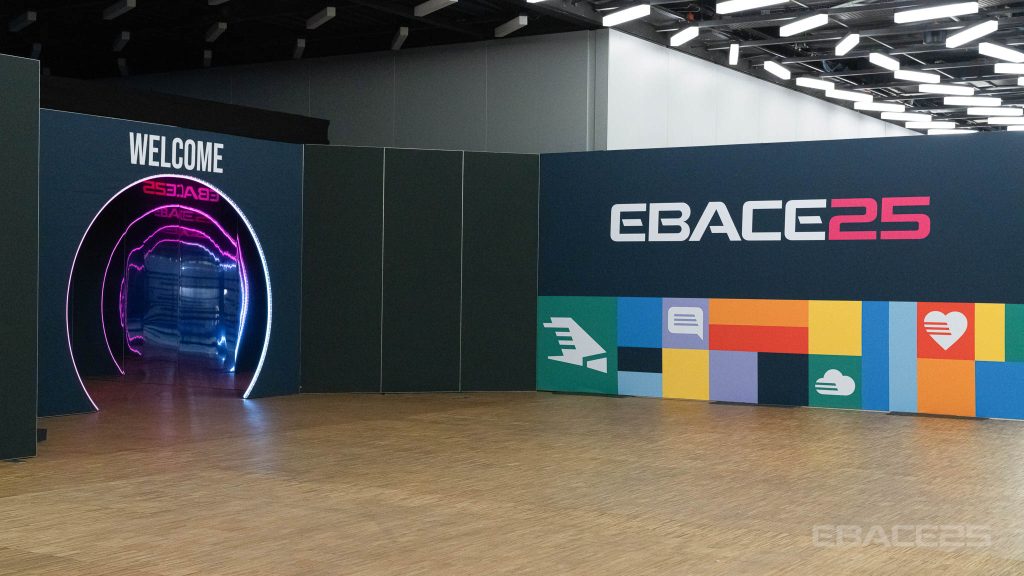
The European Business Aviation Association (EBAA) has taken complete control of the European Business Aviation Convention & Exhibition (EBACE) for the first time.
After the 2024 edition, the long-standing partnership between the European Business Aviation Association (EBAA) and the National Business Aviation Association (NBAA) based in the United States came to an end. This change took place amid increasing competition in Europe, particularly from Germany’s Aero Friedrichshafen show, which industry observers say is attracting more attention from key stakeholders in the industry.
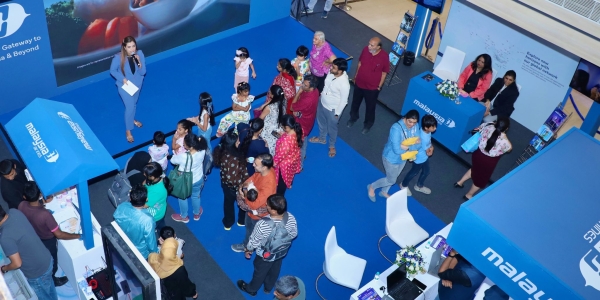
This year’s EBACE generated mixed reactions due to the absence of a traditional static display. With over 13,000 attendees and 400 exhibitors from 111 countries, organisers and participants increasingly recognised that EBACE serves as a business-to-business platform aimed at fostering networking, partnerships, and industry dialogue. A key aspect of this approach was the introduction of dedicated networking lounges and private meeting pods, which facilitated more than 1,200 pre-scheduled B2B discussions.
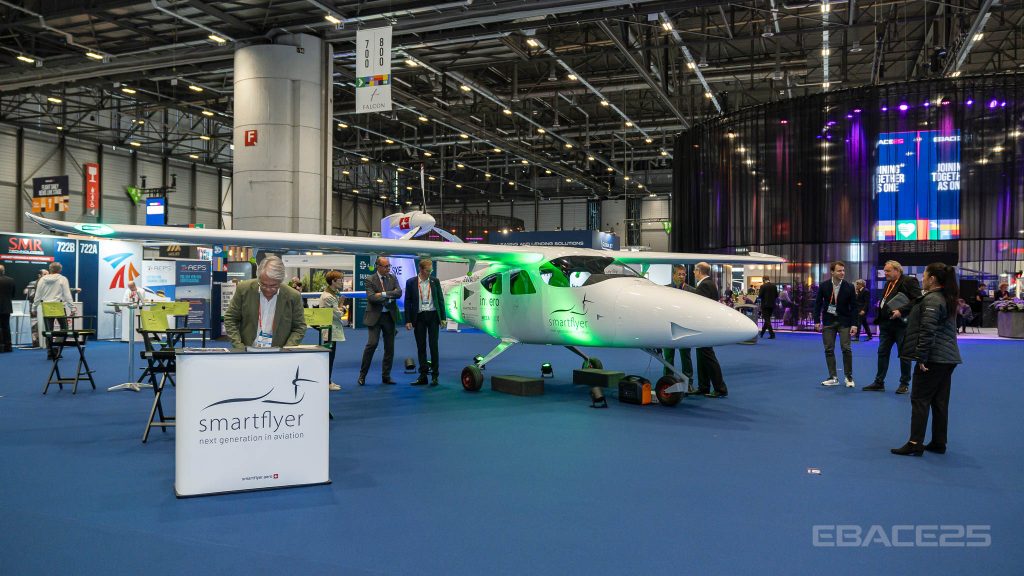
Sustainability emerged as the predominant theme throughout the convention, highlighted by sessions that addressed ReFuelEU Aviation mandates and the adoption of sustainable aviation fuels (SAF). According to internal data from EBAA, 82 per cent of exhibitors mentioned sustainability in their presentations.
EBACE 2025 introduced several structural and thematic changes that reflected a renewed approach to this traditional industry gathering. One of the most strategic shifts was the integration of the AIROPS stage, which had previously been a standalone conference focused on ground and flight operations. At EBACE 2025, the AIROPS stage hosted sessions led by industry leaders such as Simon Shinn from NetJets and Paul Tiba from Airlec. These sessions covered important topics, including the ReFuelEU Aviation mandates, cybersecurity for flight data systems, and best practices for integrating sustainable aviation fuel (SAF). Lufthansa Technik held workshops showcasing hybrid-electric ground power units (GPUs), highlighting how vendor selection criteria are linked to compliance with EU sustainability regulations. At the same time, cybersecurity panels fostered partnerships, such as VistaJet’s collaboration with IT firms, to enhance data protection protocols for its fleet. The AIROPS zone also served as a platform for ground handlers, fixed-base operators (FBOs), and aviation operators to engage in constructive problem-solving discussions. Notably, one initiative featured roundtable discussions to address the backlog of UK aircraft registrations following Brexit, a project led by the British Business and General Aviation Association.
The Association Village highlighted EBACE’s focus on cross-border collaboration, serving as a hub for national aviation groups to align their strategies in response to regional challenges. The Austrian Business Aviation Association used this platform to advocate against EU noise regulations that affect operations at Vienna Airport. Simultaneously, the British Business and General Aviation Association connected small and medium-sized enterprises (SMEs) with policymakers to address the backlog in aircraft registrations in the UK following Brexit. This initiative amplified the voices of smaller players and underscored the sector’s collective response to geopolitical pressures, such as France’s luxury tax on private charters. Participants noted that a clear example of these impacts could be seen in Italy, where a luxury tax introduced in 2011 has led to a significant decline in private aviation traffic and a reduction in aircraft ownership.
As a key supporter of the CLIMBING. FAST. advocacy campaign, which was launched by a coalition of business and general aviation organisations at NBAA-BACE in 2023, the International Business Aviation Council (IBAC) took the opportunity at EBACE to unveil the campaign’s global extension. The newly introduced CLIMBING. FAST. internationalwebsite aims to expand the initiative’s reach, emphasising the business aviation sector’s commitment to innovation, sustainability, and responsible growth on a global scale.
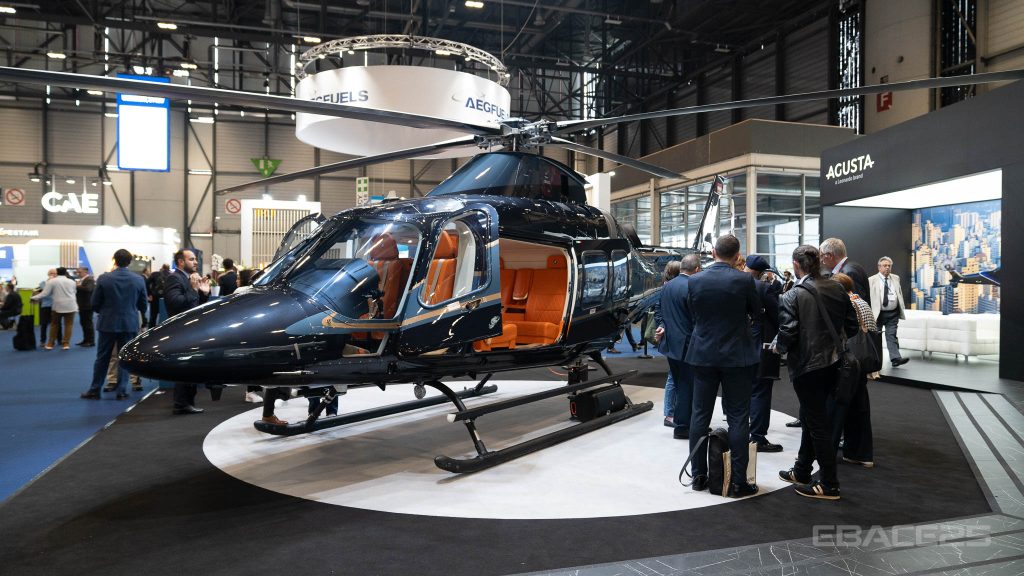
EBACE’s pre-event platform utilised data-driven matchmaking, using algorithms to pair attendees based on their stated objectives. Jetex reported that it secured 40 per cent of its fuel contracts for 2025 through pre-arranged meetings. Additionally, GoGo Business Aviation credited the system for connecting it with 15 new European clients for its inflight Wi-Fi solutions. This approach reduced transactional friction, allowing attendees to concentrate on high-stakes discussions, such as Dassault’s negotiations with SAF producers to secure supply agreements for the Falcon 10X’s test flights.
At EBACE 2025, many global players showcased their latest advancements, but Dassault Aviation distinguished itself with a unique blend of engineering innovation, heritage, and a vision for the future. Gulfstream presented its advanced G700 and G800 jets, which are powered by Rolls-Royce Pearl 700 engines. They emphasised the extended range and refined cabin designs of these aircraft.
Falcon, part of Alex Group Investment, made its European debut by highlighting its integrated aviation services, which include private jet charters through Falcon Luxe and maintenance solutions via Falcon Technic. The company showcased its Bombardier Challenger fleet as a premium choice for luxury travel.
Gogo Business Aviation introduced its HDX inflight connectivity systems, and Falcon’s charter fleet has adopted this technology to enhance passenger connectivity on routes across the Middle East and Europe.
The proceeds from the event funded EBAA’s lobbying campaigns in Brussels, creating a feedback loop where discussions on the ground directly informed policy positions. Debates in the Regulatory Collaboration Hub regarding France’s proposed bans on private jets were summarised in EBAA’s formal responses to the European Commission, emphasising the sector’s economic contributions.
As the convention came to a close, it was clear that the future of business aviation would be defined not by small, incremental changes but by the boldness of its leaders and pioneers. EBACE is set to return in 2026 with renewed strength and ambition.