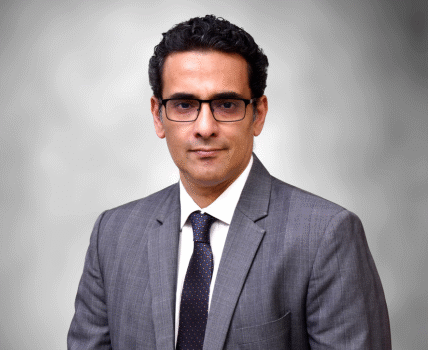

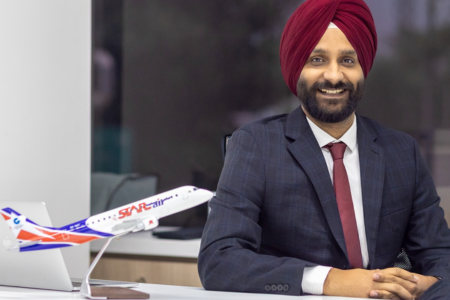


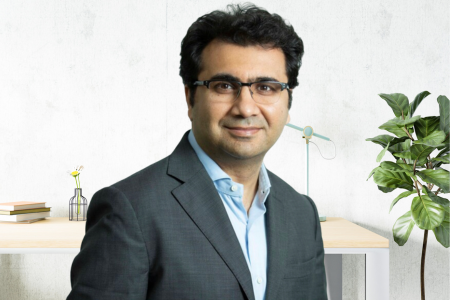





Entering the Indian market in early 2024, UVA has quickly adapted to the country’s dynamic and diverse aviation sector. With a focus on regional strategies and value-driven solutions, the company has achieved significant milestones. Karan Sethi, Managing Director, Universal Vulkaan Aviation (UVA),highlights their success with the AW169 and their commitment to enhancing MRO services to cater to India’s unique market demands.
How long has UVA been active in the Indian market, and what has your experience been so far?
We officially began distribution in February 2024, so we are approaching our first year in the market. As a company, we have been familiar with the Indian market since I joined in 2017, maintaining interactions and conversations. However, last year marked the first time we actively pushed our presence, and the results have been very positive, particularly in my area of focus within the Indian market.
How has your experience in the Indian market over the past year compared to your initial expectations?
The key term here is “expectations,” as they play a crucial role in shaping our strategy. The past year has been an interesting journey, with many of our initial assumptions being challenged. For instance, we were told that India is highly price-sensitive, but we found it to be more value-sensitive. Similarly, we anticipated a slow-moving market, but India has proven to be dynamic and fast-paced, with deals happening quickly.
The most significant learning has been the necessity of a regional focus. Unlike other countries where a single nationwide strategy might work, India requires tailored approaches for its diverse clientele. For instance, we deal with operators, brokers, Maintenance, Repair, and Overhaul (MRO) providers, and high-profile clients, each requiring a unique strategy. This insight has been instrumental in refining our operations and achieving success in various regions.
When you emphasise regional focus, could you elaborate on your exposure to different regions?
Certainly. We’ve extended our reach to Tier 2 and Tier 3 cities, identifying considerable demand in these areas, often from industrialists with operations in remote locations. For instance, pilgrimage regions have unique requirements, and our analysis highlighted the need for improved MRO services to support the single-engine machines commonly used in these areas.
In contrast, regions like Bangalore and Mumbai, with a higher concentration of VVIP clients, demand larger, more sophisticated helicopters, such as the AW169 or AW139. These clients often prioritize comprehensive packages, including MRO services, pilot training, and long-term partnerships. Thus, our approach varies significantly based on the region and clientele.
Which of your products have gained significant traction in the Indian market over the past year?
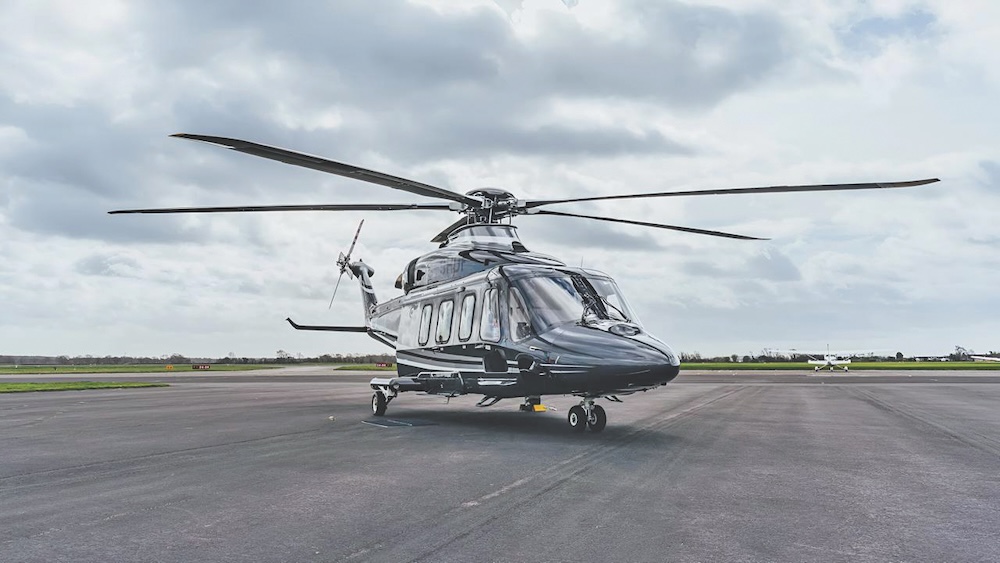
The AW169 has exceeded expectations, receiving an overwhelmingly positive response. While the AW139 has traditionally been the go-to choice for the VVIP market globally, the AW169’s versatility, upgraded avionics, and competitive pricing have made it highly attractive in India.
For instance, all four AW169 slots allocated between 2024 and 2027 have already been sold, with additional demand that we are currently unable to fulfil. This machine’s appeal lies in its adaptability for both VVIP and other configurations, coupled with advantages such as simplified pilot licensing requirements due to its lower weight class.
What are your plans on the MRO to ensure seamless operations and customer satisfaction?
The MRO segment in India presents unique opportunities and challenges. While there are competent players like Air Works, Global Vectra, and OSS, a lack of uniformity in processes and a shortage of trained technicians impact efficiency.
Our strategy involves collaborating with existing MROs and facilitating localized spare parts availability, particularly for popular models like the AW169. By building redundancy in parts supply, we aim to reduce downtime and enhance operational efficiency. Additionally, we focus on training programs for engineers and pilots, often in partnership with professional entities, to strengthen the ecosystem.
Can you elaborate on your production allocation strategy with Leonardo to meet growing demand?
Production allocation with Leonardo is strategic due to its limited manufacturing capacity, which emphasizes quality over quantity. Unlike Airbus, which produces at higher volumes, Leonardo adheres to a fixed annual output, making advance allocation planning essential.
As a distributor, we commit funds in advance to reserve production capacity globally, providing flexibility to assign machines to regions based on demand. This approach ensures efficient resource utilization while avoiding over-commitment. For example, while we initially reserved capacity for two AW169s in India, rising demand led us to secure additional production allocations. This strategy enables us to manage client expectations effectively without compromising value or profitability.