











- Fractional jet ownership in India is gaining traction, fuelled by rising ultra-high-net-worth individuals, government efforts to build a supportive regulatory framework, and growing demand for flexible, cost-efficient private aviation solutions.
- While India stands at the threshold of an aviation revolution inspired by successful global models like NetJets and Flexjet, challenges such as regulatory gaps, operational complexities, and liquidity issues must be addressed to unlock the full potential of this market.

In 2025, fractional jet ownership in India is steadily gaining momentum, bolstered by government efforts to establish a supportive policy framework. While companies such as IndiaJets and ClubOne Air are actively pioneering this model, the market remains in its early stages of development.
Fueled by consistent economic growth in recent years, India is now home to over 15,000 Ultra High Net Worth Individuals (UHNIs), each with a minimum net worth of $30 million—a figure expected to rise to 19,000 within the next five years. Notably, 19 per cent of this group is under 40, representing the Next-Gen of wealth holders. According to a Bain & Co. report, India’s luxury market is experiencing rapid expansion and is projected to reach an impressive $200 billion by 2030. High-end cars and luxury holiday homes, while heavily promoted, can sometimes feel overhyped and fail to captivate consistently. Disrupting this repetitive trend, the relatively innovative concept of fractional aircraft ownership has become a favourite among industry leaders and those who value enhanced strategic mobility. Encouragingly, the Civil Aviation Ministry is crafting policies to minimise regulatory burdens for fractional owners of private jets and helicopters, aiming to propel this emerging industry forward.

The Global Scenario
The demand for private jets and helicopters surged during the COVID-19 pandemic but declined sharply afterwards. To revitalise interest in the sector, the government is now acting decisively, refining its fractional ownership policies to nurture a robust ecosystem for private charters. This model operates like a timeshare in the sky, designed specifically for business owners and senior executives to enjoy the exclusivity of private jet travel while avoiding the complexities of ownership and maintenance.
Fractional ownership has carved out a significant niche in the United States since the mid-1980s, with three of the top four operators in the global market being U.S.-based companies. NetJets leads the pack, boasting a fleet of 750 aircraft and counting legendary investor Warren Buffett as a major stakeholder. Flexjet, the world’s second-largest fractional provider, drives growth worldwide by prioritising trust and empathy in its operations. In 2024, Flexjet reported an 11 per cent rise in membership and introduced a waiting list for the first time, signalling robust demand. As “Kenn” Ricci, Chairman Flexjet, proudly asserts, “Before, friends called me looking for discounts. Now, they are seeing if they can move up the queue.” While some aviation experts attribute Flexjet’s remarkable growth to its cutting-edge fleet of nearly 300 luxury aircraft, others point to its exceptional team, including over 1,100 highly skilled pilots who bring double the industry average in flight hours to the cockpit. Flexjet operates globally, employing more than 4,000 people across 30 locations worldwide to deliver its services.
While NetJets and Flexjet dominate the fractional ownership landscape with fleets exceeding 750 and 350 aircraft, respectively, a handful of smaller companies—about half a dozen—have also adopted this model to carve out their market share. We can’t beat Flexjet and NetJets on their network sizes,” says Jim Segrave, CEO of flyExclusive, which has a fleet of 90 jets. “But because we have our own paint shed and interior shop, our aircraft look newer than most of our competitors.” Fly Alliance, which introduced its fractional ownership program in late 2022, opted to eliminate monthly management fees and has since attracted a strong pool of participants.
Foraying into the Indian Market
Bengaluru-based IndiaJets, the country’s first subscription-based business aviation startup, has started its operations with the IndiaJets Aircraft Membership program. The company secured $500,000 in seed funding through internal resources and operates a 6-seat business jet based at HAL Airport in Bengaluru. Under this model, subscribers purchase a share tailored to their annual flight needs, paying a fixed monthly fee plus an hourly rate for actual flight time. This allows them to enjoy the perks of private aviation without the hassles of full aircraft ownership, including maintenance and variable costs.
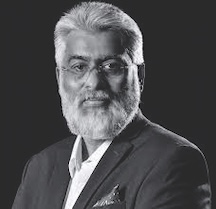
Rajesh Rajan, Co-Founder & COO of IndiaJets, states, “Safety and reliability are the two most critical non-comprisable aspects of aviation, and at IndiaJets, this would be our priority. With vast experience of flying both helicopters and fixed-wing for the Coast Guard and having led some of India’s largest MROs (Maintenance and Repair organisations) enables us to understand what goes behind the scenes.”
According to a 2023 Directorate General of Civil Aviation (DGCA) report, India has approximately 100 Non-Scheduled Operator Permit (NSOP) holders operating a combined fleet of 330 charter aircraft. Major players like ClubOne Air, IndiaJets, and JetSetGo have yet to venture into fractional ownership, though they may explore this segment in the future. With India boasting around 13,000 ultra-high-net-worth individuals and roughly 700,000 millionaires, the demand for fractional jet ownership is poised to skyrocket in the coming years. The primary obstacle remains the absence of a long-overdue policy, which requires concerted advocacy from aggregators, jet owners, and industry stakeholders to move forward.

In light of this, TGS Gupta, Co-Founder and CFO, succinctly concludes, “The IndiaJets membership model will empower smaller businesses to now get the advantage of maximising the value of their time and drive rapid progress in the smaller towns where many have their businesses or relationships. We believe that we will provide this much-needed impetus that business in Bharat needs to drive growth.”
To strengthen its operations and expand its reach, Sirius India Airlines, an aircraft charter company, partnered with Dubai-based Transworld Global Group’s Airavat Aviation in April 2024. The company’s press release states, “The joint venture seeks to deliver a comprehensive solution for charter services and fractional ownership, both in India and worldwide.” Initially launching with a single Hawker 4000 jet, Sirius India Airlines has set ambitious plans to grow its fleet, targeting an increase to three jets in the coming months. By the close of fiscal year 2025, the airline aims to bolster its lineup with nearly a dozen charter aircraft, ranging from 9-seaters to 100-seaters, to meet diverse travel demands and preferences.
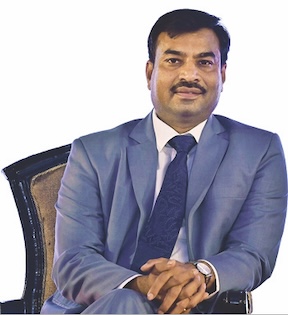
“The launch of Sirius India Airlines signifies a new chapter in the aviation industry, promising enhanced accessibility and luxury in private air travel. Our airline is poised to make significant strides in the burgeoning charter market,” says Arun Kashyap, Sirius India Airlines’s promoter-director.
The Barriers
While we’ve thoroughly explored the benefits of fractional jet ownership—such as cost efficiency and flexibility—it’s clear that no single solution fits all. This model, too, presents its own unique challenges that must be considered.Scheduling conflicts can occur when multiple owners seek to use the aircraft simultaneously. Although fractional jet owners are allotted a fixed number of annual hours, they may still encounter delays or be forced to reschedule. This can necessitate booking a substitute aircraft, resulting in additional costs the owners must cover.
Another drawback is the limited control businesses have over aircraft management, which can be a disadvantage for those preferring greater oversight of their assets. Aircraft maintenance poses its challenges as well. While the management company handles upkeep, there are instances when the aircraft is grounded for repairs. If scheduled or unforeseen maintenance renders the aircraft unavailable, travel plans may be disrupted unless an alternative solution is arranged. Another key consideration is depreciation. Over time, the resale value of a fractional share diminishes, especially as the aircraft ages.
Furthermore, selling a share can be difficult because finding a buyer is often challenging. Moreover, fractional jet ownership agreements often include contractual obligations that restrict the sale or transfer of shares, further reducing liquidity.” A critical factor that must not be overlooked is the need to consider potential legal issues before entering a fractional jet ownership agreement. This model entails shared ownership or co-ownership of the aircraft, making it essential to clearly define each owner’s rights and responsibilities in the agreement to prevent future disputes or misunderstandings.
Regulatory compliance is another vital aspect to consider, as fractional jet ownership is governed by aviation regulations that differ across countries. Owners must ensure that all operations adhere to safety standards and other legal requirements, as neglecting this could lead to significant setbacks for both the owners and the company. Equally important is a thorough review of liabilities and insurance coverage. While the management company typically provides insurance, each owner should confirm they are sufficiently protected against potential incidents or disasters.
The Roadmap Ahead
The Government of India established the International Financial Services Centres Authority (IFSCA) at the GIFT City in Gujarat a few years ago. It was created to help aviation companies offer new business models to both Indian and foreign customers. As a Special Economic Zone (SEZ), IFSCA offers an ideal platform for aircraft fractional ownership services. However, to fully realise the potential of this business model, support from the Ministry of Civil Aviation is essential.This includes advocating for its value and engaging with other key ministries—such as the Ministry of Finance to extend depreciation benefits, and the Ministry of Law to establish clear legal titles for shared movable assets.
Just as smaller European nations such as Malta have emerged as hubs for delivering private aviation solutions to larger European and UK markets, India too stands at the cusp of a potential on-demand aviation revolution. By leveraging the aircraft fractional ownership model, India can effectively tap into both domestic and international aviation markets, positioning itself as a key player in this evolving sector.
The fractional ownership model significantly reduces the cost of acquiring both aircraft and helicopters by enabling capital pooling among multiple owners. This, in turn, minimises capital outflow for companies and individuals, thereby lowering their financial exposure and associated risks. Moreover, the model holds strong potential to revitalise the Non-Scheduled Operator Permit (NSOP) segment and accelerate the growth of aircraft within NSOP fleets. This model allows corporations to acquire fractional ownership of an aircraft—typically ranging from one-sixteenth to one-quarter—for a tenure of three to five years. In addition to cost efficiency, it offers several advantages, including guaranteed aircraft availability, access to newer fleets, fewer peak-day restrictions, enhanced service standards, and the flexibility to transition between different jet types based on operational requirements.
While fractional jet ownership presents a highly attractive model for many businesses, alternative solutions—such as jet cards, aircraft leasing, on-demand charters, and full aircraft ownership—also offer a range of compelling advantages.Each option provides distinct benefits in terms of flexibility, cost-efficiency, and operational control, allowing organisations to tailor their private aviation strategy to align with their specific travel needs and budgets. Full aircraft ownership remains the most suitable option for individuals or entities with substantial and consistent private travel needs, while empty-leg flights offer a cost-effective alternative for budget-conscious travellers seeking last-minute availability.
Fractional jet ownership holds significant promise for the Indian aviation market. With a proven track record of success in international markets, the model has gained traction among business travellers and aviation professionals alike. There is every reason to believe it can thrive in India as well. What is needed now is a clear, concise, and investor-friendly policy framework to provide the necessary momentum for this model to flourish. While the outlook remains optimistic, potential challenges must not be overlooked. Prolonged delays in issuing enabling regulations could lead to waning interest among stakeholders and investors, redirecting their focus to more conducive markets. The coming years will determine whether India can truly capitalise on this opportunity.