











From Belagavi to Bhubaneswar: How Star Air is Redefining Regional Connectivity in India

- Star Air is expanding regional connectivity with Embraer jets, linking Tier-II and Tier-III cities under the UDAN scheme.
- The airline is experimenting with business-class cabins and a cargo partnership with SpiceXpress to diversify revenues.
- Ambitious growth plans to reach 25 aircraft and 50+ destinations by 2027 hinge on overcoming India’s limited Embraer MRO support.
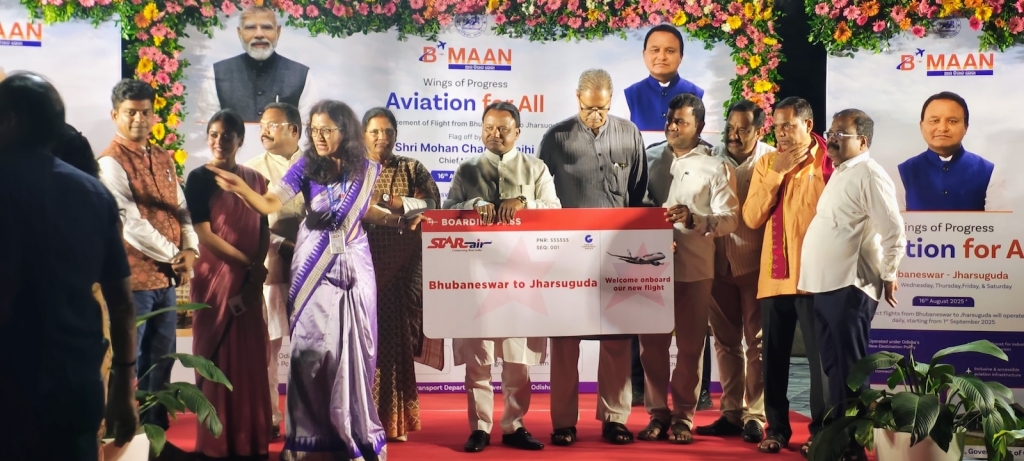
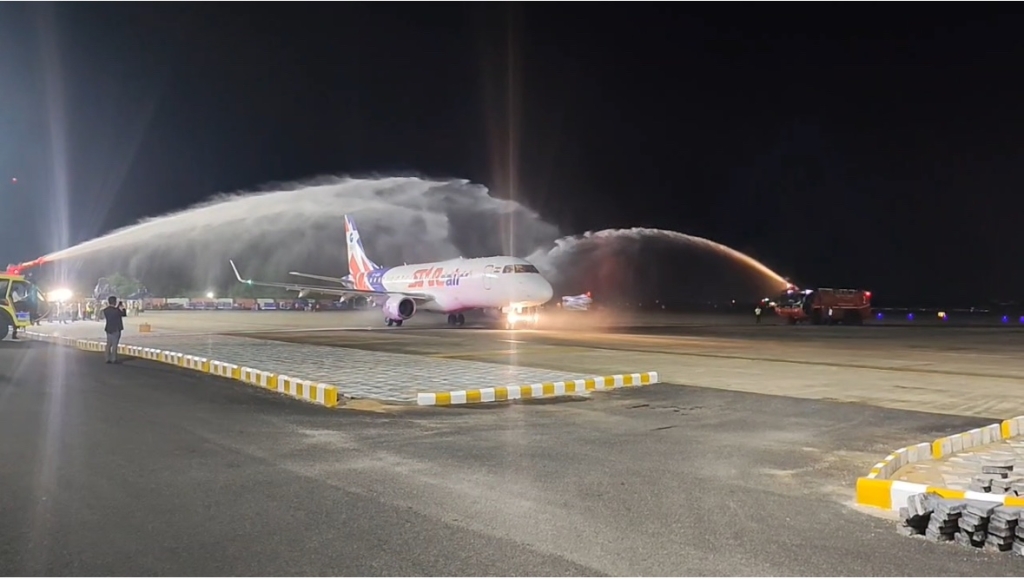
When Star Air’s inaugural Bhubaneswar-Jharsuguda flight took off last week with almost all seats sold out, it marked more than just another route launch. For the Bengaluru-based carrier, it was evidence that India’s next aviation boom is emerging far from the crowded metropolises, in smaller towns and cities often overlooked by larger industry players.
Star Air, part of the Kolhapur-based Sanjay Ghodawat Group, presents itself as the “Connecting Real India”, with a modest fleet of 11 Embraer jets, connecting 26 stations, targeting 350 flights weekly on its network. The airline is focusing on a network that connects emerging cities like Belagavi, Nanded, Kishangarh, and Jharsuguda to major hubs. While IndiGo and Tata-owned Air India compete for metro-to-metro traffic, Star Air is quietly transforming Tier II and Tier III airports into mini-hubs.

The Bhubaneswar-Jharsuguda route exemplifies this vision: a 323 km journey that typically takes nearly seven hours by road is now reduced to a 50-minute flight, with tickets priced at ₹1,600. Similarly, the Pune-Nanded route, which spans 457 km by car, can be covered in a short flight for around ₹2,900. The Belagavi-Mumbai route, which cuts a nine-hour road trip down to just over an hour for under ₹3,600, consistently achieves load factors above 80%.
Belagavi has become Star Air’s standout hub, with rising demand for flights to Mumbai, Tirupati, and Indore. Recently resumed services between Bengaluru and Bidar have revitalised a previously neglected area of Karnataka, while new routes like Pune-Kishangarh are attracting a mix of business travellers, pilgrims, and leisure passengers.
“We have consistently learned that when we offer people a reliable and cost-effective option, they eagerly fill our planes,” says Capt. Simran Singh Tiwana, the airline’s CEO.

Star Air is also breaking convention by offering business-class cabins on several UDAN-subsidised routes, asserting that premium travel does not need to be exclusive to Delhi or Mumbai. Its Embraer jets, equipped with a two-class 2×2 seating layout, have become popular among entrepreneurs and government officials from smaller towns, while economy fares remain affordable for budget-conscious travellers.
The airline’s ambitions extend beyond passenger transport. A partnership with SpiceXpress positions Star Air to tap into India’s rapidly expanding regional cargo market, which could account for up to 10% of its revenue. “Tier II cities aren’t just sending passengers; they’re also shipping goods that require speed,” Tiwana explains.
Financially, Star Air has shown resilience. In FY24, the airline’s revenue increased by 40%, though aircraft delivery delays prevented it from meeting a target of ₹700 crore. Nevertheless, the high utilisation of its Embraer E145s and newer E175s has kept operations profitable. Analysts credit its disciplined strategy, avoiding expensive competition on congested metro routes, as a guiding factor amidst an industry that has tripped up many smaller carriers.
The MRO Challenge
Star Air’s growth plans hinge on a significant challenge: maintenance. The carrier aims to expand its fleet to 25 aircraft by 2027, but India’s MRO sector is largely tailored to Airbus and Boeing narrowbodies, offering insufficient support for Embraer jets.

Currently, heavy checks are outsourced abroad, while routine maintenance is handled in Bengaluru, Hyderabad, and Belagavi. This model may not be sustainable as the fleet grows. “The economics of regional aviation depend on quick turnarounds and tight cost control,” says a Mumbai-based aviation consultant. “Without a local MRO solution, scaling to 25 aircraft will be difficult.”
The government’s initiative to develop India as an MRO hub may provide support. Industry speculation suggests that Star Air is exploring long-term partnerships with firms like Air Works and GMR Aero Technic, which are expanding their services beyond just Airbus and Boeing.
Scaling Up
The next two years will be crucial. Star Air plans to add six aircraft by late 2026 and double its network to over 50 destinations, focusing on Karnataka, Andhra Pradesh, Maharashtra, and Gujarat. Jharsuguda could serve as a base for expansion into the eastern corridor.
Industry observers are optimistic. India’s passenger traffic is projected to double by the end of the decade, with much of that growth originating from smaller towns where incomes are rising and airports are multiplying under the government’s UDAN scheme. While dependency on subsidies is still a concern, Star Air is among the few regional carriers regarded as operating a commercially viable model.
If successful, Star Air could become a rare airline that transforms government-backed connectivity into a sustainable business, making “Real India” central to the aviation narrative. Conversely, if it falters, it may join the long list of regional aspirants that have been grounded by India’s unforgiving aviation landscape.
Also Read: On the Cusp of Growth