














Hydrogen Flight Ambitions Advance as Airbus, RTX, and GE Push New Propulsion Frontiers

- Global aerospace leaders, Airbus, RTX, MTU Aero Engines, and GE Aerospace, are accelerating hydrogen propulsion research, developing both fuel-cell and hydrogen-combustion systems aimed at decarbonising future flight.
- Airbus is advancing its ZEROe project with a 2-megawatt fuel-cell electric concept in partnership with MTU, while RTX and GE pursue complementary hydrogen programmes such as HySIITE, HyADES, and HYDEA to mature next-gen technologies.
- Despite setbacks like the collapse of Universal Hydrogen, ongoing breakthroughs signal renewed confidence that hydrogen could power commercial aircraft within the next decades, marking a major step toward zero-emission aviation.

Hydrogen has long been championed as a game-changing solution to reduce emissions from long-haul commercial aviation, given its potential as a clean alternative to traditional fossil fuels. The aviation sector has witnessed significant investments and substantial work done on hydrogen technologies. However, the actual integration of hydrogen fuel into commercial aircraft remains a highly complex and long-term challenge.
Recent developments include Airbus’s strategic shift towards fully electric hydrogen fuel cell propulsion and the collapse of Universal Hydrogen due to funding limitations. This highlights both the progress and hurdles in adopting hydrogen.
Despite setbacks, the aviation industry is continuing to fund ongoing research and collaborative initiatives with industry leaders like Airbus, MTU Aero Engines, and RTX, pushing the boundaries of hydrogen technology for aviation.
The widespread adoption of hydrogen in aviation, however, will demand sustained innovation and decades of coordinated effort before it becomes a reality.
Hydrogen yet remains a promising alternative to fossil fuels since it has a specific energy-per-unit mass that is three times higher than traditional jet fuel and is generated from renewable energy through electrolysis, emitting no CO2 emissions.
Airbus announced earlier this year during the Airbus Summit that it would focus its efforts on a fuel cell fully-electric propulsion system. The collapse of Universal Hydrogen, a California-based Hydrogen aviation pioneer which was launched in 2020, is a warning of the challenges in the adoption of the technology. Universal Hydrogen had managed to fly a small regional aircraft powered with one conventional engine and another hydrogen-powered electric motor in 2023. The company ran out of funds after using up US$100 million worth of investor funding.
Airbus Eyes New Path
Airbus launched its ZEROe project in 2020 to explore the feasibility of two primary hydrogen propulsion technologies: hydrogen combustion and hydrogen fuel cells. Hydrogen was at the heart of the European airframer’s commitment to decarbonise aviation. It has since adjusted its roadmap, despite eyeing hydrogen-powered flight for the future. Fully electric aircraft powered by hydrogen fuel cells yet have the potential in the longer term to revolutionise air transport.
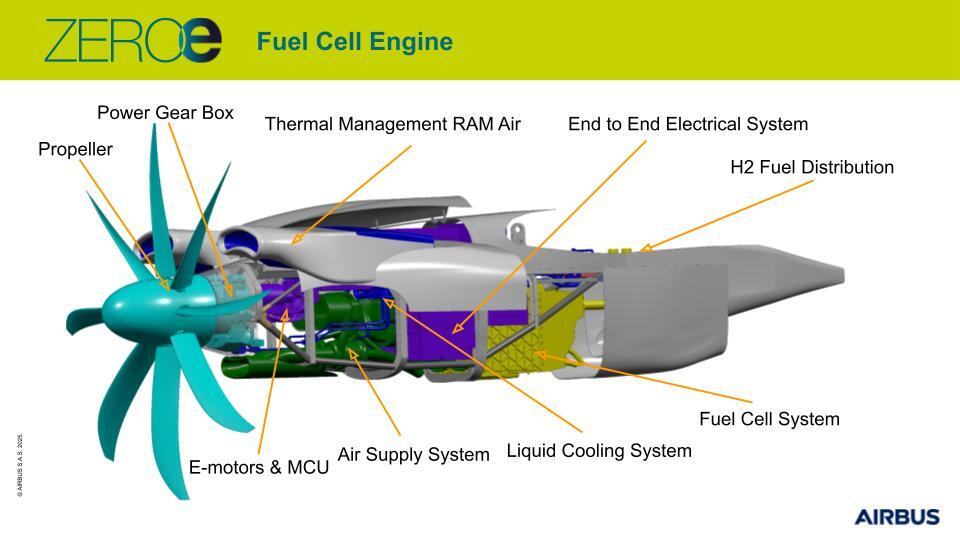
Airbus is now pursuing a notional hydrogen aircraft concept powered by 4, 2-megawatt electric propulsion engines. Each of these is driven by a fuel cell system that converts hydrogen and oxygen into electrical energy.
The four fuel cell systems will be supplied via two liquid hydrogen tanks. “Over the last five years, we have explored multiple hydrogen-propulsion concepts before down-selecting this fully electric concept. We are confident it could provide the necessary power density for a hydrogen-powered commercial aircraft and could evolve as we mature the technology,” said Glenn Llewellyn, Airbus Head of the ZEROe Project. “In the coming years, we will concentrate on advancing the storage, distribution and propulsion systems, while also advocating for the regulatory framework needed to ensure these aircraft can take flight,” he added.
Airbus’ 1.2MW hydrogen-propulsion system was successfully demonstrated in 2023, and end-to-end testing of an integrated fuel cell stack, electric motors, gearboxes, inverters and heat exchangers was completed in 2024.
At Paris Airshow 2025, Airbus entered into a Memorandum of Understanding (MoU) with MTU Aero Engines to work on hydrogen fuel cell propulsion. The airframer’s focus on fully electric fuel cell propulsion technology for future hydrogen-powered aircraft underscores its continued confidence in the technology. “Collaborating with MTU, a leader in engine manufacturing and innovation, is a perfect complement to our own advancements. This partnership will allow us to pool our collective knowledge, accelerate the maturation of critical technologies, and ultimately deliver a revolutionary hydrogen-powered propulsion system for future commercial aircraft. Together, we are not just imagining a sustainable future of flight, we are actively pioneering it,” said Bruno Fichefeux, Head of future programmes at Airbus.
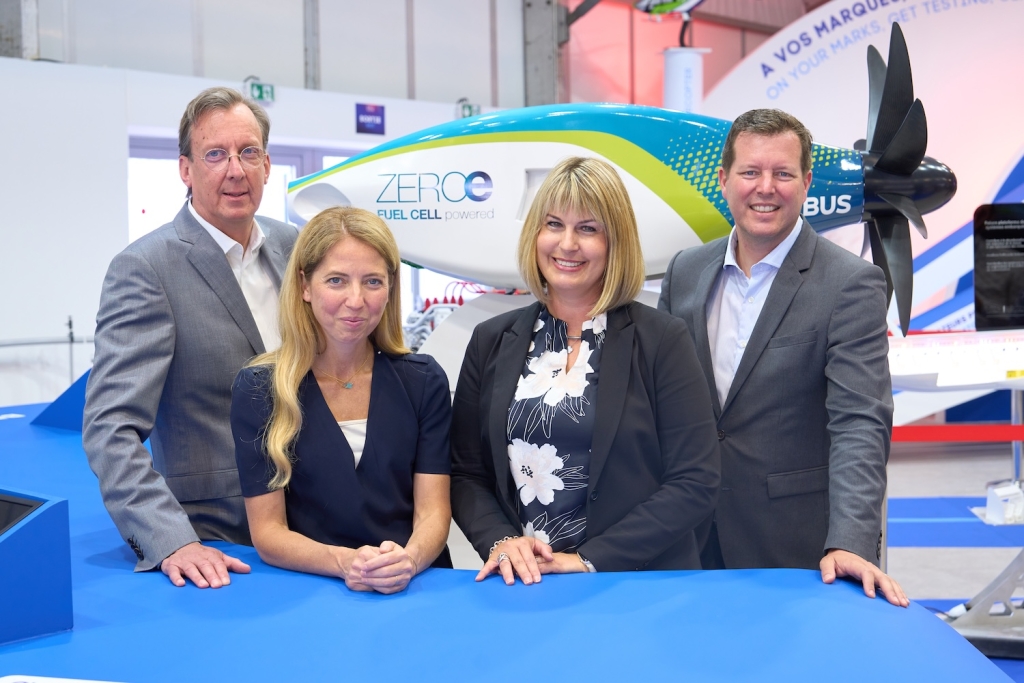
MTU has developed recognised expertise through its Flying Fuel Cell concept. “Today, we are at the centre of a wide-ranging eco-system of partners aiming to achieve the complete electrification of the powertrain by using fuel cell technology. Partnering with Airbus opens up the possibility to jointly address both technology maturity and platform integration aspects,” said Dr. Stefan Weber, SVP Engineering and Technology at MTU Aero Engines.
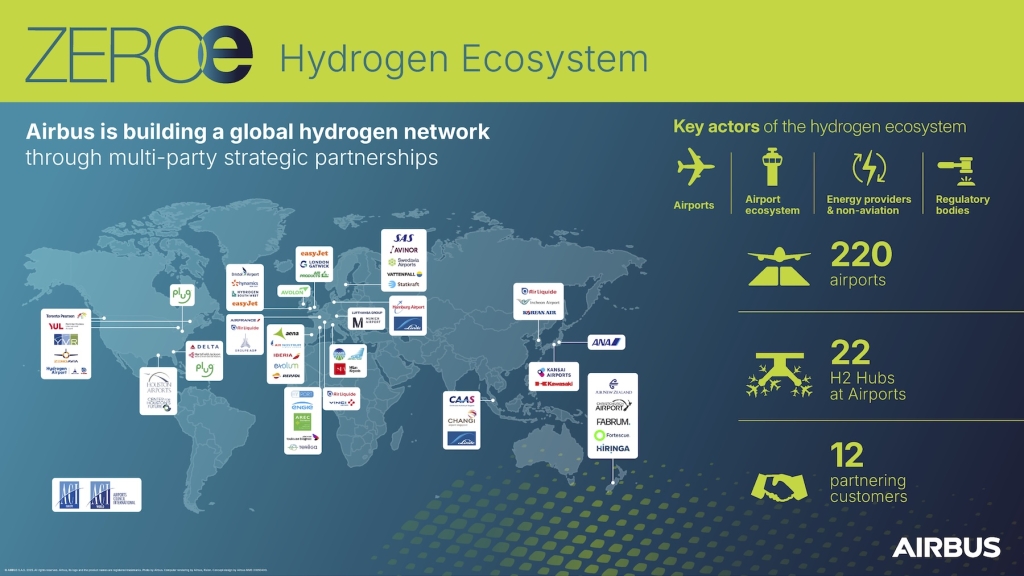
Both firms have set out a three-step roadmap for the development of a hydrogen-powered fuel cell engine suitable for the commercial aviation market. The first is to mature the technological building blocks essential for the engine through joint research projects, such as Clean Aviation. The second step will align the two partners’ R&T roadmaps on hydrogen technologies.
The result of these joint explorations would then allow the third step towards the development of a fuel-cell engine for a hydrogen-powered aircraft. The European Clean Aviation technology project Hydrogen-Electric Zero Emission Propulsion System (HEROPS), which was launched in early 2024, is also being led by MTU Aero Engines. HEROPS aims to develop innovative technologies for a climate-neutral, hydrogen-powered electric powertrain based on MTU’s Flying Fuel Cell.
RTX Advancing Hydrogen Technologies
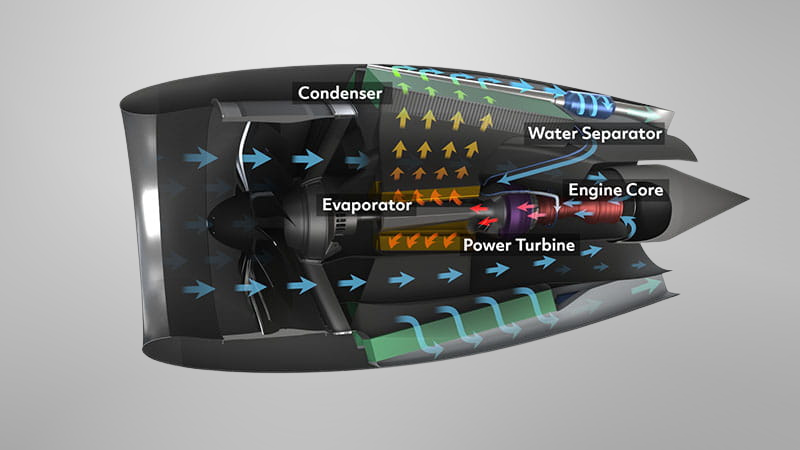
Several projects are underway across RTX as the company eyes advances in the use of hydrogen as a powerful, efficient and transformative aviation fuel. Pratt & Whitney, an RTX company, is working on the Hydrogen Steam Injected, Intercooled Turbine Engine (HySIITE) programme.
The technologies emerging from this programme could reduce Nitrogen-Oxide (NOx) emissions by up to 80 per cent and lower fuel consumption by up to 35 per cent for next-generation single-aisle aircraft. The HySIITE programme could bring the industry’s first hydrogen steam-injected, inter-cooled engine to reality.
Earlier this year, in May, at RTX’s Technology Research Centre in East Hartford, Connecticut, USA, it was announced that hydrogen was used to power a test combustor for the first time. The test took place in 2024.
The HySIITE test showed that hydrogen could be burnt cleanly inside an engine. “You can burn it safely and robustly. You’re not going to burn up the combustor, but you can take this explosive, highly flammable gas and put it in a combustor and burn it safely and stably. And it comes in a package that is super-efficient. The takeaway is there’s a solution here,” said Lance Smith, an RTX senior technology fellow.
Pratt & Whitney’s HySIITE programme is sponsored by the U.S. Department of Energy’s Advanced Research Projects Agency-Energy. The HySIITE programme is unique because it is optimised for liquid hydrogen, capturing water from the engine exhaust to enable improved efficiency and reduced nitrogen oxide (NOx) emissions. Its semi-closed system architecture will achieve greater thermal efficiency than fuel cells and reduce total operating costs when compared to using “drop-in” SAF.
According to Michael Winter, chief scientist at RTX. “HySIITE is the most realisable architecture for the future of hydrogen fuel and propulsion at scale. If hydrogen becomes widely available, Pratt & Whitney will be ready for that future.” The HySIITE programme was completed in December 2024.
RTX is now working on new projects such as the Hydrogen Advanced Engine Study (HyADES) programme, which is supported by Canada’s Initiative for Sustainable Aviation Technology (INSAT). Launched in January 2024, the HyADES programme was to demonstrate hydrogen in an existing PW127XT turboprop engine. The other programme is COCOLIH2T, which is supported by the European Union’s Clean Hydrogen Joint Undertaking and is focused on creating a way to store fuel aboard aircraft.
GE Aerospace works on HYDEA
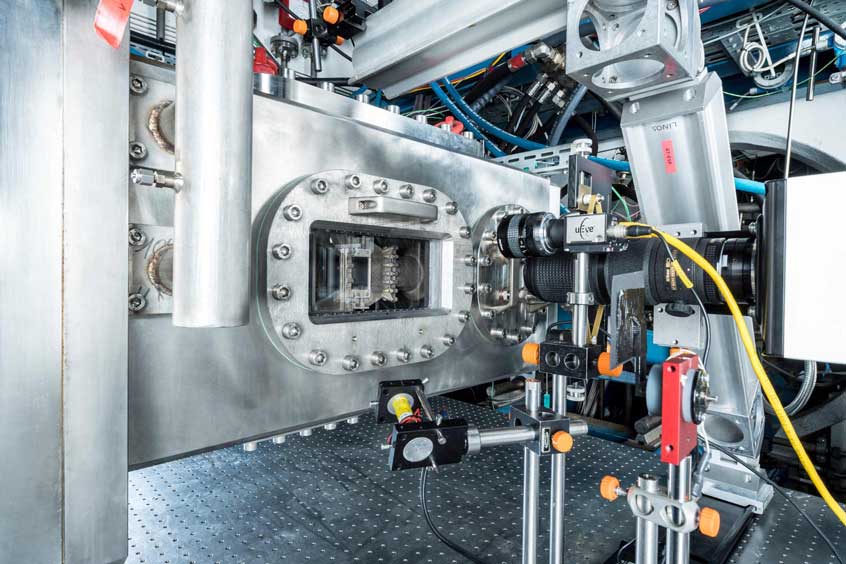
The HYdrogen DEmonstrator for Aviation (HYDEA) is being worked on by GE Aerospace with them aim to set out a technology maturation plan to develop an Hydrogen Combustion (H2C) propulsion system compatible with a zero CO2 low-emission aircraft.
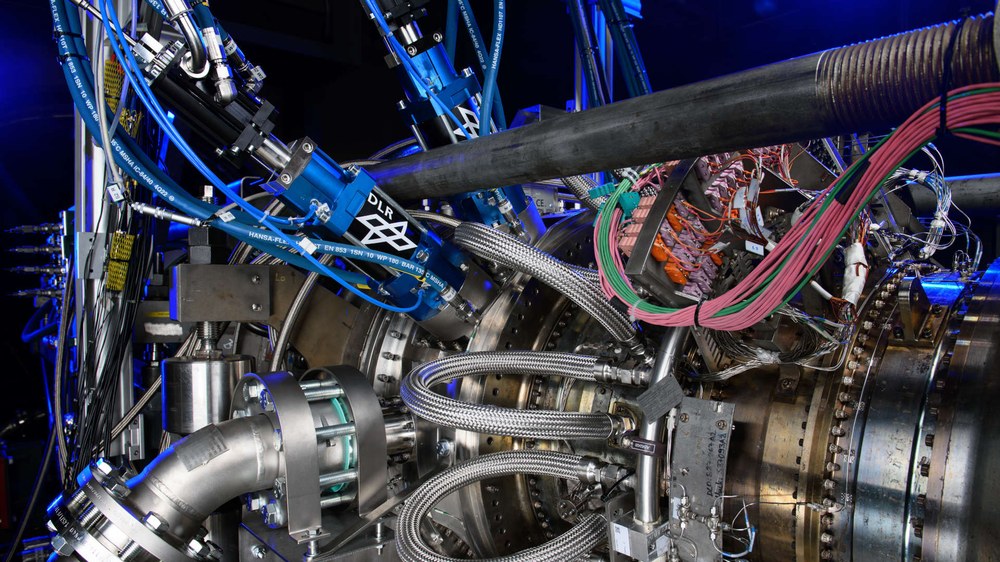
An Entry Into Service date of 2035 is being targeted. The German Aerospace Center’s (DLR) Institute of Propulsion Technology provided updates in November 2024 on the development of hydrogen propulsion systems together with its partner GE Aerospace.
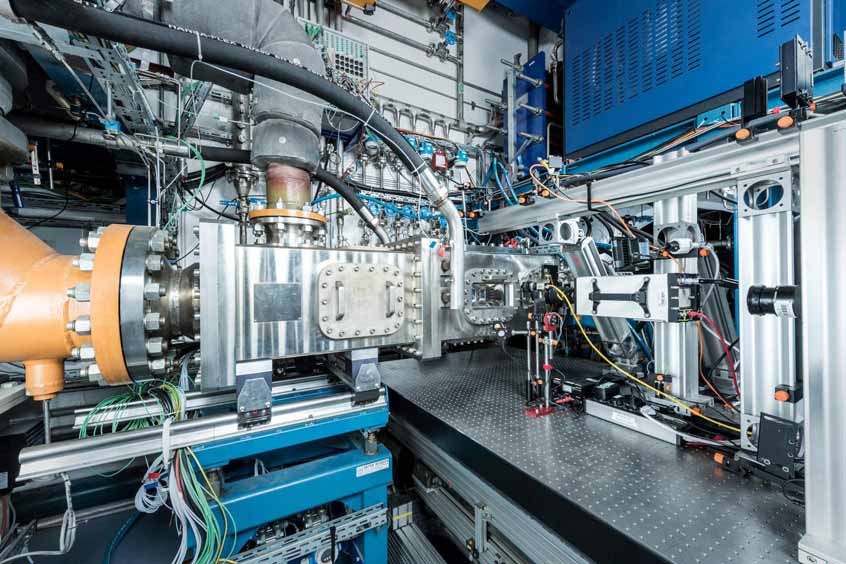
DLR and GE Aerospace investigated a hydrogen-powered sector burner under high-pressure conditions on a test rig at the institute. “The combination of hydrogen and gas turbines is one of the greatest technical challenges due to the extreme power density and high flame speed. At the same time, the combustion technology must meet the highest safety requirements,” Prof Florian Herbst, Director of the Institute of Propulsion Technology, emphasised.
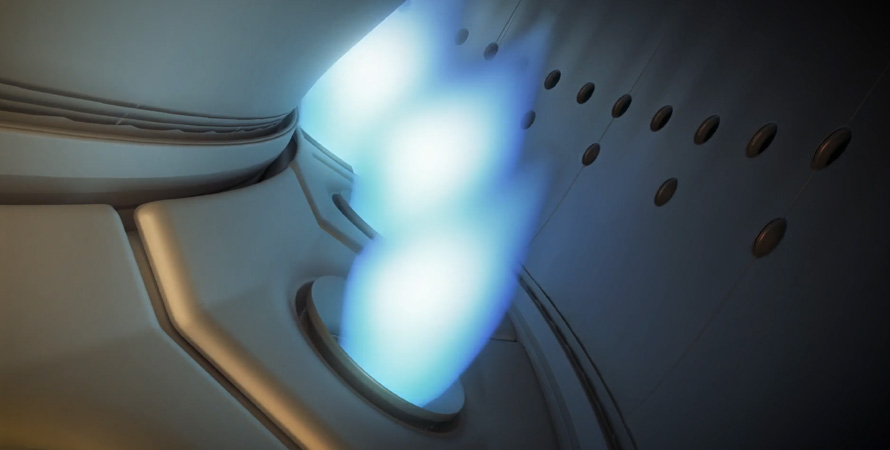
The HYDEA project will inform the core for the ZEROe technology exploration project.
The HYDEA project is slated to demonstrate the feasibility of hydrogen propulsion on an aircraft engine between 2023-2026 up to ground test.
HYDEA will address fundamental questions related to the use of hydrogen as an aviation fuel, and concentrate on the development and testing in relevant conditions of an H2 combustor and H2 fuel system.
Long Road Ahead
The manifold benefits of implementing hydrogen in the aerospace fuel chain have driven continued investments in its research, regardless of the challenges. It is expected that industry efforts will result in breakthrough technologies, emerging in the next decade, related to hydrogen propulsion.
While Airbus is focused on developing a fuel cell fully-electric propulsion system that will provide the necessary power density for a hydrogen-powered commercial aircraft, Pratt & Whitney’s HySIITE programme has proved that hydrogen can be burnt safely and robustly, and its HyADES programme will demonstrate the use of hydrogen with an existing PW127XT turboprop engine. These technological breakthroughs emerging before the end of the decade will once again ignite the race for the use of hydrogen in commercial aviation.
Also Read: SAF Reality Check – Aviation’s Green Gap