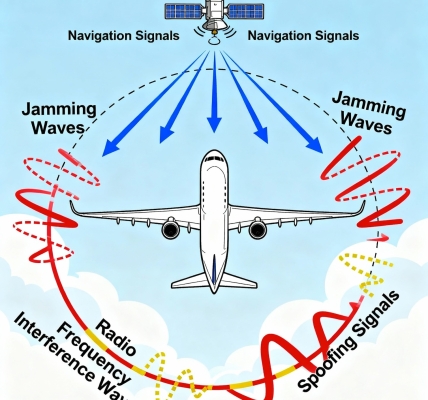

















- ICAO has adopted new global standards to enhance aviation safety, digital communication, and sustainability.
- The updates support emerging technologies and streamline future air navigation and airport operations.

ICAO Council President Salvatore Sciacchitano, on 7 April 2025, in his address to the Council, said, “At a time of unprecedented technological and operational innovation in aviation, the ICAO Council has adopted new standards that reflect the best of emerging technologies and promote its implementation. These standards provide the framework for safe implementation of tomorrow’s technologies while strengthening our existing infrastructure today.” These updates propose to enhance the security and reliability of aviation communication through new and more cyber-resilient standards for air-ground data exchange. They will facilitate a cost-effective transition to digital infrastructure while encouraging commercial off-the-shelf solutions.
To ensure the safety and sustainability of aviation’s worldwide transformation and expansion, the Council of the International Civil Aviation Organisation (ICAO) has updated the Annexes to the Convention on International Civil Aviation (Chicago Convention) on 7 April 2025 ICAO amendments, particularly to Annex 10 and Annex 14 were driven by the need to modernise and enhance aviation safety, security and efficiency in the face of evolving technologies and operation practices.
Motivation
Technological Advancements: Amendments reflect the incorporation of emerging technologies.
Operational Innovation: Changes aim to promote the implementation of innovative communication, navigation and airport operational procedures.
Safety and Security Enhancements: Improve safety and security by updating relevant standards and practices.
Sustainability and Efficiency: Address the need for sustainable aviation practices and efficient air transport operations.
Global Standards and Interoperability: ICAO strives to establish global standards for air transport facilitation, ensuring seamless travel experiences and interoperability of technologies and process:
Updated Standards
1 – Amendment 94 to Annex 10, Vol 1
a. Dual-frequency, multi-constellation Advanced Receiver Autonomous Integrity Monitoring (ARAIM) will require the alignment of different constellations.
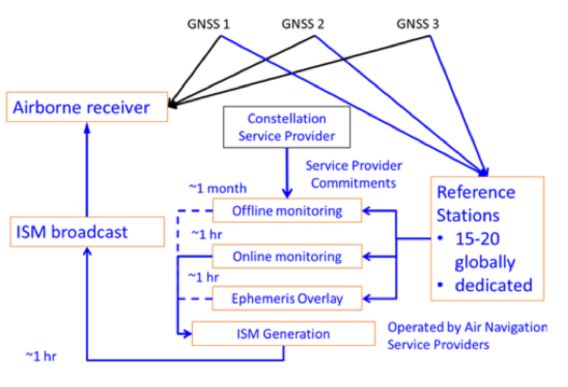
These updates introduced through satellite navigation monitoring (ARAIM) will help pilots to navigate more precisely, particularly in areas where traditional navigation aids are limited. These standards will better support implementation of Performance Based Navigation (PBN) so that pilots can select flight routes that minimise flight time, cost and CO2emission.
b. Distance Measuring Equipment (DME) coverage optimisation requirements
c. Frequency assignment planning updates for navigation systems
2 – Amendment 93 to Annex 10, Vol III
a. Aeronautical Telecommunication Network/Internet Protocol Suite (ATN/IPS) technical protocol and architecture with IPS (commercially off-the-shelf) mobility and addressing specifications
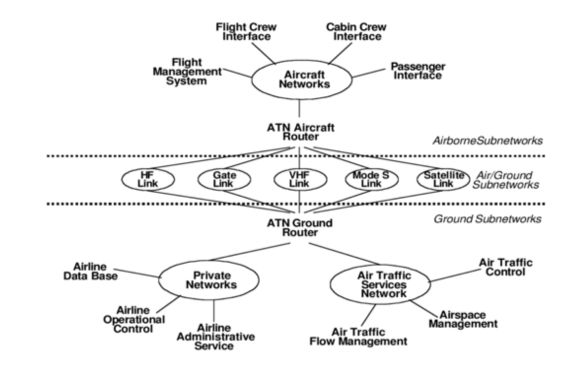
b. Security requirements for data exchange
c. System management transitions
Security and reliability of aviation communications will also be enhanced through new and more cyber-resilient standards for air-ground data exchange. They will facilitate a cost-effective transition to digital infrastructure while encouraging the use of commercial off-the-shelf solutions, broadly contributing to a stronger foundation for information sharing between aircraft and ATC.
3 – Amendment 91 to Annex 10, Vol V
a. Wireless Avionics Intra-Communications (WAIC) frequency allocation technical requirement
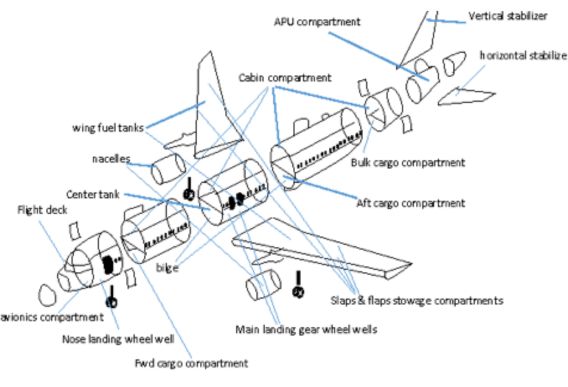
WAIC is a potential means of reducing aircraft wiring by 30% using wireless devices (and hence to reduce aircraft weight and CO2) to communicate data on radio frequencies and in place of wiring between aircraft systems that function for safety and regularity of flight.
b. Radio altimeter protection specifications
c. Frequency utilisation for navigation systems
4 – Amendment 18 to Annex 14, Vol 1
a. Obstacle Limitation Surfaces (OLS) technical criteria
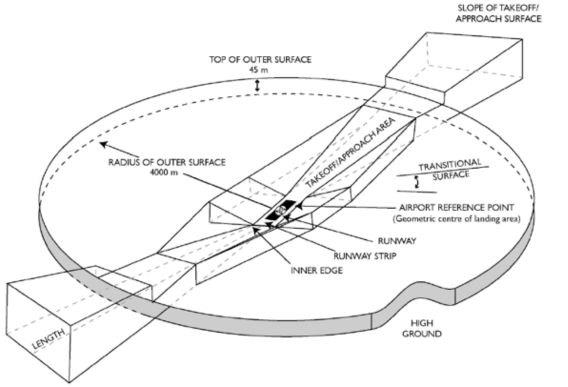
b. Visual aids specifications
c. Ground handling safety assessment
Effectively, it will reduce the restrictions of aerodrome infrastructure, such as runway width from 60m (for wingspan 65m, Code F) to 45m for large aircraft with outer main gear wheel span from 9 to 15m. Similarly taxiway width reduced from 25m to 23m. Runway strip width reduced to 140m from 150m for reference field length over 1200m. These reductions of restrictions will make more land available for other purposes. New performance based requirements for obstacle management at and in the vicinity of airports will benefit both aviation and non-aviation stakeholders, helping airports optimize land use while maintaining safety. Enhanced visual aids will give pilots better situational awareness, particularly during temporary changes to movement areas.
5 Amendment 10 to Annex 14, Vol II
a. Technical specifications for urban operations
b. Heliport certification technical requirements
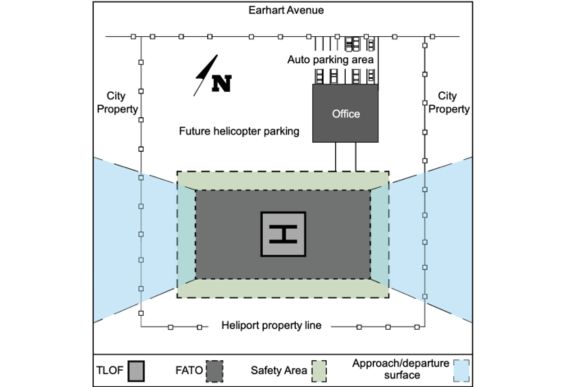
Amendment has been made to improve heliport design and operations. Some of the key areas are amendments to support vertical procedures particularly useful in urban areas, requirements for obstacle limitation surfaces in approach and take-off paths, and amendments to provide guidance in the design of approach surfaces (including turns and obstacle clearance). Updated standards now mandate the implementation of a Safety Management System (SMS) at international heliports.
c. Safety Management System (SMS) documentation requirements
6. Amendment 82 to Annex 3; PANS-MET
a. Digital information exchange requirements using ICAO Meteorological Information Exchange Model (WXXM)
b. Enhancement of Space weather information service
c. Quantitative volcanic ash concentration information

d. Enhancement of the World Area Forecast Systems (WAFS)
Update stresses on enhancing the use of the ICAO Meteorological Information Exchange Model (WXXM) for the digital exchange of aeronautical meteorological information. It also strives to improve the provision of space weather information services and integrate them into System-Wide Information Management (SWIM). It proposes to enhance quotative volcanic ash concentration information, which will help better planning and management of airspace during volcanic ash cloud events. This update enables the implementation of a globally consistent system for providing en-route hazardous weather information to pilots.