






In-flight entertainment and connectivity (IFEC) have become critical elements for airlines to engage with their passengers. Andy Masson, Senior VP, Product Management and Strategy at Panasonic Avionics, explains why it is essential to implement an effective in-flight entertainment (IFE) solution that is seamlessly integrated with global high-speed connectivity, sophisticated digital solutions, and extensive aftercare support.
Panasonic is one of the pioneers in aviation IFE – how do you view this market evolving by the end of the decade?
Airlines are increasingly seeing in-flight entertainment and connectivity (IFEC) as a third digital channel with which to engage with their passengers. Achieving this requires the right in-flight entertainment (IFE) solution, seamlessly integrated with global, high-speed connectivity, advanced digital solutions, and comprehensive aftercare support. Panasonic Avionics is bringing this approach to airlines through our four principle building blocks: in-flight systems, in-flight connectivity, digital solutions, and technical services.
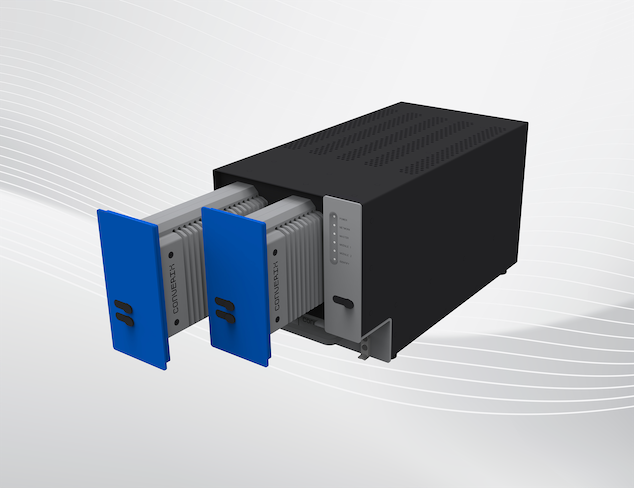
Our newest innovation, Converix™, which we unveiled at AIX in April, supports these building blocks. It’s an innovative, open and neutral application hosting platform for all IFEC integration, cabin and galley operations, lighting, and other in-cabin applications. We see Converix™ as a gamechanger in the industry and evolving the market for the next decade through its core elements, including the AI Virtual Assistant and Developer Platform. These tools will allow airlines to maximise digital engagement, drive loyalty economics, and improve operational efficiencies.
We also see digital engagement continuing to transform the passenger experience through greater personalisation. Airlines are looking to further integrate IFE, ensuring seamless connectivity between booking, pre-flight preferences, and onboard experiences. This evolution will see personalised content recommendations and service offerings strengthening passenger loyalty and engagement throughout the entire journey.
Passengers are increasingly expecting entertainment and services that mirror what they’re accustomed to on the ground, whether that’s streaming content, personalised recommendations, or interactive services linked to their journey. Additionally, we’re witnessing a major shift in cabin design, with airlines collaborating with industrial design firms to create more distinctive, aesthetically refined brand-aligned interiors. Their focus is extending beyond visual appeal to tactile passenger experience, accessibility, and overall ambience.
Panasonic Avionics supports this transformation through Astrova, our latest IFE solution, which creates an in-flight experience which is an extension of passengers’ daily lives. Astrova brings the premium feel of a home cinema to the skies. It features customisable lighting, an all-screen 4K OLED display that maximises viewing area, and an immersive 3D audio experience aligned with the sound standards of today’s top streaming platforms. It also grants passengers with up to 100W of USB-C fast charging at every seat, ensuring their devices stay powered throughout the journey.
How important is the newly announced partnership with Airbus for a future Connected Aircraft platform and the creation of next-generation IFE?
This partnership is a significant step. Subject to a definitive agreement expected later this year, together we intend to leverage Converix™ to co-develop the new on-board architecture with Airbus. This will enable an open ecosystem of applications and end-to-end services, including Airbus’ high-bandwidth connectivity solution, HBCplus.
Through this partnership, Converix™ will be brought to market more rapidly and at a greater scale, giving airlines greater confidence in adopting a platform that is future-ready, scalable and supported by a leading airframe manufacturer. Working alongside Airbus ensures that Converix™ can be integrated across a wide range of airframes, enhancing both technical interoperability and long-term support.
This approach makes installation and long-term upgrades much simpler for airlines and supports smoother integration between IFE, connectivity and data services. The collaboration positions both companies to deliver a more seamless experience for passengers while also giving airlines smarter tools and better operational data. It’s an important foundation for future cabins where everything works together more intuitively.
What are some of the key requirements being put forward by your airline customers for their IFE systems?
Airlines are consistently asking for personalisation, flexibility and sustainability. Passengers want entertainment options tailored to their interests and the ability to manage more aspects of their journey through the IFE system at their seat.
Our airline customers also need platforms that are modular and upgradable, and don’t become obsolete quickly or require costly, large-scale replacements. Astrova was designed with these needs in mind, and enables airlines to upgrade components individually as technology evolves.
There’s growing emphasis on sustainability as well. Airlines want lighter, more energy-efficient systems to help meet their environmental targets. In addition, many airlines are interested in data-driven insights, using IFE and connectivity platforms to inform service improvements and operational efficiencies.
Please elaborate on Panasonic’s pathbreaking MAYA Cabin Suite and planned milestones?
The MAYA Cabin Suite concept represents a step change in premium cabin experiences. It centres around a 45-inch curved OLED display – Astrova Curve – which delivers ultra-wide, ultra-high-definition content, giving passengers the chance to enjoy films as they were meant to be seen, in a truly immersive format.
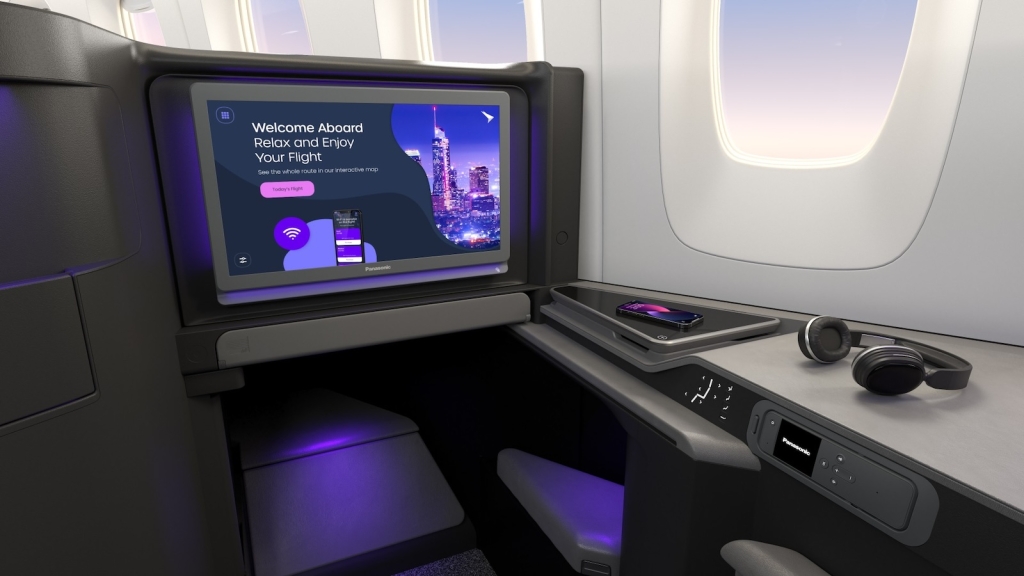
While using full-screen entertainment, the display can concurrently support multitasking, allowing passengers to monitor flight information, control their seat, or interact with other services while keeping entertainment front and centre. We couple this to an amazing 3D Headphone-less Haptic Audio system to create an immersive experience that blows the mind of the consumer.
Since unveiling MAYA, we’ve gathered valuable insights that have allowed us to move forward with productising the Astrova Curve aspect of MAYA. The curved display technology is at the heart of the suite and we’re in talks with multiple airlines about it.
Please elaborate on how Panasonic Avionics was able to overcome Covid-era supply chain constraints and learnings therein?
A significant advantage in overcoming supply chain constraints came from pooling demand across the wider Panasonic Corporation, which elevated the group to the position of the second-largest consumer of electrical components globally. This scale put Panasonic Avionics in a strong position in securing needed supplies during a time when even major electronics manufacturers were struggling.
Despite industry-wide challenges, particularly in the semiconductor sector, these coordinated efforts enabled us to stabilise our supply chain and maintain production momentum, and we’ve been in a good place for a while since.
What are the steps that Panasonic Aviation has taken towards greater sustainability and recyclability of its IFE products?
Sustainability is built into Panasonic Avionics’ latest products from the ground up. The Astrova seat-end solution has been designed with a modular architecture, which means airlines can upgrade specific elements rather than replacing entire systems, helping to reduce waste and extend the lifecycle of the product.
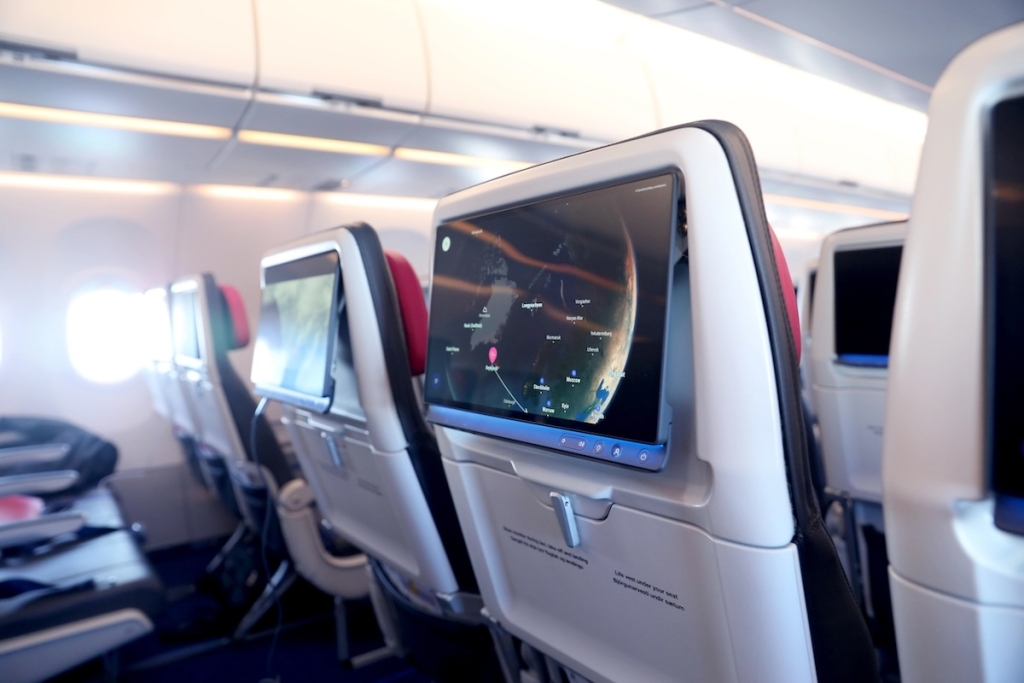
Astrova is approximately 30% lighter than previous-generation systems, which helps airlines cut fuel burn and lower emissions. The use of fewer plastics, coupled with the use of recyclable material also supports our strict environmental goals and helps airlines balance passenger improvements with their own sustainability commitments.
These innovations have been recognised by awards such as Red Dot, acknowledging both the design and environmental benefits.
Our latest innovation, Converix™, also builds on these same sustainability principles. By consolidating a wide range of cabin functions, from IFEC to lighting and galley management, into a single, lighter and lower-power unit, Converix™ reduces both hardware weight and onboard energy consumption. Its modular design means airlines can scale processing power or storage as needed without overhauling the full system, helping to reduce material use and avoid unnecessary waste. Fewer server boxes and less cabling not only make the aircraft lighter but also simplify the maintenance and further lower the environmental footprint over the products’ lifetime.
What are the steps that Panasonic Aviation is taking towards reaching net-zero carbon emissions?
Panasonic Avionics is aligning with Panasonic Group’s global commitment to achieve net-zero carbon emissions by 2030 (for scope 1 and 2 emissions) and to contribute towards carbon neutrality across our entire value chain by 2050. The modular design of our systems including Astrova and Converix™ helps is and our customers extend product life and reduce waste by allowing components to be replaced individually rather than entire systems being discarded.
Operationally, Panasonic Avionics is working to decarbonise its own facilities and manufacturing processes, improving energy efficiency and incorporating renewable energy sources where possible. There’s also a focus on sustainable materials sourcing and increasing recyclability across the product lifecycle. Importantly, the company supports airlines in their sustainability goals too by providing lighter, more efficient IFE seat-end solutions like Astrova to contribute to airlines’ own carbon reduction targets and support industry-wide decarbonisation efforts such as the IATA Fly Net Zero commitment.