















- India’s planned relaunch of air cargo services to Afghanistan reframes air freight from a stopgap solution into a strategic trade corridor.
- Amritsar’s underutilised airport is being positioned as a gateway for high-value Indo-Afghan trade via a proposed Kabul–Dubai axis.
- Committed cargo volumes and procedural reforms could turn air cargo into durable economic infrastructure rather than episodic connectivity.

For decades, trade between India and Afghanistan has moved not through stable commercial corridors but through narrow political windows. Land routes have been fragile, maritime options circuitous, and banking channels inconsistent. In that context, air cargo has never been a luxury; it has been a necessity. Now, as India prepares to relaunch dedicated air freight services to Afghanistan, that necessity is being recast as strategy.
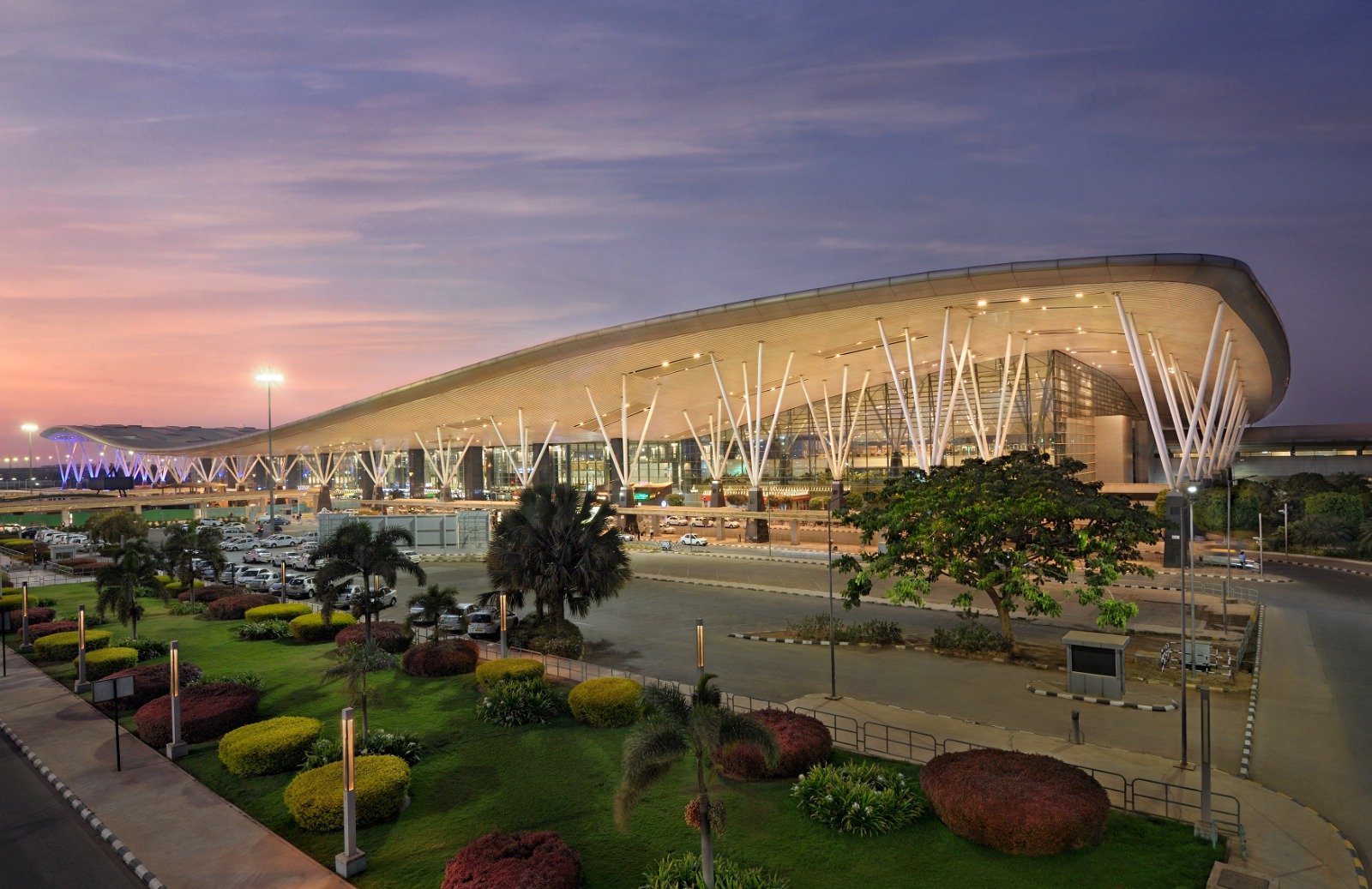
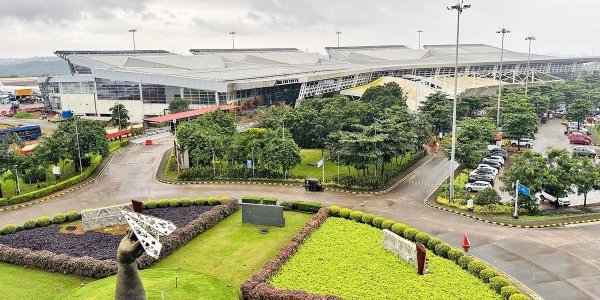
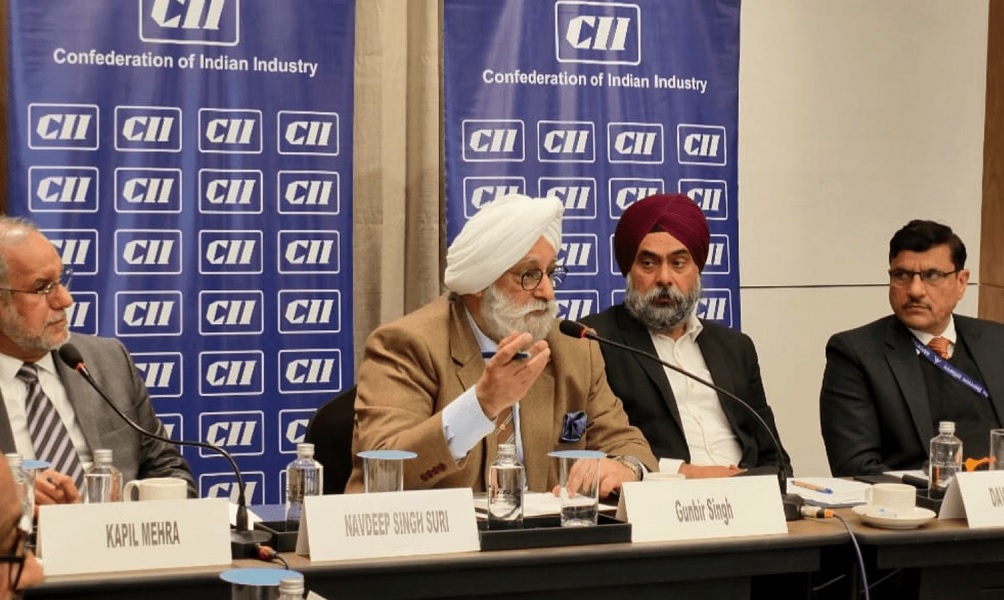
The renewed focus was evident at a recent meeting of the Confederation of Indian Industry (CII) Amritsar Zonal Council, where air cargo emerged as the most viable lever to revive Indo-Afghan trade. The venue itself was symbolic. Sri Guru Ram Dass Jee International Airport handled just 972 metric tonnes of exports and 236 tonnes of imports last year — a fraction of its capacity and far below what its geography should support. For a city historically positioned as a gateway to Central Asia, that underutilisation represents a strategic gap waiting to be closed.
Afghanistan’s trade with India has long centred on high-value, time-sensitive commodities: fresh and dried fruits, nuts, saffron, carpets, and increasingly pharmaceuticals and processed foods moving in the opposite direction.
These goods are poorly suited to uncertain land routes or slow sea transit. Air cargo, despite its higher cost, offers predictability — and in fragile trade relationships, predictability is currency.
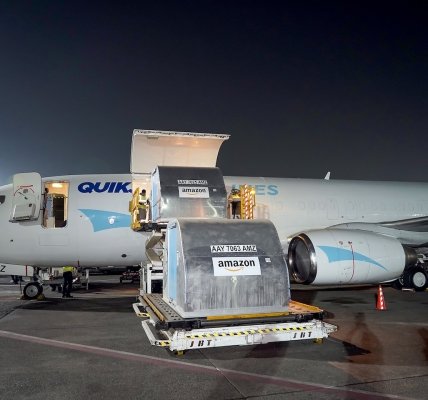
That reality was acknowledged bluntly during the CII session. Stakeholders flagged familiar constraints: limited aircraft availability, short customs operating hours, holiday shutdowns, and fragmented coordination between airlines, customs, and airport operators. None are insurmountable, but together they have kept Amritsar’s cargo volumes artificially low.
Former Indian ambassador Navdeep Suri described the meeting as the “finest granular interaction on trade” he had seen among Indian chambers and proposed a pragmatic idea: an Amritsar–Kabul–Dubai trade axis supported by frequent wide-bodied aircraft. Kabul would provide access to Afghan exports, Dubai onward global connectivity, and Amritsar an anchor for India’s agricultural and manufacturing hinterland.
One of the chronic challenges in Indian air cargo — absence of committed volume — also showed signs of easing. Rahat Cargo managing director Sunil Kohli offered to underwrite between 1,500 and 1,800 tonnes of cargo per week, provided two conditions were met: swift clearances and aircraft suitable for perishables and general cargo. The offer matters. It signals to airlines that demand is real, and to authorities that procedural delays now carry a quantifiable economic cost. For Amritsar airport, such volumes would be transformative.

Photo: X/@DrSJaishankar
CII leaders were clear about the cargo mix. Farm produce topped the list, reflecting Punjab’s agricultural strength, followed by textiles, pharmaceuticals, and value-added food products. For Afghanistan, the return flows — fresh fruits, dry fruits, herbs, and carpets — fit squarely within air freight economics.
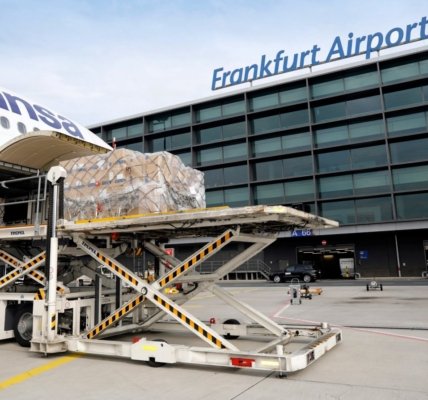
The timing is deliberate. In November 2025, an Indian foreign ministry official confirmed that air cargo services between India and Afghanistan would be launched soon, aligning with a broader recalibration of India’s EXIM strategy as tariffs, selective trade agreements, and supply-chain resilience reshape trade flows. Within this framework, Afghanistan occupies a delicate but important place. Air cargo allows India to sustain economic engagement while bypassing chokepoints that have historically disrupted surface routes.
There is a reason Amritsar keeps resurfacing in these discussions. Proximity to agricultural belts, existing cold-chain infrastructure, and uncongested airspace give it natural advantages. Unlocking them does not require grand terminals or heavy capital expenditure — only alignment: longer customs hours, predictable holiday rosters, better coordination, and the will to treat cargo as core economic infrastructure.
The Indo-Afghan air cargo push should not be judged solely by tonnes or flight counts. It marks a shift from ad hoc humanitarian corridors to structured commercial connectivity. In South Asia, aviation is not just about connecting cities — it is about keeping economic relationships airborne when everything else is grounded.
Also Read: China’s ‘10-Flight Rule’ Keeps Indian Cargo Carriers Grounded