




















India’s expanding aircraft orders are testing not only manufacturing capacity but also production culture. Paul Righi, Boeing’s Vice President of Sales and Marketing for Eurasia, India, and South Asia, explains how a strong safety and quality culture, supported by disciplined manufacturing, closer control of the supply chain, and workforce readiness, supports on-time aircraft deliveries with assurance as Indian and regional fleets continue to grow. He underlines the importance of addressing quality issues early, maintaining stable production teams, and working closely with suppliers and regulators as output increases.
India’s aviation sector is entering a phase of sustained, large-scale expansion, supported by strong passenger demand and significant government-led investment in aviation infrastructure. The development of new airports, expansion of existing facilities, and policy initiatives to improve regional connectivity are strengthening the foundation for continued growth.
Alongside airline fleet modernisation and network expansion, these factors are positioning India to play an increasingly central role in global aviation growth. Over the next 20 years, Indian and South Asian airlines are projected to add over 2,800 commercial aircraft, nearly quadrupling the region’s current fleet.
As this expansion gathers pace, attention is shifting from growth potential to execution readiness. Safety, quality, and delivery reliability are core to sustaining confidence in aviation and enabling the industry to scale responsibly. Against this backdrop, Indian airlines have placed significant aircraft orders to support domestic, regional, and international expansion. Meeting this demand is not just about producing more aircraft, but about scaling with discipline through resilient supply chains, robust manufacturing systems, and consistent quality at delivery.
Safety and quality as the foundation for scale
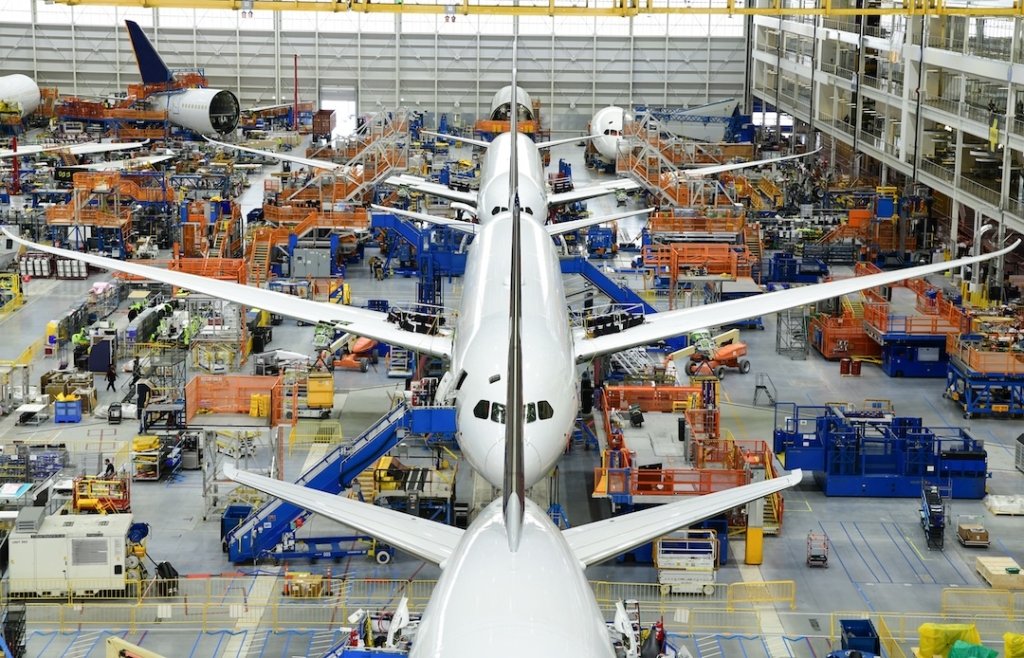
At Boeing, a sustained focus on safety and quality has long underpinned how airplanes are designed and built. In recent years, the company has further strengthened quality oversight across its production system, with a heightened emphasis on deeper, data-led engagement with its global supplier base. Improved visibility into supplier performance, more frequent reviews, and closer collaboration are enabling issues to be identified and addressed earlier in the manufacturing cycle.
These steps are delivering measurable outcomes. Stronger supplier oversight and process discipline have contributed to a reduction in defects by up to 40%, alongside a decline in pending or unfinished jobs by approximately 60% as aircraft progress through final assembly. By addressing quality earlier in the build process, Boeing is supporting smoother production flow, greater stability, and higher-quality aircraft at delivery.
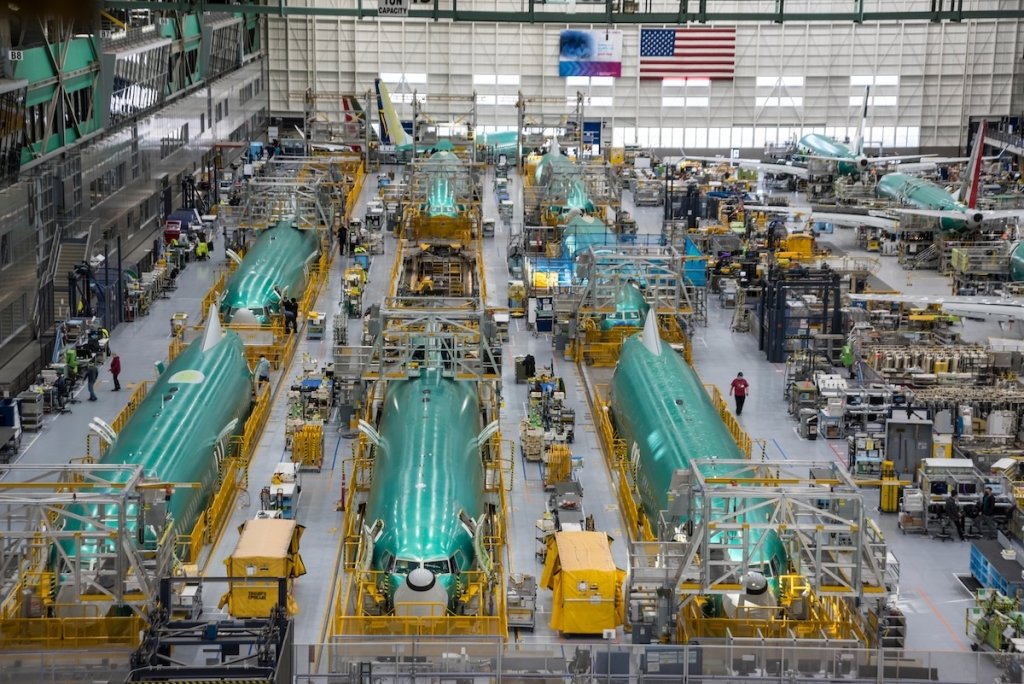
Sustaining these improvements requires continued investment in workforce readiness, training, and support.
Hiring, training, and workforce stability are therefore central to Boeing’s production planning, recognising that skilled teams are essential to maintaining safety and quality as output increases.
This people-first approach includes clearer work instructions, stronger quality accountability on the shop floor, and ensuring teams have the time and tools needed to do the job right, supported by ongoing investment in training and development.
With quality systems and workforce foundations in place, Boeing is taking a measured approach to increasing production rates. Output increases are aligned with supplier readiness, workforce capacity, and regulatory oversight, supported by enhanced inventory planning and improved material flow. For customers, this disciplined approach translates into greater delivery predictability and increased confidence in fleet planning.
Scaling safely through shared responsibility
Safety in aviation is a shared responsibility, built on collaboration across the ecosystem. Manufacturers, airlines, suppliers, and regulators each play an interconnected role. Ongoing engagement with regulators, transparent sharing of performance indicators, and alignment on global standards are essential to maintaining trust as the industry grows.

As India’s aviation sector continues to scale, strong coordination across stakeholders becomes increasingly important. Shared accountability and consistent safety cultures help ensure that growth is supported by resilient systems and processes.
Looking ahead, India’s aviation journey is entering a defining decade. The scale of projected fleet growth underscores both the opportunity and the responsibility facing the industry. Sustainable expansion will depend on disciplined execution and a continued focus on the fundamentals.
Safety and quality are not constraints on growth; they are essential enablers that allow the aviation ecosystem to scale with confidence. By strengthening quality systems, improving supplier performance, adopting a people-first approach to production readiness, and scaling output responsibly, Boeing remains focused on supporting customers in India and across the region.
As air travel continues to connect more people, cities, and markets, India’s leadership in safe and sustainable aviation growth will play an increasingly important role in shaping the industry’s future.
About the Author: Paul Righi is Vice President of Commercial Sales and Marketing for Eurasia and India at Boeing Commercial Airplanes, overseeing airline sales and customer relationships across the region. A Boeing veteran since 1997, he has also led commercial engagement with engine suppliers within Boeing’s propulsion supply chain. Righi holds a degree in Aeronautical Engineering from Embry-Riddle and an MBA from UCLA.
Also Read: Not Boeing, Not Airbus: Why Adani’s Embraer Bet Is About Power, Not Planes