








- India’s aviation landscape is entering a phase of power assertion, shifting from passenger-volume growth to value ownership. With policy, infrastructure, and fleet expansion converging, IndiGo stands at the forefront of India’s effort to capture and retain aviation value within its own ecosystem.
- Under CEO Pieter Elbers, IndiGo is evolving from a low-cost operator into a globally relevant carrier built on scale, efficiency, and network reach — positioning itself to rebalance India’s long-haul market presence and reflect the country’s growing aviation ambition.
- For the first time, India’s national aviation strategy and its largest airline’s growth agenda are moving in tandem — making IndiGo a strategic extension of India’s global aviation ambition, not just a commercial success story.
India is entering a decisive aviation decade.
The country is no longer merely “a fast-growing market” — it is now structurally shifting from a passenger-growth phenomenon to a global aviation powerplay where network width, traffic rights, bilateral leverage, fleet scale and manufacturing diplomacy are going to determine who actually captures the next trillion-dollar value unlock.
IndiGo — by sheer scale, operating discipline and the absence of legacy drag — is attempting to position itself as the single biggest beneficiary of that secular India upswing.
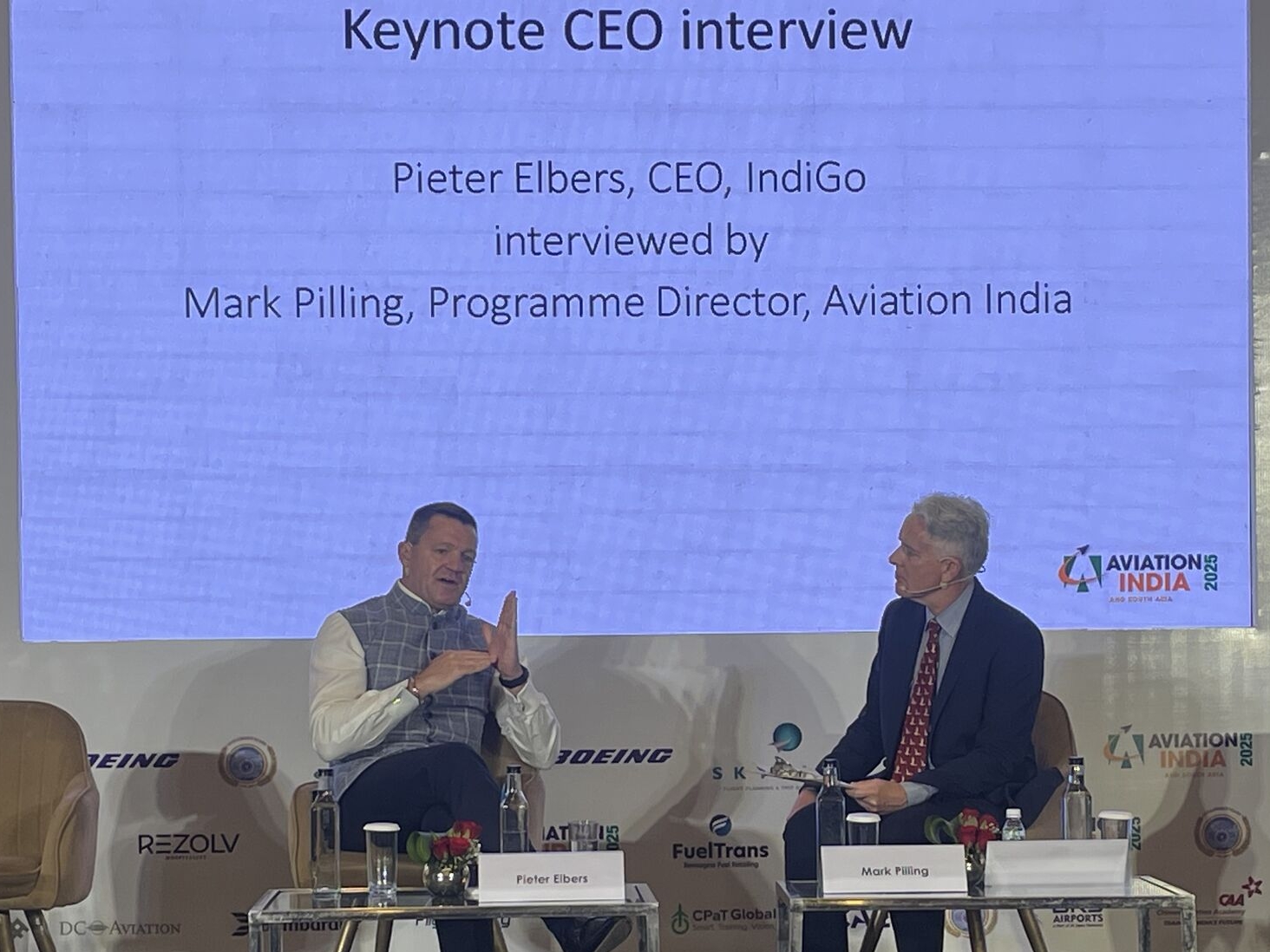
“India will be one of the three largest aviation markets in the world in the foreseeable future. Our job is to ensure IndiGo remains structurally positioned to capture that opportunity,” says IndiGo CEO Pieter Elbers while speaking at the India Aviation Summit. The statement is not marketing optimism. It is almost macro inevitability.
This is not a quarter-to-quarter airline narrative anymore. This is a nation-state, along with a scale carrier, keen on getting a policy alignment story right.
What is changing? India wants to control value, not just volume. Until now, India was an origin-destination volume generator. The world carried Indian traffic. Gulf carriers, European network carriers and East Asian players monetised India-origin demand far more than Indian carriers could.
Now, that is gradually but firmly changing.
There is a clear directional pivot in New Delhi’s aviation philosophy. India doesn’t want to merely be large. India wants strategic aviation leverage — like US, China, UAE, Singapore historically did — where aviation scale compounds national competitiveness.
Which is why the government narrative now is quiet but visible: grow domestic infrastructure, widen long-haul carrier capability, build Indian processing + Indian hubs, develop aerospace manufacturing clusters, aggressively build talent and allow airlines to scale entering J-curves of network globalisation.

This is why IndiGo suddenly matters more to policy vision than ever before — because India cannot afford a decade in which only foreign carriers harvest the upside while Indian carriers remain merely large domestically.
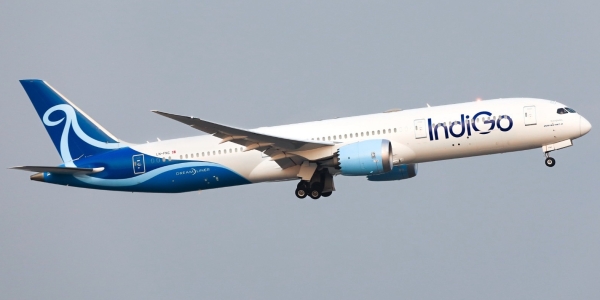
IndiGo is playing its role as a low-cost airline that is trying to become a global value carrier. IndiGo is not trying to become Emirates or Singapore Airlines in classical premium-service mimicry. Its strategy is fundamentally cost-leverage + density + predictability + relevance. “IndiGo is the world’s largest A320 family operator. Scale gives us the ability to create choices and relevance — not just capacity,” Elbers points out.
This is the first time IndiGo is designing a decade strategy, not a 2-3 year fleet step. Its order book, fleet density and cost certainty gives it a network platform from which long-haul is no longer a speculative adventure. It is a structural option.
India’s middle class is entering the long-haul bandwagon. Bilateral resets are coming. And India’s global engagement density is rising across trade, academia, and supply chain relocations. IndiGo is positioning itself to be the Indian connector of this.
It is to Europe that IndiGo is looking to leverage India’s window. Europe is where the structural distortion is most visible. European carriers disproportionately enjoy far greater access and advantage in India compared to Indian carriers’ access to Europe, not formally as a policy discrimination, but in the outcome of historical bilateral constructs , along with fleet readiness and long-haul readiness.
Indian carriers’ share is significantly below parity with foreign carriers in the India-Europe space. This imbalance is not sustainable in the next decade — politically, commercially or diplomatically — given India’s trade architecture tilt (FTA windows, the G20 stance and supply chain diversification). IndiGo knows this. And IndiGo is preparing to be the Indian counterweight when the bilateral window resets.
This is strategic timing — not tactical flying.
To top it all, India’s focus on infrastructure building has finally reduced structural “drag costs”. For 25 years, Indian airlines had scale aspirations but were held hostage by infrastructure friction. Airport choke, night closures, ATC delays, insufficient integrated cargo design, and a shortage of MRO depth — all were structural taxes on Indian airline competitiveness.

Photo: IndiGo
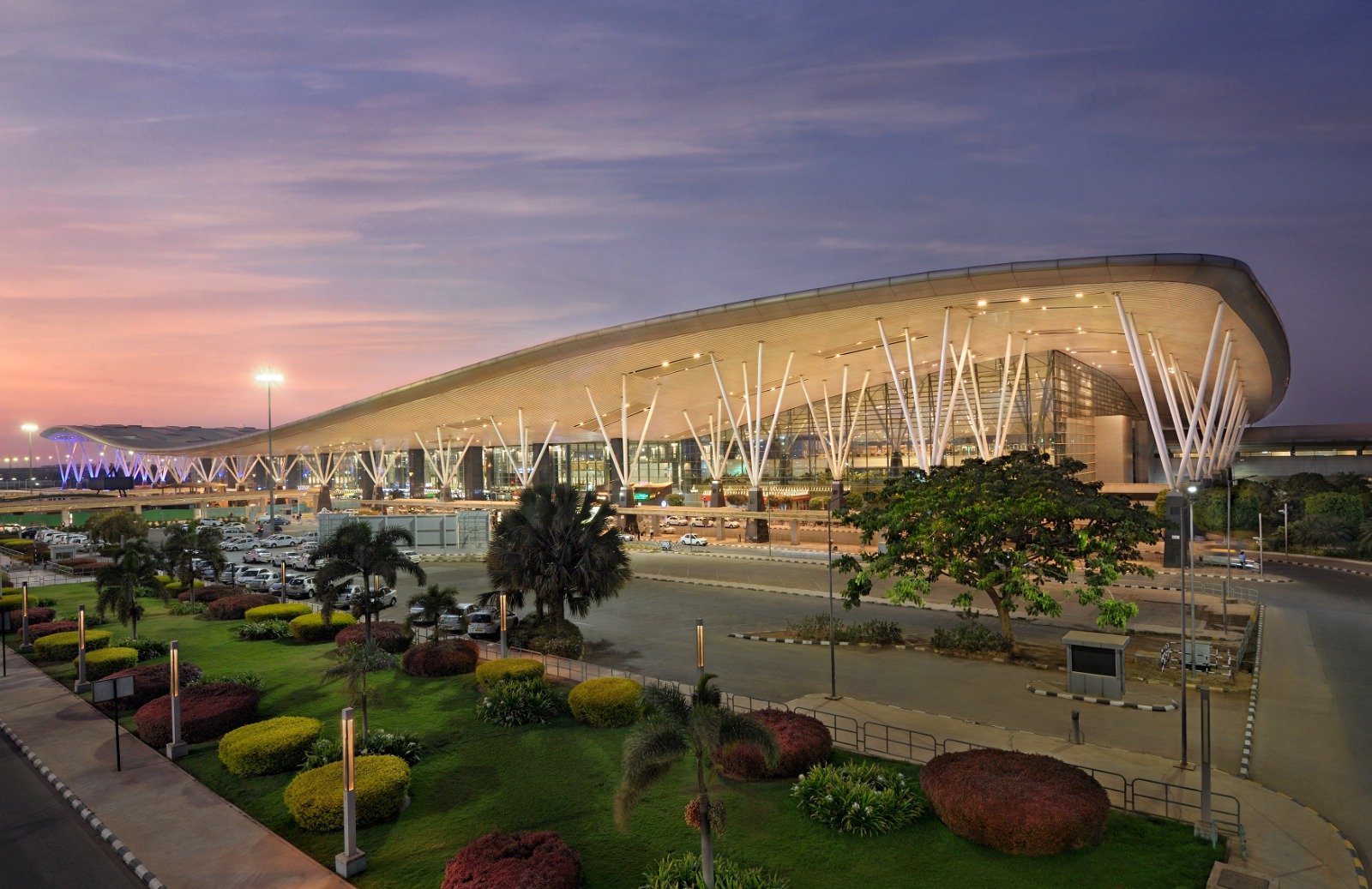
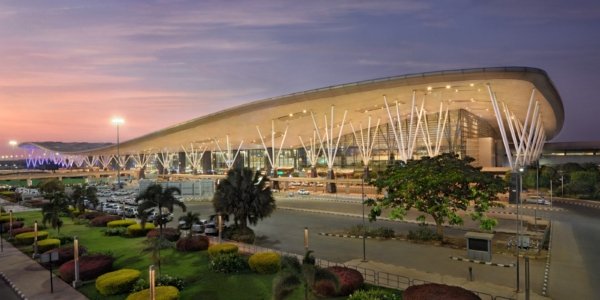
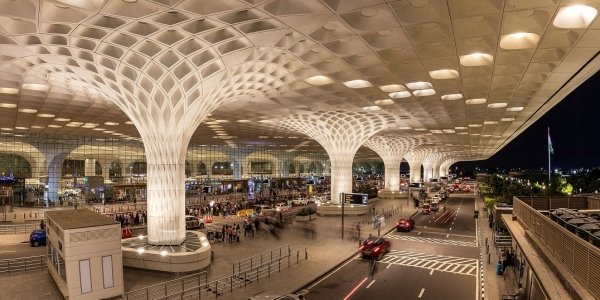
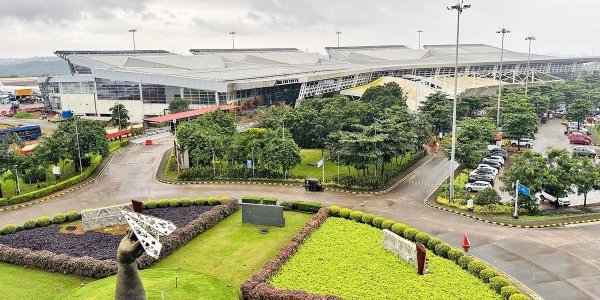
That inflexion is now shifting. India’s airport capacity build-out in the last 36 months has been the most transformational in national economic infrastructure — not roads, not ports, not power — aviation.
New airports, second airports in metros, upgrades, expansion, belly cargo optimisation, and new aero-city real estate integration.
India is basically creating breathing room for scale carriers to monetise India-origin aviation demand on Indian airline balance sheets — not transfer it overseas. That is why IndiGo’s international ambition aligns so clearly with the national aviation strategy.
For the first time in history, India and its largest domestic airline are aligned in incentives.
IndiGo is structurally advantaged versus any new challenger in this decade with its three important structural pillars:
- Operating discipline
- Fleet depth and pipeline scale certainty
- Cost architecture that makes global connectivity financially viable
This is not due to its brand. It is balance sheet mathematics. Indian aviation has never had a scaled carrier with IndiGo’s cost and network discipline, and the freedom to think 10 years ahead — not trapped in daily survival volatility.
This means a lot for India’s aviation decade. If IndiGo executes long-haul smartly, India, for the first time, will have an airline capable of capturing demand globally, not just feed traffic to others.
This is geopolitical aviation leverage — not just commercial. India’s aviation future is not about IndiGo “becoming a global airline” in a marketing sense. It is about making the Indian aviation system globally assertive.
IndiGo will be the bellwether test. “India deserves more direct connectivity. Traffic rights must reflect the new reality. If India is becoming one of the largest aviation markets, Indian carriers must also have access to monetise that opportunity globally,” Elbers stresses.
This is the strategic truth: IndiGo is not merely scaling because India is growing. IndiGo is scaling because India is transforming — and this time, the value chain opportunity actually lies within India.
Europe will get renegotiated. Asia long-haul will expand. Fleet arrival cycles match India’s macro expansion cycles. New airports have reduced friction. India is not doing aviation catch-up anymore; India is actually entering aviation power assertion.
If IndiGo captures 20% of the global value layer that Indian demand generates, India’s aviation economy becomes structurally different from the previous 25 years. It becomes India-first in value capture — not India-origin exports of value to foreign hubs.
This is the real story.
IndiGo is not just India’s largest airline. IndiGo could become India’s instrument of aviation power projection — at the exact moment India is entering its global economic adulthood.
The next decade is the alignment decade: India’s aviation economic rise + IndiGo’s scale leverage. This alignment makes IndiGo — and India — impossible to ignore in global aviation policy, bilateral negotiations and value chain extraction.
And that is the story investors, policymakers, and global carriers finally need to understand.
IndiGo doesn’t want premium signalling. IndiGo wants international intimacy. IndiGo wants familiarity even as it wants diaspora comfort translation.

IndiGo wants to become the “default India airline” for Indians globally, the way Southwest became the default American airline psychologically — and then scaled business relevance from that position.
And Pieter Elbers knows that Indian value perception is not about status — it is about trust.
Domestic-first leaders in India have historically been kidnapped by domestic fights — slots, airport disputes, yield cycles, the political ecosystem, state airports, fleet fights. An external leader who is not trying to “fix legacy trauma” but to “architect future opportunity” was structurally required for IndiGo 3.0.
Elbers is just that. He has entered without domestic airline cultural baggage. His timing is right: India itself wants to globalise industrially — not just commercially. In a way, Elbers wears two hats: first, as a CEO and then as an ambassador of India’s global aviation industrial positioning.
IndiGo will cross 200 million pax by decade end. That is not a traffic number. That is a population system scale airline. India is the only country with the macro-demographic profile to produce a non-US mega-airline environment in the future.
Elbers is trying to make IndiGo the first carrier in the Global South that becomes structurally global with Southern population aviation gravity — not because of reasons like petro geopolitics or legacy identification — but because of sheer national population scale and mobility demand.
Also Read: Air India’s Quiet Revolution: From Rebuild to Global Flag Carrier