





India–China Flights Resume After Five Years, Starting with IndiGo’s Kolkata–Guangzhou Route

- India and China have re-established direct air links after five years, with IndiGo launching daily Kolkata–Guangzhou flights under a new bilateral air services agreement.
- Air India plans to restart Delhi–Shanghai flights by the end of 2025, while China Eastern will begin Shanghai–Delhi services from November 9, followed by other Chinese carriers in phases.
- The revised accord provides equal flight rights to both sides, expected to bring lower fares, faster connections, and renewed growth in business, tourism, and cargo trade, paving the way for up to 40 weekly flights by early 2026.
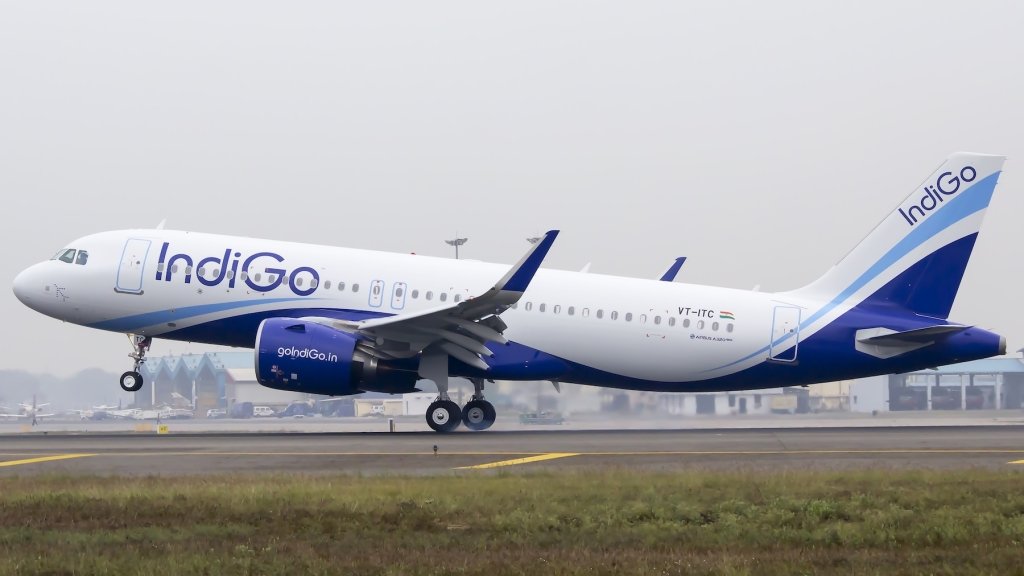
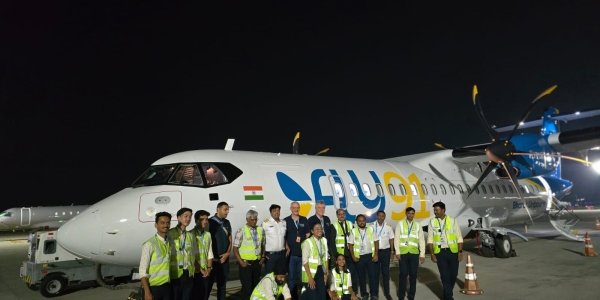
Five years of vacant skies came to an end with India and China formally re-establishing direct air links — an eagerly anticipated revival that has the potential to redefine business, commerce, and tourism between the two Asian giants. On October 26, 2025, IndiGo launched the first flight to resume non-stop services with a daily Kolkata–Guangzhou operation, the revival of scheduled air services under a newly negotiated bilateral air services accord.
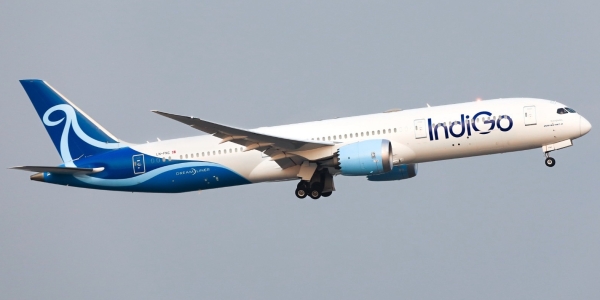
IndiGo, India’s largest carrier by market share, is spearheading the revival. The airline’s Airbus A320neo service from Kolkata to Guangzhou — with 176 passengers on the inaugural flight — reconnects two key commercial and manufacturing hubs. The route had been one of the most consistent performers before operations halted in early 2020.
Following the successful launch, IndiGo plans to begin Delhi–Guangzhou flights from November 10. The airline is also evaluating additional routes to Shenzhen and Chengdu, depending on traffic rights and demand.
Pieter Elbers, Chief Executive Officer at IndiGo, said:
“We are excited to be the first Indian carrier to resume our daily non-stop flights between Kolkata and Guangzhou, reinstating one of the most important air links between India and China. Guangzhou, as a major commercial hub, offers immense opportunities for Indian businesses, exporters, and professionals. At the same time, it opens doors for Chinese travellers and investors to explore the rich culture and growing markets of India. This strategic move will enhance bilateral ties, support MSMEs, and boost tourism, education, and healthcare in both countries. Strengthening such links is key to our purpose of giving wings to the nation, and increasingly to the world.”
Air India is next in line. The Tata-owned flag carrier is preparing to restart Delhi–Shanghai operations by the end of 2025 using Boeing 787 Dreamliners. The service will mark India’s first full-service connection to mainland China since the shutdown of international routes in 2020.
Sources in the Ministry of Civil Aviation confirm that Air India’s proposal is in the final phase of regulatory approvals. The route aligns with the airline’s wider international growth strategy under its Vihaan.AI transformation plan — restoring suspended destinations in East and Southeast Asia and expanding its long-haul network.
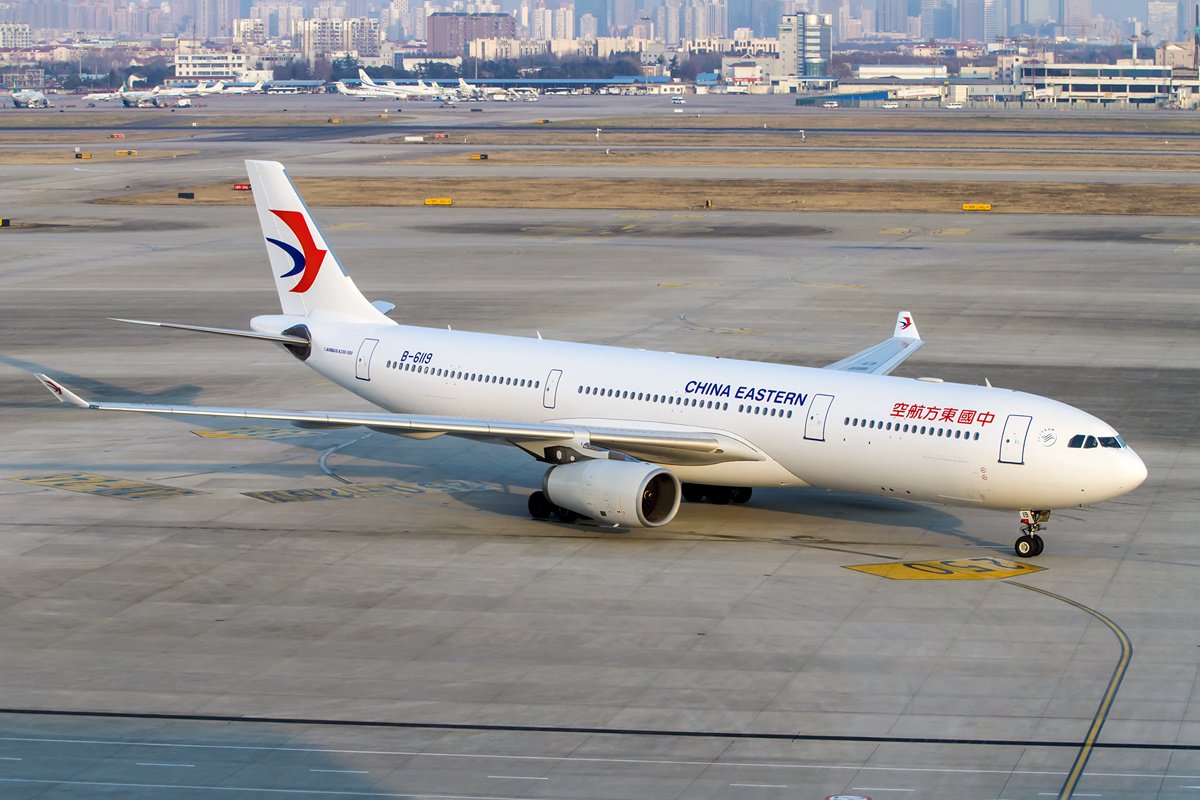
On the Chinese side, carriers are preparing for phased resumptions. China Eastern Airlines will relaunch thrice-weekly Shanghai–Delhi flights from November 9 using Airbus A330 widebodies. Air China and China Southern are expected to follow with services from Beijing and Guangzhou, while Shandong Airlines is in talks to restore its Kunming–Kolkata operations once its operating authorisation is renewed by India’s Directorate General of Civil Aviation (DGCA).
Before 2020, Chinese carriers dominated direct traffic between the two countries, operating nearly 70% of all flights. Combined, they offered over 40 weekly connections linking Delhi, Mumbai, and Kolkata to major Chinese cities. The Guangzhou – Delhi corridor alone, for example, totalled nearly a quarter of the capacity on the India-China network.
The resumption follows the conclusion of a revised India–China Air Services Agreement earlier in 2025, following multiple technical-level meetings between the civil aviation authorities. The updated framework defines designated points, flight frequencies, and operational parameters for both scheduled and non-scheduled flights.
The earlier bilaterals, active until 2019, permitted about 539 direct flights per month—roughly 126,000 seats— of which Indian carriers operated only about one-third. The rest were run by Chinese airlines. The revised arrangement seeks a more balanced distribution, offering both sides equal entitlements to expand flights based on market demand and capacity utilisation.
As of the new winter schedule, IndiGo’s daily Kolkata-Guangzhou operation marks the first active route under the updated bilateral, with Air India’s Delhi-Shanghai and China Eastern’s Shanghai-Delhi following shortly. Within the next six months, the total number of flights could rise to nearly 40 per week if airlines exercise their full entitlements.
Airline planners on both sides are adopting a cautious, phased approach. Current capacity will be well below 2019 levels for at least two quarters as carriers rebuild market confidence and fine-tune schedules. Analysts expect frequencies to ramp up progressively through 2026 as business and student travel normalise.
Industry watchers say the balance of power could shift this time. The Indian side is far stronger than before. IndiGo’s aggressive international push and Air India’s long-haul resurgence under the Tatas mean Chinese carriers may no longer dominate capacity the way they once did.
Travel agents in Delhi and Mumbai report strong forward bookings and anticipate a sharp fall in fares as competition heats up. On routes such as Delhi-Shanghai and Kolkata-Guangzhou, return fares that had crossed ₹70,000 via third-country hubs are expected to go down by up to 30% once multiple direct options are available. For passengers, the biggest gain is time. The restored direct flights reduce travel durations by up to seven hours compared to transits through Bangkok, Singapore, or Kuala Lumpur.
Beyond passenger demand, the India–China corridor is a major air freight market — particularly for electronics, pharmaceuticals, and textiles. Both Air India and China Eastern are reportedly exploring additional belly capacity and potential dedicated cargo operations on their routes. IndiGo, which has been expanding its freighter network across Asia, could be expected to leverage the new connection for express and e-commerce cargo as well.
Unlike previous years, the focus of this reopening is squarely on operational cooperation and commercial viability. With aircraft already back in the skies between Kolkata, Guangzhou, Shanghai, and soon Delhi, the two sides are taking a pragmatic approach — rebuilding the aviation bridge flight by flight, rather than headline by headline.
In the coming months, as more airlines resume services and frequencies rise, India and China will not only reconnect their travellers and businesses but also revive one of Asia’s most strategic aviation corridors — one that promises to grow faster, stronger, and more balanced than before.
Also Read: IndiGo to Restart Direct Flights to China, Kolkata and Delhi to Guangzhou, from October 2025