












India’s Seaplane Push: Can Policy Create a Market That Doesn’t Yet Exist?

- India’s renewed seaplane push through the Union Budget and UDAN route allocations highlights policy intent, but the sector still lacks the operating structure—consistent passenger demand, infrastructure readiness and coordinated tourism integration—needed to sustain commercial services.
- Earlier experiments, including the Ahmedabad–Kevadia seaplane route, showed that novelty alone cannot sustain operations; high aircraft utilisation and predictable traffic are essential, as demonstrated by the Maldives where seaplanes operate as an integrated part of the tourism connectivity network.
- With early estimates suggesting only a limited fleet requirement in the coming decade, the success of India’s seaplane initiative will ultimately depend on building a broader ecosystem—tourism partnerships, water aerodrome infrastructure and regulatory clarity—that can support viable operations.
India’s long rumoured seaplane plans are back on the agenda. The Union Budget 2026–27 announced incentives for domestic seaplane production and a Viability Gap Funding (VGF) scheme for operators.
Together with the development of water aerodromes and plot allotments under the UDAN regional connectivity scheme, it appears that policymakers are intent on creating a seaplane system.
Yet behind the revived policy drive lurks a basic question that the aviation industry is quietly asking: can government policy create a market that doesn’t exist? In contrast to regional turboprops or helicopters, the Indian commercial seaplane market is still mostly hypothetical. Operators caution that infrastructure remains scarce, and earlier experiments have struggled to demonstrate that they are sustainable.
For policymakers, the task is not just about launching flights—it’s about cultivating an ecosystem in which planes, operators, infrastructure, and tourism demand grow in tandem. But that ecosystem has been largely absent so far. What it has lacked is the operating structure that keeps such aircraft flying consistently enough to make the economics work.
India’s forays into seaplanes have been mostly about hopeful trials. The first attempt at commercial operations began in 2010 when Pawan Hans flew an amphibious Cessna Caravan service from Mumbai’s Juhu aerodrome, catering to coastal tourism destinations along the western coastline.
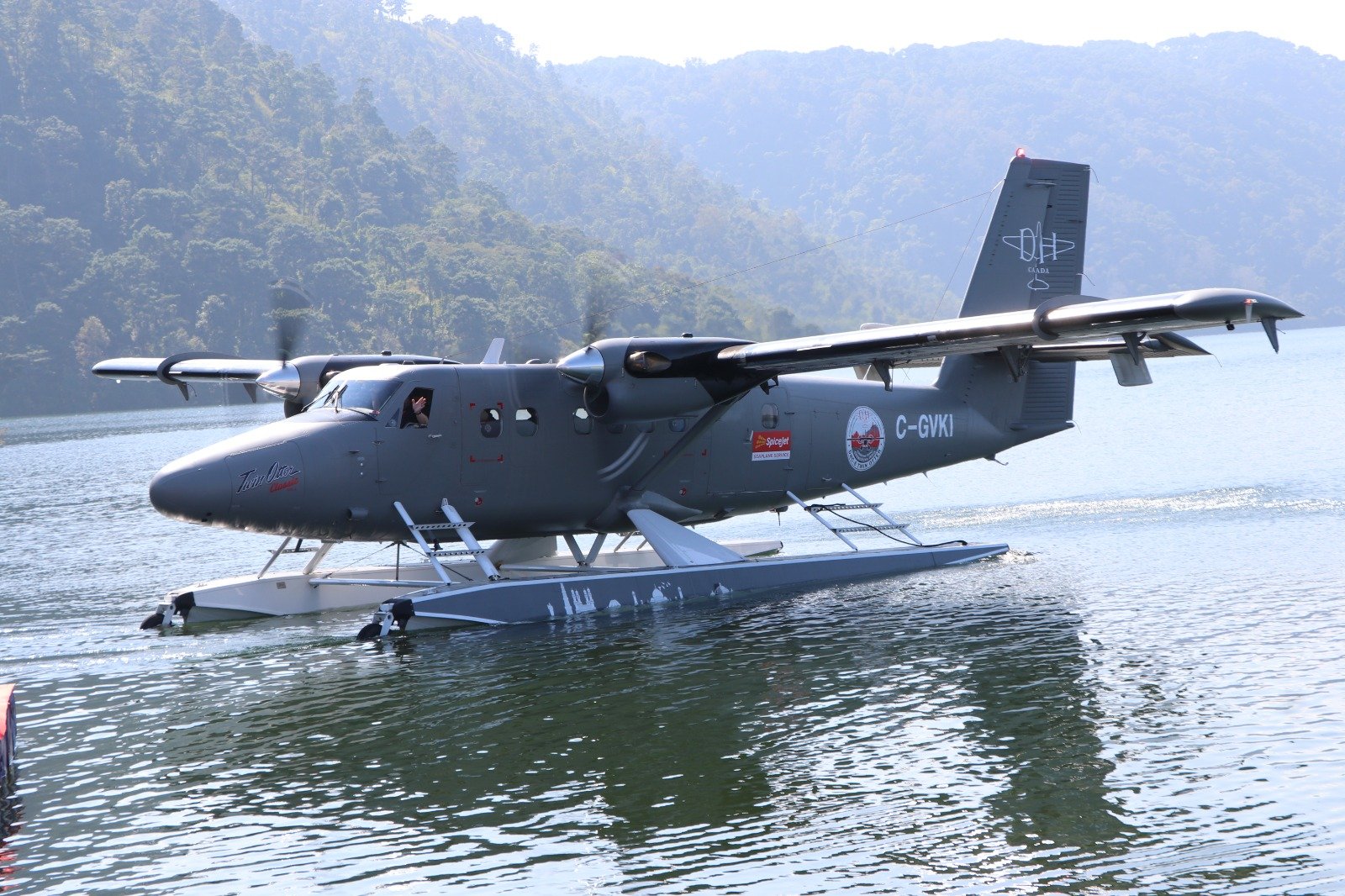
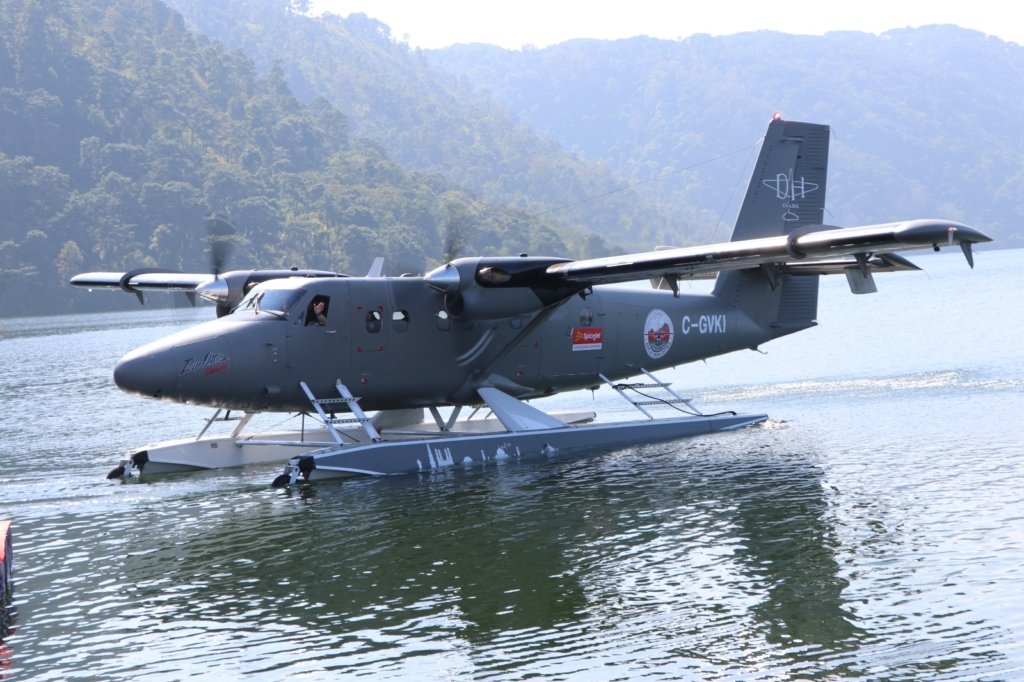
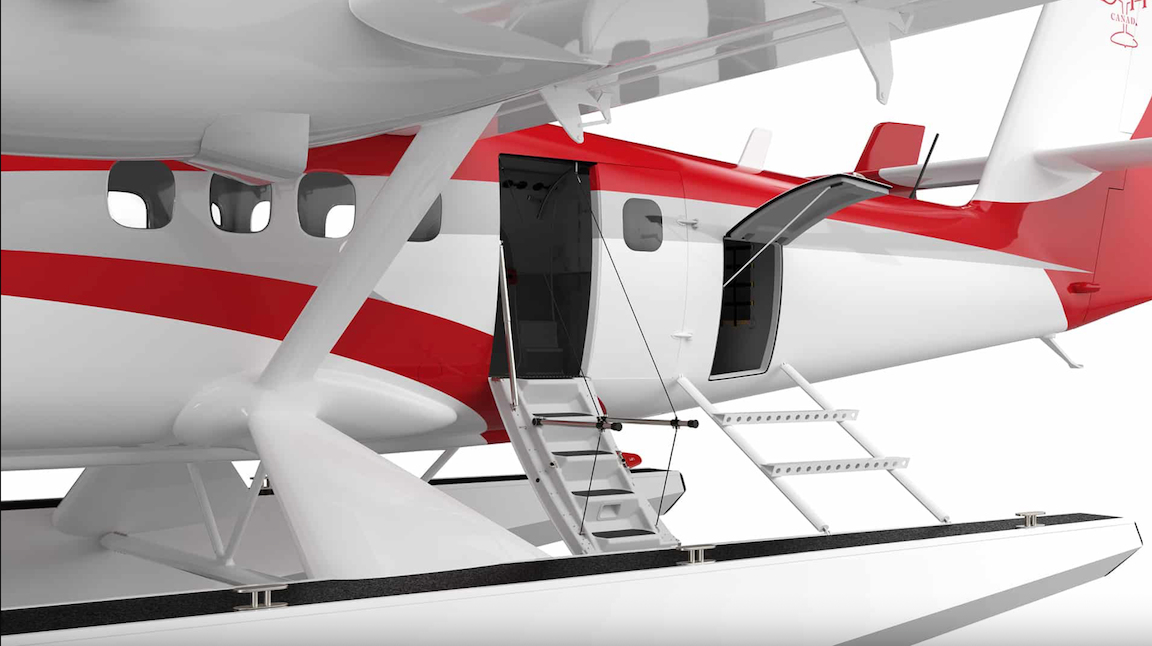
A decade later, the notion is back. In October 2020, seaplane service between Ahmedabad’s Sabarmati Riverfront and Statue of Unity at Kevadia was commenced with a De Havilland Twin Otter aircraft. The service cut short a 200-kilometre road trip to 50 minutes and found international spotlight when Indian Prime Minister Narendra Modi inaugurated the flight.
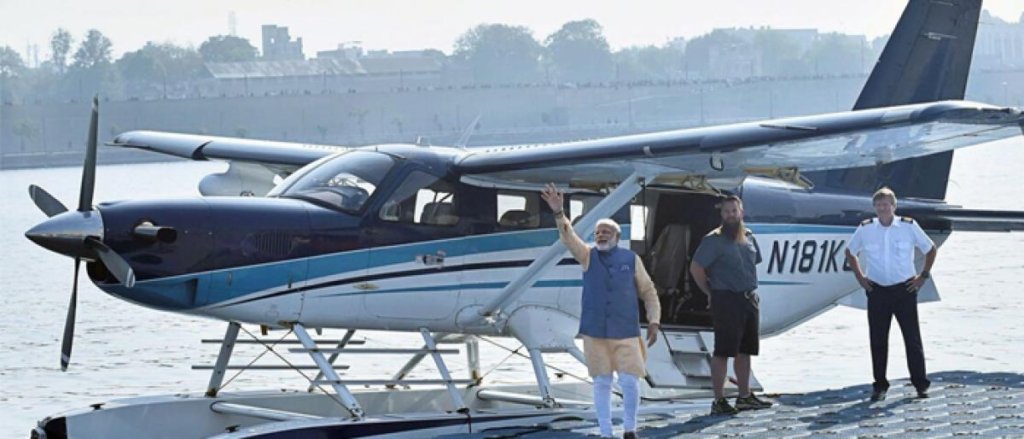
But the trial was brief. After approximately 186 flights, the service was discontinued because of weak demand, high operating costs, and the COVID-19 pandemic.
The plane—an old, leased Twin Otter—also had maintenance issues that intermittently necessitated trips to the Maldives.
The lesson was clear: seaplane routes are not sustainable based on symbolism or novelty. They need constant passenger traffic. There was also no success either in subsequent efforts to reinstate the Gujarat route via another operator. Similar tourism-centric experiments in Maharashtra as well as other parts of the country have run afoul of regulatory breath-holding, infrastructure deficiencies and iffy economics.
On the world stage, the most lucrative seaplane network is Maldives, where over a hundred aircraft carry passengers daily from Velana International Airport to luxury resort islands. The popularity of seaplanes there is not just attributed to geography. It is the product of a tightly woven system of tourism.
The flights are packaged with resort reservations, which guarantee steady passenger loads and reliable aircraft utilisation. The resorts are the ones syncing schedules, the maintenance, pilot training and logistics are centralized. Seaplanes in the Maldives are no fleeting transportation mode—they are a tourism staple.
India’s earlier efforts were disjointed. Routes were stumbled on, fleets were introduced in small numbers and passenger traffic was unpredictable. Aircraft often flew half empty, causing the economics of running them to be untenable.
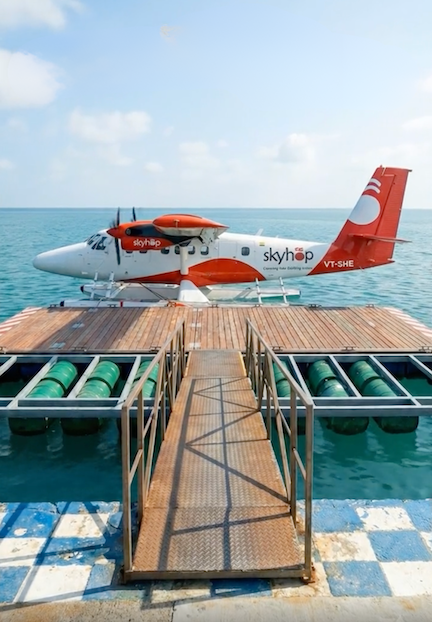
The current policy push appears to recognise this lesson. One of the most ambitious developments came in October 2025 when the Union government awarded 48 seaplane routes under UDAN, many of them concentrated in Kerala.
The proposal aims to connect Kochi airport with tourism destinations like Kumarakom, Vembanad Lake, Kovalam and a number of inland reservoirs bott dams.
A demonstration flight between Kochi’s backwaters and Mattupetty Dam near Munnar in 2024 produced considerable excitement about the idea.
Kerala offers a common sense ground for a test case. The state had the highest number ever of 25.8 million visitors in 2025, among them some 820,000 from abroad. The tourism industry makes up roughly 10-12% of the state’s economy, and employs 1.5 million people.
But some of Kerala’s draws are widely scattered. Travelling from airports to hill stations or backwater holiday resorts often entails long road trips. Seaplanes can also serve as rapid resort transfers, following the Maldivian pattern.
Whether the idea succeeds may have less to do with aviation policy and more to do with tourism integration. As seaplane rides become embedded into resort packages and destination marketing, the new routes could generate steady demand. As independent airlines, they could end up with unpredictable load factors.
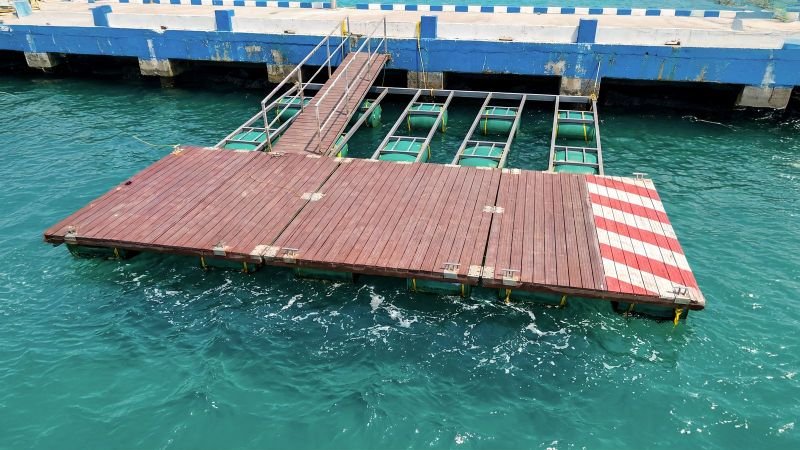
India has many options for landing. With over 7,500 kilometres of coast line and a number of lakes, reservoirs and rivers, theoretically the land could have many more water landing sites than normal airports.
Several policymakers have mentioned the prospect of thousands of seaplanes plying across India’s rivers and lakes in the long run.
But that is not how business is looking. Initial estimates indicate that for the first phase of operations, 10 aircraft may be needed, increasing to 30–40 within five years, if UDAN routes mature. The overall market potential could be just 50 to 70 aircraft over the next 10 years.
That scale-down makes the domestic production business more difficult. The Budget 2026 plan to encourage indigenous seaplane production is part of India’s bigger drive for aerospace self-reliance under the Atmanirbhar Bharat vision. But aircraft building is ultimately about orders, not political statements.
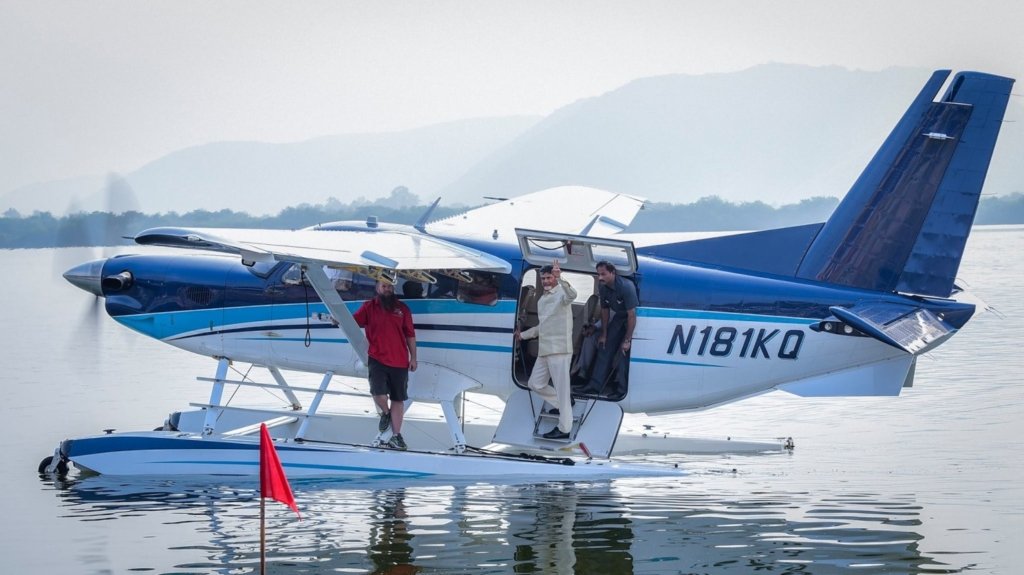
It is possible for India to develop a steady seaplane ecosystem, but the domestic market might still be limited at first. Industry analysts say it is possible that first stage may entail aircraft assembly, component manufacturing, maintenance and pilot training but not full-scale production of aircraft.
India’s state-owned aerospace company Hindustan Aeronautics Limited (HAL) is developing an indigenous amphibious aircraft project and anticipates certification by around 2028. If it becomes a success, the aircraft may not only support domestic regional connectivity but also find markets for exports in Asia, Africa and other developing market nations.
Though government interest is unquestionably renewed, the operators are cautiously optimistic. Firms like MEHAIR, IndiaOne Air and SpiceJet’s seaplane arm have already conducted trials of routes under UDAN. Private players like SkyHop Aviation are building island-centric service in Lakshadweep, for which seaplane pose advantages; these islands are a tourist magnet, and quite far from other parts of India.
However, most operators are unlikely to actually invest in large fleets until they see steady passenger traffic. Add to that the significant challenges to operation from infrastructure and regulatory constraints.
A water aerodrome has to be equipped with docks, passenger terminals, navigation aids and safety equipment. Environmental clearances are also sometimes complicated, especially in sensitive ecological areas like backwaters or forests.
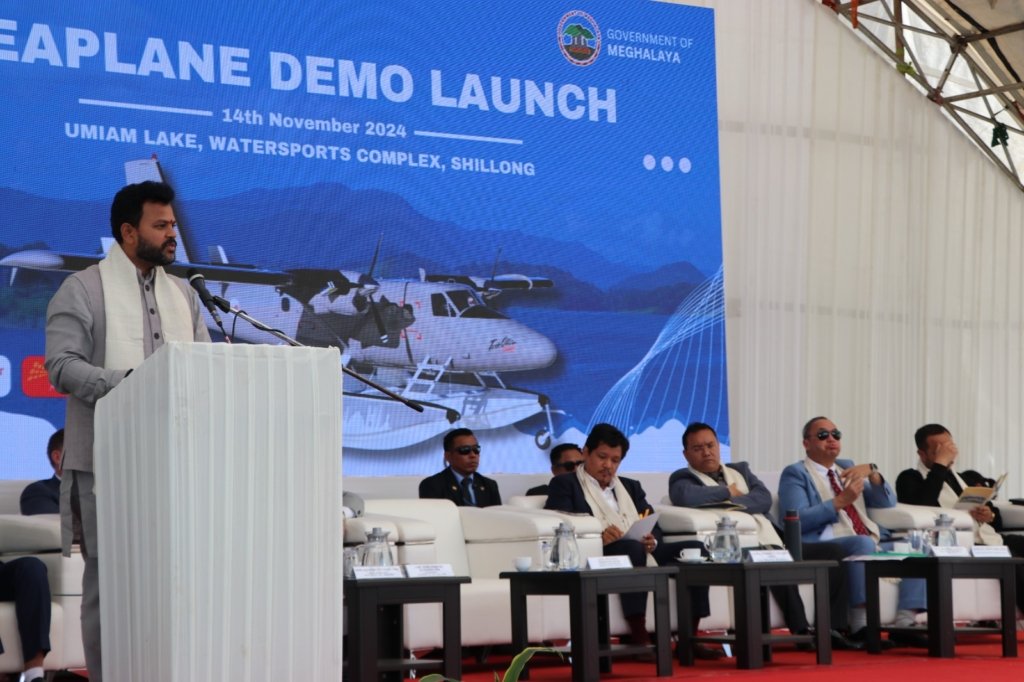
Small aircraft, such as the 19-seat Twin Otter, also have high operating costs, especially when insurance, maintenance and pilot training are factored in.
The Directorate General of Civil Aviation had reportedly relaxed certain norms related to pilot training, along with infrastructure norms for water aerodromes. However, the bureaucratic processes and approval timelines are still worrying for operators.
In the end, the revival of seaplanes in India might be less about aviation policy, and more about ecosystem building. Seaplanes are known to be most effective when used in conjunction with networks within tourism industry, island transport services and remote area solutions. Without those anchors, they risk turning into novelty flights rather than enduring transport services.
The government’s approach—balancing manufacturing incentives, route assignments, infrastructure development and operational subsidies—is the clearest attempt yet to establish that ecosystem.
But the real test won’t be policy announcements or demonstration flights. It is whether seaplane services can earn high aircraft utilisation, have stable passenger traffic, and viable economics in an era when subsidies are set to be progressively reduced.
Until then, India’s seaplane saga remains a question: is the country at last creating the ecosystem the sector always needed—or bracing for yet another splashdown?
Also Read: How De Havilland Is Driving India’s Last-Mile Aviation Revolution