












- The Delhi FIATA RAP 2025 conference showcased India’s transformation from a secondary player to a central hub in regional and global supply chains.
- Themes focused on development of seamless multimodal logistics beside acceleration of digital transformation through e-airway bills, blockchain and regulatory reforms.
- Highlight on strengthening trade corridors like IMEC, fostering regional collaboration amid geopolitical tensions, and expanding logistics access to Tier 2 and Tier 3 cities.
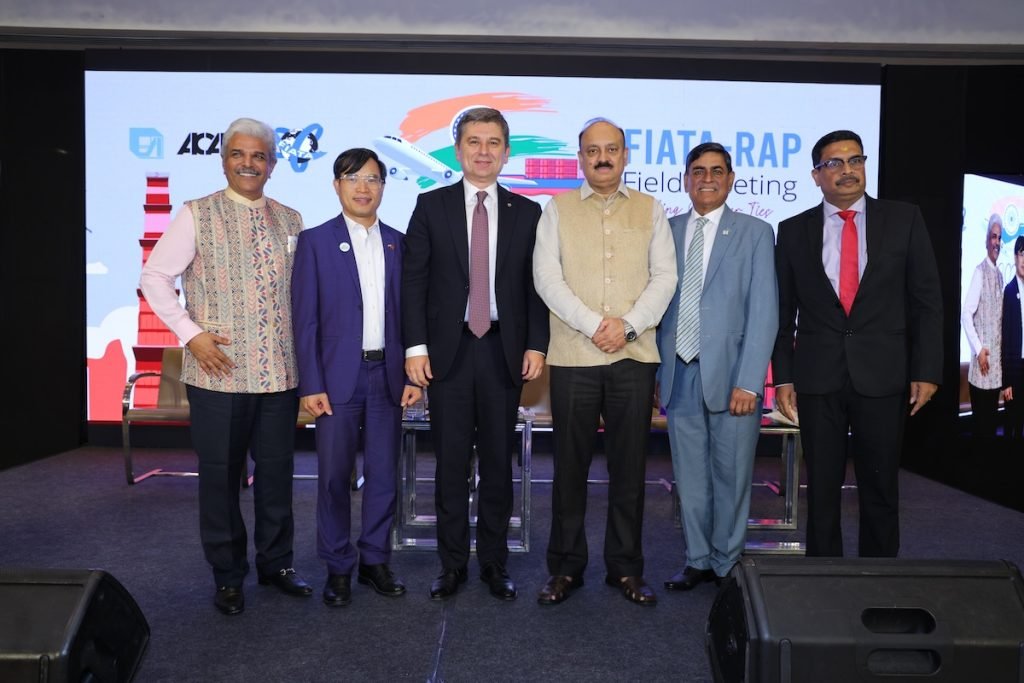
The recently concluded International Federation of Freight Forwarders Associations (FIATA) Region Asia Pacific (RAP) event in Delhi (May 21-24, 2025) marked a pivotal milestone for India’s burgeoning air cargo industry. Hosted collaboratively with the Air Cargo Agents Association of India (ACAAI), President C.K. Govil highlighted that the gathering provided “a unique platform to showcase India’s rapid logistics advancements on the global stage and to foster meaningful dialogue with the international freight forwarding community.” He emphasised the event’s significance in positioning India as a key regional and global supply chain player. Participants from over 20 nations engaged in forward-looking discussions on the future of trade, supply chain resilience, and technological innovation, reflecting India’s growing influence in the logistics sector.
Several key themes emerged while the conference centred on India’s expanding air cargo capabilities. Foremost was India’s rising leadership role in global logistics. Once viewed as a secondary player, India demonstrated its capacity as a central hub, attracting attention from FIATA’s 40,000 member companies across four regions. The event underscored India’s strategic importance in regional and international trade networks, which are driven by infrastructure upgrades and policy reforms.
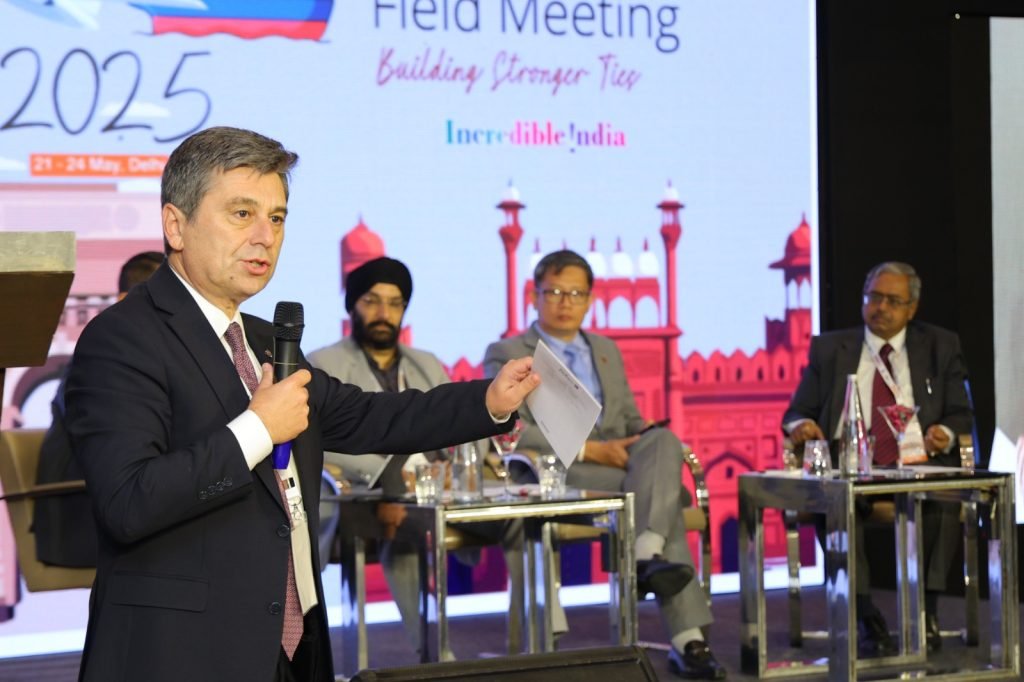
A critical focus was placed on Multimodal Integration, emphasising the need for seamless connectivity across air, sea, rail, and road logistics. FIATA President Turgut Erkeskin emphasised that such integration would catalyse collaboration among Asian nations and facilitate efficient trade corridors. Notable among these was the India-Middle East-Europe Trade Corridor (IMEC), a US-led initiative aiming to connect the EU and India via the Gulf. Despite setbacks due to regional conflicts, Saudi Arabia’s proactive efforts keep the project’s prospects promising, exemplifying a regional commitment to enhanced connectivity.
The RAP conference stressed regional cooperation in the context of ongoing US-China trade tensions. India proposed joint initiatives focusing on developing resilient trade corridors, enhancing digital infrastructure, and standardising cargo handling practices. Such efforts aim to mitigate disruptions and foster supply chain robustness amid geopolitical uncertainties.
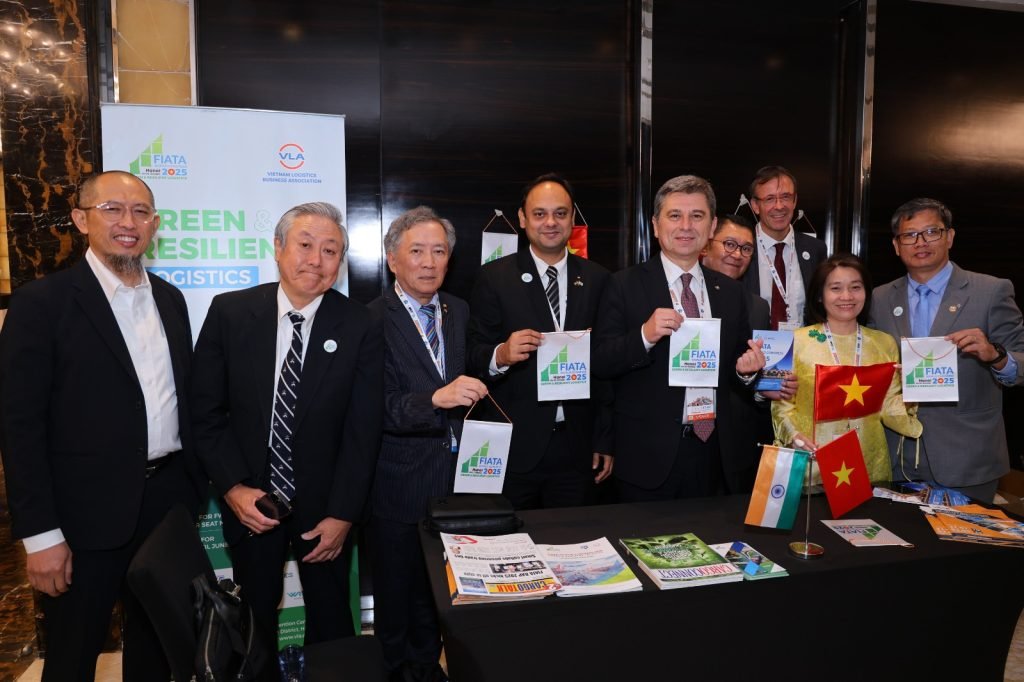
India’s infrastructure development was a major highlight. The country’s ongoing upgrades—particularly in first-mile and last-mile connectivity—were recognised for boosting air cargo efficiency. Erkeskin expressed optimism about fostering long-term partnerships between Indian logistics providers, airports, and airlines, which could lead to more resilient, integrated operations across the Asia-Pacific region, supporting sustainable growth.
A unanimous consensus emerged on accelerating digital transformation initiatives—especially in customs clearance, cargo tracking, and documentation processes. India’s advancements in reducing paper-based workflows, adopting e-Air Waybills (eAWB), digital freight platforms, and blockchain solutions were commended. The country also advocated for regulatory reforms, supported by FIATA and international bodies like ICAO and IATA, to harmonise standards and streamline cross-border air cargo processes, strengthening global engagement.
Capacity building and skill development were prioritised, recognising the global shortage of trained logistics professionals. India committed to expanding training programs through institutions such as the Indian Maritime University and FIATA’s educational platforms, ensuring a skilled workforce to support future growth.
Furthermore, India’s efforts to make air cargo more accessible to Tier 2 and Tier 3 cities align with RAP’s inclusive growth vision. These initiatives aim to unlock new opportunities, decentralising logistics infrastructure and fostering regional economic development.
The timing of the RAP conference was especially significant. A recent report by the Global Trade Research Initiative (GTRI) projected India’s exports of goods and services to surpass $814 billion in 2024, reflecting a 5.58% increase. This economic momentum underscores India’s emergence as a transformative force in the global economy, driven by innovation, policy reforms, and infrastructure investments.
ACAAI President Govil reaffirmed India’s evolving role, stating, “India is no longer on the periphery of global logistics; it is at the heart of transformation.” He described the RAP meeting as “a declaration that India is ready to lead, collaborate, and redefine air cargo through innovation, integration, and strategic vision.” Looking forward, he envisions a future where digitalisation, data analytics, and sustainability drive air cargo development—positioning India as a global hub of logistics innovation and excellence.
Reflecting on the conference’s importance, Govil concluded, “It was a proud moment for all stakeholders in Indian logistics—a platform to showcase progress, learn from the world, and jointly shape the future of air cargo, ensuring resilient, efficient, and sustainable supply chains for generations to come.”