












- India, the third largest aviation market, contributes $53.6 billion to GDP and supports 7.7 million jobs.
- International air connectivity grew 59% since 2014, with the Middle East as the largest passenger market.
- Challenges like high taxation, slot issues, and limited SAF production hinder India’s aviation growth.

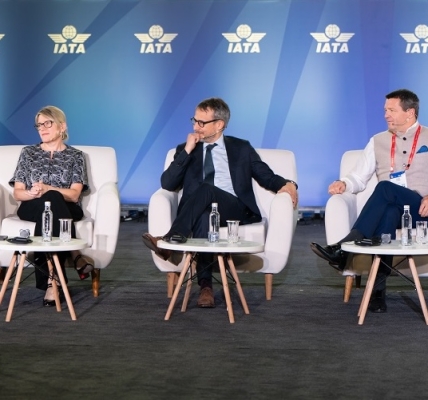
The graffiti in the skies is loud and clear that India is going to be the headline act in civil aviation, having already moved into the third spot in the civil aviation market. At the 81st annual general meeting of the International Air Transport Association (IATA), which is underway in New Delhi till June 3, the arc lights are going to be on India, even while the aviation sector is grappling with several challenges, starting with tariff wars, laggard production of sustainable aviation fuel (SAF), increased cost of production, supply chain disruption and regulatory aspects.
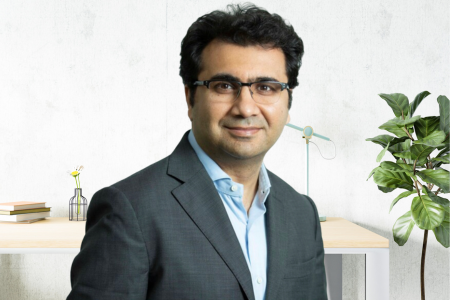
IATA’s Country Director for India, Nepal, and Bhutan, Amitabh Khosla, set the tone for the AGM in the first media briefing, stating that India is the third largest global aviation market and the sixth largest air cargo market, creating about 7.7 million jobs and contributing 1.5 % to the national GDP (at $53.6 billion).
Need to work 17 days to afford a plane ticket
He said India had made substantial progress on passenger rights and passenger facilitation and made air travel affordable. The average real airfare in India decreased by 25% between 2011 and 2023, with the local population now needing to work 17 days to afford a plane ticket. In 2023, there were a total of 111 flights taken for every 1,000 people in the population.
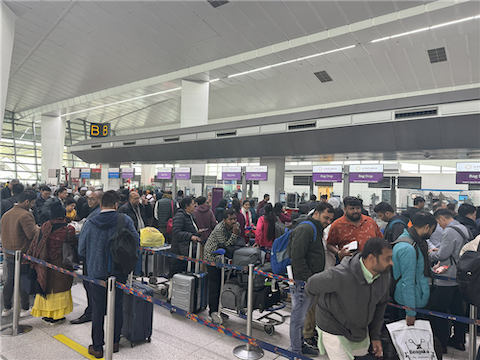
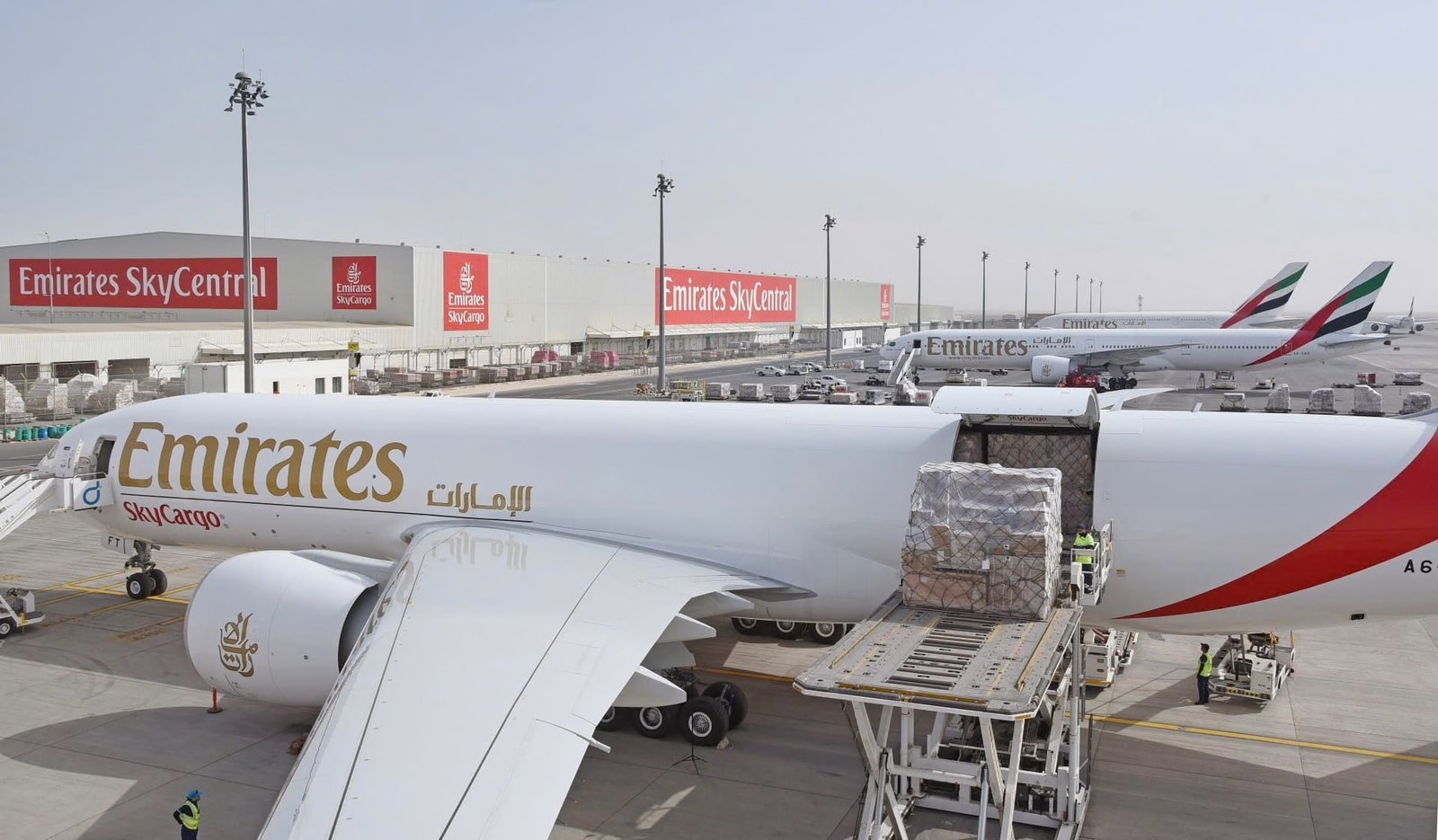
International air traffic accounted for 21% of India’s total origin-destination (O-D) departures in 2023, equal to 33.9 million passenger departures. The Middle East is India’s largest international market for passenger flows, followed by Asia Pacific and Europe. Almost 13.7 million passengers departed from India to the Middle East (41% of the total), 9.4 million to another country in Asia Pacific (28% of the total), and 5.1 million to Europe (15% of the total). About 3.3 million tonnes of air cargo were transported through airports in 2023, supporting the country’s total import and export volumes.
IATA noted that since 2014, India’s international air connectivity index decreased by 4.0% within the Asia Pacific region and increased by 59% with all other regions. Understanding the nature of that connectivity is also important. For India, 13% of all passengers arriving internationally continued their journey on a domestic connection, while 85% of passengers either finished their journey at the point of entry to the country or continued travelling using a different mode of transport. About 2% of all passengers arriving in India from abroad continued their journey to a destination in another country.
In India, 369,700 people are directly employed in aviation, generating USD 5.6 billion of economic output, equal to 0.2% of total GDP, IATA observed. Additional benefits are generated by the wider supply chain, employee spending, and tourism activities, contributing a total of USD 53.6 billion to GDP and 7.7 million jobs. Tourism supported by aviation contributes USD 27.1 billion to the country’s GDP and employs 5.0 million people. International tourists to India are estimated to contribute USD 29.4 billion annually to the economy through the purchase of goods and services from local businesses.
However, there are still niggling issues such as taxation, particularly GST, leading to a high-cost environment. At airports, the challenges of slots continued, calling for setting up of coordination committees.
Khosla also referred to how the Airports Authority of India effectively managed air traffic during the recent surge in volume over the Arabian Sea oceanic airspace, which was shut due to the India-Pakistan conflict. The AAI managed an overnight surge in traffic: 25% in Mumbai FIR and 60% in oceanic. In this context, he called for closer regional collaboration for seamless South Asian airspace.
India’s SAF potential
“While it is encouraging that SAF production is expected to double to 2 million tonnes in 2025, that is just 0.7% of aviation’s total fuel needs. And even that relatively small amount will add $4.4 billion globally to the fuel bill. The pace of progress in ramping up production and gaining efficiencies to reduce costs must accelerate,” said Willie Walsh, IATA’s Director General.
IATA mentioned that India has a feedstock advantage. Over 150 million tonnes of SAF feedstocks in 2050 present an economic opportunity. Domestic refining can swiftly enable SAF co-processing and new technologies scale-up for energy security.
The government of India has introduced policies that have added to the momentum. India’s G20 biofuel leadership can be extended to the SAF ecosystem for rural and industrial employment opportunities. The learnings from the ethanol blending success can drive a “Make in India for the World” SAF model, IATA pointed out.
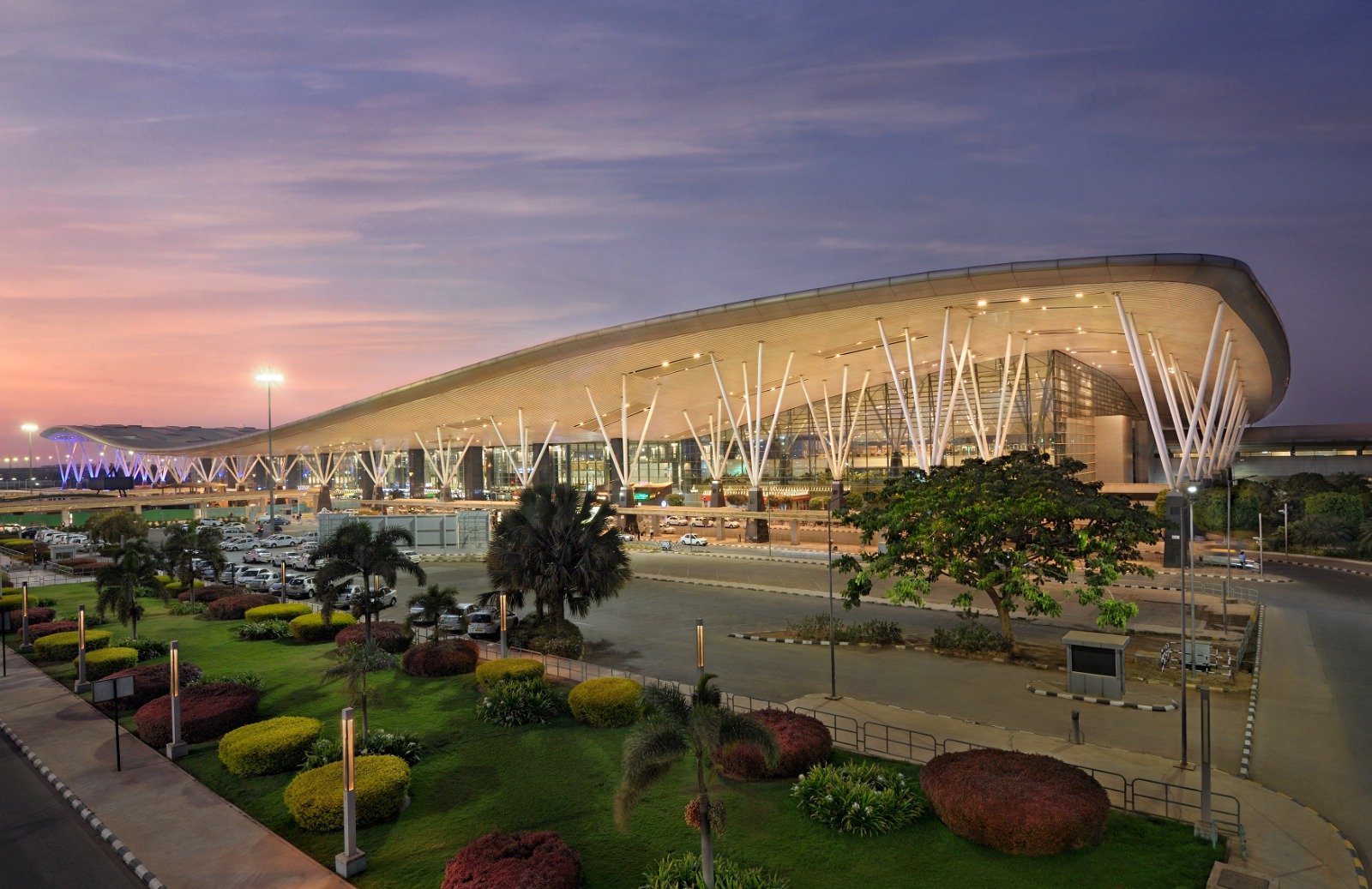
India’s regional leadership was gaining momentum, thanks to its being the third largest aviation market. India has 137 airports and plans for over 200 by 2030. With the potential of ~40Mt of SAF by 2050, India could have a surplus after meeting CORSIA (Carbon Offsetting and Reduction Scheme for International Aviation) obligations, positioning itself as a leading regional SAF hub.