












India’s Aviation Boom: Emirates, IndiGo, and Global Carriers Battle for Market Dominance

- Emirates adds Premium Economy on Dubai–Kolkata from 18 July, expanding luxury options in India.
- IndiGo, BA, KLM, and more ramp up international services as India becomes aviation’s next big battleground.
- India’s aviation market attracts global airlines competing for routes and limited airport slots.

As Emirates launches Premium Economy, British Airways revives First Class, and IndiGo expands low-cost long-haul, global carriers are escalating efforts to secure a foothold in one of the world’s fastest-growing aviation markets, projected to grow at 6.9% annually through 2030, positioning it as the third-largest globally by then.
Competitive Dynamics
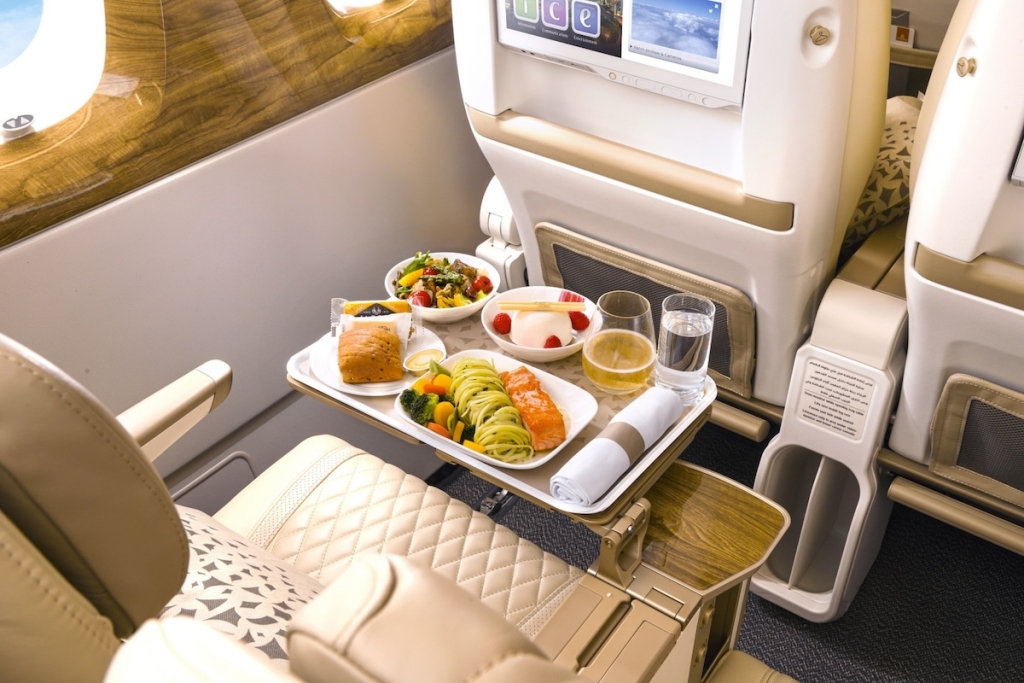
Emirates will begin offering Premium Economy service on flights between Dubai and Kolkata later this month, joining Mumbai, Bengaluru, and Delhi as the fourth Indian city with this offering, enhancing its appeal to premium travellers in a rapidly growing aviation market.
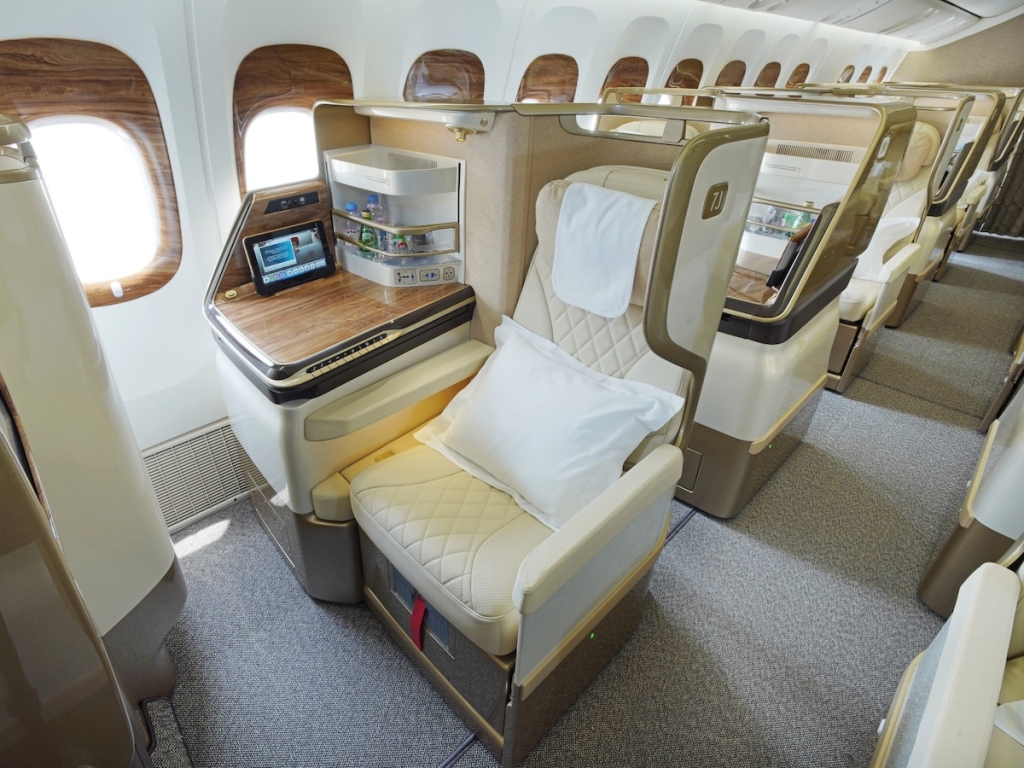
Airlines are striving to provide their customers with the most premium experience. In the case of Emirates, this includes wider cream leather seats with a width of up to 19.5 inches, 38 inches of legroom, a 6-inch deeper recline, and cushioned leg rests for enhanced comfort. Additionally, passengers can enjoy curated in-flight dining with sustainably sourced ingredients and regionally inspired menus, served on Royal Doulton china, along with premium beverages. Other features include 13.3-inch HD screens with Bluetooth headphone pairing, improved Wi-Fi, and a generous baggage allowance of 35 kg for checked luggage and 10 kg for carry-on.
This move is part of a broader strategy by both foreign and domestic airlines to capitalise on India’s increasing international passenger traffic, with Kolkata alone handling 2.4 million international passengers in FY 2024, up 10.3% from 2023.
British Airways plans to reinstate First Class on its Mumbai–London Heathrow route in October, while IndiGo has launched direct, low-cost flights to Amsterdam and Manchester, posing a pricing challenge to established long-haul carriers.
These developments highlight how India has become a strategic battleground, with legacy global carriers, Gulf airlines, and domestic players all vying for dominance amid ongoing traffic rights negotiations and limited airport slots at major hubs.
Three Carriers, Three Strategies
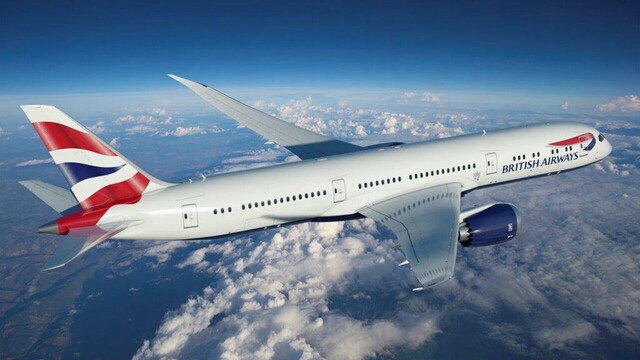
Emirates is focusing on middle-income, aspirational flyers with its upgraded cabins, targeting an estimated 20% increase in Premium Economy passengers across India by 2026. British Airways aims to attract business travellers with its full-service offering, reinstating First Class on Mumbai–London, a route with 15% annual business traffic growth. IndiGo, India’s largest airline, is expanding globally with a no-frills approach that takes advantage of aircraft range and price-sensitive demand.
IndiGo plans to expand to 10 new international destinations this fiscal year, including Athens, Copenhagen, Tashkent, and Tbilisi. Its future growth will rely on the incoming A321XLR, enabling ultra-long-range narrow-body flights to Europe and East Asia.
Virgin Atlantic, Akasa, and SpiceJet Expand Their Reach
Virgin Atlantic has increased its capacity to India by 350% since 2019, now operating five daily flights with 1.2 million annual seats and connecting through 34 domestic cities via its codeshare partnership with IndiGo. The airline has also doubled its Indian crew presence on board and invested in cultural training, making it one of the more locally attuned international carriers.
Akasa Air is establishing international links through a unique strategy—partnering with Etihad Airways to offer indirect Gulf connectivity, with Kochi and Chennai now listed as departure points on its network, serving about 50,000 passengers monthly. The airline aims to expand to Southeast Asian cities, including Colombo, Dhaka, and Male.
SpiceJet has resumed international routes, recently adding Kathmandu and planning to initiate flights to Vietnam and Kazakhstan, following the return of several Boeing 737 MAX aircraft to its fleet.
New Entrants and New Routes
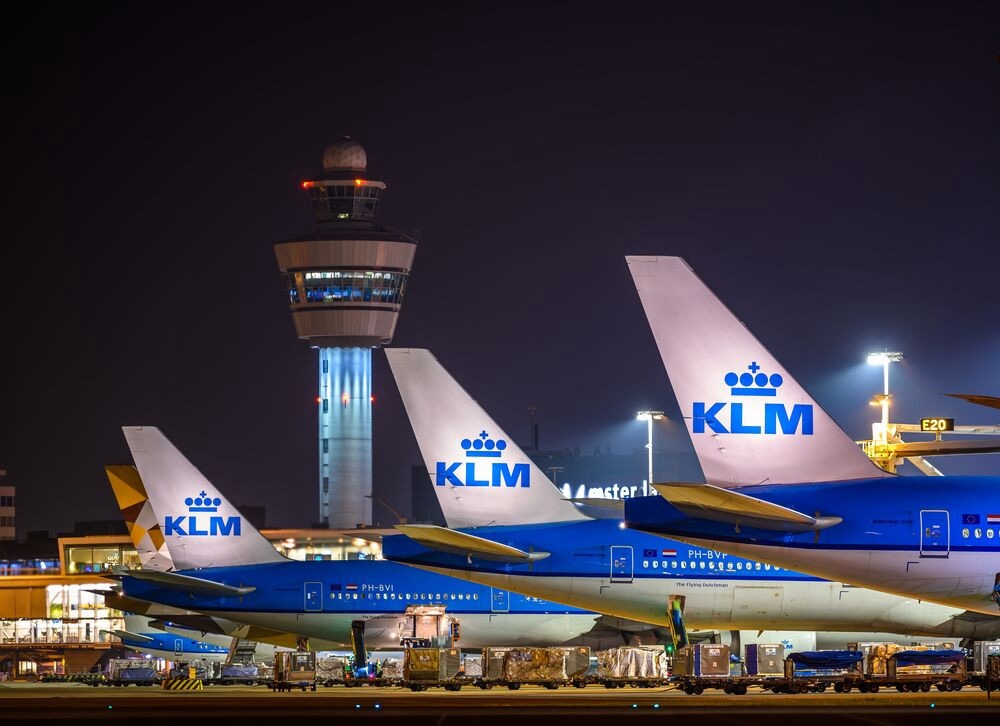
KLM will commence direct flights from Amsterdam to Hyderabad in September, targeting 100,000 annual passengers. Italy’s ITA Airways has announced plans to start a Mumbai–Rome service by March 2026 using new Airbus A330neo aircraft. Vietnam’s VietJet and Kazakhstan’s Air Astana have also introduced services to Bengaluru and Mumbai, respectively.
Air India, in its most ambitious route announcement, will begin nonstop flights from Delhi to Manila this October, serving 50,000 passengers annually, driven by a 12% growth in India–Philippines traffic. This route aims to serve the growing business and diaspora traffic between India and Southeast Asia.
Rivals Prepare for Expansion
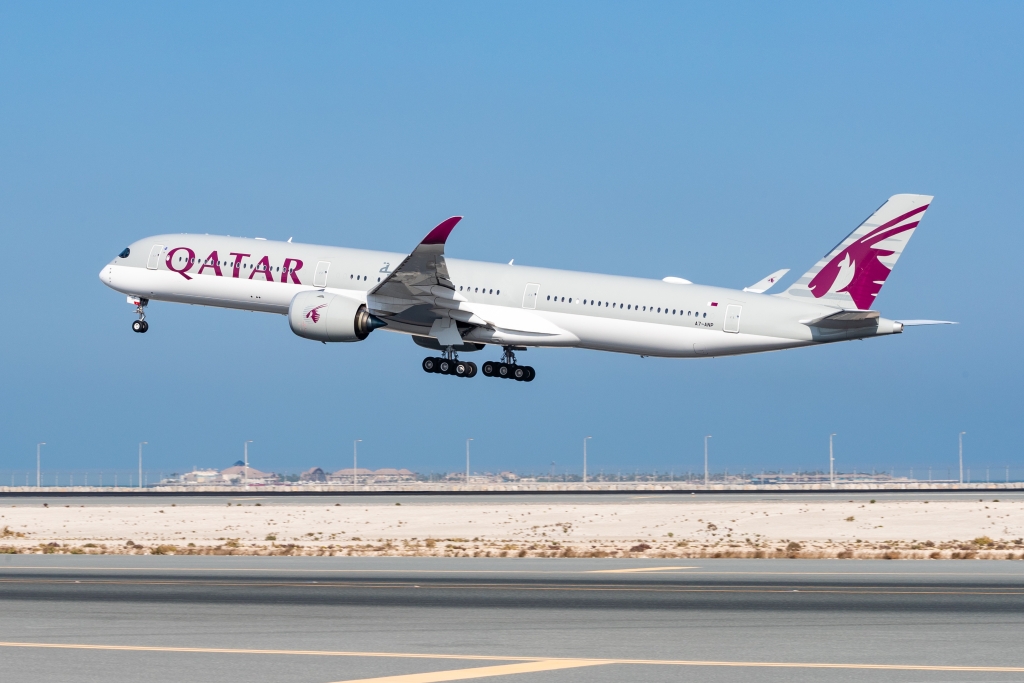
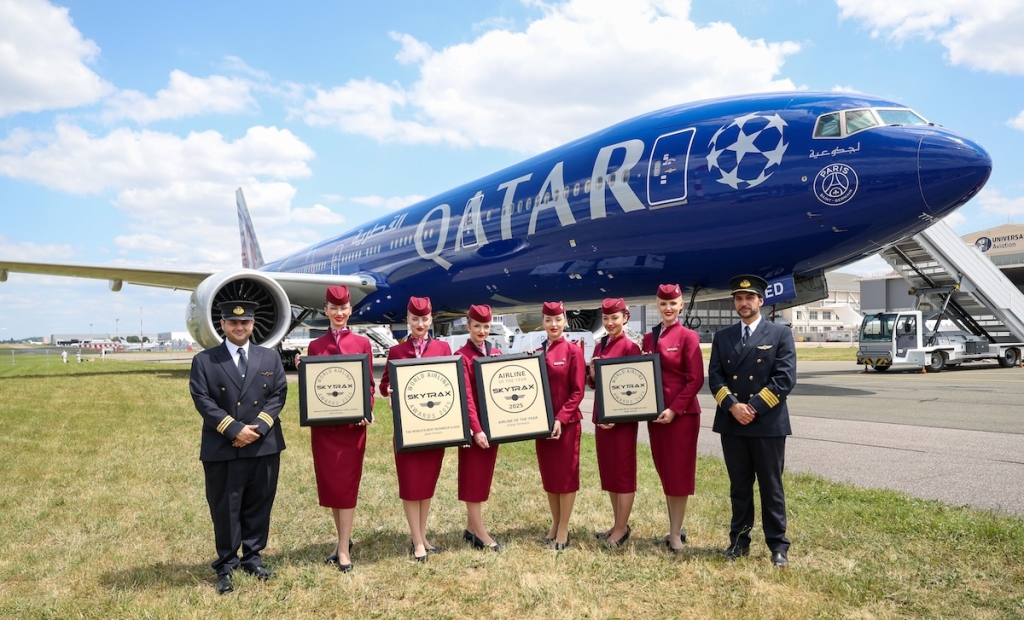
Several other airlines are preparing to enter or strengthen their presence in India. Qatar Airways remains one of the most connected foreign carriers in the country, operating over 100 weekly flights to 14 Indian cities, carrying 2.5 million passengers annually, while Saudia continues to increase flights from Riyadh and Jeddah. The new Saudi entrant, Riyadh Air, is expected to include Indian cities in its future network rollout.
Singapore Airlines, Lufthansa, and Turkish Airlines have each boosted flight frequencies or strengthened codeshare agreements to remain competitive. With outbound Indian travel surging post-pandemic, airlines see both near-term growth and long-term strategic value in establishing and maintaining a strong presence.
Air India’s High-Stakes Balancing Act
Despite announcing a record order of 470 aircraft and outlining a global reboot strategy, Air India is facing pressure. Operational missteps, staff turnover, and public scrutiny following recent incidents have raised concerns about whether the airline can keep pace with its aggressive timeline.
Its network plan includes significant transcontinental additions, but many industry observers believe its success will depend on the speed and consistency of its execution, particularly as rivals continue to launch new routes monthly.
India Becomes the Centre of the Aviation Map
With outbound demand surging from both metropolitan and Tier 2 cities, India is no longer considered merely a developing aviation market; it has become a key player. With 220 million passengers in 2024 and a projected 6.9% annual growth through 2030, India’s outbound traffic surged by 15% in 2024, with Tier 2 cities like Amritsar and Kochi accounting for 20% of international passengers. Emirates’ introduction of Premium Economy in Kolkata and IndiGo’s low-cost European service represent two facets of a redefined global aviation model increasingly centred on India.
Airline alliances, codeshares, and aircraft purchases are being restructured with this reality in mind. The combination of India’s scale, income growth, and strategic location has made it a focal point in boardrooms from London to Riyadh to Singapore.
As the market fills with new routes, premium cabins, and fare wars, one thing is abundantly clear: India is no longer just a growth story; it is now the epicentre of a global aviation dogfight.
Read More: IndiGo selects Lufthansa Technik for aircraft lease return services