

















- India’s challenge with Sustainable Aviation Fuel (SAF) is not a lack of intent, but the absence of clear market signals on pricing, incentives, and long-term demand that would allow airlines, producers, and investors to move together.
- With SAF costing significantly more than conventional jet fuel, airlines in a price-sensitive market cannot absorb the transition alone, making policy design and shared risk critical to scaling adoption.
- India has the feedstock potential and industrial base to become more than a SAF consumer, but without coordinated governance and timely policy clarity, value creation and investment may shift to markets that move faster.

India’s aviation sector continues to grow steadily, supported by rising passenger numbers, a large aircraft order pipeline, and the ongoing expansion of airport infrastructure across the country. Yet alongside this growth sits a structural challenge that is becoming harder to ignore: how to decarbonise aviation without undermining its commercial foundations.
Sustainable Aviation Fuel (SAF) is now firmly embedded in aviation decarbonisation plans worldwide. However, in India, adoption has progressed cautiously, constrained by pricing, limited availability and the absence of a fully developed market structure.
The issue is not ambition. It is execution.
Policy, Cost and Scale
India has made its intent clear. Policymakers have acknowledged SAF as part of the country’s long-term aviation and climate strategy, and indicative blending targets have been outlined, beginning with low single-digit blending later this decade. However, unlike Europe or the United States, these targets are not yet backed by a comprehensive regulatory or financial framework.
In Europe, the ReFuelEU Aviation regulation mandates SAF blending starting at 2 per cent in 2025, rising progressively to 70 per cent by 2050.
In the United States, the Inflation Reduction Act and related clean fuel tax credits have created a strong incentive structure that directly supports SAF producers.
India’s approach remains more cautious. While this flexibility allows room to adapt, it also delays market formation.
Without defined incentives, pricing mechanisms or long-term offtake clarity, investors face difficulty committing capital to large-scale SAF projects.
This matters because SAF economics remain challenging. Depending on the feedstock and technology pathway, SAF can cost between two to five times more than conventional aviation turbine fuel. In a price-sensitive market like India, airlines cannot absorb this premium indefinitely, nor can passengers be expected to shoulder it through higher fares.
The result is a familiar stalemate: producers wait for assured demand, airlines wait for affordable supply, and financiers wait for policy certainty.
Aviation operates on thin margins even in strong market conditions. Fuel already accounts for a significant share of operating costs, and any sustained increase directly affects network planning, pricing and profitability.
Unlike fleet renewal, which often delivers fuel efficiency gains over time, SAF does not yet offer a cost-offsetting benefit.
Its value lies in emissions reduction, not operational savings. Expecting airlines to absorb this premium indefinitely is neither realistic nor sustainable.
This is where policy intervention becomes unavoidable. In markets where SAF adoption has advanced, governments have provided early support through mandates, fiscal incentives, or structured offtake arrangements, to reduce risk during the initial scaling phase and allow costs to moderate over time.
India faces a different challenge. The market is large, competitive and highly price-sensitive. While demand growth is strong, margins are thin. Any transition that significantly increases operating costs risks slowing growth or shifting capacity decisions.
This does not mean SAF is unviable; it means the transition must be carefully sequenced. Shared responsibility across government, producers, financiers and airlines becomes essential.
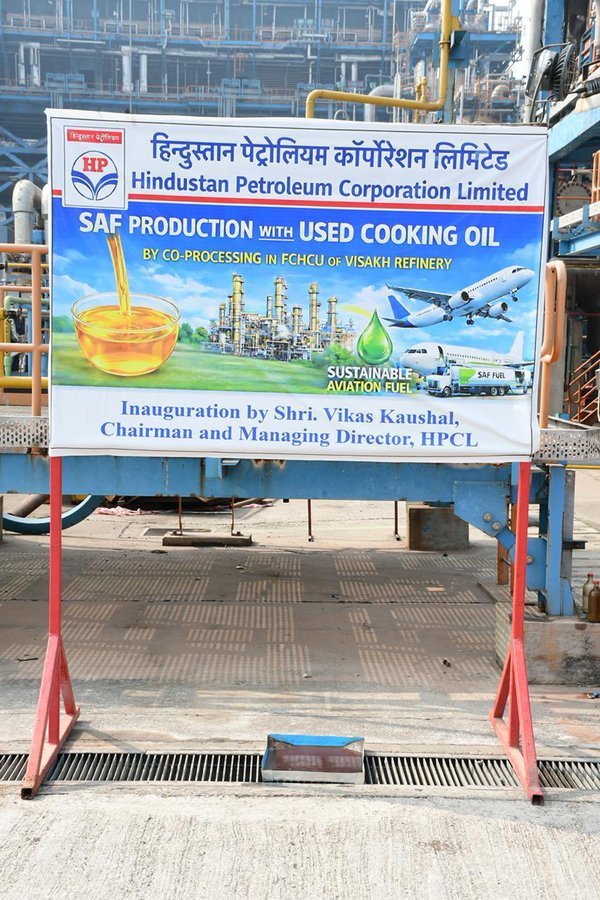
India’s long-term potential to produce SAF is widely acknowledged. The country has access to multiple feedstock pathways, including used cooking oil, agricultural residues and municipal waste. It also has a growing renewable energy base that could support advanced production routes over time.
However, potential does not automatically translate into supply.
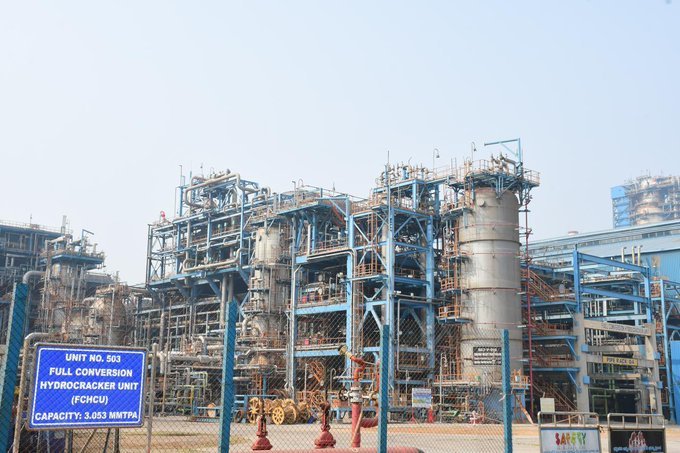
Feedstock aggregation remains fragmented, logistics networks are still evolving, and robust traceability systems, critical for certification and compliance, are yet to be fully established.
Long-term offtake contracts, which are essential for financing, remain limited. These are not technological barriers as much as organisational and commercial ones.
Even if production capacity were to increase quickly, challenges would persist around standardisation, quality assurance and distribution. Without coordinated planning, scale alone will not resolve these constraints.
This is where institutional alignment becomes crucial. Sustainable Aviation Fuel sits at the intersection of aviation, energy, agriculture and environmental policy. Fragmented decision-making slows progress and raises costs, while coherent governance, rather than isolated initiatives, will determine whether India can move from pilot projects to a functioning market.
Risk and Opportunity
No major energy transition has occurred without early public-sector involvement. The role of government is not to replace markets, but to enable them, particularly in the early stages when risk is high and returns are uncertain.
For SAF, this could take the form of time-bound incentives, risk-sharing mechanisms, or clearly defined blending trajectories that provide visibility to investors. The objective is not a permanent subsidy, but confidence.
Without this, capital tends to flow to jurisdictions where policy signals are clearer. That does not mean aviation demand disappears in India, aircraft will still fly, but it does mean production, innovation and value creation may occur elsewhere.
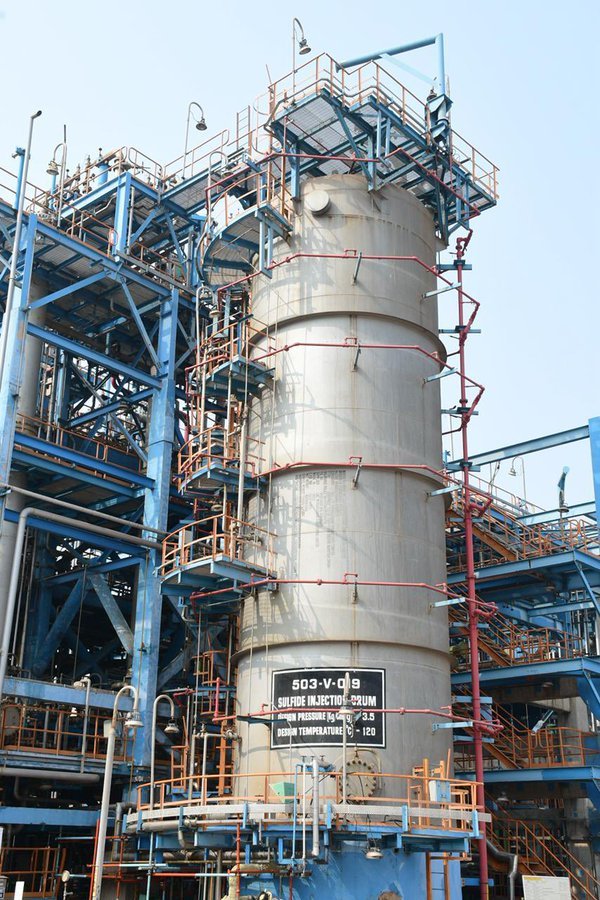
This distinction matters. Being a consumer of SAF is not the same as being a producer. The latter brings industrial capability, jobs and strategic resilience.
India is not late to the conversation, but the window for shaping outcomes is narrowing.
Global SAF capacity is beginning to take form, and early movers are securing investment and partnerships that will define supply chains for decades.
The opportunity for India lies in acting decisively, not through grand declarations, but through practical frameworks that align policy ambition with market realities.
If that alignment is achieved, SAF can evolve from a compliance concept into a viable industrial pathway. If not, the transition will still happen, just on terms shaped elsewhere.
The question is no longer whether sustainable aviation will become part of India’s future. It is whether India will help define that future or simply adapt to it.