






- IndiGo’s Q4 FY25 net profit soared 62% to ₹3,067 crore, driven by high demand and efficient cost management.
- The airline is expanding internationally with Mumbai-Manchester and Amsterdam flights, using wet-leased Boeing 787s.
- Despite grounded aircraft and geopolitical tensions with its Turkish Airlines codeshare, IndiGo maintains strong liquidity.
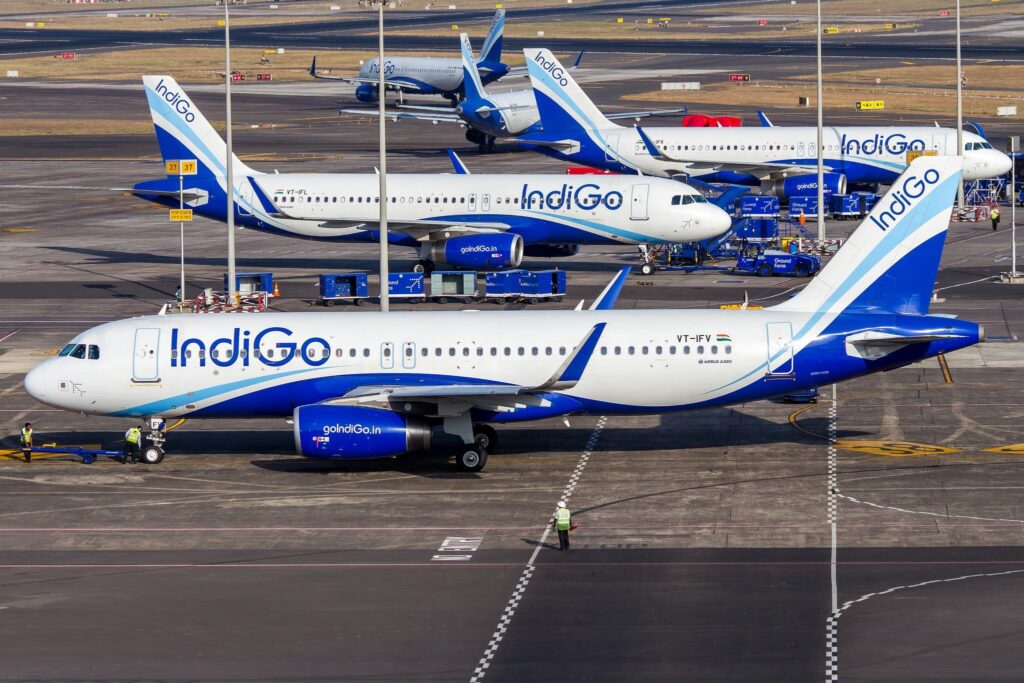
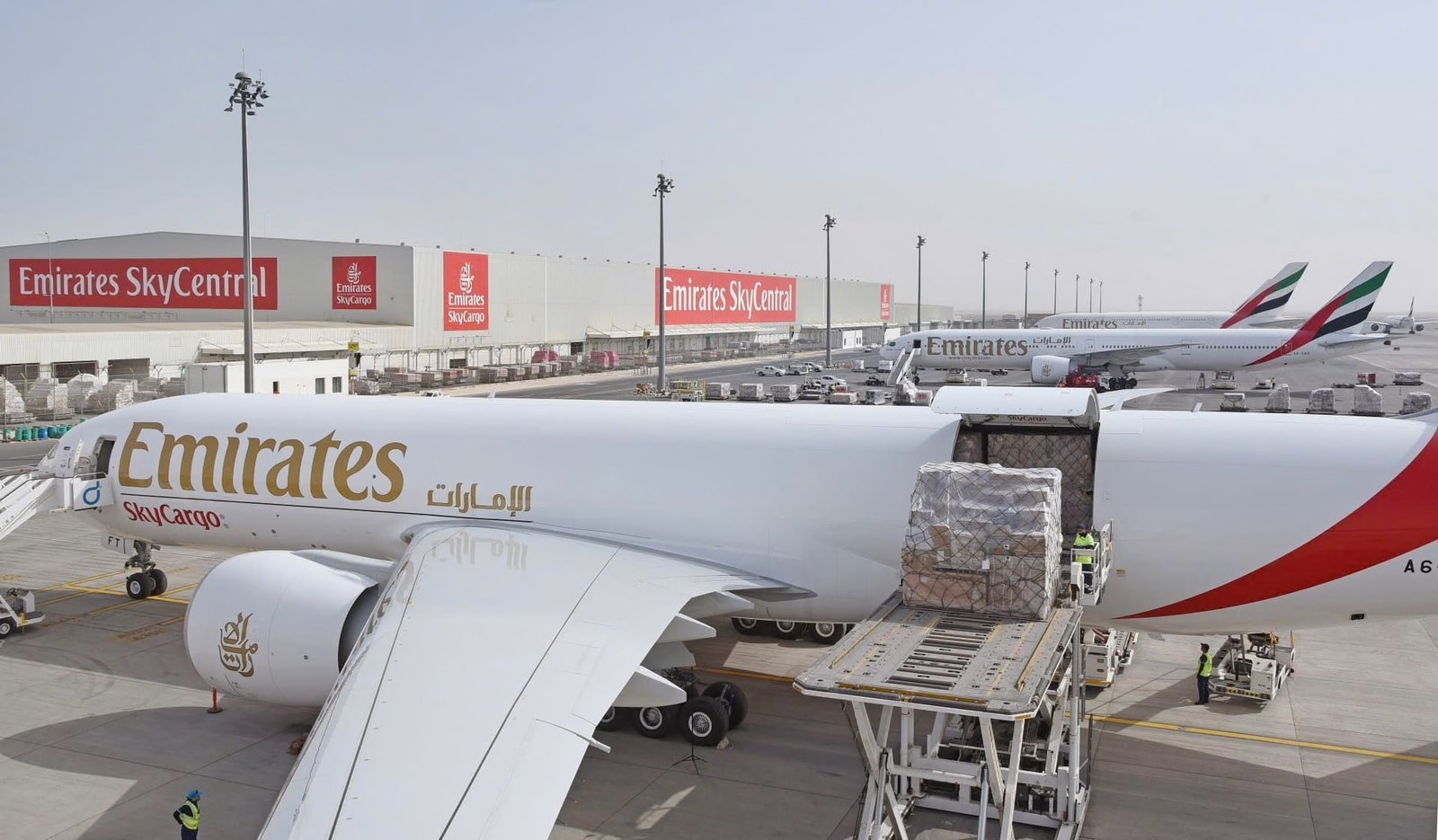
In a fiscal environment where Middle Eastern airlines such as Emirates and Qatar Airways are offering substantial bonuses to their employees—Emirates recently announced a bonus equivalent to 22 weeks of salary after reporting a record $5.2 billion profit—India’s budget airline IndiGo has also indicated its strong financial performance. The airline has demonstrated robust financial performance even amid macroeconomic challenges and supply chain constraints, reporting a 62% year-on-year increase in net profit for Q4 FY25, amounting to ₹3,067 crore.
This marks IndiGo’s second-highest quarterly profit ever, announced at a crucial time as the airline declares a ₹10 per share dividend, its first in six years. The market has responded positively to the dividend but has also sparked wider questions. How will IndiGo use its cash reserves in a highly competitive and capital-intensive aviation sector? Additionally, could the airline have done more to reward its frontline staff, especially when compared to the generous gestures made by its Gulf counterparts?
Strategic investments and dividend declaration
IndiGo’s Q4 results reflect strong underlying demand, strategic pricing, and efficient cost control. According to the company, higher passenger volumes driven by major domestic events like the Maha Kumbh Mela and the peak wedding season were critical demand triggers. These events caused a surge in religious and family travel across Tier 2 and Tier 3 cities, significantly boosting load factors on key domestic routes.
The airline’s Passenger Load Factor (PLF) stood at an impressive 88.5% in Q4, reflecting optimised route planning and high aircraft utilisation. The sustained load factor has been crucial for revenue generation, particularly given the partial constraints on capacity due to some of the fleet being grounded.
In Q4 FY25, IndiGo reported strong results; however, its full-year profit was ₹7,258.4 crore, down from ₹8,172.5 crore in FY24. Despite this slight decline, the airline’s performance is still noteworthy due to several challenges, including grounded aircraft, rising fuel costs, and ongoing supply chain issues.
Managing the Pratt & Whitney engine crisis
IndiGo continues to grapple with the grounding of more than 70 Airbus A320neo aircraft, primarily due to ongoing issues with Pratt & Whitney’s GTF engines. These technical challenges—from supply chain delays to premature engine removals—have dented the airline’s capacity to grow in line with market demand.
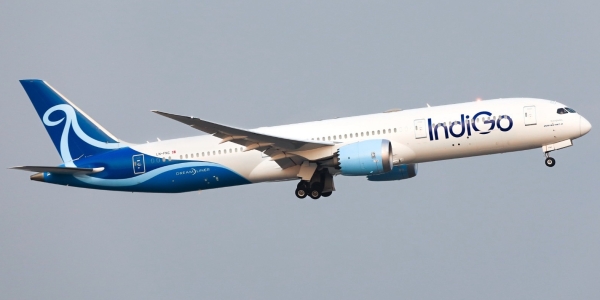
Despite this, the airline has maintained strong profitability, partly through operational resilience and increased aircraft leasing to plug gaps. IndiGo has confirmed that it is in close coordination with Pratt & Whitney and lessors to address the engine shortage. The airline is enhancing its network by adding wet-leased aircraft, including widebody Boeing 787s, for future international operations.
While these grounded aircraft are a short-term strain on capacity and revenue potential, analysts say IndiGo’s ability to clock record profits demonstrates its robust yield management and network optimisation.
International Ambitions: Mumbai to Manchester and Amsterdam
IndiGo has made a significant strategic shift by focusing on long-haul operations. Starting July 1 and 2, the airline will operate three weekly flights from Mumbai to Manchester and Amsterdam. These routes will be serviced by wet-leased Boeing 787-9 Dreamliners, which have 282 economy seats and 56 business class seats.
This marks a new chapter for India’s largest airline, which has traditionally avoided widebody aircraft and long-haul sectors. In its transformation, IndiGo will now provide complimentary hot meals onboard for the first time. This change enhances the passenger experience and indicates a shift toward full-service features, particularly for premium long-haul travellers.
While the menu has yet to be fully disclosed, it is expected to include Indian and continental options curated for both vegetarian and non-vegetarian preferences—an unmistakable signal that IndiGo is market-ready to compete with legacy carriers on international routes.
What’s next for IndiGo’s long-haul play?
Following the launch of non-stop services to Manchester and Amsterdam, IndiGo is expected to expand its long-haul network further. The airline is actively exploring additional European hubs, including Frankfurt, Paris, and Rome. Southeast Asia and Africa are also being considered for future widebody operations, especially as IndiGo assesses long-term fleet acquisition strategies beyond its current reliance on wet-leased aircraft.
Codeshare with Turkish Airlines under scrutiny
IndiGo is seeking growth opportunities in Europe, but it faces diplomatic and competitive challenges in its home market. The airline’s codeshare agreement with Turkish Airlines, one of its key strategic partnerships, has been criticised because of Turkey’s perceived political alignment with Pakistan.
Public sentiment has reflected this concern, leading to growing calls for government intervention. IndiGo CEO Pieter Elbers has defended the partnership, emphasising its advantages in connectivity, employment, and cost efficiencies. However, the airline has also stated that it will comply with government directives if policy changes occur.
This scenario highlights the geopolitical challenges that Indian carriers face as they expand internationally. For IndiGo, an enforced shift away from Turkish Airlines may necessitate quick adjustments to their network and fleet, particularly in markets directed toward Europe.
Going ahead!
As of March 31, 2025, IndiGo reported cash reserves totalling ₹48,170.5 crore. This amount includes ₹33,153.1 crore in unrestricted cash and ₹15,017.4 crore in restricted cash, as stated in the airline’s official filing. This strong liquidity position enables IndiGo to invest in fleet expansion, technology upgrades, and infrastructure development.
The ₹10 dividend per share, though modest by international standards, signals financial prudence. Investors have largely welcomed the move, though comparisons with bonus announcements by Middle Eastern airlines highlight the region’s differing labour and ownership structures.
IndiGo’s focus on controlling costs, efficient fleet management, and keen awareness of market opportunities have enabled it to successfully navigate what could have been a challenging quarter. With international air travel increasing and a busy summer travel season on the horizon, the airline is on a stable upward trajectory.
Conclusion
IndiGo has evolved beyond being merely a low-cost carrier in India; it is becoming a formidable player on the global stage. However, as the airline expands internationally, it must balance operational excellence with political awareness, navigate supply chain challenges, and ensure consistent service quality. If its current trajectory is any indication, the airline possesses the financial strength, strong leadership, and market insight necessary to navigate through uncertainties.