











Intumescent coatings are specifically designed to swell upon exposure to elevated temperatures, creating a protective char layer that insulates the steel and markedly diminishes heat transfer. These are critical for all Airport structures to protect them from the elements as well as fire. Tarun Kumar, Head PFP – APEC for Hempel Paints outlines the science and chemistry behind these paints and Hempel’s contribution to this domain
When it comes to fire protection in critical infrastructure, few industries face as many challenges as airports. These vast, bustling hubs are not only vital transportation centres but also complex architectural marvels that require meticulous attention to both aesthetics and safety. One often overlooked yet crucial element in maintaining the structural integrity of airports during a fire is the use of intumescent coatings. These specialised fire-protective materials are designed to protect structural steel from the devastating effects of fire, ensuring the safety of passengers and the stability of the building.
The Science Behind Intumescent Coatings
Intumescent coatings are engineered to expand when exposed to high temperatures, forming a protective char layer that insulates the steel and significantly reduces heat transfer. This insulating layer has low thermal conductivity, which delays the steel’s temperature rise and extends the time before it reaches its critical failure temperature. By doing so, these coatings maintain the structural integrity of the building, providing valuable time for evacuation and firefighting efforts.
Types of Intumescent Coatings
Intumescent coatings come in two primary forms: thin-film and thick-film. Thin-film coatings, often water and solvent-based, have a dry film thickness (DFT) of less than 5 millimetres and are ideal for aesthetic applications. Thick-film coatings, typically epoxy or hybrid technology-based, have DFTs up to 25 millimetres and offer robust protection in industrial settings. For airport structures, the choice between these types depends on specific project requirements and environmental conditions.

Applications in Airports
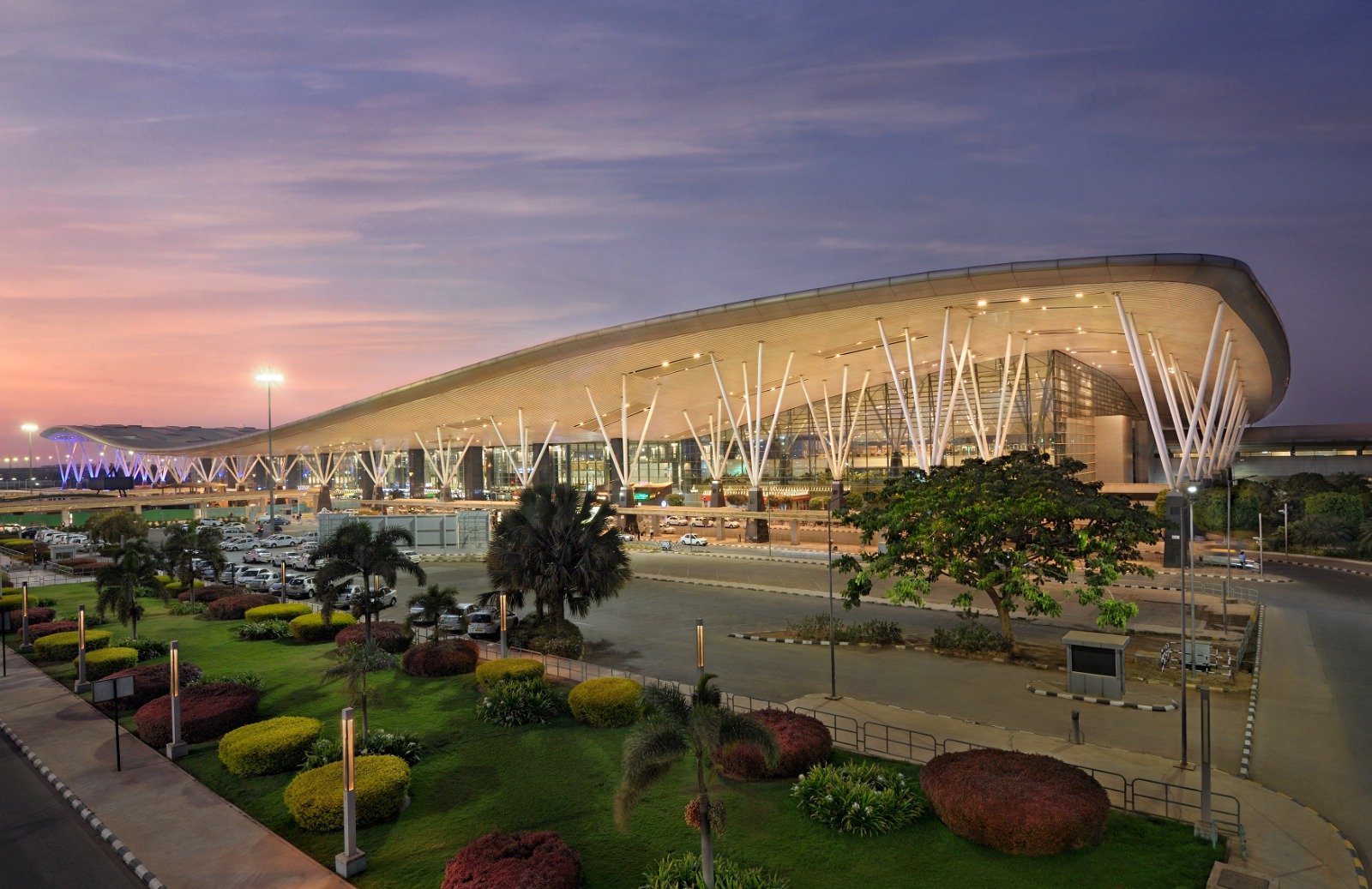
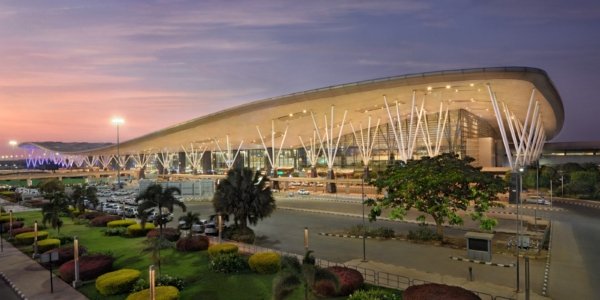
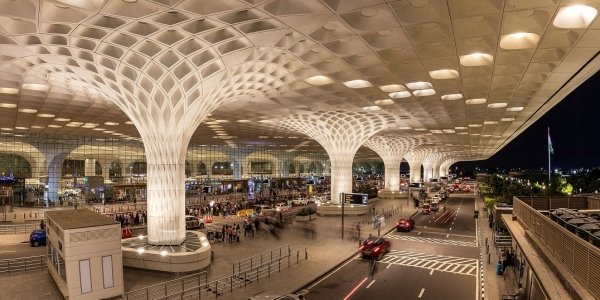
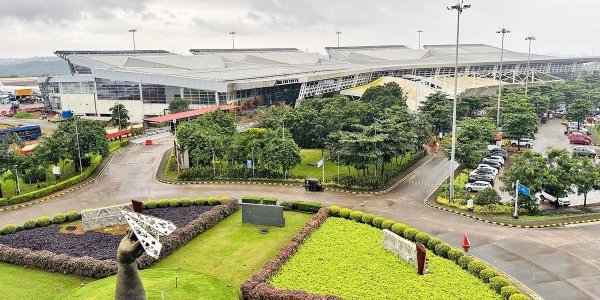
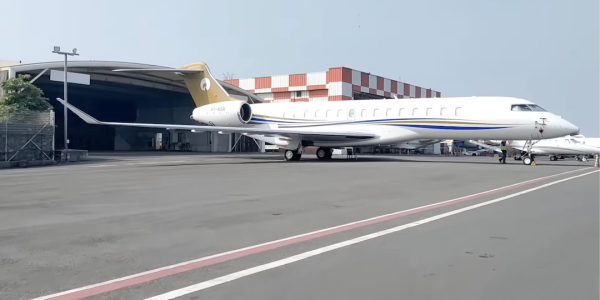
Airports present unique challenges due to their large, open spaces and the need for both aesthetic and functional fire protection. Intumescent coatings are used in various parts of airport buildings, including terminal structures, hangars, and control towers. For example, Amsterdam Airport Schiphol has employed Hempel intumescent coatings on around 6,000 tons of structural steel, regardless of the steel’s profile or the corrosion environment. These coatings not only provide fire protection but also blend seamlessly with the architectural design, ensuring that safety does not compromise aesthetics.
Technical Considerations
When selecting intumescent coatings for airport structures, several factors must be considered:
- Environmental Resistance: Coatings must be resistant to water, moisture, UV exposure, and chemicals to maintain their effectiveness over time.
- Application Method: Intumescent coatings can be applied by spraying, rolling, or brushing. The choice of method depends on the specific project requirements and the coating type.
- Testing and Certification: Coatings must meet standardized fire tests such as BS 476, EN 13381, and UL 263 to ensure their reliability under different fire conditions.
Maintenance and Inspection
Regular maintenance and inspection are crucial to ensure the ongoing effectiveness of intumescent coatings. This includes checking for signs of wear, damage, or degradation, and applying touch-up coatings as needed. Proper maintenance extends the lifespan of the coating and ensures that it will perform as intended in the event of a fire.
Hempel: A Leader in Sustainable Fire Protection
Hempel is a global leader in infrastructure coatings, with extensive experience in protecting steel structures in various projects, including airports. Here are some key points based on the latest information:
- Next-Generation Passive Fire Protection Coatings:
- Hempel’s Hempafire Optima 500 is a waterborne intumescent coating designed to provide up to 180 minutes of fire protection, optimized for 120 minutes. It is particularly useful for large infrastructure projects like airports, stadiums, and commercial centres.
- This coating is fast-drying and highly resistant to sagging, allowing for efficient application and reduced drying times. Projects can be completed faster and with lower total application costs.
- Avantguard Technology:
- Avantguard is a patented technology that combines three methods of anti-corrosive protection: Barrier effect, Inhibitor effect, and Galvanic effect. This technology significantly enhances the durability of steel structures.
- Avantguard 750 Pro, the latest addition to the Avantguard family, offers extended durability beyond 35 years and is designed for new builds, repairs, and maintenance. It features the highest solids volume (76%) and the lowest VOC content (244 g/L) available.
- This coating reduces CO2 emissions and VOC emissions by up to 35% and 52%, respectively, compared to traditional zinc-rich coating systems.
- Sustainability and Cost Efficiency:
- Hempel’s coatings, including Avantguard and Hempafire Optima 500, contribute to sustainability by reducing the overall life cycle cost of coatings and extending the life of steel structures.
- These coatings also align with the UN Sustainable Development Goals by lowering environmental impact and enhancing the durability of structures.
- Global Presence and Experience:
- Hempel has a significant presence in the infrastructure segment globally, with projects in various regions. Their coatings are used in almost every country, protecting and beautifying buildings and infrastructure.
- Hempel’s innovative and sustainable solutions make them a trusted partner for large-scale infrastructure projects, ensuring long-lasting protection and reduced environmental impact.
Intumescent coatings are a vital component in the fire safety strategy of airports, providing critical protection to structural steel and ensuring the safety of passengers and the stability of buildings. With advancements in technology and a commitment to sustainability, companies like Hempel are leading the way in providing innovative solutions that not only protect but also enhance the longevity and environmental impact of these essential structures. As we continue to build and maintain our airports, the role of intumescent coatings will remain a cornerstone of fire safety and structural integrity.