










- Protectionism is on the rise, leading to market disruptions.
- IATA asks manufacturers and supply chain to get their act right, avoid delays.
- Rollout of sustainable aviation fuel (SAF), modernisation of air traffic control and fleet have fallen behind.
- Prime Minister Narendra Modi urges world’s aviation companies to set up operations in India as it is an ‘excellent opportunity for investment’.

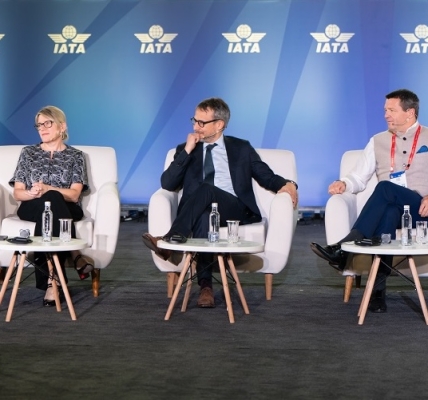
The refrain at the three-day annual general meeting (AGM) of the International Air Transport Association (IATA) and the World Air Transport Summit (WATS), which concluded on June 3 in New Delhi, has been that macro-economic developments globally are going to weigh down the aviation industry.
Trade Barriers & Tariffs, a Big Headache
IATA issued a clear warning about the negative consequences of trade barriers and tariffs. Director General Willie Walsh said, “Like all forms of connectivity, flying makes the world more prosperous. That stands in contrast to isolationism, trade barriers, and the fragmentation of the multilateral rules-based system. These destroy wealth and lower living standards. For the times we live in, this is an important message.”
Airlines are going to be impacted by a slowing global economy as many players are taking a wait-and-see attitude as trade conflicts are playing out, experts warned at the IATA AGM. The uncertainty and quick changes of U.S. trade policy “create a paralysis,” said Henry Wilkinson, chief intelligence officer at Dragonfly.
IATA said that this year it expected airlines’ revenues to remain broadly flat compared to 2024, registering a net profit of USD 36.0 billion at a still meagre 3.7% net profit margin. “Although this performance is among the best in the industry’s history, it is nevertheless the case that airlines’ net margin is only half of what all global industries achieve on average.”

Deceleration of Passenger Traffic
IATA forecasts that passenger traffic growth is going to decelerate to 5.8% YoY in 2025, from 10.6% YoY in 2024. Besides geopolitical and economic developments, the aviation sector will continue to be plagued for some more time with supply chain issues that will continue to prevent airlines from realising their full growth potential and curtail progress on reducing CO2 emissions.
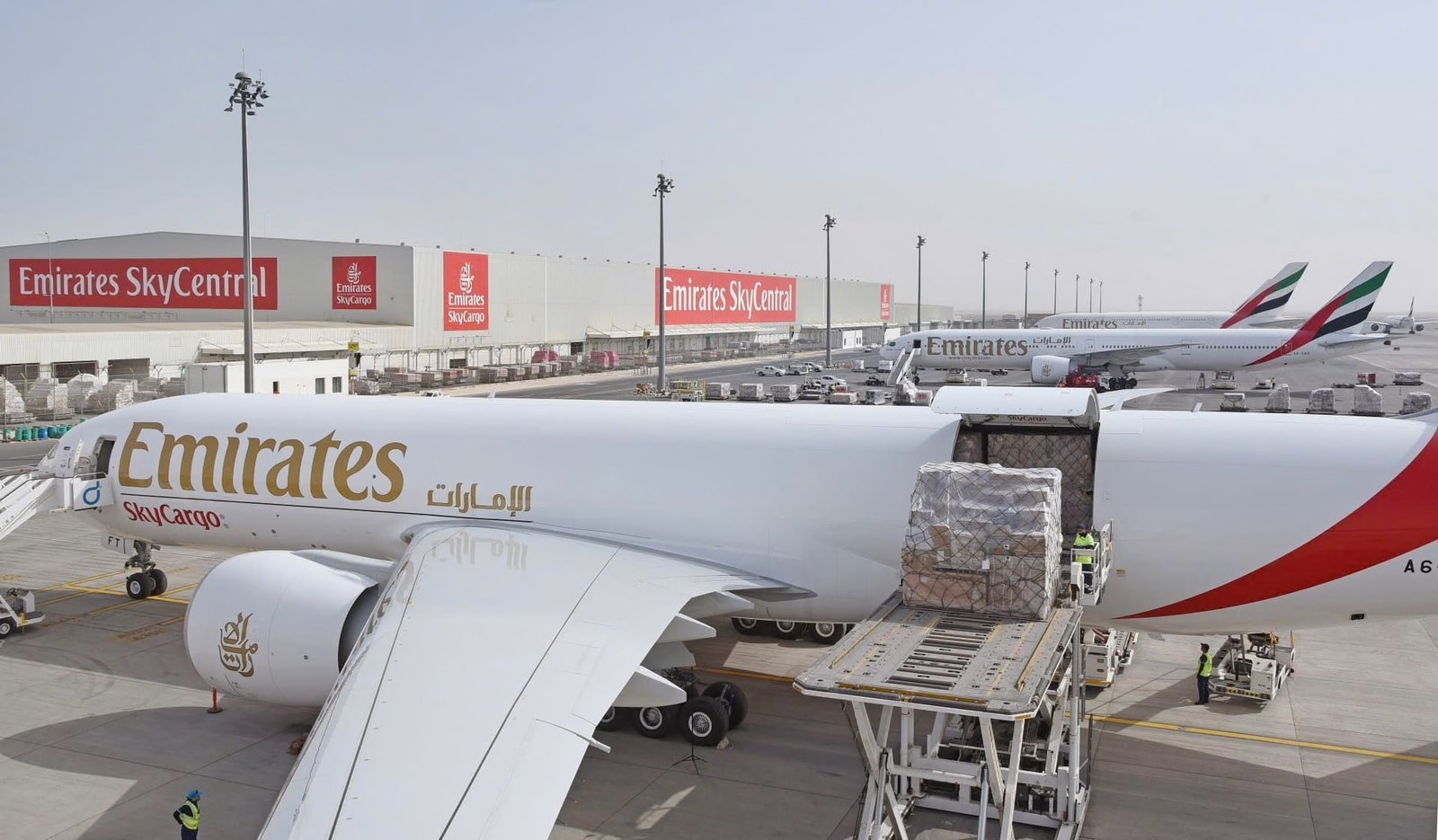
Global growth in air cargo in 2025 should slow more substantially, to only 0.7% YoY, IATA said and mentioned that tariffs will reduce trade. The decline in ocean cargo rates makes air freight less attractive in comparison, it noted.
Need to Accelerate SAF Production
IATA reminded the AGM that the industry has to accelerate sustainability efforts as the rollout of sustainable aviation fuel (SAF), as well as air traffic control and fleet modernisation, have been falling behind. IATA has been studying the feasibility of SAF targets, with fuels delivering 65% of planned carbon mitigation in 2050, and has come to the conclusion that there is “more than enough” feedstock for the amounts needed, yet production capacity expansion is lagging.
Supportive Policy Frameworks Essential
SAF production is expected to double to 2 million tons in 2025, but that represents only 0.7% of fuel demand. Walsh said that governments are not creating “supportive policy frameworks,” that U.S. tax credits that were supposed to support production ramp-up “are now uncertain”, and that major energy companies such as Shell and BP have cut back on investment plans.
EU Great Green Scam
He said that with government support for CORSIA, the global offset scheme, weakening, and the European Union mandate of 2%, SAF has raised costs but not production. “It’s an outrage that suppliers are charging airlines compliance fees that value SAF at double its market premium over conventional jet fuel. That’s a billion-dollar windfall for fuel suppliers. This is the EU great green scam.”
Aircraft Deliveries Down 26%
Walsh also blasted manufacturers and the supply chain for constant delays. “The manufacturing sector is failing badly,” he said. Deliveries are down 26% this year versus prior promises, 1,100 aircraft under 10 years of age are in storage and lead times between order and delivery not be 14 years. The aircraft backlog has risen to a record-high 17,000 aircraft as a result. If the backlog increase were assumed to be caused solely by delivery delays, it would indicate that airlines are short of 5,400 aircraft, 18% of the active fleet. Given the expected annual production of around 2,000 aircraft, this may take 3-5 years to resolve.
“It is just not acceptable that it should take until the end of the decade” for supply chain issues to be sorted out, he said. The average fleet age has risen from 13 to 15 years as airlines hold on to ageing aircraft longer to ensure they have sufficient capacity.
“This is not where we should be in 2025,” Walsh said. “We have a quarter century to get to net zero. There is no time for delay and no tolerance for government greenwashing and unnecessary cost increases. We need urgent actions.”
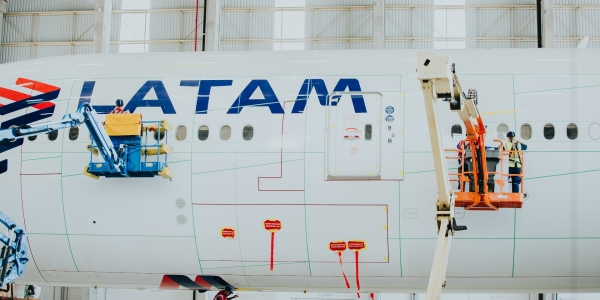
Walsh hoped that by the next AGM of IATA in June 2026 to be held in Rio De Janeiro, Brazil, hosted by LATAM Airlines, the industry would have good news on sustainability and supply chain issues.
Silver Lining from India
Prime Minister, Narendra Modi, who addressed the plenary session, said, “We want the world to see Bharat not just as an aviation market, but as a value-chain leader. From design to delivery, Bharat is becoming an integral part of the global aviation supply chain. Our direction is right, our speed is right, and that gives us the confidence to keep progressing rapidly. I urge all aviation companies: Along with Make in India, to also focus on Design in India.”
He said airlines in India are consistently achieving double-digit growth, and along with foreign airlines, they are carrying nearly 240 million passengers annually, to touch 500 million by 2030. Today, 3.5 million metric tonnes of cargo are transported by air, expected to reach 10 million tonnes by 2030.
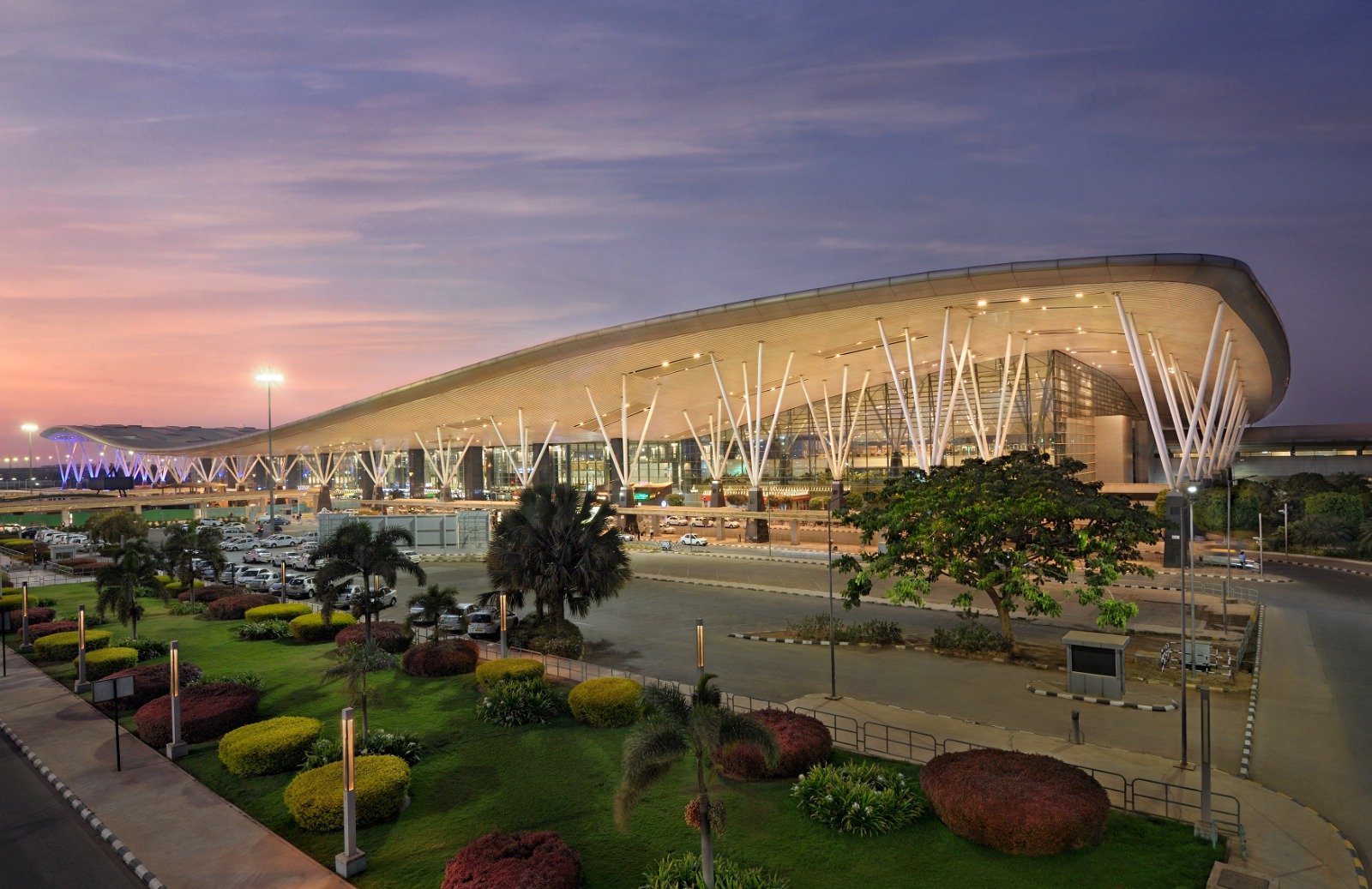
India has 162 airports now, and airlines have placed orders for over 2,000 new aircraft. “And this is just the beginning. Bharat’s aviation sector is standing at a take-off point from where it is ready to soar to great heights. And this journey will not just cross geographical boundaries, but will also lead the world towards sustainability, green mobility, and equitable access.”