















India’s regional aviation expansion has so far been driven more by network reach than by a shift in aircraft size or operating model. While traffic across tier-2 and tier-3 cities continues to rise under UDAN and beyond, the fleet mix serving these routes remains largely unchanged, with turboprops carrying much of the load and larger narrowbodies dominating mainline growth. In this interview, Adity Shekhar, Regional Vice President – Sales at Embraer, lays out how the company reads this imbalance, why it believes demand will gradually move toward higher-capacity regional operations, and how Embraer is engaging with the Indian market at a time when regional demand is evolving, fleet choices remain conservative, and execution considerations continue to shape airline decisions.
India’s regional routes are still largely served by turboprops, unlike markets such as the US where E-Jets play a larger role. What has limited wider E-Jet adoption in India so far?
We believe it’s a matter of evolution. India’s regional aviation sector is experiencing rapid growth, particularly in Tier 2 and Tier 3 cities. While Tier 1 routes are growing at a relatively stable 0.2% CAGR, regional routes are growing at 7%. So far, under the government’s UDAN scheme, we’ve seen 625+ routes operationalised, and the total number of airports doubled to 159 (in 2024). As a result, we have also seen the growth of regional airlines like Star Air, amongst others. The new UDAN scheme aims to add 120 new airports and enable travel for more than 4 crore passengers.
This growth in regional demand will necessitate a re-evaluation of current aircraft capacity. By 2027, we expect that regional routes will require 90-seater aircraft, and by 2030, that demand will increase to 114-seaters. That is where Embraer’s E175 regional jet, E190-E2 and E195-E2 small narrowbody jets can come in and serve those categories.
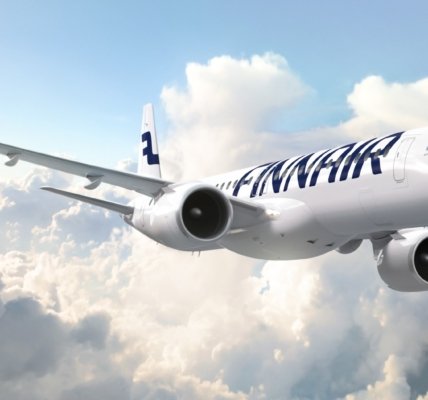
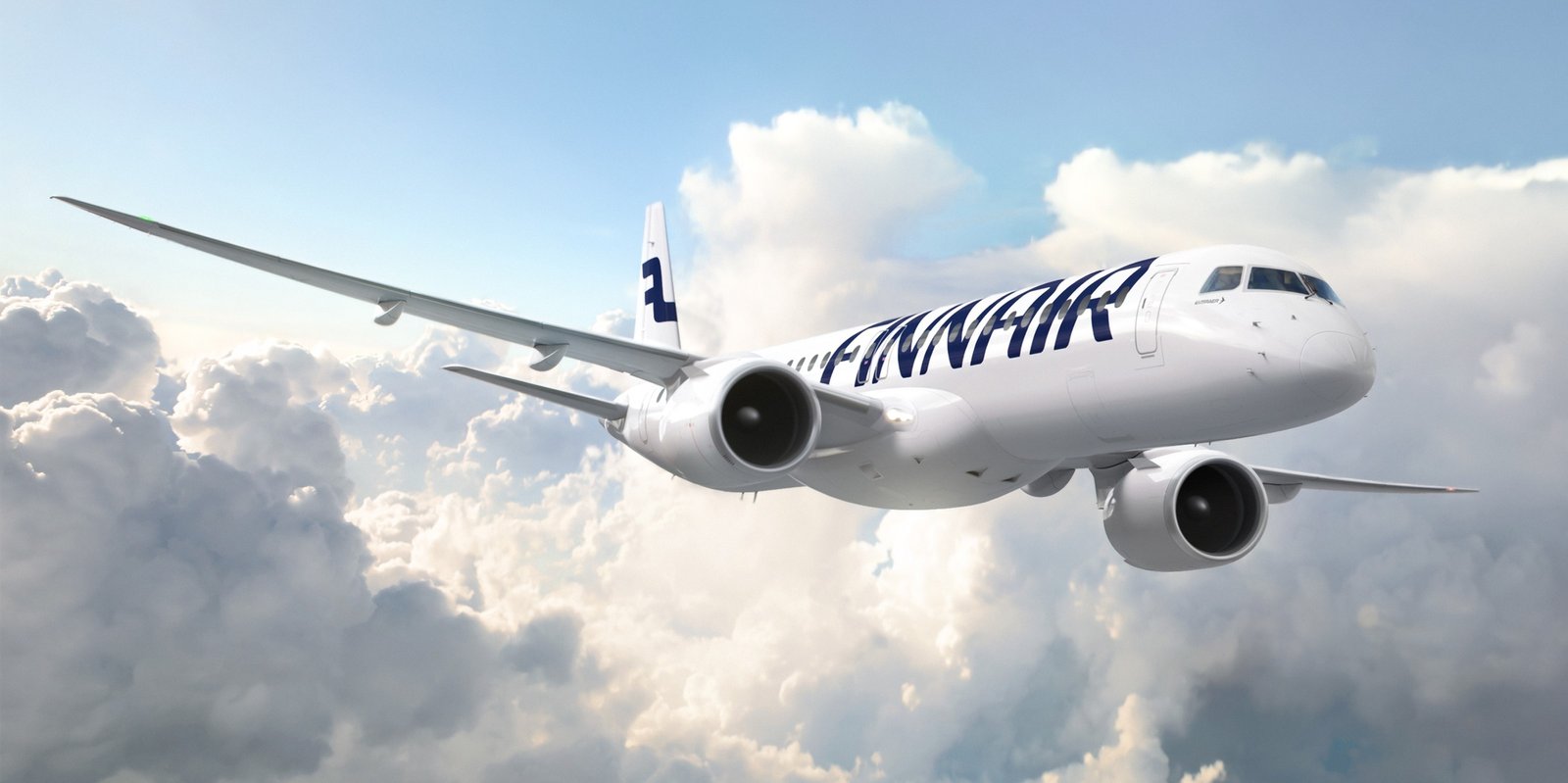
The E175 is the backbone of regional connectivity in the US and offers efficiency, reliability and performance. The E-Jets E2, which is the world’s quietest and most fuel-efficient aircraft, offers enhanced performance, efficiency and the capability to operate from challenging airports with shorter runways or low pavement strength.
With IndiGo and Air India placing record narrowbody orders, how does Embraer view potential opportunities with Indian carriers?
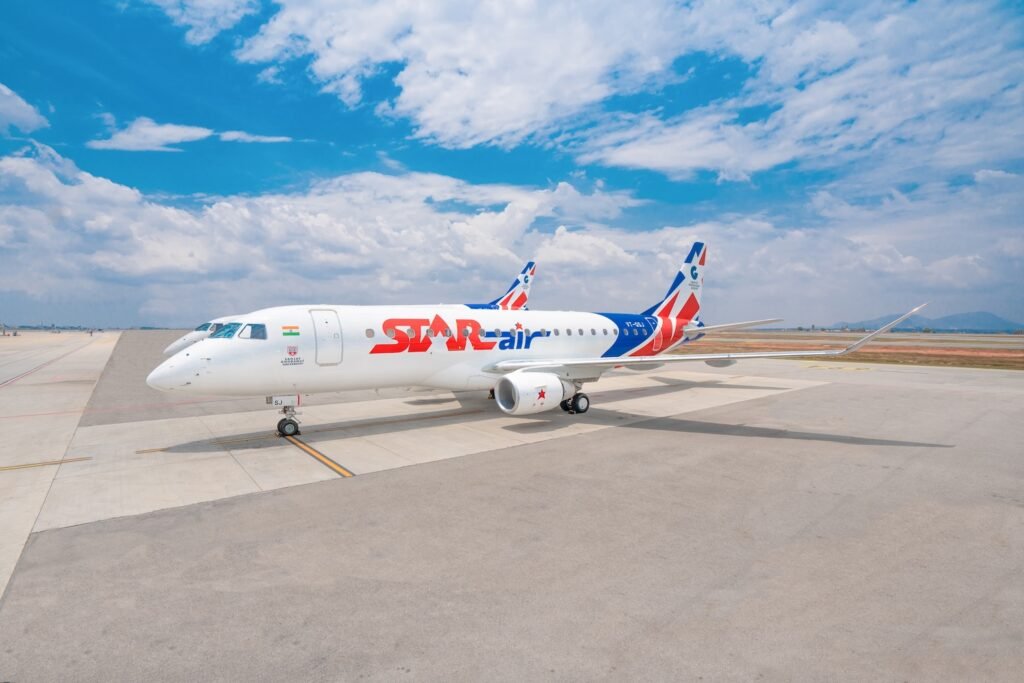
Embraer has a substantial footprint with nearly 50 Embraer aircraft and 11 aircraft types currently operating in the country across commercial, defence and business aviation. Embraer aircraft operated by Indian Air Force include the Legacy 600 aircraft and the ‘Netra’ AEW&C aircraft based on the Embraer ERJ145 platform, meanwhile Star Air operates a fleet of 13 E175 and ERJ145 aircraft.
We see significant opportunities for Embraer’s full range of commercial aircraft in India and have discussions with a range of carriers. India is a key market for Embraer, our small narrowbody aircraft tap the gap in India’s air network. This enables airlines to open new routes which have insufficient demand to fill larger narrowbody aircraft and require range beyond what a turboprop can efficiently serve.
The E-Jets family of regional and small narrowbody jets brings significant benefits to India’s air connectivity by unlocking ‘blue ocean’ opportunities found in tier two and tier three cities and we remain in talks with multiple airlines to unlock these opportunities.
As India’s aviation market expands rapidly, how does Embraer assess long-term demand for regional and small narrowbody jets?
With the rapid progress and success on the UDAN scheme, and a growing number of regional airline success stories, we believe that India will require at least 500 aircraft in the 80 to 146 seat range over the next 20 years. These aircraft will have to deliver significant range of travel, which turboprops may not be able to deliver. That places Embraer’s small narrowbody aircraft in the perfect spot to deliver on airlines’ evolved requirements.
What lessons from Star Air’s operations shape how Embraer positions E-Jets and E2s for other Indian airlines?
The E-Jets have transformed and enhanced regional connectivity as proven with Star Air – an all-Embraer operator of E175 and ERJ145 aircraft. With a range beyond the turboprop and capacity below the 180-seat narrowbody, the E-Jets are empowering airlines to tap on the next frontier of growth through enhanced regional connectivity and optimisation of capacity-to-demand on thin routes.
With Embraer’s new wholly owned subsidiary and corporate office in India, what are the next priorities for local collaboration and capability building?
Embraer’s establishment of a fully owned Indian subsidiary with a corporate office in New Delhi underscores our long-term vision for growth and potential collaboration with India’s rapidly evolving aerospace and defense landscape. We want to strengthen our interests across commercial aviation, defence, business aviation, services & support and the growing urban air mobility sector.
As we grow our team in the country, we will look at deeper collaborations and supply chain opportunities with the Indian aerospace and defence industry, leveraging our expertise and technology to contribute to the nation’s growth and “Make in India” efforts. We hope to share some significant updates in the mid-to-near term.
As airlines face mounting decarbonisation pressures, how is Embraer advancing cleaner aircraft technologies?
Embraer has been investing in new low and zero-emission technologies for several years to contribute to zero-carbon aviation by 2050. Our E-Jets E2 is the most efficient aircraft in the market, which delivers up to a 29% reduction in emissions per seat compared to the previous generation of E-Jets and when compared to prior generation narrow-body types such as the B737-800 or A320ceo the reduction in emissions is up to 30%.
Sustainability isn’t just about reducing fuel consumption and carbon emissions. It’s also about cutting the amount of noise our aircraft make.
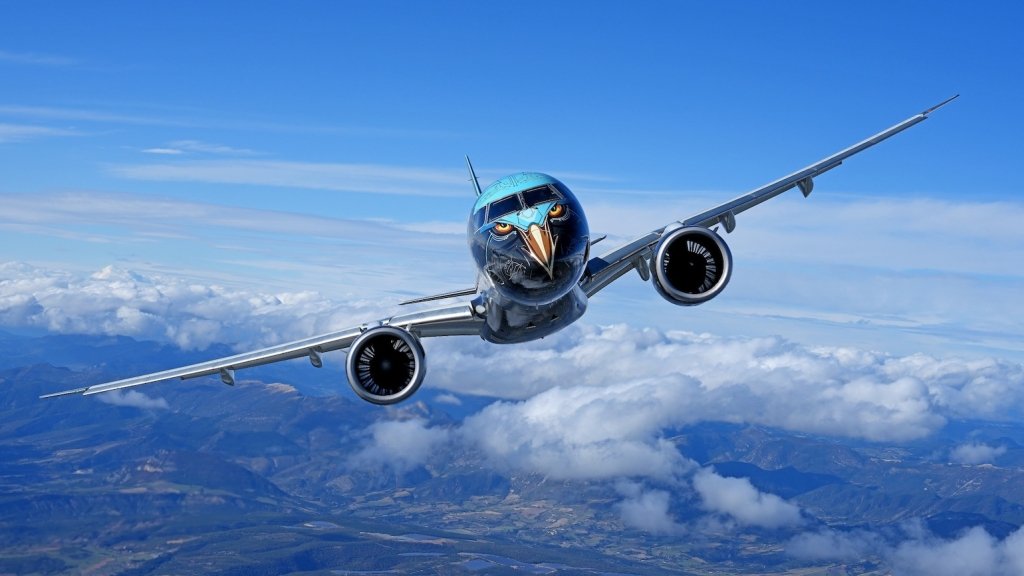
That’s why E2 is not only the most efficient aircraft in single aisle, but also the quietest.
The rightsized E-Jets E2 family of aircraft is also certified to fly with blends of up to 50% sustainable aviation fuel (SAF) and has demonstrated the engine’s operability with 100% SAF, further reinforcing Embraer’s commitment to be carbon neutral by 2040 from our direct emissions and energy consumption emissions and to provide solutions to achieve net zero carbon emission in Aviation by 2050. Aligning with India’s aims towards a more sustainable airline industry.
To achieve our goals, we’re exploring a wide range of bold but viable aircraft designs in our Energia concepts – reimagining and conceptualising everything from the aircraft’s power source to the shape of the airframe – all to achieve the industry-wide goal of net carbon zero by 2050.
Our Energia project is exploring a range of sustainable concepts to carry up to 50 passengers. This project is considering several energy sources, propulsion architectures and airframe layouts to reduce our carbon emissions by 50% starting from 2030 – a key step in our goal to be net carbon neutral by 2050.
How is Embraer strengthening supply chain resilience to maintain delivery commitments?
In 2025, despite supply chain constraints, Embraer Commercial Aviation was able to meet delivery targets – delivering 78 jets, in line with the 77-85 guidance. In general, the industry-wide supply chain disruptions are improving, but issues remain.
We have been able to manage these issues and increase our output each year while giving our customers greater clarity on delivery expectations. We made progress in 2025 in addressing some of the supply chain related challenges, and we are also looking to improve production stability in 2026.
How is Embraer using digital tools and data analytics to improve efficiency across operations and support customers?
Innovation is in Embraer’s DNA. As a lean company, our high level of automation places us at the forefront of the global aeronautical industry, with teams within the company working with Artificial Intelligence, Collaborative Robotics, Augmented and Virtual Reality and the Internet of Things.
We remain focused on advancing predictive maintenance and using Artificial Intelligence and data analytics to deliver efficiency and results for our customers. One recent example is the Smart Planning data tool we developed with Aquarela Analytics.
Smart Planning not only optimised Embraer’s inventory planning but also laid a solid foundation for future supply chain innovations. With digitalisation and greater integration of data, it was possible to further improve operational efficiency, reduce costs, enhance quality and strengthen relationships with suppliers and partners.
Also Read: What the Embraer–Adani Partnership Means for India’s Regional Aircraft Push