





Navi Mumbai Airport Takes Flight: India’s Biggest Leap in Air Infrastructure

- Prime Minister Narendra Modi officially opened Phase-1 of the Navi Mumbai International Airport (NMIA) today, fulfilling a 25-year aspiration for Mumbai’s second airport and marking a significant achievement in the history of aviation in India.
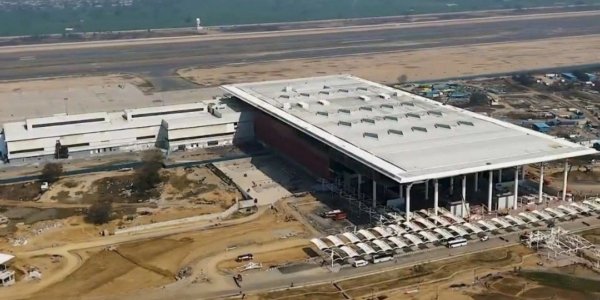
- Constructed collaboratively by Adani Airport Holdings Ltd. and CIDCO at an investment of ₹19,650 crore, this state-of-the-art airport covers an area of 1,160 hectares and is designed to accommodate up to 90 million passengers each year.
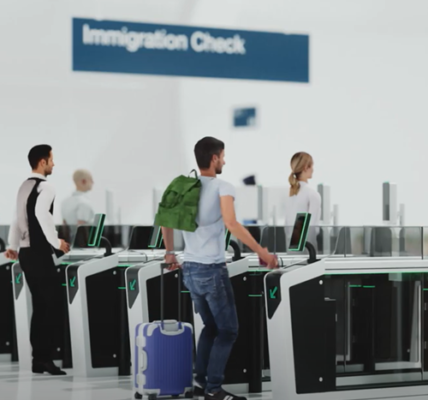
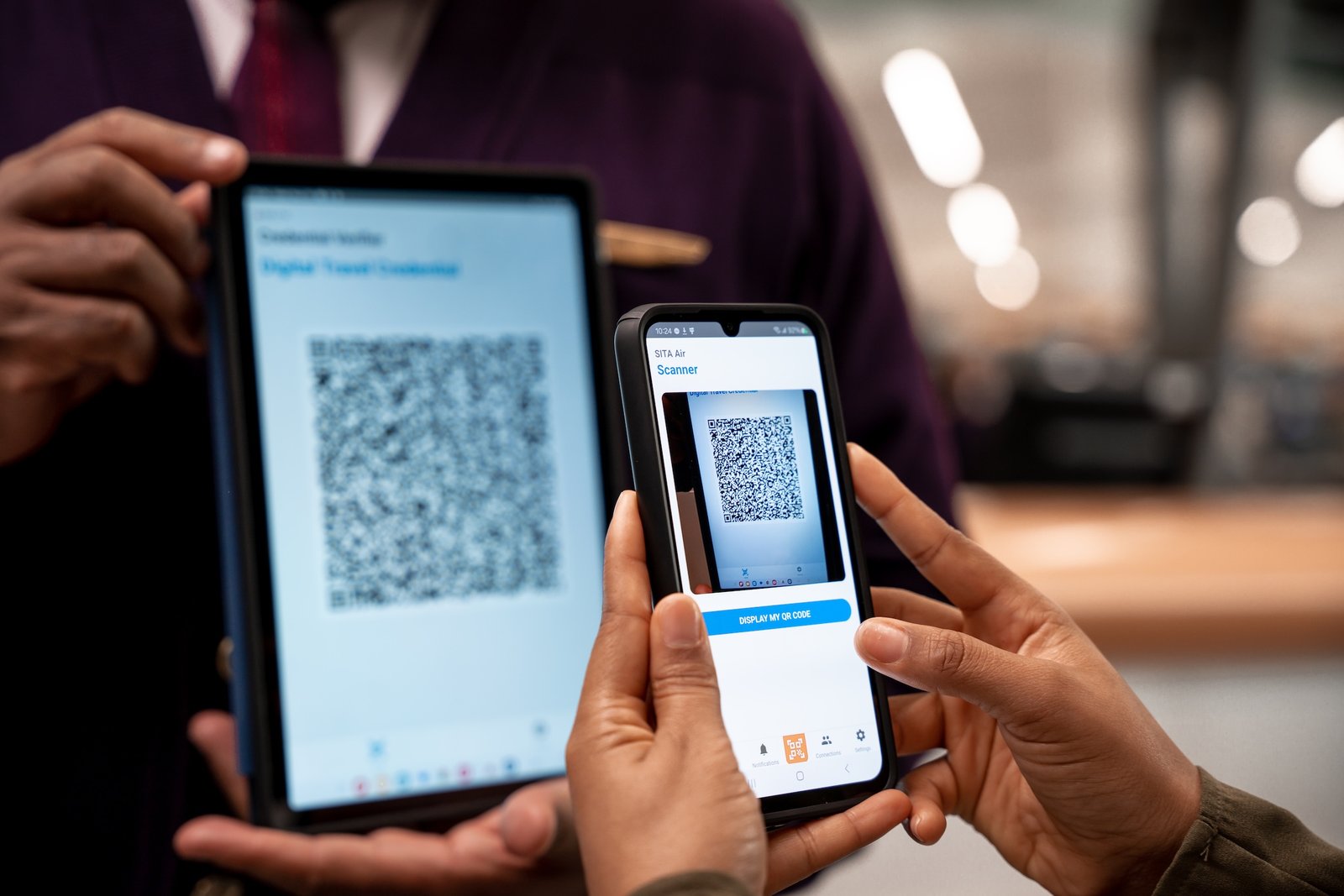
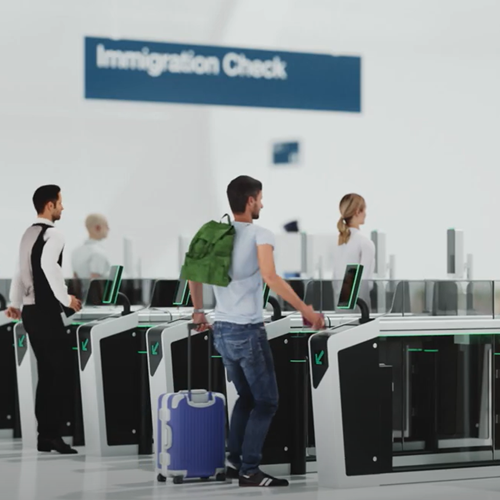
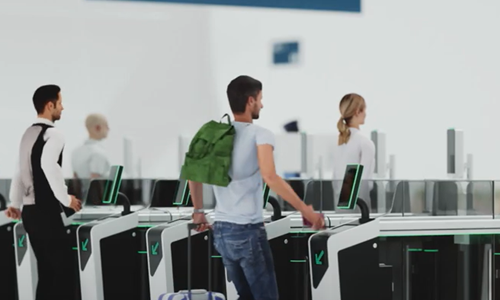
- IndiGo will conduct the first commercial flight, followed by Air India Express and Akasa Air, as NMIA emerges as a digital-first hub, fully equipped with DigiYatra technology, incorporating AI-driven systems, facial recognition, and streamlined passenger services.

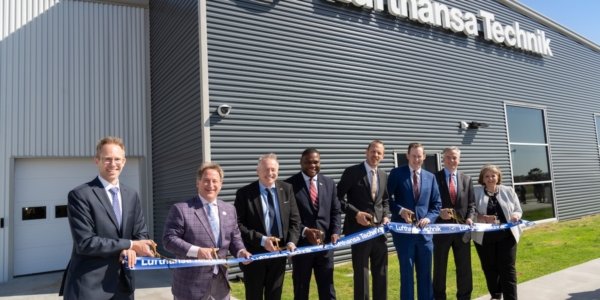
Prime Minister Narendra Modi pressed the button to inaugurate Phase 1 of the Navi Mumbai International Airport today in the presence of the Maharashtra Chief Minister, the two Maharashtra Deputy Chief Ministers, the Union Civil Aviation Minister, Adani Group Head Gautam Adani, and other leaders and dignitaries. The inauguration was the culmination of Mumbaikars’ 25-year-old dream of a second international airport.
The Prime Minister flew to Navi Mumbai International Airport, marking the symbolic start of operations that will formally begin in a few days. When the inaugural commercial flight—an IndiGo service—takes off from NMIA, it will be a transformative moment in India’s aviation journey. After years of delays, land disputes, and environmental hurdles, Mumbai will finally join the league of global megacities with two international airports—a milestone that reshapes both the city’s skyline and the nation’s aviation map.
Unlike Noida International Airport, which will support Delhi’s Indira Gandhi International Airport, NMIA is designed to overtake Chhatrapati Shivaji Maharaj International Airport (CSMIA) as the financial capital’s main air gateway.
Built for a Smart, Seamless Experience
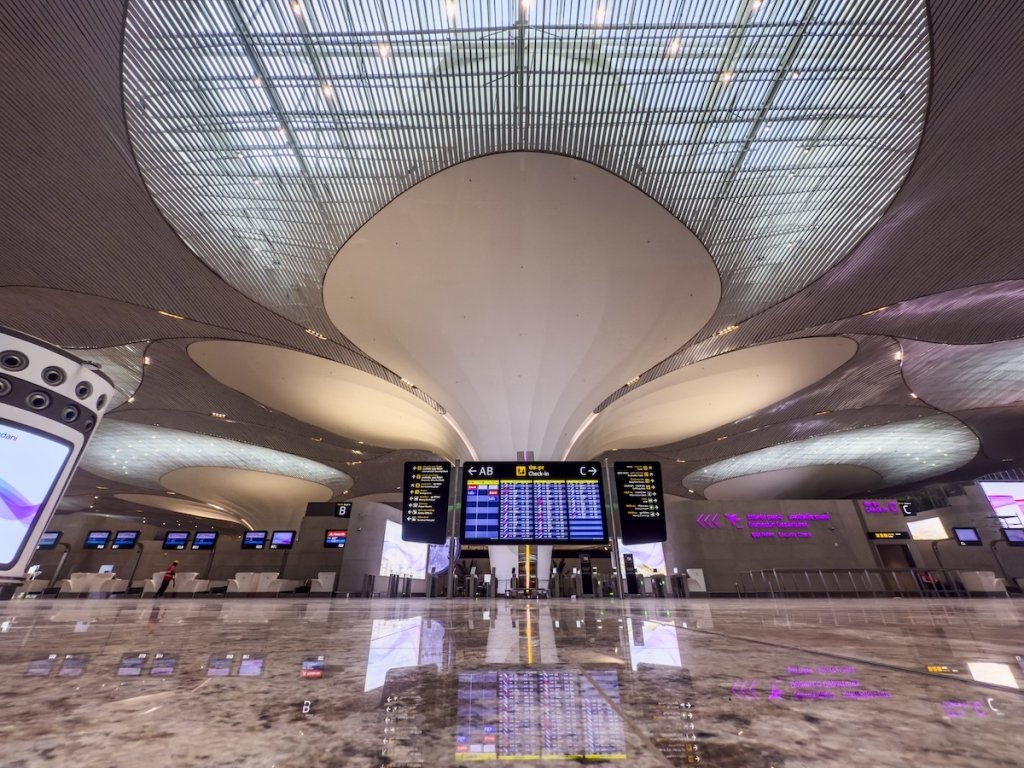
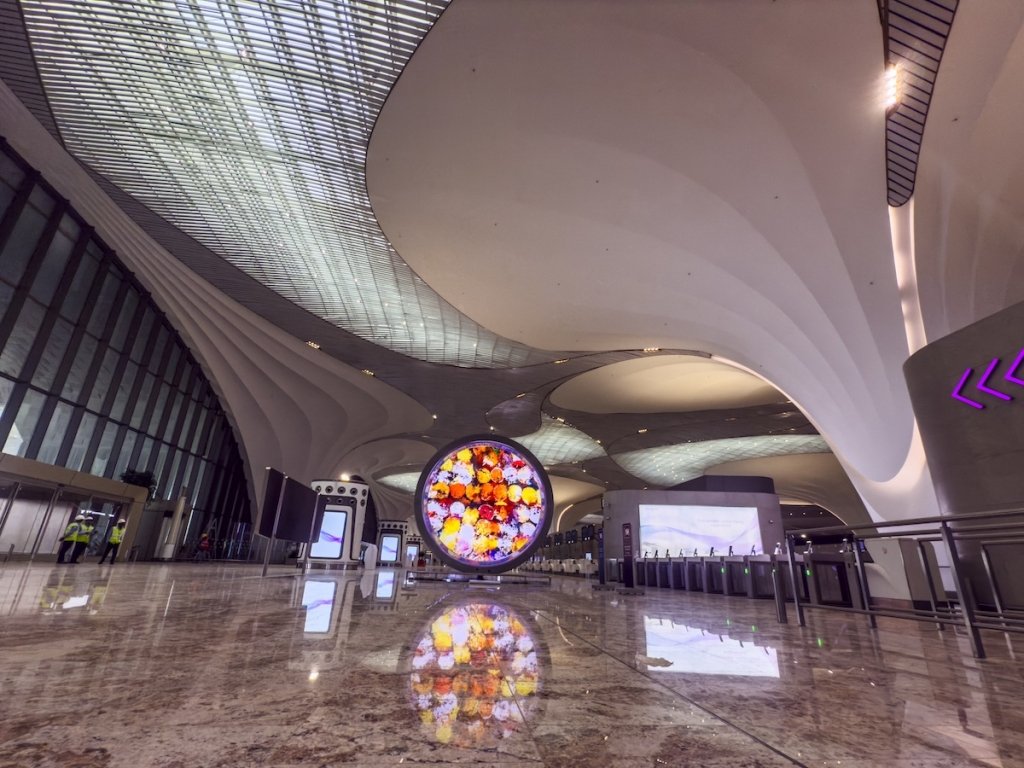
Developed by Adani Airport Holdings Ltd. (AAHL) and CIDCO (City and Industrial Development Corporation of Maharashtra), NMIA spans 1,160 hectares in Panvel. Built at a cost of ₹ 19,650 crore, the NMIA offers a truly next-generation passenger experience, featuring a 32,000 sq. ft. digital art programme and 4,000 sq. ft. of immersive LED screens. Fully DigiYatra-enabled, the airport is designed for seamless, contactless travel.
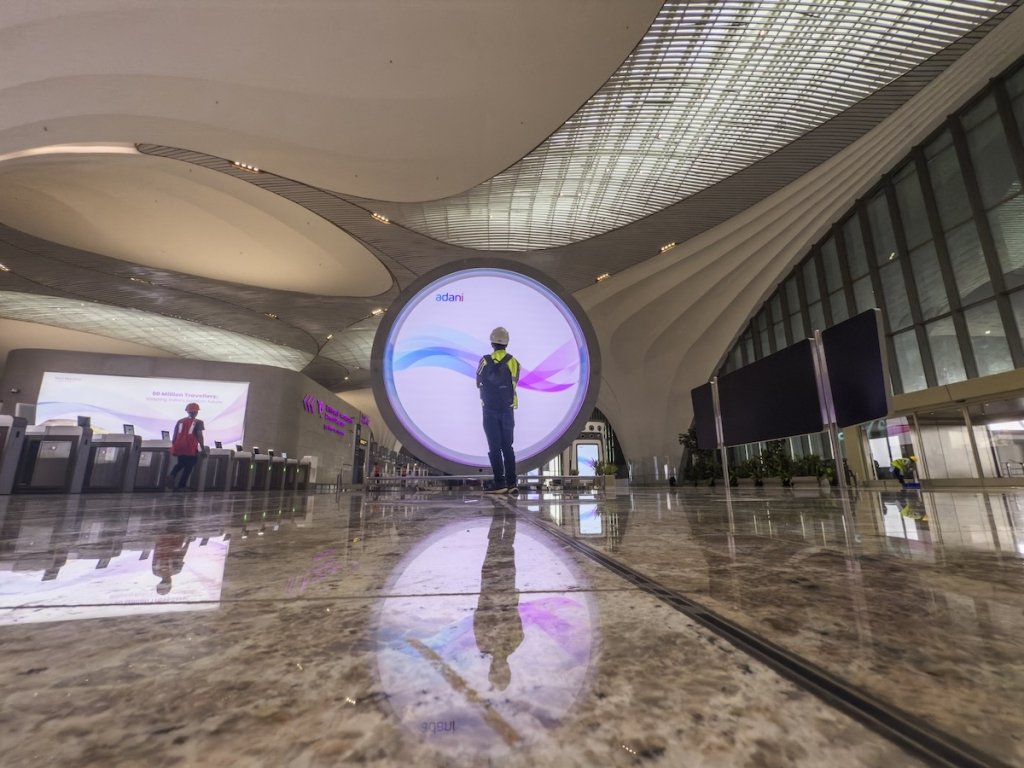
Adding to the experience are gaming zones, smooth metro connectivity, and paperless transactions across non-aero areas—all combining to create a smart, hassle-free airport journey.
Located approximately 40 km south of Mumbai, NMIA’s accessibility remains a challenge. The Mumbai Trans Harbour Link (MTHL)—India’s longest sea bridge—has sharply reduced travel time, but many suburban trips still take two hours. A dedicated metro line linking NMIA to the island city is expected to be operational by 2027. Until then, electric shuttle services and premium coach links from business districts and Navi Mumbai suburbs will bridge the gap.
Infrastructure and Capacity Blueprint
Phase One, with a single integrated terminal and one runway, can handle 20 million passengers annually. Over the next decade, four terminals and two parallel runways will lift capacity to 90 million passengers a year by 2036. Arun Bansal, CEO of Adani Airport Holdings, mentioned that the NMIA was Mumbai’s most significant infrastructure shift since the Bandra-Worli Sea Link. He pointed out that the CSMIA had hit its ceiling. “There’s unmet demand for another 20 million passengers. Navi Mumbai will take that load and more.”
By 2030, both airports are projected to handle 50–60 million passengers each, after which NMIA is expected to gradually become Mumbai’s primary hub.
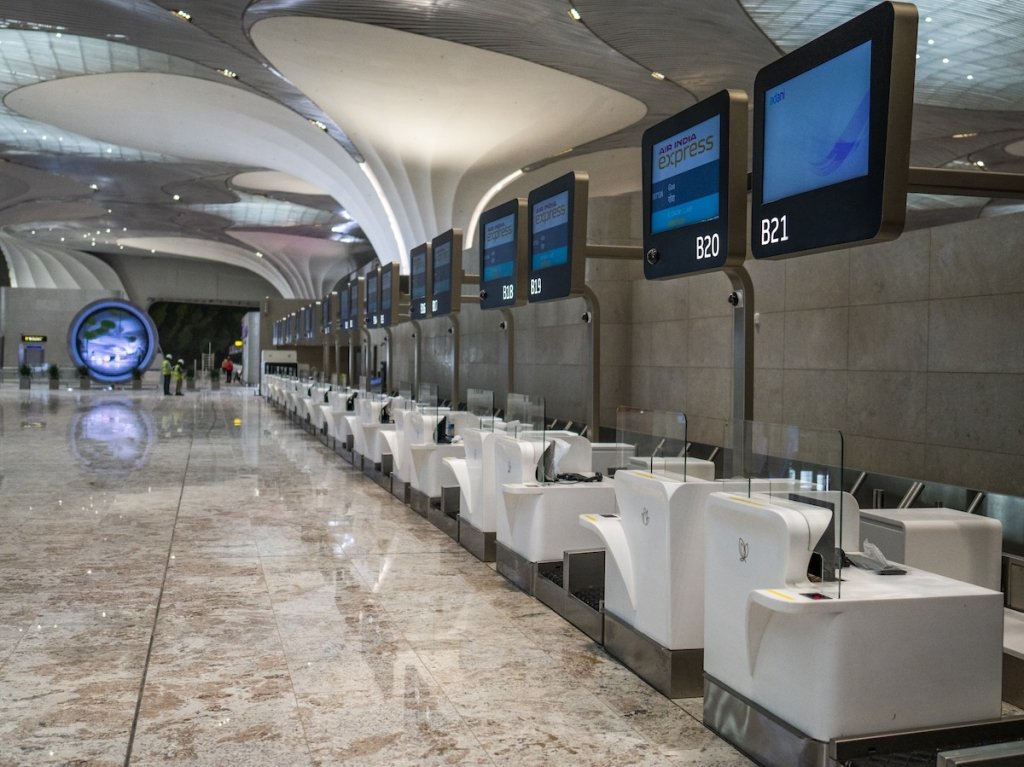
Photo: NMIA
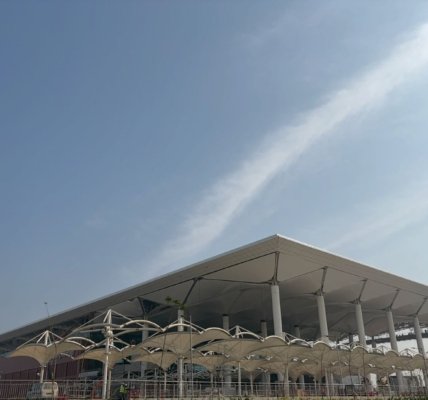
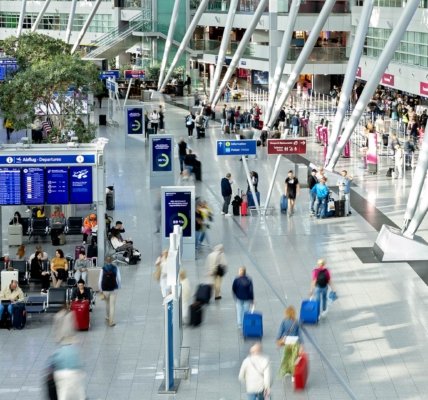
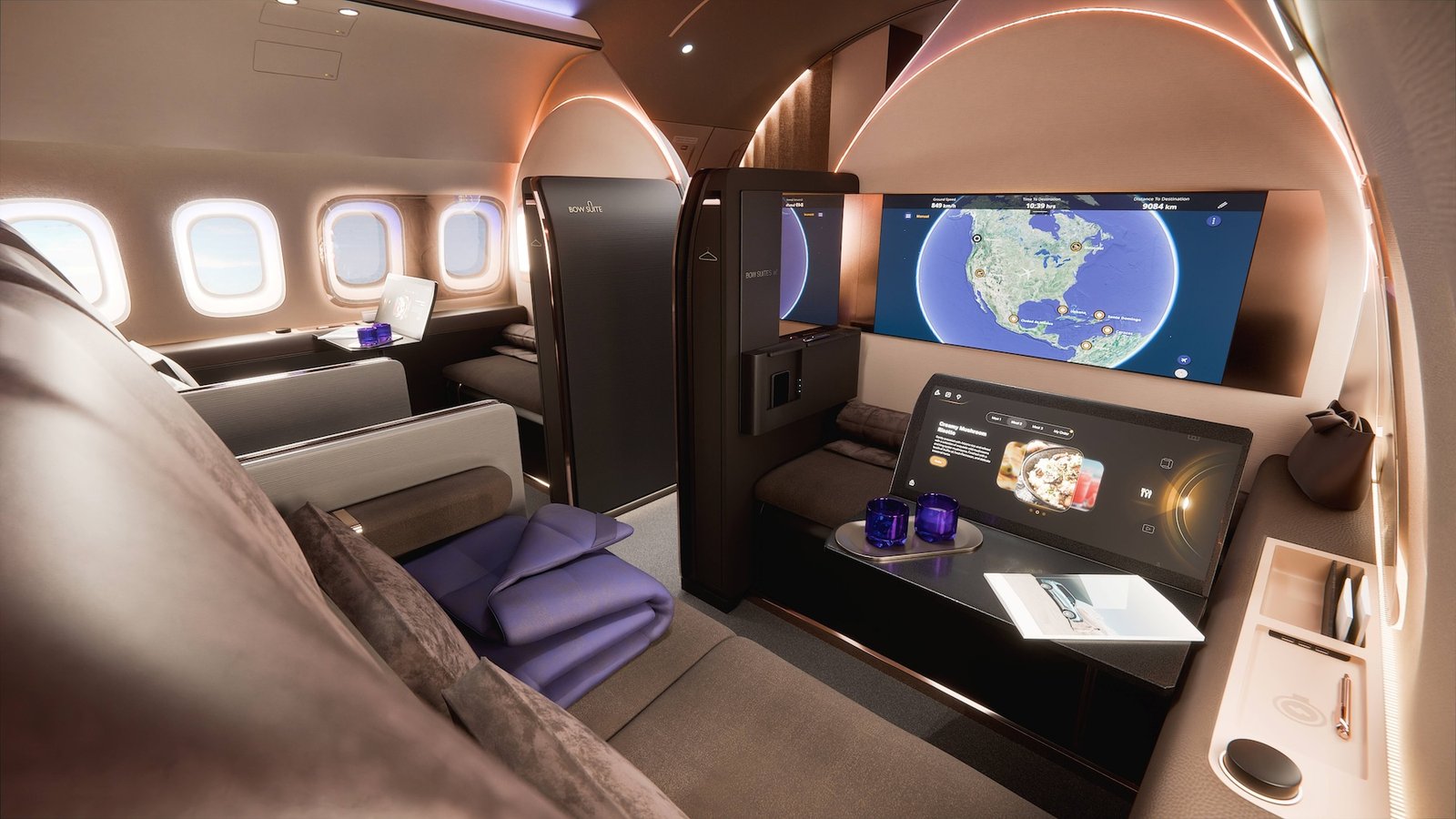
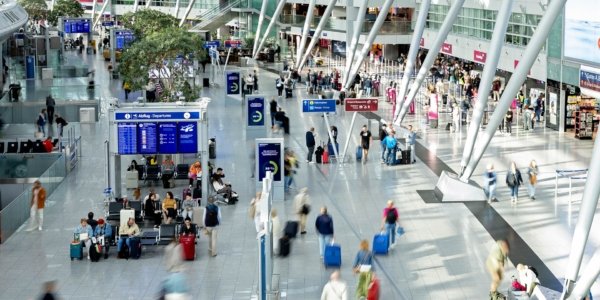
The first-phase terminal features 66 check-in counters, 22 self-baggage drop-off points, 29 aerobridges, and 10 bus gates. The terminal showcases culture with digital art installations and interactive exhibits showcasing Mumbai and Maharashtra. Domestic departures include a children’s play zone, while lounges can seat up to 500 business travellers and VIPs.
An 80-room transit hotel caters to overnight and day-stay passengers. The terminal introduces home delivery and repair services for baggage, a first in India. The retail space spans 5,000 square metres, with 1,800 square metres dedicated to duty-free outlets. Dining is also available via an app, allowing food to be ordered digitally and delivered anywhere within the terminal.
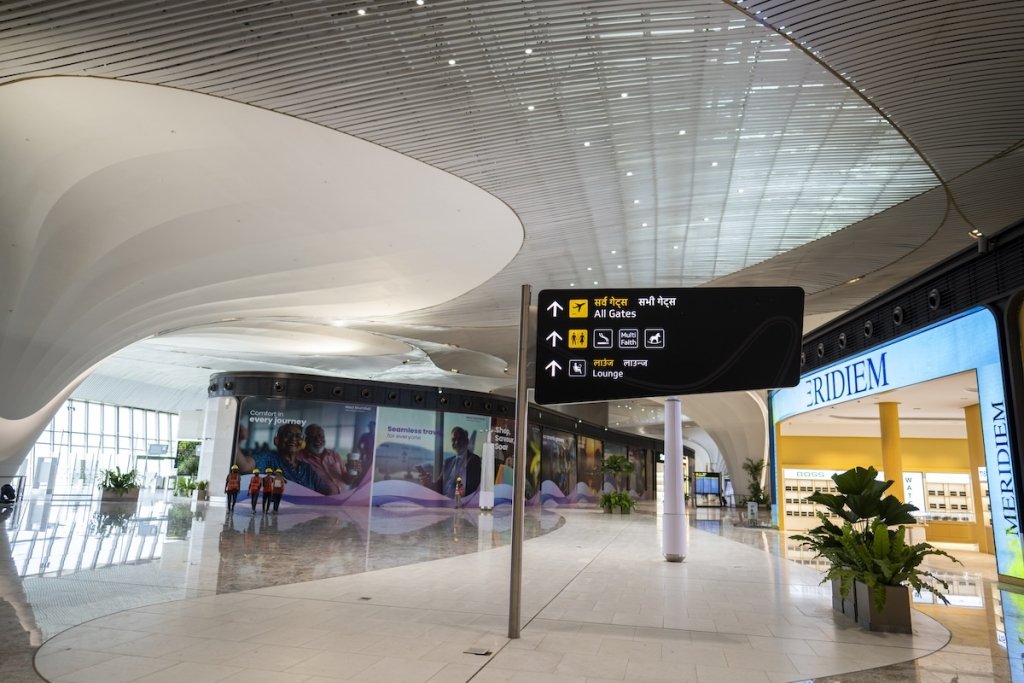
Passengers can pre-book parking and enjoy a paperless, app-based experience across non-aero areas.
The terminal’s design blends digital innovation, local culture, and convenience—a preview of India’s next-generation airports.
Together, these facilities reflect a design philosophy focused on technology, convenience, and cultural identity—making NMIA one of the most advanced terminals in Asia.
From Test Flights to Commercial Launch
The airport’s operational readiness was demonstrated on December 29, 2024, when an IndiGo A320 completed a certification test flight from Mumbai Airport and was greeted with a water cannon salute. Earlier, in October 2024, an Army aircraft and an Air Force Sukhoi-30 had tested the runway.
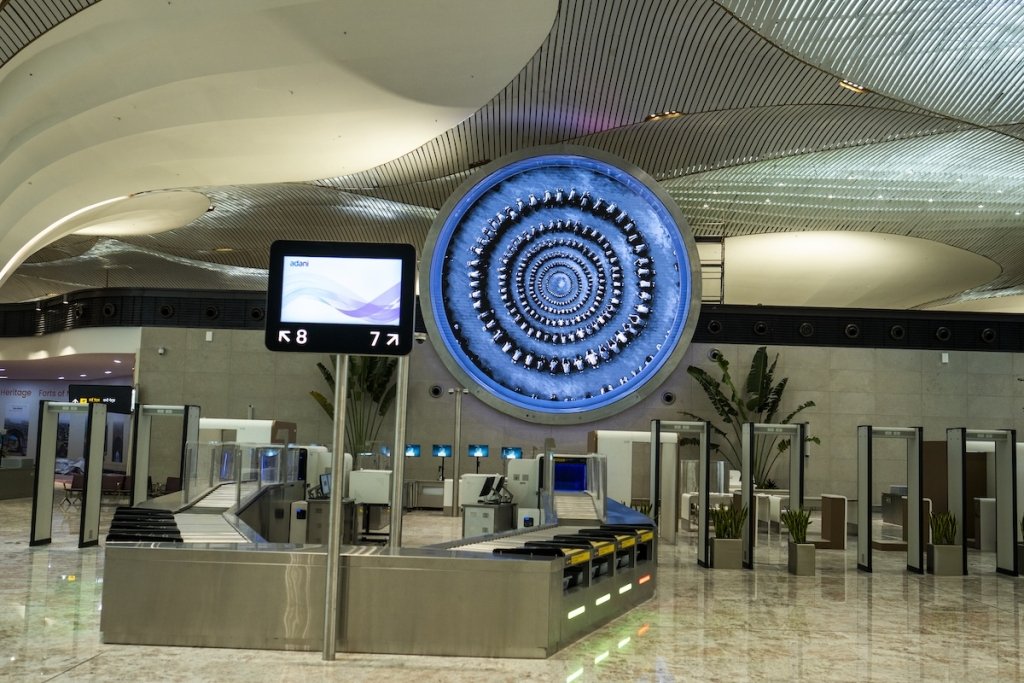
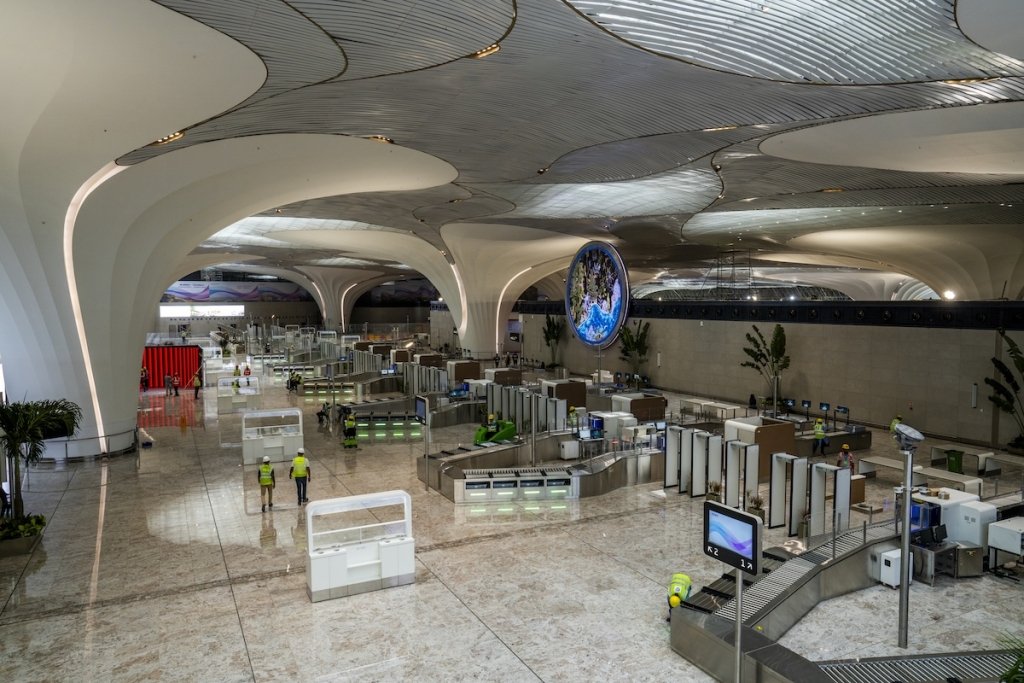
Commercial operations are set to begin in December 2025 with one runway, 42 aircraft stands (29 contact, 13 remote), and flight windows between 8 a.m. and 8 p.m. NMIA will initially handle 10 air traffic movements (ATMs) per hour, scaling up to 40 within nine months.
Airlines Line Up for Take-Off
India’s largest carriers are lining up for take-off. IndiGo will be the inaugural airline, launching 18 daily departures (36 ATMs) to 15 cities from day one. It plans to expand to 79 daily flights (158 ATMs)—including 14 international—by November 2025 and to more than 100 daily flights by March 2026. By late 2026, IndiGo’s operations will exceed 140 daily departures (280 ATMs), serving 30 international routes.
Highlighting NMIA’s significance for airlines, Arun Bansal pointed out the airport’s alliance with IndiGo as a major step towards strengthening NMIA’s position as a transfer hub for domestic and international travellers. “Together with IndiGo, we will transform the travel experience for millions of passengers,” he had said.
Pieter Elbers, CEO of IndiGo, said: “IndiGo will be the inaugural airline to operate from NMIA. This partnership reflects complete operational readiness on both sides and our intent to redefine the travel experience in Mumbai.”
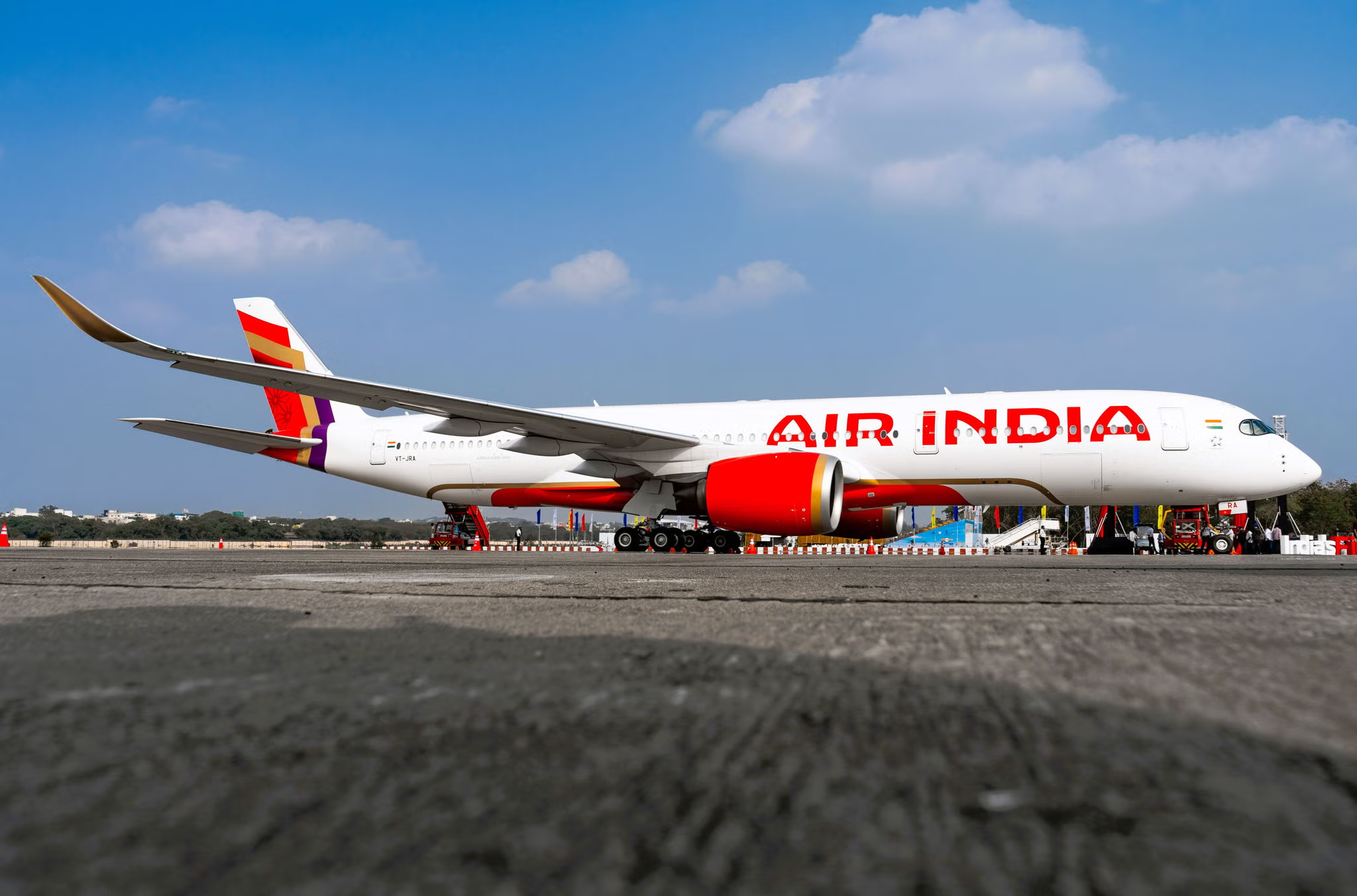
Following IndiGo, Air India Express will operate 20 daily departures, scaling up to 55 flights—including five international—by mid-2026, while Akasa Air will also commence operations in the first phase.
Twin-Airport Operations for Mumbai
For decades, Mumbai has been the paradox of Indian aviation—one of the world’s busiest air hubs served by a single airport. Despite having two intersecting runways, CSMIA could operate only one at a time, thereby capping its efficiency. It handled over 1,000 daily flights and 50 million passengers annually, well beyond its design limit of 55 million.
That bottleneck ends with NMIA. The airspace redesign, crafted by the Airports Authority of India (AAI) in collaboration with Boeing India, introduces dual-airport coordination similar to systems in New York, London, and Tokyo. Vipin Kumar, Chairman, AAI, put it directly: “The new airspace structure enables simultaneous operations at CSMIA and NMIA, reducing delays and saving fuel.”
Once fully functional, NMIA will be among India’s most digitally advanced airports, featuring facial recognition, AI-based baggage systems, and automated security lanes that can cut passenger processing time by up to 40 per cent.
Cargo, Logistics, and Economic Impact
Beyond passengers, NMIA will redefine India’s air cargo ecosystem. The 200-acre integrated cargo and logistics zone will help boost Mumbai’s freight capacity. Additionally, the cargo infrastructure will feature temperature-controlled pharma zones, automated warehousing, and air-sea multimodal connectivity via the nearby JNPA Port.
This connectivity will be a boon for freight forwarders: dwell times for high-value exports will be reduced by up to 30 per cent. This alone will establish Navi Mumbai as India’s foremost logistics hub for perishables, e-commerce, and high-end manufacturing cargo. NMIA’s multimodal model will complement the National Air Cargo Policy, helping reduce logistics costs toward the global benchmark of 8 per cent of GDP.
Global Hub Ambitions and Strategic Outlook
According to Jeet Adani, Director, Adani Airports, “Once NMIA’s second terminal is ready by 2030, we could see alliance-based operations—with one airport serving certain global alliances and the other handling others. Our long-term vision is to capture international transit traffic that now flows through Dubai or Doha.”
Industry observers and the Airports Council International (ACI) believe that Mumbai’s twin-airport system will position it as a true global hub, reclaiming strategic traffic flows that currently bypass India.
Delhi NCR will soon follow a similar model, with the opening of Noida International Airport (Jewar) later this month. But while Noida will ease peak loads and regional operations, Navi Mumbai is built to lead.
Together, these projects represent the largest expansion of India’s aviation capacity in modern history, adding more than 110 million passengers of annual throughput once complete. By the early 2030s, Mumbai’s dual-airport system alone will handle over 120 million passengers annually, placing it alongside London and New York.
A New Era for Indian Aviation
As Prime Minister Modi’s inaugural flight landed at NMIA, Mumbai’s long wait for breathing room in its skies ended—signalling not just the opening of a new airport but the dawn of a new era for Indian aviation.
Also Read: Adani Airports Focusses on Cutting-Edge Digitisation Initiatives for Smarter, Seamless Air Travel