















- Global air traffic to grow 3.9% annually, with demand for 8,720 jets and 1,780 turboprops by 2044.
- Small narrowbodies boost connectivity, tourism, and profitability, especially in India’s low-density markets.
- Cargo demand rises with e-commerce, needing 600 freighters, while small jets enhance sustainability.
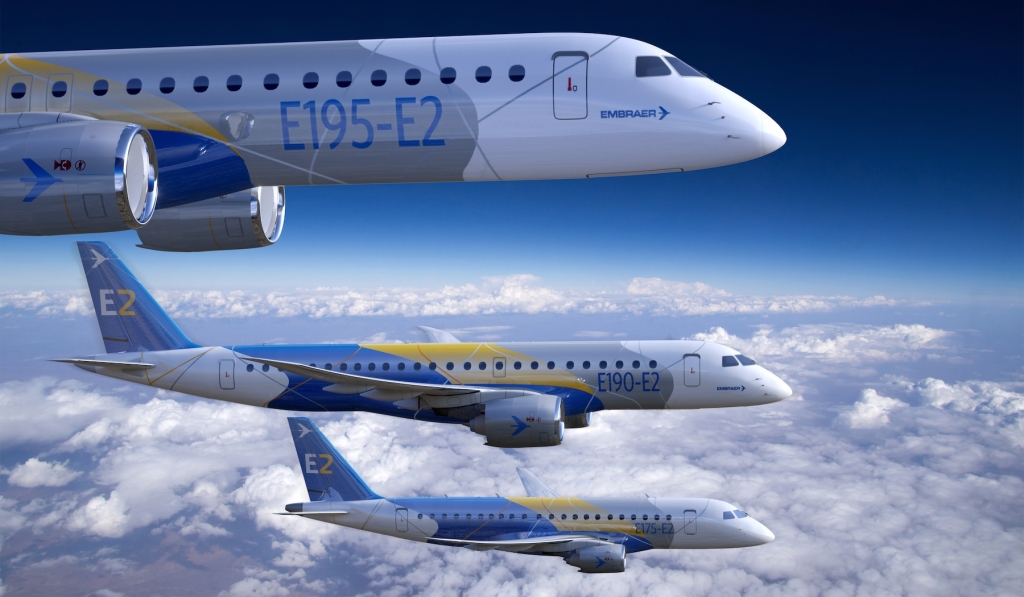
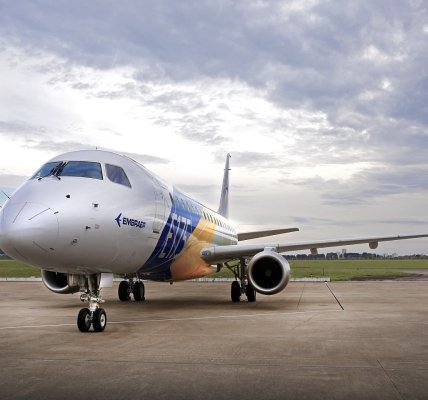
The aviation industry is charting a course through a world reshaped by economic shifts, geopolitical tensions, and environmental imperatives. Embraer’s 2025 Market Outlook, a comprehensive analysis of air transport trends, underscores the enduring changes triggered by the pandemic and the pivotal role of smaller aircraft in fostering connectivity and resilience. The report forecasts a steady rise in global passenger traffic and highlights the growing relevance of up-to-150-seat jets and turboprops, which are poised to drive network expansion and operational efficiency over the next two decades.
A Shifting Global Landscape
Five years after the pandemic, the aviation sector is adapting to a new reality. The transition from globalisation to a more polarised geopolitical order has intensified, with nations pursuing strategic autonomy. This shift is reshaping air travel demand, emphasising regional connectivity. The report notes that smaller aircraft, particularly those with up to 150 seats, are uniquely suited to serve thinner routes, connect underserved communities, and maintain cost discipline while aligning with environmental goals. These aircraft enable airlines to increase flight frequencies and expand networks, supporting national and regional development.The outlook projects global passenger traffic to grow at an average annual rate of 3.9% (CAGR) from 2025 to 2044, a slower pace than pre-pandemic levels due to economic deceleration, the push for net-zero emissions, and geopolitical uncertainties. By 2044, world revenue passenger kilometres (RPKs) are expected to reach 19 trillion, with Asia Pacific and China accounting for 39% of global traffic, followed by Europe and North America at 37%.

Embraer projects demand for 10,500 new up-to-150-seat aircraft by 2044, comprising 8,720 jets and 1,780 turboprops, valued at USD 680 billion. Of these, 52% will replace ageing fleets, while 48% will fuel market growth. The jet segment alone will see 8,720 deliveries, driven by the efficiency of new-generation small narrowbodies. These aircraft support mixed fleets, combining small and large narrowbodies to match capacity with demand, enhance scheduling flexibility, and reduce emissions.

Key Trends Shaping the Future
The report identifies three trends propelling the small narrowbody segment:
- Connectivity in a Multipolar World: In a multipolar landscape, airlines need agile fleets to build efficient networks. Small narrowbodies offer the flexibility to serve shorter routes and secondary markets, addressing the demand for domestic and regional travel spurred by strategic autonomy.
- Expanding Tourism in Smaller Markets: Global tourism is rebounding, with travellers seeking lesser-known destinations to avoid overtourism. Small narrowbodies enable low-cost carriers to access these markets, complementing larger fleets during off-peak periods and replacing low-load-factor flights.
- Optimising Capacity for Profit Profitability: Balancing supply and demand is critical for airlines. Small narrowbodies allow carriers to maintain competitive frequencies while optimising capacity, especially at major hubs. In North America and Europe, these aircraft are deployed during off-peak times and on low-demand routes, ensuring profitability.
Regional Insights: A Global Perspective
The outlook provides detailed forecasts by region, highlighting varied growth trajectories:
- Africa: With a low propensity to travel due to economic and infrastructure barriers, Africa holds untapped potential. The report predicts 4.4% annual RPK growth and demand for 380 up-to-150-seat jets by 2044. Small aircraft are ideal for the continent’s thin-demand markets, where 85% of intra-regional routes have fewer than 200 daily passengers.
- Asia Pacific: Emerging markets like SAARC and ASEAN are growing, but capacity is concentrated at top airports, leading to price wars. The region will see 4.1% RPK growth and 1,050 jet deliveries. Small narrowbodies can unlock low-density markets, where over 1,000 routes are served by a single airline.
- China: Leading with 5.7% RPK growth, China’s demand is surging in lower-tier cities. The report forecasts 1,500 jet deliveries, emphasising small narrowbodies’ role in regional connectivity. Tourism and infrastructure investments are driving growth, though international recovery lags.
- Europe & CIS: With 3.3% RPK growth, Europe will demand 1,990 jets. Small narrowbodies are vital for regional routes and constrained airports like Amsterdam Schiphol, optimising network connectivity.
- Latin America: Expected to grow at 4.7% annually, the region will require 480 jets. Small narrowbodies support connectivity in diverse markets.
- Middle East: With 4.4% RPK growth, the region will see 450 jet deliveries, leveraging small aircraft for regional expansion.
- North America: The most mature market, with 2.4% RPK growth, will demand 2,680 jets. Regional aircraft are critical, with 90% of U.S. cities relying on them.
India’s Aviation Potential in Asia Pacific
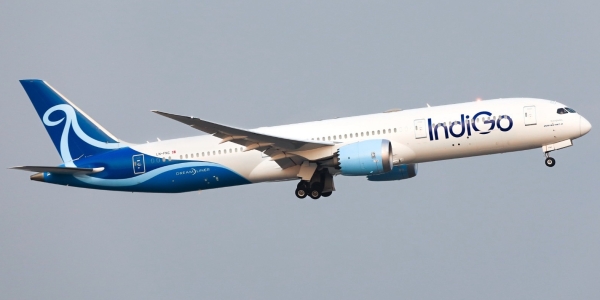
In the Asia Pacific section, the report highlights India’s robust economic expansion, with GDP projected to grow at 5.7% annually over the next 20 years, matching China’s air traffic growth rate. This economic surge is swelling the middle class, boosting consumer spending on travel. However, India’s aviation market faces challenges due to capacity concentration. Between 30% and 35% of flights in SAARC countries, including India, operate at the top five airports, compared to 15% in North America and Western Europe. This focus on major hubs limits network expansion and fuels price wars, with Asia Pacific airlines reporting a slim 1.3% profit margin in 2024.
The report identifies significant potential in India’s low-density markets, where over 1,000 routes are served by a single airline. Small narrowbodies can unlock these opportunities, offering cost-efficient service to secondary cities and reducing reliance on congested airports. By deploying up-to-150-seat aircraft, airlines can increase frequencies, improve load factors, and tap into emerging tourism trends, such as demand for lesser-known destinations. India’s aviation market, poised for growth, can leverage these aircraft to build a more expansive and profitable network.
Cargo Market: A Structural Shift
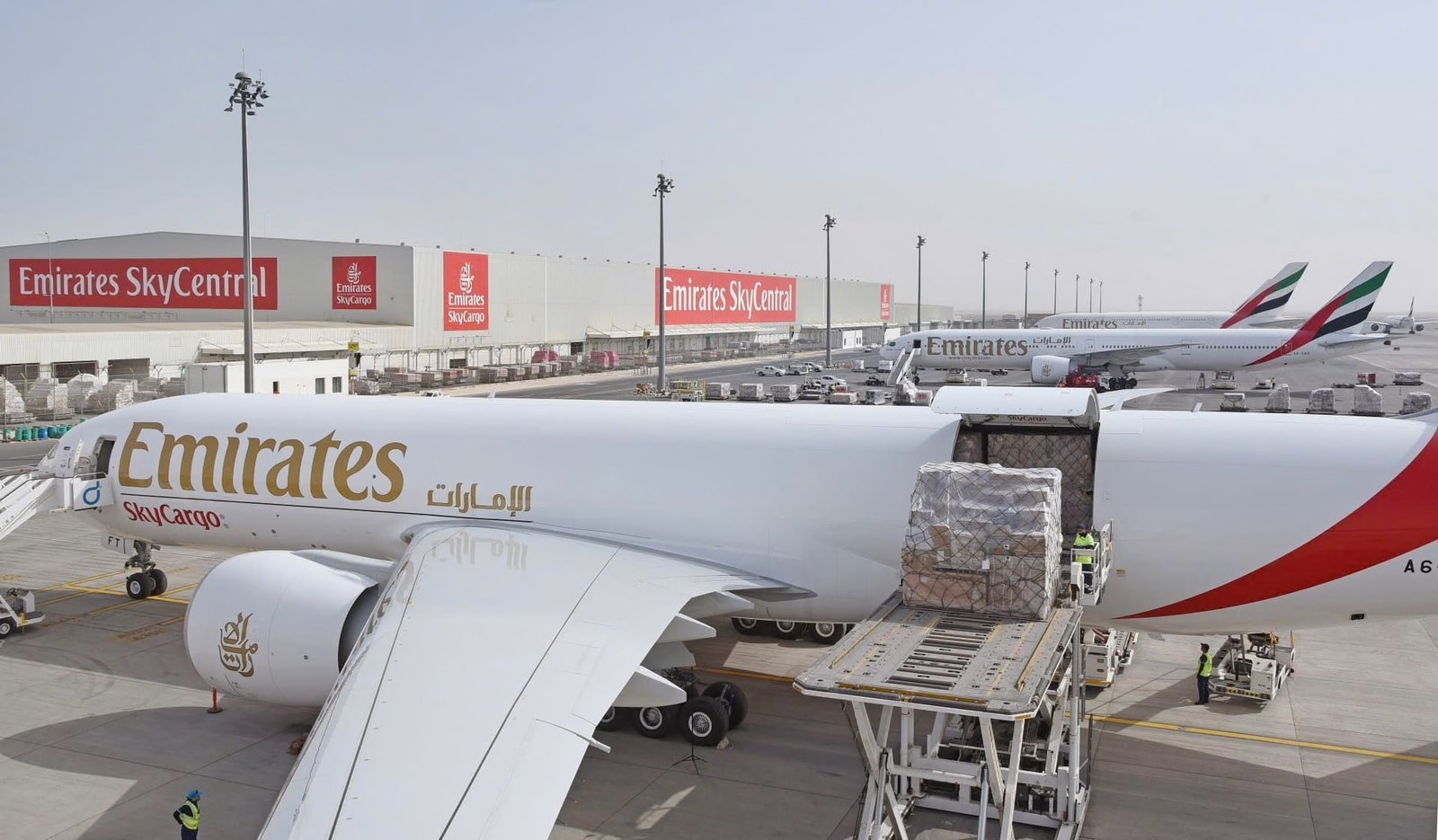
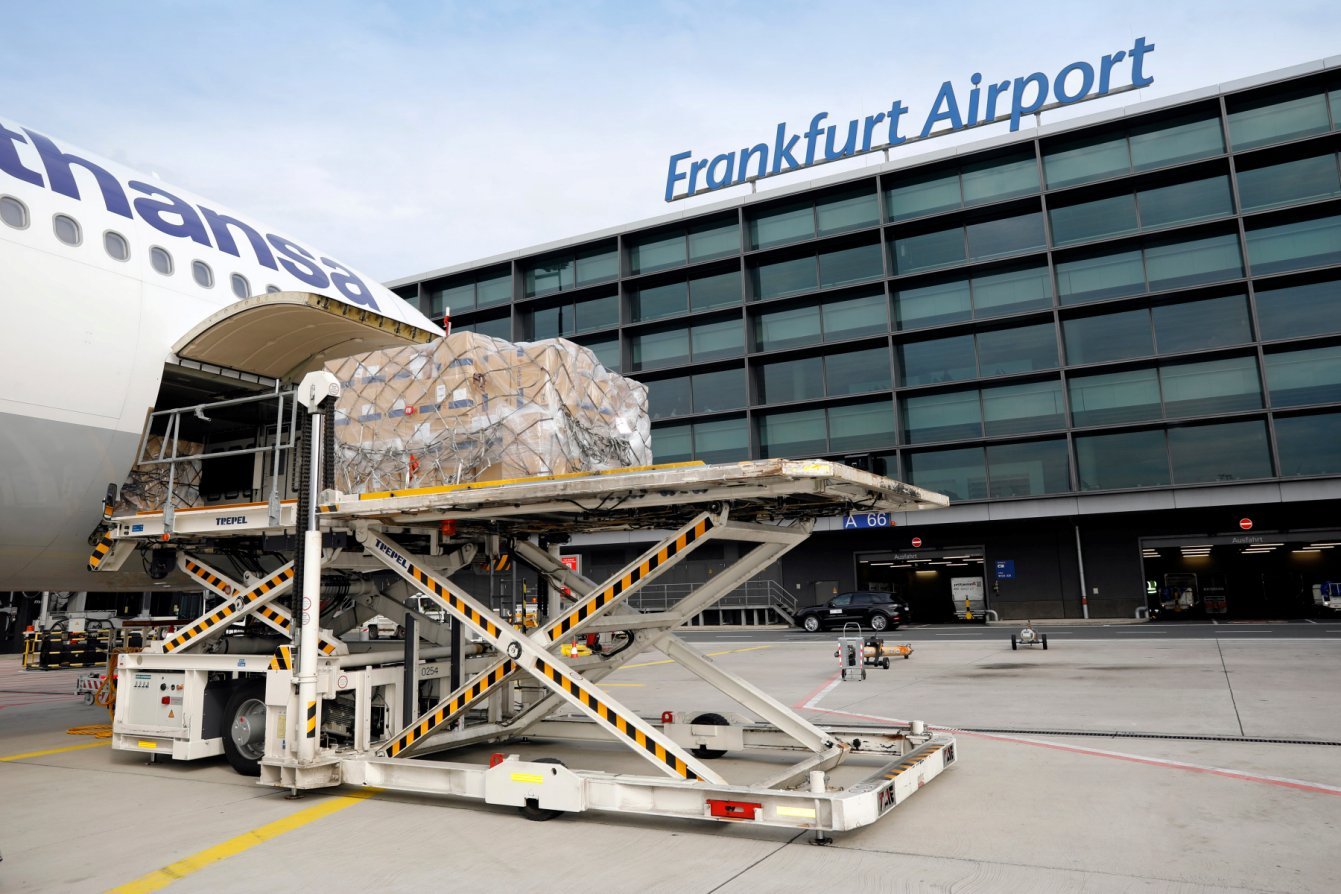
The cargo market is undergoing a transformation, driven by e-commerce and regional trade. Demand rose 11.3% in 2024, setting new records. E-commerce platforms like Shein and Temu rely on airfreight for fast, low-value shipments, making it a permanent driver of cargo growth. The report forecasts demand for 600 up-to-20-ton payload aircraft by 2044, as regionalisation and “friendshoring” reshape supply chains. Small narrowbody freighters are well-suited for regional hubs, offering efficiency and flexibility. The market has seen a wave of passenger-to-freighter (P2F) conversions, with over 500 aircraft, such as B737-800s and A321s, converted between 2021 and 2023. However, a cooling phase is underway, with surplus converted freighters parked as passenger demand returns, signalling a shift toward more balanced cargo operations.

Shaping Aviation’s Future
Embraer’s 2025 Market Outlook paints a dynamic picture of aviation’s future, where small narrowbodies are key to navigating economic, geopolitical, and environmental challenges. By fostering connectivity, supporting tourism, and ensuring profitability, these aircraft will shape a more resilient industry. For India, the path forward lies in leveraging these trends to unlock untapped markets, driving sustainable growth in one of the world’s fastest-growing economies.