














- Average Cruising Speed: Most passenger airplanes cruise between 800–900 km/h, balancing speed, fuel efficiency, and safety.
- Factors Affecting Speed: Design, altitude, weather, weight, and air traffic control all play key roles in determining how fast planes fly.
- Future of Air Travel: While current planes focus on efficiency, future supersonic aircraft may reduce travel time dramatically, aiming for speeds of 1,500–2,000 km/h.
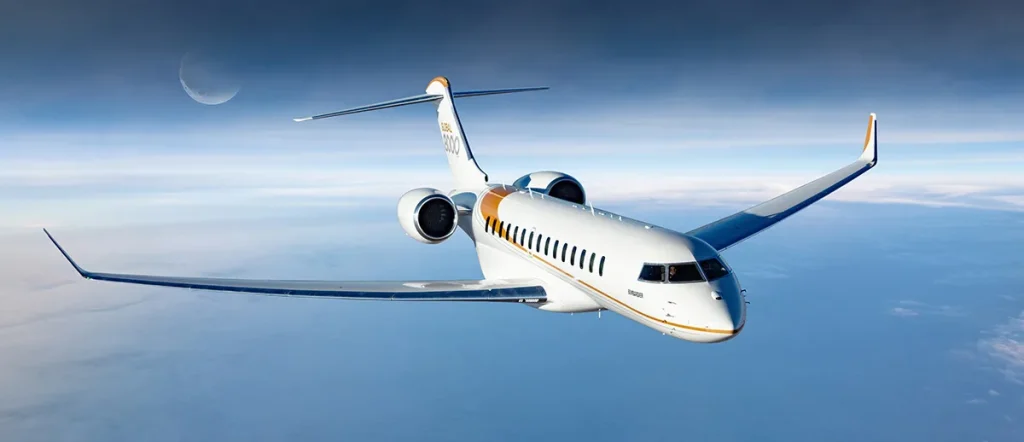
Passenger Airplane Speed
Air travel has become one of the most common and convenient ways to move around the world. Whether for business or leisure, millions of people rely on passenger airplanes every day. One of the most interesting aspects of flying is speed. How fast do passenger airplanes actually fly, and what affects their speed? In this article, we will explore the different speeds of passenger airplanes, the factors that influence their speed, and why these speeds are important.
Average Speed of Passenger Airplanes
Passenger airplanes generally fall into two categories: narrow-body aircraft and wide-body aircraft. Narrow-body planes, like the Airbus A320 or Boeing 737, are smaller and usually used for short to medium-haul flights. Wide-body planes, like the Boeing 777 or Airbus A350, are larger and designed for long-haul flights across continents.
Most modern commercial airplanes cruise at speeds between 800 km/h and 900 km/h (about 500–560 mph) at high altitudes. This is called the cruising speed, which is the speed planes maintain for most of the flight to optimize fuel efficiency and comfort.
For example:
- Boeing 737: Cruising speed around 828 km/h (514 mph)
- Airbus A320: Cruising speed around 828 km/h (514 mph)
- Boeing 777: Cruising speed around 892 km/h (555 mph)
- Airbus A350: Cruising speed around 900 km/h (560 mph)
These speeds allow airplanes to cover long distances in a relatively short time. For instance, a flight from New Delhi to London, which is about 6,700 kilometers, typically takes 8–9 hours.
Factors Affecting Passenger Airplane Speed
Several factors determine how fast a passenger airplane can fly:
- Aircraft Design: Modern airplanes are designed to balance speed with fuel efficiency. The shape of the wings, size of the engines, and overall aerodynamics affect how fast the plane can travel.
- Flight Altitude: Airplanes usually cruise at altitudes between 10,000 and 12,000 meters (33,000–39,000 feet). At these heights, the air is thinner, which reduces drag and allows planes to fly faster while using less fuel.
- Weather Conditions: Wind can significantly affect speed. Tailwinds can push the airplane forward, increasing its ground speed, while headwinds slow it down. Pilots plan flight routes considering these factors to reduce travel time.
- Weight and Load: The number of passengers, luggage, and cargo can influence speed. Heavier planes require more engine power to maintain high speeds, which can affect efficiency.
- Air Traffic Control: Sometimes, airplanes cannot fly at their maximum cruising speed due to air traffic or airport congestion. Pilots may have to reduce speed to maintain safe distances from other aircraft.
Maximum Speed vs Cruising Speed
It is important to distinguish between maximum speed and cruising speed. Maximum speed is the highest speed an airplane can safely reach under ideal conditions. For most commercial passenger airplanes, maximum speed ranges between 900 km/h and 1,050 km/h (560–650 mph).
However, airplanes rarely fly at maximum speed because it consumes more fuel and increases engine wear. Cruising speed is more efficient and safer for long flights, which is why airlines plan flight schedules around this speed.
Supersonic and Future Passenger Airplanes
In the past, the Concorde was a supersonic passenger airplane that could fly at over 2,100 km/h (1,300 mph), cutting transatlantic flight times in half. However, it was expensive to operate and had limited passenger capacity. Currently, no commercial supersonic passenger planes are in operation, but several companies are developing faster planes that may reach speeds of 1,500–2,000 km/h in the future.
These future airplanes aim to combine speed with fuel efficiency, potentially making international travel faster and more accessible.
Importance of Speed in Passenger Travel
Speed affects many aspects of air travel:
- Travel Time: Faster airplanes mean shorter flights, which is convenient for passengers.
- Fuel Efficiency: Optimal cruising speed ensures lower fuel consumption, reducing costs and environmental impact.
- Flight Scheduling: Airlines plan departure and arrival times based on average speeds to maintain punctuality.
- Safety: Maintaining proper speed is essential for safe takeoff, cruising, and landing.
Conclusion
Passenger airplanes typically cruise at speeds around 800–900 km/h, allowing people to travel long distances quickly and safely. The speed depends on aircraft type, design, altitude, weather, and operational factors. While supersonic travel remains limited, the future may bring faster and more efficient passenger airplanes. Understanding airplane speeds helps passengers appreciate the technology and planning behind every flight.
Flying is not just about reaching a destination; it is also about the science and engineering that allow airplanes to move safely and efficiently at hundreds of kilometers per hour through the skies.