









Passenger Rights on Paper, Weak in Practice: India’s Aviation Reality

- Indian passengers technically have a charter of rights comparable to global norms, but the IndiGo disruption showed how weak enforcement, complaint-driven compensation, and regulator-light oversight leave those rights largely ineffective in practice.
- Comparisons with Europe and the US underline that what truly protects passengers is not the existence of rules but automatic compensation, strong penalties, and political will to enforce them, factors largely missing in India’s domestic aviation framework.
- The crisis exposed a structural imbalance where airlines make commercial decisions shaped by weak domestic penalties, while passengers bear the cost, underscoring the need for automatic compensation, tougher enforcement, and systemic accountability as India’s aviation market scales rapidly.

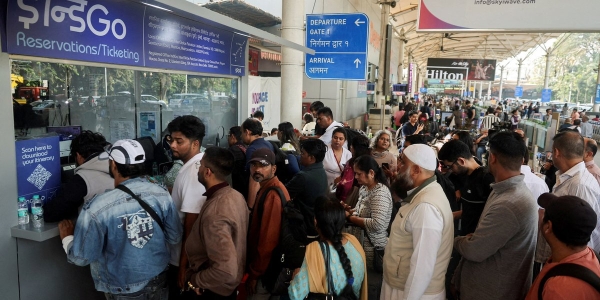
At airports across India in early December, the scenes were depressingly familiar. Long queues snaked around terminal helpdesks. Families sat on trolley bags through the night. Business travellers frantically refreshed airline apps that offered little more than vague apologies. Flights were cancelled in batches, rescheduled without warning, or delayed for hours, with passengers left guessing about food, accommodation, or refunds. For thousands of flyers caught in the IndiGo operational breakdown, the disruption was not just an inconvenience — it was a lesson in how fragile passenger rights remain in India.
The hapless IndiGo airline did the expected damage control apology for “weather and operational reasons” claiming that passengers had been served “refreshments”. The reaction was scathing – and that was the point – not that it was shocking, just that it was so familiar.
The experience of normalised suffering is the true tale of the IndiGo saga. This problem did more than reveal flaws in crew allocation. It reopened a deeper, more uncomfortable question for India’s fastest-growing aviation market: Why is it so hard for Indian passengers to actually receive the rights they are promised?
The rights are on paper but weak in practice. India does have a formal passenger protection framework. The Passenger Charter issued by the Directorate General of Civil Aviation mandates meals after delays of two hours, refunds or alternative flights after long delays, hotel accommodation for overnight disruptions, and compensation for denied boarding. On paper, this looks comparable to global standards.

In practice, enforcement is weak, fragmented, and airline-driven. Compensation is rarely automatic.
Passengers must complain, escalate, and often threaten legal action. Many simply give up.
During the December meltdown, despite thousands of cancellations, there were no immediate punitive actions against the airline comparable to what would have followed in Europe.
Internationally, the standard is the EC 261 regulation within the European Union. Regarding flights within the EU, as well as flights departing from the EU, landing in the EU on an EU-based airline, or operated by an EU airline, passenger rights are clearly defined.
Under EC 261, passengers are entitled to assistance (food, accommodation, communication), rerouting/reimbursement, and financial compensation between €250 and €600 if the flight has been delayed by more than three hours, unless there are extraordinary circumstances. Most importantly, this entitlement can be considered automatic. Airlines that do not comply will face fines, lawsuits, and loss of reputation.
Even the European model, though, is under stress. Airlines contend that higher costs of compensation might lead to higher prices and make some routes non-economical. Consumer bodies, on the other hand, suggest that plans for higher thresholds for flight delays would mean that the great majority of people have lost their right to all compensation altogether. The curious thing, though, is that the question of passenger rights is automatically non-negotiable, and the question of extent alone is subject to doubt.
The United States offers a different model. There is no EU-style automatic compensation regime. Instead, passenger protection relies on targeted rules enforced by the US Department of Transportation.
American passengers are not entitled to cash compensation for delays or cancellations. But the US enforces some of the world’s strictest tarmac delay rules: food and water after two hours, mandatory deplaning after three hours except for safety reasons.

In recent years, enforcement has hardened, with the DOT imposing multi-million-dollar fines for violations and refund failures.
Ironically, even as enforcement has tightened, recent policy signals from the Trump administration suggest potential rollbacks in refund and disclosure mandates. The lesson is clear: passenger rights are only as strong as the political will behind them.
One of the most revealing aspects of the IndiGo crisis was what didn’t happen. While nearly 4,300 domestic flights were cancelled between December 1 and 9, only around 60 international flights were scrapped — barely 2% of international operations.
The reason was not operational resilience. It was compensation economics. International cancellations attract far higher payouts, hotel obligations, and, in some jurisdictions, regulatory penalties. Under EU rules, cancellations can cost airlines up to €600 (around ₹64,000) per passenger. Domestic compensation, by contrast, ranged between ₹5,000 and ₹10,000.
As one senior airline executive dryly observed, keeping international flights flying amid domestic chaos was “quite a mystery”. It was not a mystery at all — it was a commercial calculation shaped by weak domestic passenger protection.
Why is it that India’s airlines push back?
The resistance to stronger passenger rights in India is structural. First, airline economics are brutal. High fuel taxes, airport charges, lease costs, and currency exposure leave carriers operating on razor-thin margins. Airlines argue — not without reason — that EU-style compensation could be passed on to passengers through higher fares.
Second, enforcement is regulator-light. The DGCA is primarily a safety regulator, not a consumer watchdog. Penalties for violating passenger charters are modest, delayed, or negotiable.
Third, there is a power asymmetry. Airlines assume — often correctly — that passengers lack awareness, time, or legal stamina to pursue claims. Evidence from the UK and EU shows airlines routinely reject valid claims at first response, betting passengers will not escalate. In India, that bet is even safer.

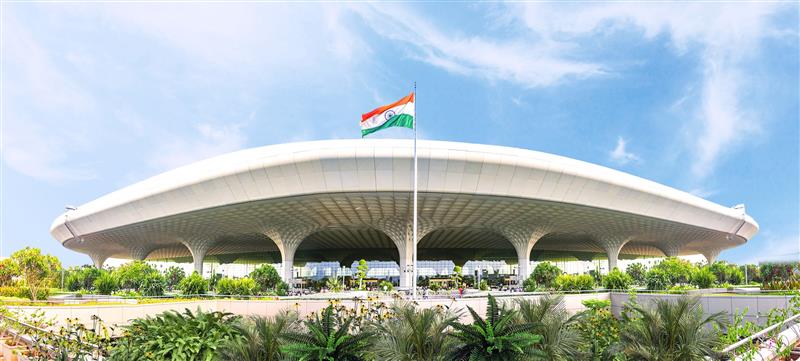
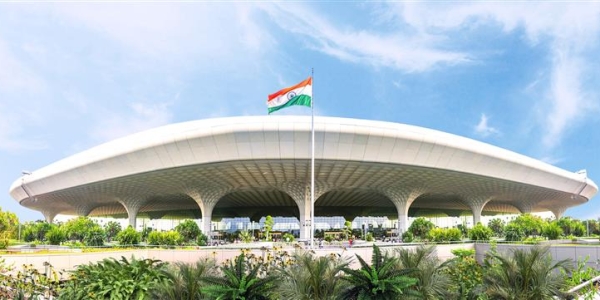
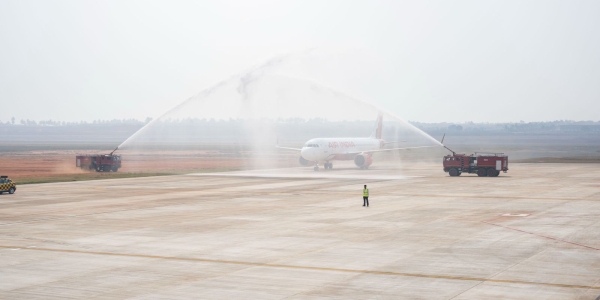
Photo: DIAL
Finally, judicial reluctance to treat mass disruptions as systemic failures leaves consumer courts as the default remedy — slow, inconsistent, and intimidating for ordinary travellers.
International bodies like the International Civil Aviation Organisation (ICAO) are pushing for harmonised principles covering transparency, care, refunds, and enforceability. The EU is even exploring allowing passengers to book alternative flights independently and claim reimbursement if airlines fail to act.
India risks falling behind this curve just as its passenger numbers explode. If India is serious about passenger rights in what will soon be the world’s third-largest aviation market, incremental tweaks will not suffice.
Compensation must become automatic, not complaint-driven. Penalties must be real and deterrent. The DGCA needs a dedicated passenger-rights enforcement wing. Courts must recognise mass disruptions as systemic failures. And transparency during disruptions must be mandatory, not advisory.
The IndiGo fiasco was not an aberration. It was a stress test. India’s aviation system passed in scale and growth, but failed in accountability. Passenger rights cannot remain a footnote in a market flying millions every week. Without teeth, rights are merely promises — and Indian flyers have heard those promises before.
Also read: When IndiGo Held India Hostage — and Governance Failed