














- India’s pharmaceutical sector, has achieved remarkable growth, but faces significant supply chain hurdles, including high logistics costs and limited cold chain facilities.
- Addressing these challenges is essential to sustain its global impact and future expansion.
The Indian pharmaceutical industry has been growing at a phenomenal pace and as of 2023 it was the third largest by volume and the 13th largest by value in the world pharma market. The turnover of the Indian pharmaceutical market was estimated to be $41 billion, with exports accounting for $25.3 billion in fiscal year 2022-23, as per a report by Pharmexcil. The projections are that the pharma sector will touch $130 billion by 2030.
Aptly the Prime Minister, Narendra Modi named the sector as the ‘pharmacy of the world’ which further got accentuated during the Covid-19 pandemic when India supplied vaccines, life-saving medicines and other much-needed medical supplies to scores of countries, and at the most affordable prices. Outside of the pandemic, the Indian pharma sector continues to be a critical component of the global supply chain having a share of 20 per cent in the export of generic drugs and a 60 per cent share in the supply of low-cost vaccines.
High Logistics and Warehousing Costs
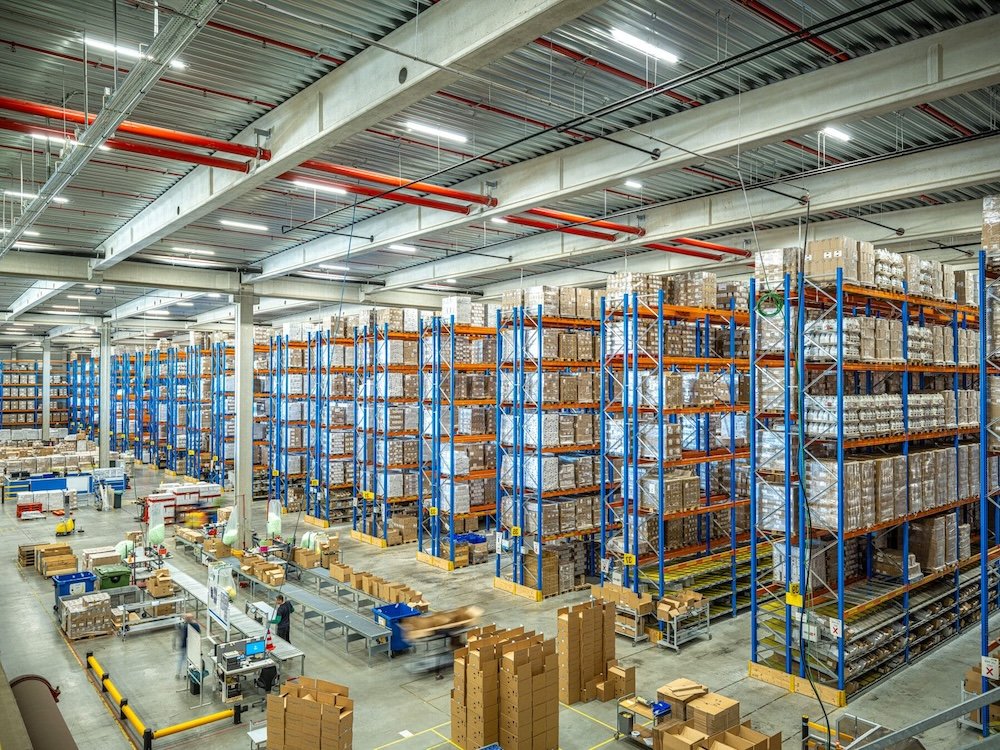
This growth story of the pharma sector is not without its set of challenges, and topping the list is the logistics of the pharma trade itself, particularly when it comes to exports. A report by GS1, a global supply chain standards organisation, notes that the Indian pharma companies have an inventory of 98 days, while best-in-class pharma companies have 64 days, requiring the need to improve efficiencies. Compounding to that is the logistics and warehousing costs which is 15 per cent higher in India compared to other countries.
In the recent past, the World Health Organization (WHO) has raised concerns over the quality of the pharma products that are being exported out of India. At the 2024 Air Cargo India event in Mumbai, the Secretary General of Pharma.Aero, Frank Van Gelder had said that the Indian pharma and supply chain had to be adaptable and responsive. The necessity to develop infrastructure to support healthcare delivery in remote and underserved areas, leveraging digital health technologies, and creating supply chain networks that can efficiently manage the distribution of medical products across different regions is what India has to respond in double quick time.

Improved LPI
The heartwarming part is that India has bettered itself on the World Bank’s Logistic Performance Index (LPI) 2023, ranked 38th (54 in 2014) in the 139 countries index, thanks to the government initiatives of PM Gati Shakti, a National Master Plan for multi-modal connectivity.
However, the challenges continue and the pharma sector, critical that is, has to cope with it. The President of Association of Healthcare Providers India (AHPI), Dr. Alexander Thomas states that the current challenges of the pharmaceutical and medical devices are wastage, lack of timely availability of medicines and other devices, and cold storage systems along the entire supply chain. “The need for efficient cold chain systems at airports is urgent considering that about 20 per cent of time-sensitive healthcare products arrive damaged or degraded because of inefficient or lack of cold chain in the entire supply chain. While the pharma sector has grown leaps and bounds, the cold chain infrastructure has not kept pace.”
A GS1 and AHPI study has indicated that over 50 per cent of pharma and medical devices manufacturers lose 1 per cent of their sales due to expiry and pilferage, the former unavoidable. It is estimated that over 80 per cent of the Pharmaceutical and Medical Devices Manufacturers do not have product visibility till point of care, hence calling for a robust track-and-trace systems and adopting technologies like blockchain.
Traceability is Key
The healthcare sector is seeking traceability of medicines, implants and all other medical devices and that is largely missing. With digitalisation of not just the healthcare delivery systems, but also the logistics sector, it is believed that the healthcare outcomes would be much better. Dr. Alexander mentions that the need of the hour is end-to-end supply chain visibility through digitalisation and use of global standards, leading to interoperability. Traceability in the entire supply chain is increasingly becoming a non-negotiable part of the pharma sector. This is becoming the differentiator in the global marketplace and India has to pull up its socks and the primary concern is that of having limited cold chain facilities, though India may boast of having the world’s largest airport-based temperature-controlled facility – the Export Cold Zone – at the Chhatrapati Shivaji Maharaj International Airport in Mumbai, catering to the needs of perishable and the pharma sectors.
First, not all airports have dedicated pharma cargo zones. In fact, it was as late as 2011 that India got its first ‘Pharma Zone’ in an airport complex when Hyderabad Menzies Air Cargo Pvt. Ltd. (HMACPL) started operations.
Enivrotainer setting standards
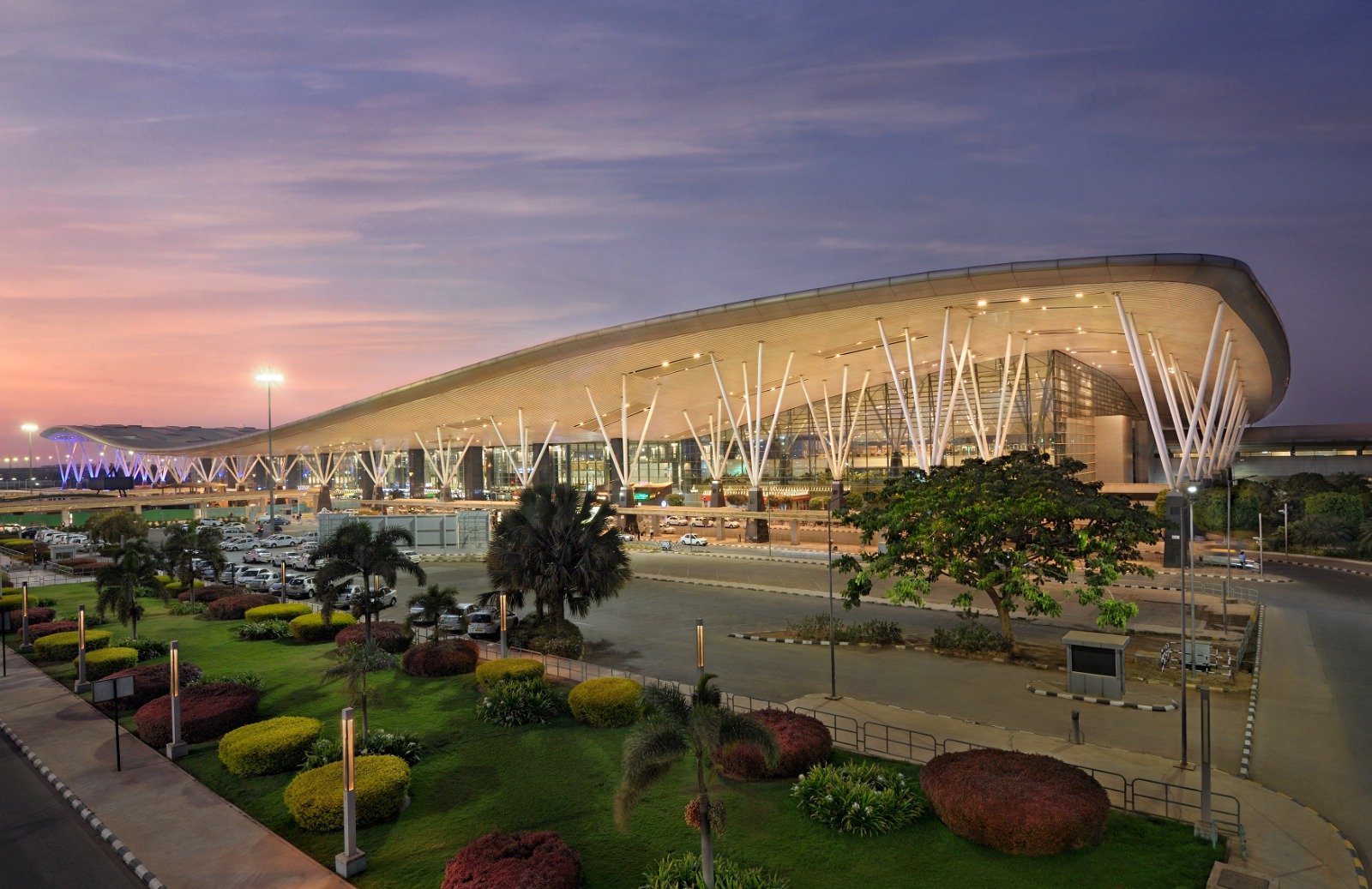
In fact, the pandemic accelerated the establishment or expansion of cold chain facilities at several airports. For instance, the Kempegowda International Airport in Bengaluru introduced a new cold-chain solution for air cargo – Envirotainer, the specialist in temperature-sensitive pharmaceutical shipments. Bengaluru airport became the fourth airport in India to introduce Envirotainer, enabling pharma companies and their logistics partners to move temperature-sensitive cargo across the world by maintaining the quality of products throughout the journey. Backed by two dedicated cold zones, operated by Air India SATS Airport Services (AISATS) and Menzies Aviation Bobba Bangalore (MABB), the new cold-chain solution has boosted the movement of pharmaceutical products from major manufacturing clusters such as Hyderabad, Goa, and other locations in southern India.
In September this year, Envirotainer embarked on the next phase of its journey to set a new standard for the future of pharmaceutical cold chain logistics with the completion of its strategic integration with va-Q-tec. This is to strengthen its portfolio with the addition of advanced passive cooling technologies to help lead this transformation. With Envirotainer’s extended range of solutions, pharmaceutical companies can now transport products at any temperature, size and at any stage of the product lifecycle, whether for clinical trials, active pharmaceutical ingredients (APIs), or finished medicines. This comprehensive capability spans the entire range of pharmaceuticals, from precision medicines and advanced cell and gene therapies, to commercial distribution of vaccines and chronic diseases treatments.
Envirotainer’s expanded capabilities now enable pharmaceutical companies to transport their products to even the most challenging regions. Supported by an expanded global network, the company’s solutions are designed to keep medicines safe under the most extreme conditions, offering peace of mind to those responsible for their distribution.
Digital services
This new chapter in cold chain logistics also brings advanced digital services and enhanced customer support to a broader range of pharmaceutical companies. These services include real-time monitoring, predictive analytics and 24/7 customer assistance, helping pharmaceutical companies maintain strict temperature control and compliance throughout the shipping process. This level of precision and support helps to minimise the risk of temperature deviations, a critical factor in the successful distribution of sensitive medicines. As such Envirotainer, safeguards every day 2 million doses of essential medicines, ensuring the efficacy of these critical treatments is preserved throughout their journey.
Acknowledging these developments, Dr. Alexander Thomas reiterates that finished pharma products and active pharmaceutical ingredients (APIs) require cold chain systems to ensure their efficacy at the patient level. Some of the medicines need to be shipped in temperatures of -20 C according to the Temperature Control Regulations (TCR) storage conditions. “The challenges are quite a few as the existing logistics infrastructure from the pharmaceutical unit to the end-user may not be the same throughout and any variations in temperatures in the supply chain could affect the APIs. As Indian pharma exports are high, the air cargo sector has to ensure that the cold chain is in place, not just at the airport but among all stakeholders.” Solutions such as Envirotainer are urgently needed.
There are learnings from the region that need to be taken. Etihad Cargo’s Manager of Global Cool Chain Products, Fabrice Panza mentions how “PharmaLife prioritises ground handling and loading; ensures 60 minutes between the aircraft and the cooling facility, subject to local service level agreements; Temperature-controlled storage and cargo hold temperature devices in the aircraft; Dedicated pharmaceuticals customer service team working 24/7; Pre-cooled thermo blanket protection to and from the aircraft; Trained and experienced ground handling; and 22 Qualified Envirotainer Provider (QEP) stations and Global Master
Lease Agreement with Envirotainer, CSafe Global, Dokasch, Va-Q-Tec and Skycell.” Collaboration is the key among stakeholders.
The Indian cold chain industry is evolving and there are several players betting big on supply chain infrastructure due to a varietal of reasons including low operating costs and linkages to key international markets. The Supply Chain Management (SCM) market in India is estimated at USD 3.4 billion in 2023, driven by encouraging economic growth, strategic location, and the improving business-friendly environment. The market is projected to expand at a compound annual growth rate (CAGR) of 11.1%, reaching USD 6.4 billion by 2030.
In the pharma trade, there are three main stakeholders – the pharma company, the freight forwarding community (here we include the agents, the warehouse, the transporter including the airport and airline) and the end-user and this end-to-end supply chain cannot be bypassed or compromised one bit.