
















India’s air cargo industry is gearing up for a major transformation, aiming to nearly triple its capacity by 2030. Current infrastructure handles about 6.5 million tonnes, but meeting future goals will require significant investments to expand capacity, streamline operations, and adopt cutting-edge technologies. Industry leaders at a recent ACFI Annual Conclave emphasised the need for strong government support to overcome challenges, urging policymakers to address operational constraints and improve connectivity.
India’s air cargo industry is setting its sights on the stratosphere, aiming to almost triple its capacity by 2030. With an ambitious target of 10 million metric tonnes, a significant leap from the 3.5 million tonnes handled in 2018, the Indian aviation overcome industry faces the challenge of overcoming various hurdles to reach these lofty heights.
With such goals set, no wonder the annual conclave of Air Cargo Forum India (ACFI) in July attracted unprecedented participation. India’s air cargo industry is ready for transformative changes and with this realisation, the key focus areas at the ACFI’S event were technological advancements, policy reforms, and innovative logistics solutions. The ACFI Annual Conclave 2024 energised the air cargo community by bringing together all relevant stakeholders, including airports, GSAs, carrier partners, shippers, regulators, policymakers, and government authorities. The event aimed to collaboratively shape a vision encompassing shippers, buyers, and other stakeholders in the supply chain ecosystem. The conclave united the entire Governing Board of ACFI, past presidents of the forum, and a diverse array of stakeholders in the air cargo logistics and supply chain trade. This included senior government officials, airlines, airport operators, cargo terminal operators, freight forwarders, sales agents, other trade associations, and express industry professionals.
As the global air cargo market is expected to grow significantly between 2024 and 2031, India is seizing this opportunity to not only develop but also become one of the top five freight markets by 2025. According to a recent forecast by Research and Markets, India’s air freight market is estimated at $13.08 billion in 2023 and is projected to reach $17.22 billion by 2028, growing at a CAGR of 5.65 per cent.
Fiscal year 2023 saw a notable surge in domestic cargo transportation, with scheduled airlines hauling nearly 698 thousand metric tonnes. This growth encompasses both cargo tucked away in the bellies of passenger planes and goods carried by dedicated freight leaders. The air cargo industry in India has experienced resurgence post-pandemic, focussing on boosting air freight capacity and reducing turnaround times. Driven by high demand in sectors such as e-commerce, pharmaceuticals, manufacturing, electronics, and agriculture, the industry is placing a strong emphasis on technology and innovation.
The year 2024 certainly marks the beginning of a new era for airlines, forwarders, and shippers. From a shipper’s perspective, the primary focus is on their core business of manufacturing and managing supply chain issues, with minimal concern for shipping logistics. This presents an opportunity for the air cargo industry to innovate by offering last-mile connectivity—a concept relatively new to air cargo due to the nature of the business. Strategic partnerships in this area could be a game changer for the industry.
Major airports in Mumbai, Delhi, and Bengaluru have enhanced their cargo handling capabilities, signalling a positive shift for the logistics sector. Airlines, forwarders, and shippers welcome this stability in the market, as it enables more accurate predictions of transportation costs for their products.
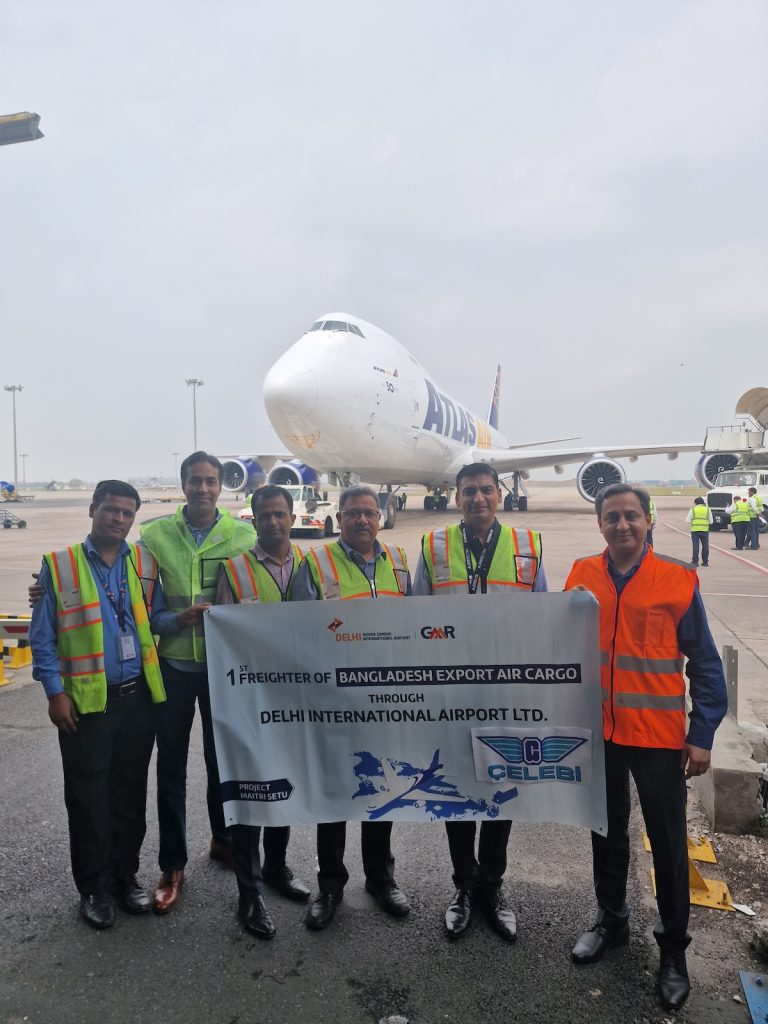
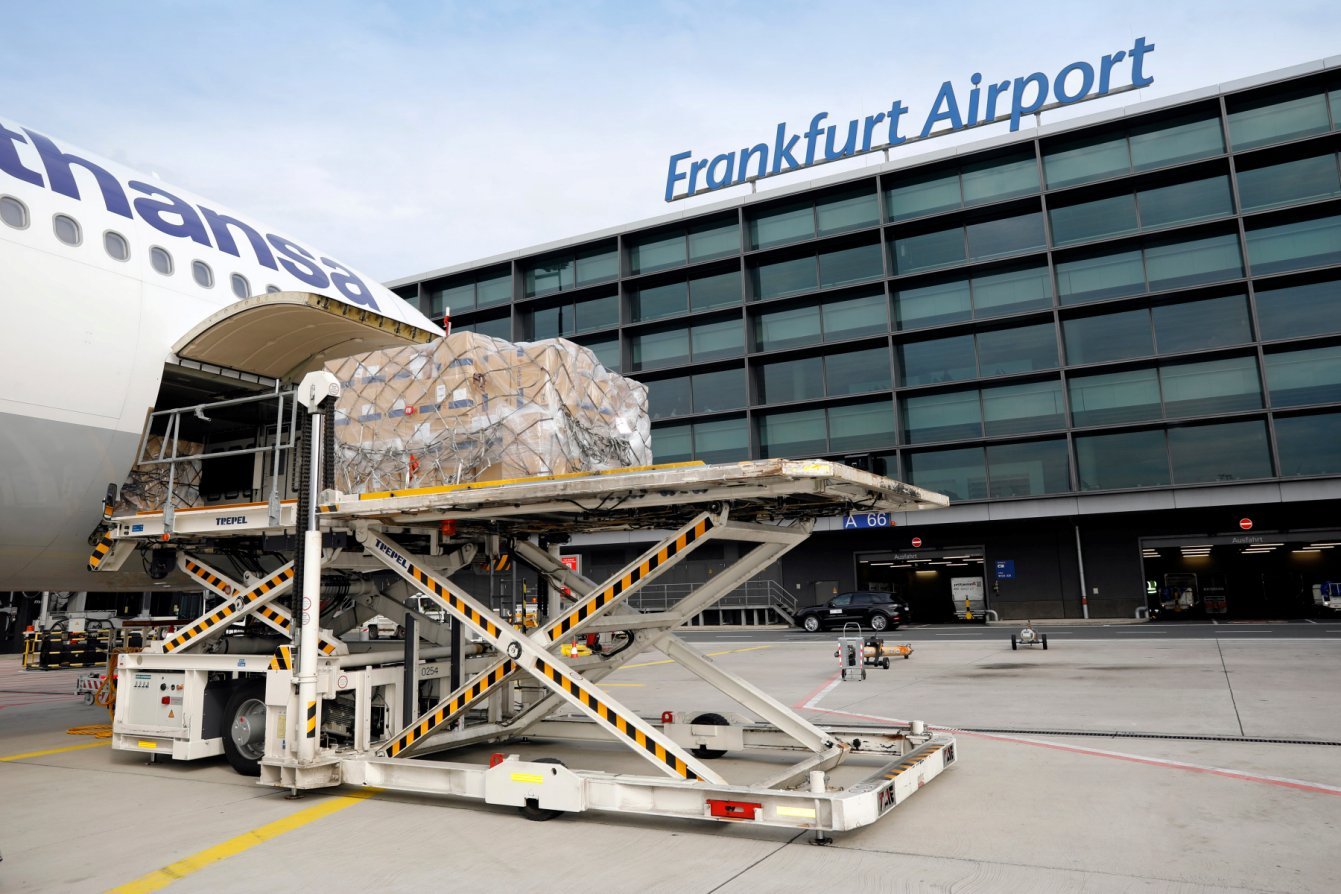
However, there’s a gap to bridge. India’s current airport infrastructure boasts a collective air cargo handling capacity of roughly 6.5 million tonnes. To meet the ambitious 2030 target, significant investments are required to expand capacity, streamline operations, and implement cutting-edge technologies.
Therefore, the discussions at the forum covered a wide range of focus areas, emphasising the need to maximise existing infrastructure before advocating for policy changes with the relevant authorities. Accelerating technology adoption across the sector is crucial. In the present competitive environment, enhancing customer experience with regular shipment updates should be a priority.
“The conclave’s thought-provoking discussions and innovative insights have set a new benchmark for industry collaboration and strategic foresight, making it an indispensable event for leaders shaping the future of air cargo in India and beyond,” remarked Satish Lakkaraju, Chairman of ACFI’s Event Management Task Pillar and Governing Board Member.
To thrive, air cargo operators must prioritise cost management, route optimisation, and exceptional customer service. Embracing technology is paramount. Artificial intelligence, the Internet of Things, blockchain, and machine learning hold the key to streamlining operations, improving efficiency, and reducing environmental impact. By harnessing these tools, India can elevate its air cargo industry to global standards.
The air cargo industry in India needs to broaden its scope to reduce dependency on specific sectors and achieve growth that aligns with the country’s potential. IAG Cargo, for instance, is receptive to partnerships with Indian carriers and logistics providers, as opportunities arise. This European entity, which encompasses the cargo operations of five airlines, derives approximately almost 15 per cent of its global export revenues from India.
On the ground, within the steel confines of shipping containers, the Internet of Things (IoT) is orchestrating a symphony of data. Smart cargo containers, equipped with sensors and real-time monitoring capabilities, offer unprecedented insight into the conditions and locations of goods during transit. According to the Insight Partners, the global smart container market is projected to reach $11.7 million by 2027, marking a transformative leap in cargo safety, risk reduction, and enhanced overall supply chain visibility.
The focus on temperature-controlled supply chains during the Coronavirus outbreak, alongside the steady growth of the biotech industry since the 2000s, has spurred innovations in cold chain and temperature-controlled technology. Key sectors such as pharmaceuticals, active pharmaceutical ingredients (APIs), life sciences, mRNA vaccines, drugs, and more recently, cell and gene therapy, have all contributed to this surge in innovation.
IoT devices that offer visibility of temperature excursions, real-time alerts, estimated time of arrival (ETA), storage, and transit conditions of medicines and drugs have become crucial. Innovations include active and passive containers for transporting pharmaceutical products, shipment visibility systems for active containers, and temperature-controlled container solutions with 24/7 real-time shipment visibility. Additionally, sensors capable of tracking the location and condition of shipments have gained momentum both pre- and post-pandemic.
As we look beyond traditional air transportation trends, hyperloop technology emerges as a beacon of innovation in cargo logistics. According to a study by Virgin Hyperloop, hyperloop systems could reduce cargo transport costs by 20% and offer transit times up to four times faster than traditional methods. This visionary innovation has the potential to revolutionise long-distance cargo transport, ushering in an era of dramatically reduced delivery times and costs.
The integration of 3D printing introduces a transformative approach to manufacturing and logistics within the air cargo industry. By producing spare parts on-demand, air cargo providers can reduce inventory costs and quickly respond to maintenance needs. This innovation minimises downtime, enhances sustainability, and significantly improves the overall efficiency of air cargo operations.
A report by PwC indicates that the global air cargo industry will face heightened regulatory scrutiny, particularly concerning safety and environmental standards. Striking a delicate balance between innovation and compliance is crucial for the seamless integration of new technologies and the sustained safety of air cargo operations.
The leadership at the conclave was unanimous that the industry requires strong government support to overcome whatever challenges are there. Policymakers must recognise the daily operational constraints faced by the air cargo industry. Infrastructure is crucial, and it is imperative to develop it where opportunities exist. This includes creating dedicated air freight corridors, enhancing cargo infrastructure in tier 2 and 3 cities, and revising transshipment policies, as cost recovery has become a significant deterrent. Experts explain that India’s air cargo transshipment rate remains below 10 per cent, highlighting a significant area of untapped potential, especially in the context of India’s growing economy. To address this challenge and enhance overall connectivity, it is crucial to streamline various transport modes and improve last-mile connectivity. The focus must shift towards multimodal solutions to ensure the industry’s growth and efficiency.
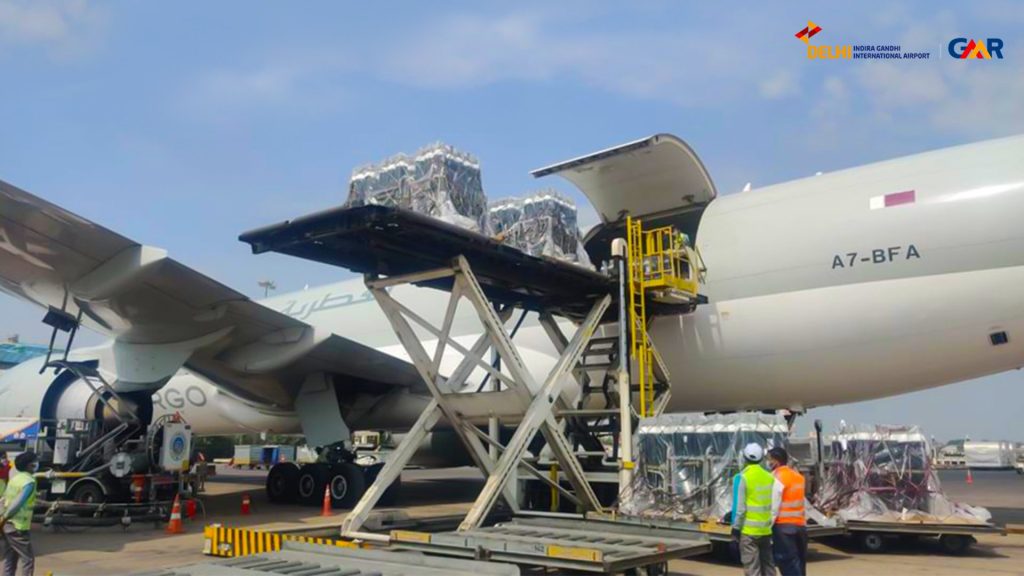
It may be mentioned that major Indian airlines and airports are advocating for changes in the transshipment policy to enhance their operations and establish India as a leading air cargo hub in the region. This shift is crucial for a country like India, which handles substantial cargo volumes. Leveraging transshipment of air cargo through Indian airports presents a significant opportunity, as the country’s strategic location connects the burgeoning markets of Asia, Africa, Europe, and the Middle East. Delhi Airport is pioneering this effort by developing a dedicated facility to handle transshipment cargo from Bangladesh to other destinations.
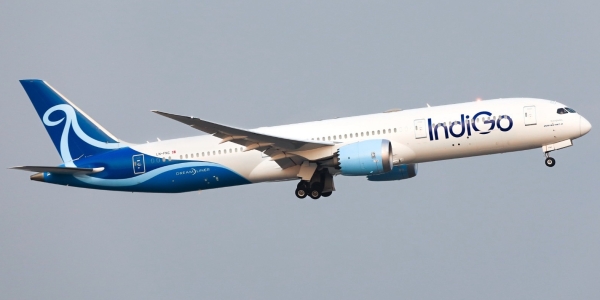
Dubai’s role as a transshipment hub highlights the immense pressure on air cargo operations. Serving as a critical nexus between Asia, Europe, and Africa, Dubai experiences the cascading effects of disruptions in the Red Sea, affecting global supply chains dependent on its operations. The 62 per cent surge in air cargo volumes from Vietnam to Europe, exceeding the peak levels of 2023, underscores the urgency of addressing these challenges. India exports large volumes of perishables to Dubai, primarily via domestic airlines such as Air India and IndiGo, illustrating the vital link between these regions.
In recent times, India has seen the rise of several new freighter airlines, including Pradhaan Air Express, IndiGo CarGo (the cargo arm of IndiGo), SpiceXpress (the independent cargo arm of SpiceJet), and QuikJet. The emergence of these new freighter airlines signals a positive trajectory for the air cargo sector in India, marking a dynamic and promising development. However, competition in this market is intense, with established players already holding a significant share. For new entrants to succeed, they must differentiate themselves and offer unique services.
This will help them seize opportunities currently being lost to more focused and organised competitors from the Middle East. Further, India still lags in long-distance cargo shipments to the US and Europe, where foreign carriers have established a strong presence. To break this trend, India’s air cargo stakeholders, along with new players and recent orders, need to venture boldly into the international market in the coming years.
The demand for efficient and reliable cargo services is increasing, and these new entrants have the potential to meet this need. However, their success will depend on their ability to navigate operational challenges, leverage modern technologies, comply with regulations, and adapt to market dynamics. It will be fascinating to see how this market evolves over time and how new airlines carve out their space in this competitive landscape.
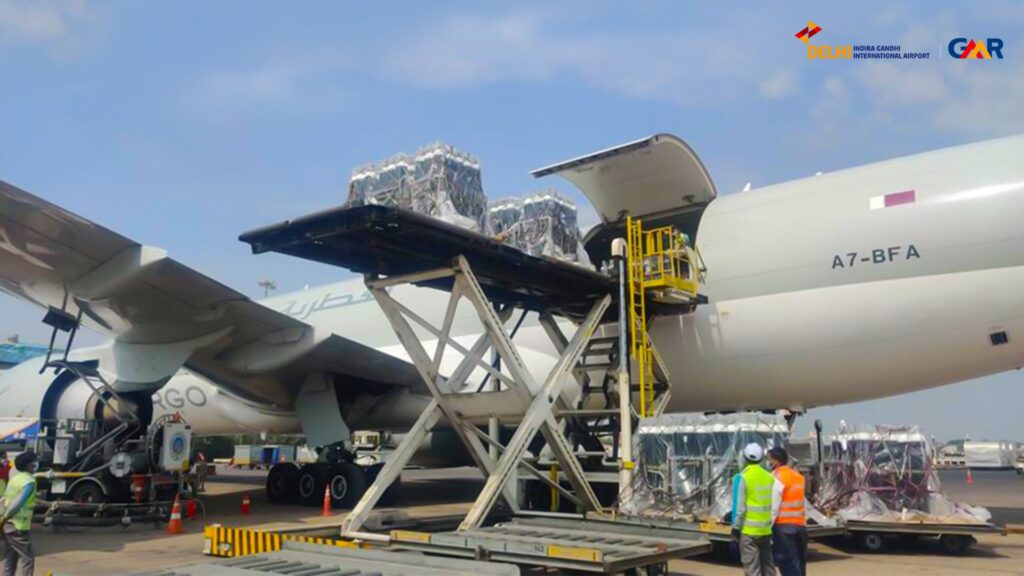
Further, industry watchers have observed that to accommodate the anticipated increase in cargo volume, the Indian government is actively expanding airport infrastructure. India’s airports are undergoing a major transformation to keep pace with the burgeoning air cargo industry. Key hubs like Delhi, Mumbai, and Bengaluru are grappling with capacity constraints in terms of cargo handling infrastructure and runway space. To address this, airports across the country are investing heavily in expansion projects. These initiatives include the construction of dedicated cargo terminals, upgrading existing facilities, and improving runway capacity. Leveraging technology through automation, digitalisation, and real-time cargo tracking is crucial for optimising operations and enhancing visibility throughout the supply chain.
Projects like the Noida International Airport and the Navi Mumbai International Airport are poised to revolutionize cargo handling capabilities. Additionally, new regional airports in Sindhudurg and Kushinagar are being developed to address specific needs, thereby enhancing India’s air cargo capacity and efficiency.
Yashpal Sharma – President ACFI said, “A developed India requires significant advancement from our current state of growth. However, it is important to remember that this growth must be unanimous, driven by elevating skill sets, job opportunities, infrastructure, and regulatory frameworks. The Indian aviation sector is poised to witness a 3X growth, leveraging the robust supply chain we have established. To fully capitalise on this opportunity, we must continuously innovate in our businesses and upskill our workforce. I truly believe that Air Cargo has the right potential and scope for empowering businesses worldwide. I am certain that this holistic approach will not only strengthens the industry’s current capabilities but also lay a strong foundation for future growth and success.”
Further, during the conclave, two significant books were launched that are crucial to the growth of the Air Cargo Industry: “Wings of Trade,” which encapsulates the journey, growth, and future roadmap of Air Cargo, and the “ACFI Training Manual,” which focuses on skilling efforts within the sector.
The ACFI Annual Conclave concluded with an exclusive gala dinner event for the ACFI Innovation Awards night, where industry leaders and innovators gathered to honour and celebrate the most groundbreaking ideas in the air cargo sector. This year saw remarkable 46 nominations across five award categories. The winners were:
- Innovatopia Award for Enhanced Customer Experience: Etihad Cargo
- Innovatopia Award in Competitiveness: FedEx Express Transportation and Supply Chain Services (India) Pvt Ltd
- Innovatopia Award in Air Cargo Safety & Security: GMR Hyderabad Air Cargo
- Innovatopia Award in Digitisation: Kale Logistics Solutions Private Limited
- Innovatopia Award for Sustainability & Go Green Efforts: BLUJ Aerospace Private Limited