















Twenty years of engineering investment, a supply chain running through Indian manufacturers, a training infrastructure feeding the workforce Indian aviation needs, and a next-generation engine built specifically for the operating conditions that define flying across the subcontinent— Pratt & Whitney has been extending its India commitment through every phase of the market’s evolution, not just the current one. The GTF Advantage is the latest expression of that commitment, and the supply chain, MRO, and digital capabilities being assembled around it point to where the company intends to take this relationship. Ashish Saraf, Vice President & Country Head, Pratt & Whitney India, lays out the GTF programme’s next chapter, the expanding industrial footprint here, and what its propulsion technology roadmap means for Indian operators.
India’s aviation market is expected to double in the next decade. How central is India to Pratt & Whitney’s global growth strategy?
India is a core pillar of Pratt & Whitney’s global growth. As the world’s third-largest domestic aviation market with an order book of more than 1,700 commercial aircraft, it will remain one of the most dynamic regions for narrow-body and regional aviation in the coming decades. We already power a significant share of India’s commercial, regional, and military fleets from GTF-powered A320neo family aircraft to the engines on key Indian Air Force platforms.
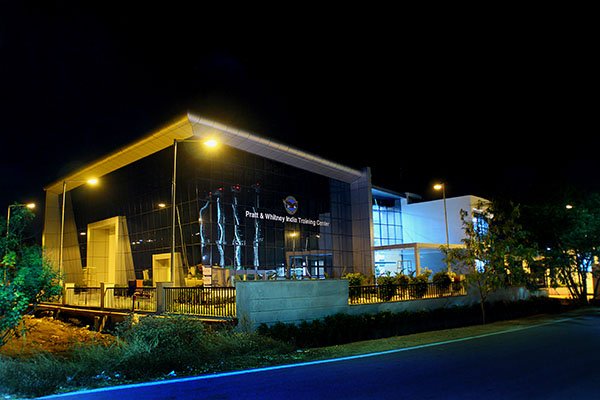
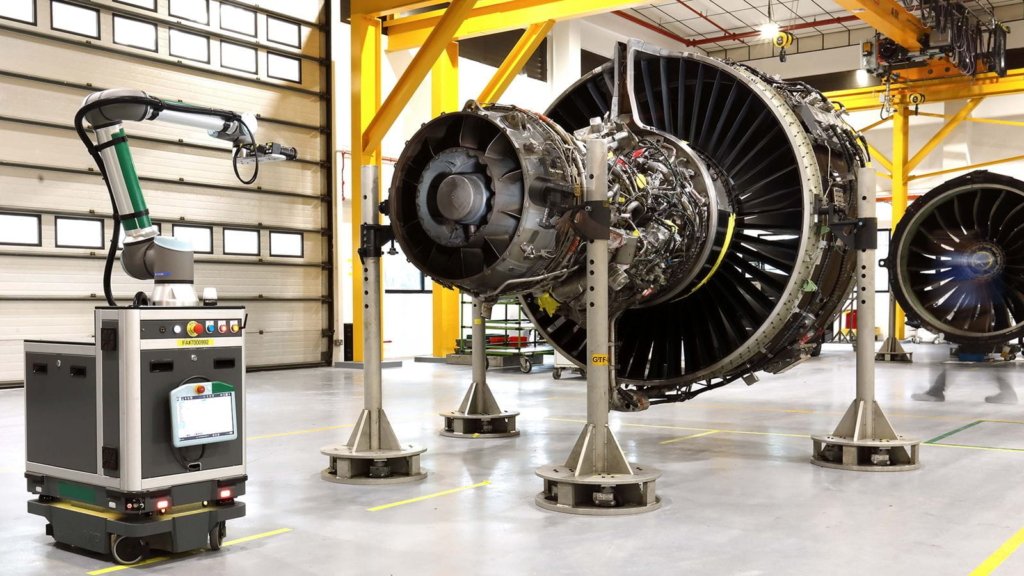
Our investments on the ground reflect this importance. Over the past two decades, we have built a comprehensive footprint that includes our Customer Training Center in Hyderabad and our recent $40 million investment in the India Engineering Center (IEC) and India Capability Center (ICC) in Bengaluru. These are complemented by our India Digital Capability Center and an R&D Center at the Indian Institute of Science.
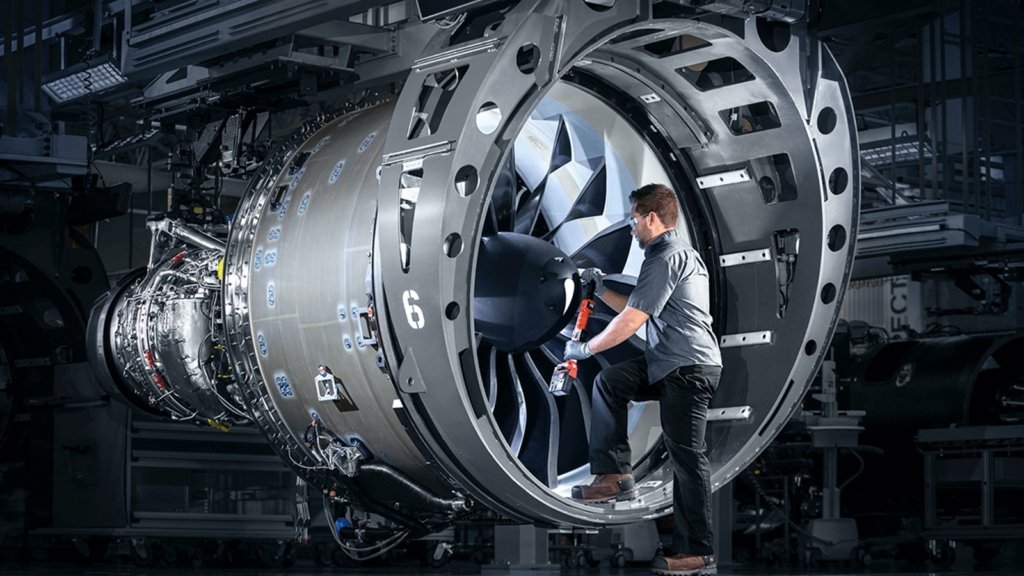
India is also an increasingly vital hub for our global supply chain. We have sourced over $500 million in engineering services over the past twenty years and are aggressively expanding our local sourcing to reach $150 million annually by 2030. By using our Indian capabilities to help develop the next generation of technologies, we aren’t just selling engines in India; we are integrating India into the very fabric of our global engineering and manufacturing ecosystem.
Are there plans to further expand your footprint and investments here?
Our expansion in India is an ongoing journey of deepening our partnership with the local aerospace ecosystem. Beyond our flagship centres in Bengaluru and Hyderabad, a major area of future growth is our supplier network. We are currently working with leading Indian suppliers such as Indo-MIM, KUN Aerospace, Titan Engineering & Automation, Lakshmi Machine Works, PMI Engineering Exports, and Magellan Aerospace to scale their roles in machining and assembly for our global programs.
This growth is fueled by India’s exceptional talent. Pratt & Whitney is committed to harnessing this expertise to deliver high-value services to our customers worldwide.
This is a key component of the broader RTX vision for the region; with a combined Indian workforce of more than 7,500 people, RTX is already one of India’s largest exporters in the aerospace and defence sectors.
As the market continues to evolve, we will continue to invest in building local capabilities that align with India’s “Make in India” and “Aatmanirbhar Bharat” goals.
Pratt & Whitney’s GTF engines have redefined efficiency. How are you scaling to meet strong global demand?
Pratt & Whitney’s GTF engine family is already firmly embedded across global fleets, and we are now focused on scaling that footprint while improving its durability. Today, there are more than 2,500 GTF-powered aircraft in service, and our total order book stands at over 13,000 orders and commitments.
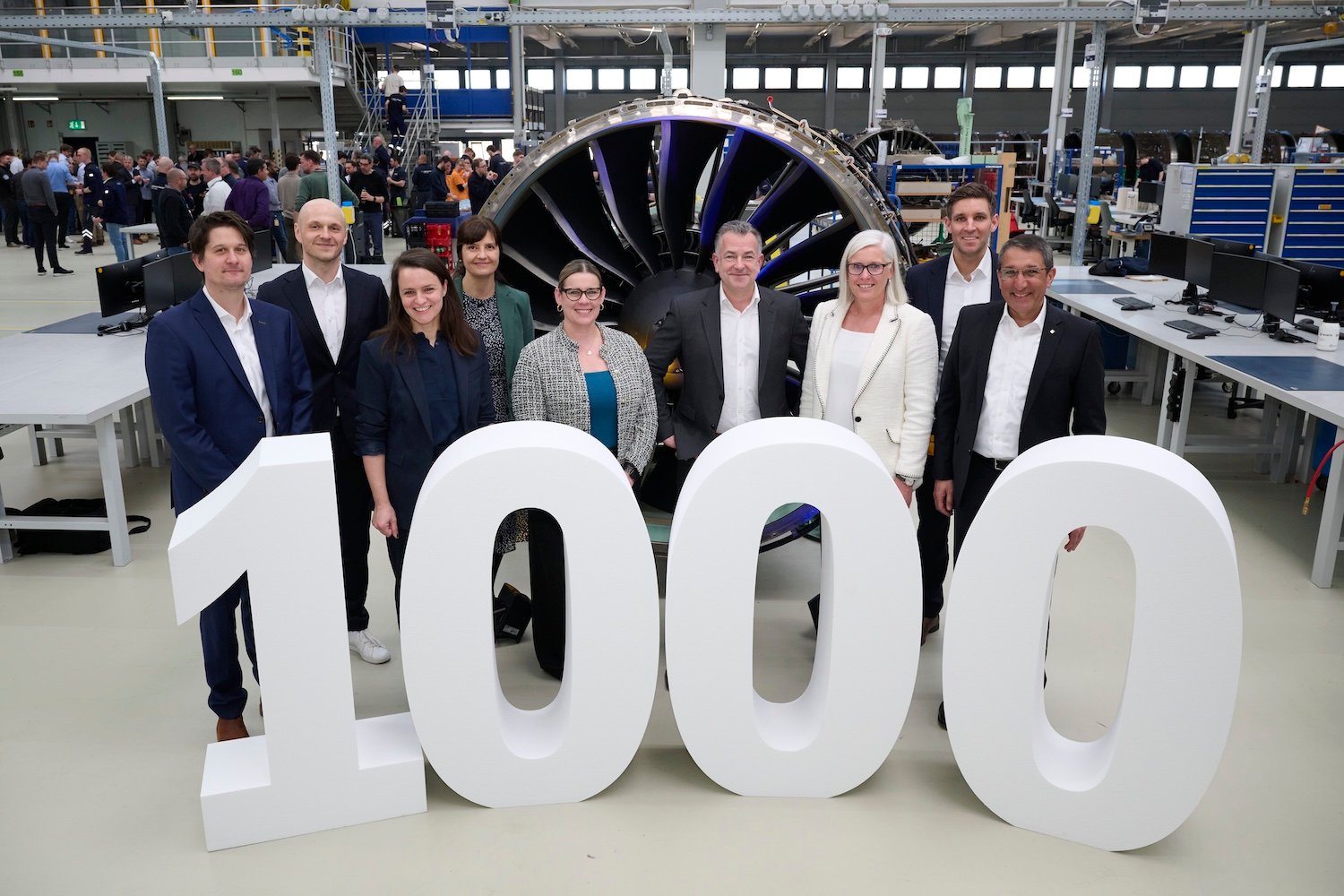
To support this growth, we are investing across the full lifecycle – from technology upgrades to aftermarket capacity. When it comes to our global GTF MRO network, we are accelerating our previously planned investments to increase capacity and bring more shops online to support our customers; there are currently 21 GTF shops in the network.
Together, the strong backlog, introduction of GTF Advantage, ongoing durability enhancements such as GTF Hot Section Plus and a rapidly growing support network are driving GTF adoption across fleets worldwide while delivering the efficiency benefits airlines are looking for.
What are the benefits of the GTF Advantage engine? How is this relevant for the Indian market?
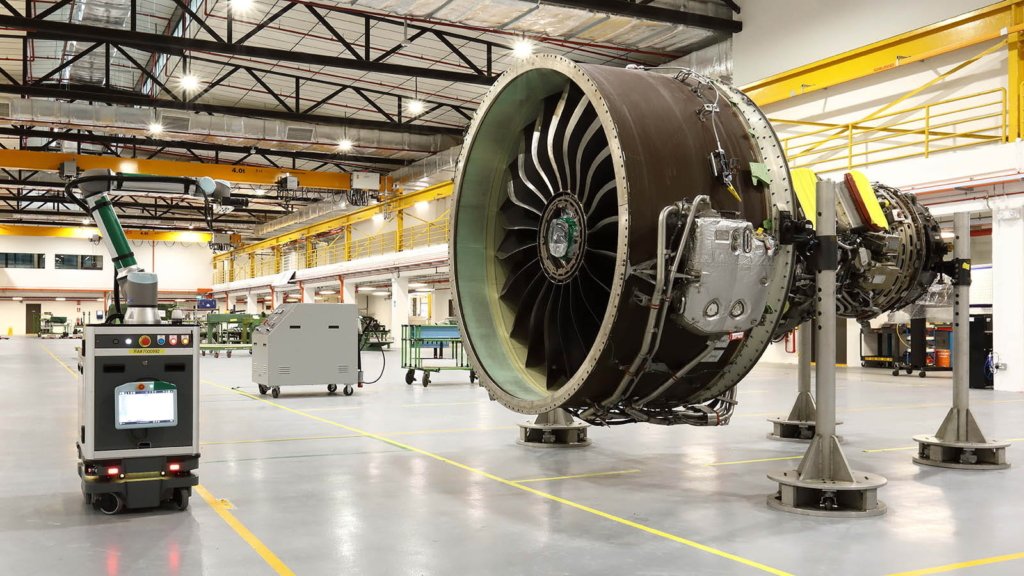
Our next evolution – the GTF Advantage – will provide additional thrust capability and increased durability. It is being tested to unprecedented levels, and we expect the GTF Advantage engine to be attractive to the Indian market, offering significant operator benefits that include:
- 4% more takeoff thrust at sea-level airports and 8% more at high-altitude airports
- Up to double the time on wing compared to today’s GTF engine
- The most state-of-the-art hot section in the single-aisle segment
- Full Life Life‑Limited Parts
- Fully intermixable and interchangeable with today’s GTF engine model
We have specifically designed the hot section of the GTF Advantage for hot and harsh environments, combining state-of-the-art technology and all GTF field learnings to produce a more robust, longer-life engine.
Digital transformation is reshaping aviation. How is Pratt & Whitney leveraging predictive maintenance and AI to support Indian operators?
Our artificial intelligence and machine learning tools optimise our customers’ fleet management as well as improve the design, development and testing of products, making our systems smarter, easier to use and more capable than ever.
We are using AI across our MRO centres to enhance operations and maintenance capabilities – and this will only continue. We are developing smarter tools that can predict faults in equipment before they happen and even predict the remaining useful life of equipment. All these capabilities are starting to deploy and will enhance in the field as our technology evolves. Ultimately, we are accelerating the impact that digital technology has on our industry to allow us to deliver better solutions for our customers.
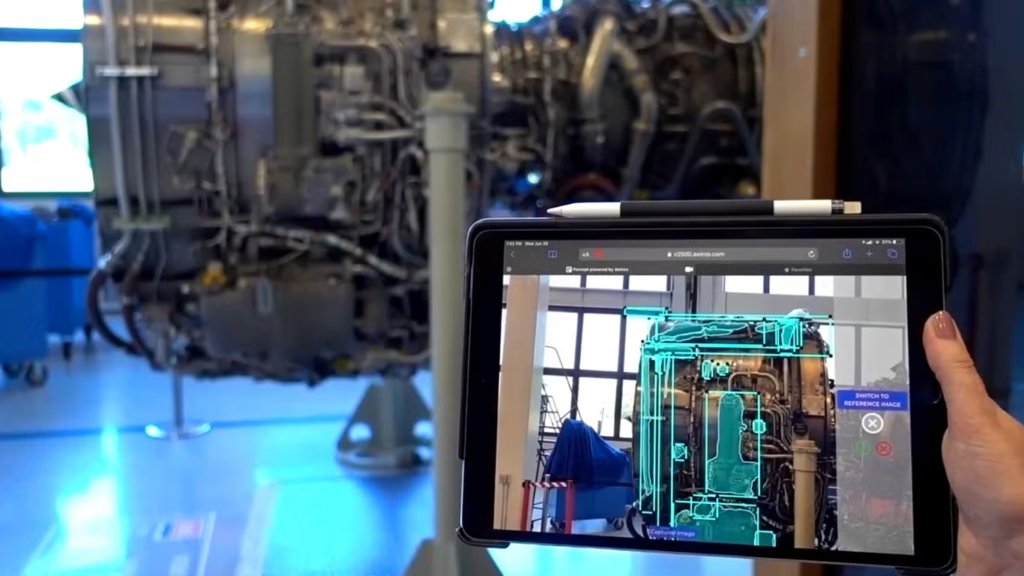
As an example, in collaboration with India-based AI startup Awiros, we launched “Percept,” an AI-based tool for real-time engine inspection. This tool leverages AI to speed up the inspection process, reducing the time taken by nearly 90% compared to traditional methods. It can be used in both pre- and post-lease inspections of the engines.
Our India Digital Capability Centre in Bengaluru is a dedicated hub, bringing together data, engineering and operations talent to develop and deploy digital solutions for our customers.
India’s MRO ecosystem is expanding. Is Pratt & Whitney looking at partnering with local firms to build a stronger service network?
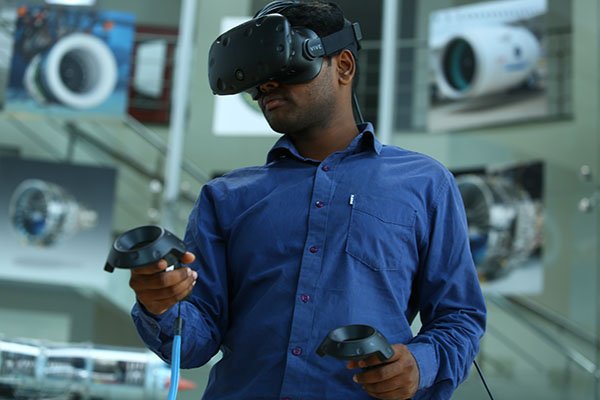
Photo:Pratt & Whitney
In India, our MRO strategy is guided by RTX priorities and customer needs. Earlier this year, Collins Aerospace, an RTX company, announced a partnership with Hindustan Aeronautics Limited to support the LCA Tejas Mark I fighter.
On the engine side, we remain open to expanding MRO capabilities in India — the country has the expertise, talent, supportive policies, and resources to make it a strong contender.
The company is investing in hybrid-electric demonstrators. How central is this technology to Pratt & Whitney’s long-term technology roadmap?
While we are still in early days of developing technologies such as hybrid –electric propulsion, we are looking to demonstrate its potential on larger scale GTF engines for single-aisle aircraft. As battery technology continues to advance, efficiency benefits of hybrid-electric systems will only increase.
India will be important to shaping this future of more efficient flight. As we ramp-up up our investment in Engineering, Supply Chain, Training and Data Innovation, Pratt & Whitney will tap into the industry, talent, and technology in India to ensure our success.
Beyond GTF, what new propulsion technologies are Pratt & Whitney developing to stay ahead in civil aviation?
We’re investing in a range of technologies, including advanced materials, cutting-edge aerodynamics enabled by high-performance computing, a small high-speed core and hybrid-electric propulsion to enable required levels of performance.
For future single-aisle aircraft, we are confident that a second-generation ducted GTF engine architecture remains the right path forward. It delivers step-change efficiency improvements while offering the durability, noise reduction and maturity our customers need, building on learnings from the revolutionary base GTF architecture and the evolution of the GTF Advantage engine.
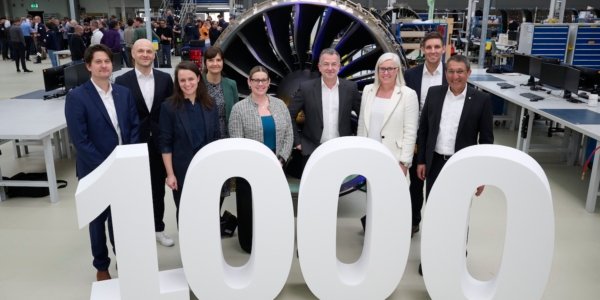
India Customer Training Centre – Training on Pratt & Whitney’s most advanced aircraft engines. Source: Pratt & Whitney
Also Read: A Century of Grit and Innovation: The 100-Year Legacy of Pratt & Whitney