











- Predictive aircraft maintenance is shifting from theory to daily practice, as airlines, manufacturers and maintenance providers use shared data and AI tools to improve reliability and cut costs.
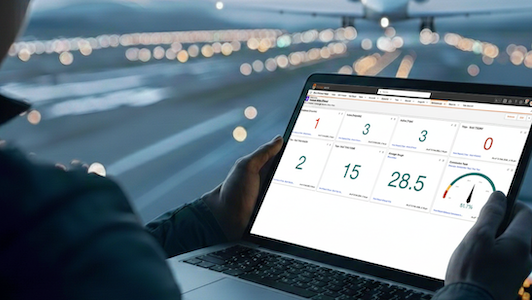
- Digital platforms such as Airbus MyAnalytics, Veryon AIRE, and Collins Ascentia enable maintenance teams to build models, detect problems earlier, and reduce unscheduled repairs, delays, and cancellations.
- Airlines and regulators now treat predictive aircraft maintenance as a strategic advantage, using real-time analytics to shape maintenance schedules, fleet planning and long-term competitiveness.

The 2025 Predictive Aircraft Maintenance (PAM) conference, which concluded in Dublin recently, underscored that predictive maintenance is moving from concept to operational core across global aviation. Airlines, original equipment manufacturers (OEMs), and maintenance, repair and overhaul (MROs) are converging around shared digital standards, real-time data exchange, and scalable AI models.
The conference highlighted the advancements in predictive maintenance strategies across global fleets and outlined the next wave of digital integration reshaping aviation reliability, efficiency, and cost control. The conference’s airline-led agenda underscored a pivotal shift from reactive maintenance cultures to data-driven predictive ecosystems capable of transforming aircraft availability and extending component life cycles.
With platforms like Airbus MyAnalytics, Veryon AIRE, Collins Aerospace Ascentia, among others, redefining the landscape, the next frontier will be the integration of predictive insights into every level of airline decision-making, from component health to network scheduling.
Airbus unveils MyAnalytics
One of the most talked-about announcements at the conference came from Airbus, which unveiled MyAnalytics, a transformative new feature within its Skywise Fleet Performance+ (S.FP+) ecosystem.
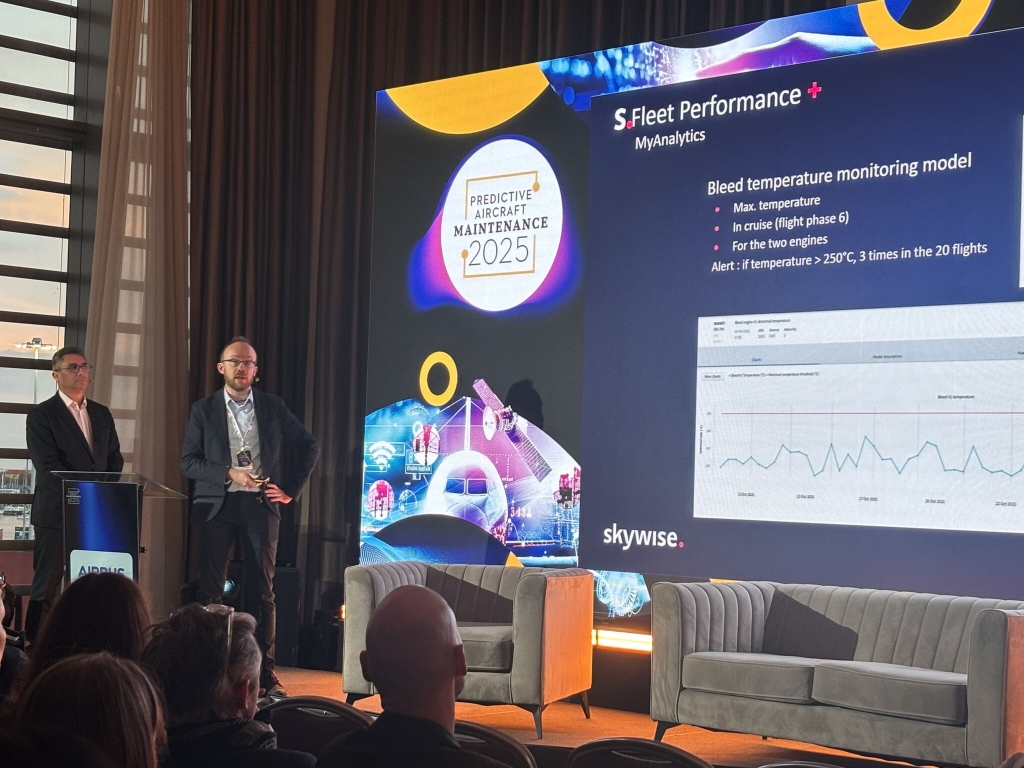
MyAnalytics allows airlines to build, test, and deploy their own predictive maintenance models directly within the S.FP+ platform.
The solution offers seamless integration across mixed fleets and allows operators to collaborate easily with analytics developed by Airbus and Digital Alliance partners.
Airbus described the feature as a decisive step toward giving airlines ‘ownership’ of their predictive strategies, placing model development and performance monitoring directly in their hands.
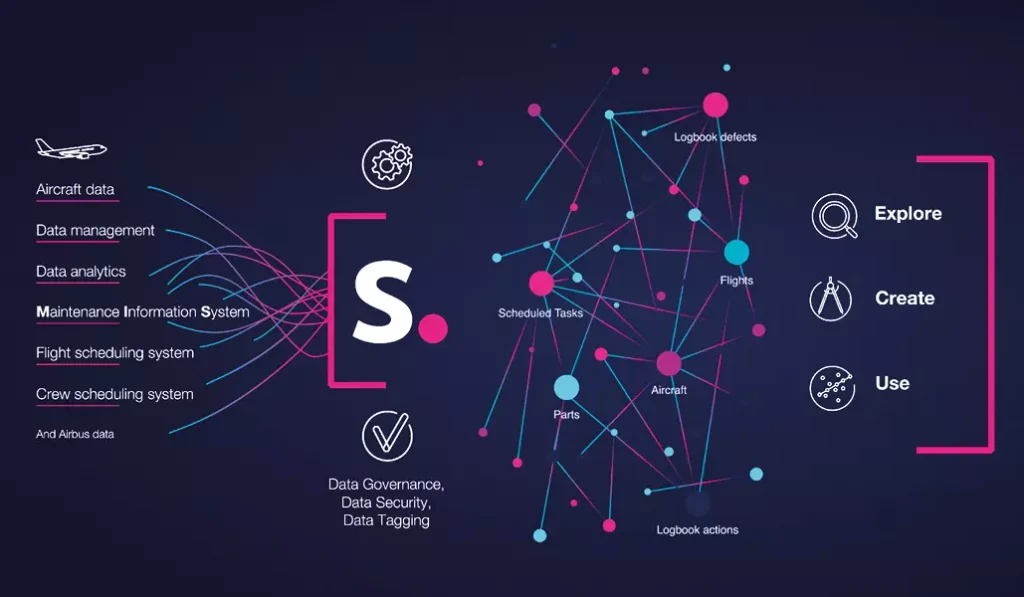
According to Airbus, MyAnalytics represents a milestone in the democratisation of aviation data science.
By consolidating predictive and diagnostic workflows into a single interface, the platform eliminates fragmentation and empowers maintenance teams to run self-defined algorithms without deep coding expertise.
The company said this will accelerate the industry’s transition toward fully predictive operations, where maintenance decisions are informed by unified analytics rather than reactive alerts.
Global aircraft aftermarket
Airbus estimates that the global aircraft aftermarket will grow from $150 billion in 2024 to $290 billion by 2043, driven by a 3.8% annual increase in passenger traffic and a global fleet shift toward new-generation aircraft. Predictive maintenance is expected to account for a significant portion of that growth, potentially saving operators $4 billion annually in maintenance costs by reducing unscheduled events and improving resource utilisation.
A standout session titled “The Digital Alliance: Industry Collaboration at Scale” brought together Airbus, Collins Aerospace, Delta Air Lines, GE Aerospace, and Liebherr to discuss how shared data standards and model interoperability are becoming the foundation for industry-wide predictive ecosystems. With more than 11,600 aircraft connected to Airbus Skywise by late 2024, the Alliance continues to expand its reach. The Airbus platform now monitors over 180 components across each A320-family aircraft. The system has demonstrated tangible operational benefits: easyJet alone reported avoiding 79 flight cancellations in just two months last year using S.FP+.
Veryon AIRE: AI-Powered for Fleet Reliability
Another major launch at the PAM Conference was Veryon AIRE, the new AI-powered data intelligence platform from U.S.-based software provider Veryon. AIRE aims to redefine predictive maintenance through conversational analytics, predictive insights, and decision-support capabilities. The platform unifies de-identified reliability data and AI-guided troubleshooting to help operators maximise aircraft availability, airworthiness, and reliability. AIRE reportedly gives maintenance teams foresight, confidence, and control over their fleets.

AIRE serves as the analytical engine behind the broader Veryon portfolio, powering applications like defect analysis, reliability, guided troubleshooting, and tracking.
The system leverages natural language interaction and predictive clustering to detect chronic faults, rogue components, and degradation trends before they escalate into costly disruptions.
Early adopters report reductions of 20–30% in unscheduled removals and 10% fewer delays and cancellations. In Dublin, Veryon executives demonstrated how AIRE integrates with existing airline workflows to deliver a unified, AI-enhanced operational picture, marking a major step toward intelligent, self-optimising maintenance environments.
Collins Ascentia: Turns Data into Actionable Maintenance Insight
Collins Aerospace’s presentation highlighted Ascentia, an analytics suite designed to give airlines a 360-degree view of their maintenance ecosystem. Built on Collins’ OEM expertise and deep integration with aircraft systems, Ascentia brings together three key applications – Repeaters, AOG (aircraft on ground) Management, and Prognostic Health Monitoring – to provide decision-makers with actionable insight from multiple data sources. The platform’s goal is to reduce cancellations and optimise fleet utilisation through faster data-driven decisions.

The Ascentia platform represents Collins’ effort to merge physical and digital domains of maintenance, offering predictive alerts, real-time AOG management, and historical trend analysis under a single digital roof. The company said that as the platform evolves, it will incorporate advanced aircraft health monitoring (AHM) features that further reduce unscheduled events and maintenance overhead.
Airlines Embed PAM in Daily Operations
A major highlight was the airline panel titled ‘Moving Beyond Recreational Maintenance’ wherein participants from easyJet, SAS, United Airlines, and Delta Air Lines explored how predictive maintenance is being embedded in daily operations to eliminate redundant checks, minimise cancellations, and optimise maintenance schedules. The consensus was that predictive tools have evolved from diagnostic aids into strategic enablers for operational resilience.
OEMs, MROs, and technology providers demonstrated how data science, artificial intelligence, and connectivity are converging to scale predictive maintenance capabilities. GE Aerospace presented examples of AI-driven analytics that improve failure detection and optimise shop visits, while Boeing shared insights into fleet-wide modelling, early fault detection, and regulatory alignment, and Safran’s experts outlined predictive applications for nacelle and landing gear systems. Liebherr revealed predictive models for the A320 family built from real-time operational data.

The regulatory panel offered a pragmatic discussion on certification, airworthiness, and liability. Industry legal and technical experts from Boeing, Bird & Bird, Heston Airlines, and GAMIT discussed how regulators such as EASA, the FAA, and the UK CAA are adapting frameworks to accommodate predictive systems, ensuring safety remains paramount while innovation accelerates.
As regulatory bodies align with this digital transformation, predictive maintenance is set to become not just a technical evolution, but a strategic enabler of future airline competitiveness.
Also Read: Safran’s Hyderabad MRO: India’s Leap into the Global Engine Ecosystem