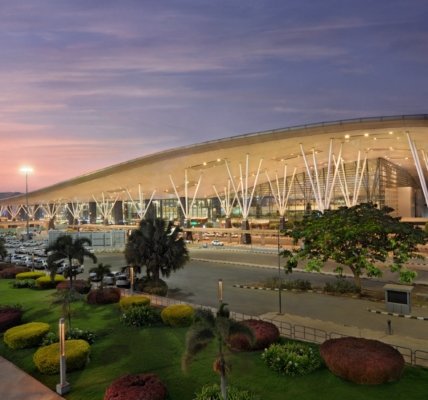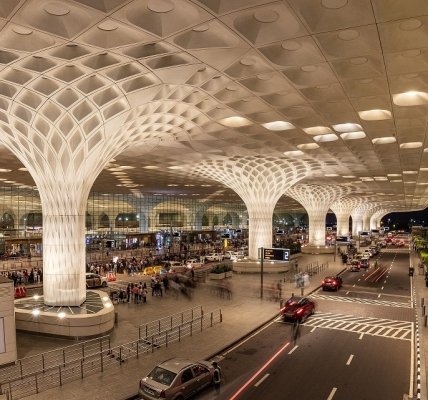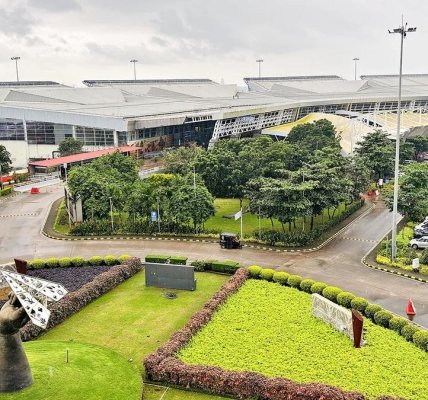




















- Karnataka’s push for regional air connectivity has led to a surge in airport infrastructure, yet many of these airports face challenges like fluctuating demand and limited flight frequencies.
- While the UDAN scheme has supported growth, the long-term viability of several regional airports remains uncertain.
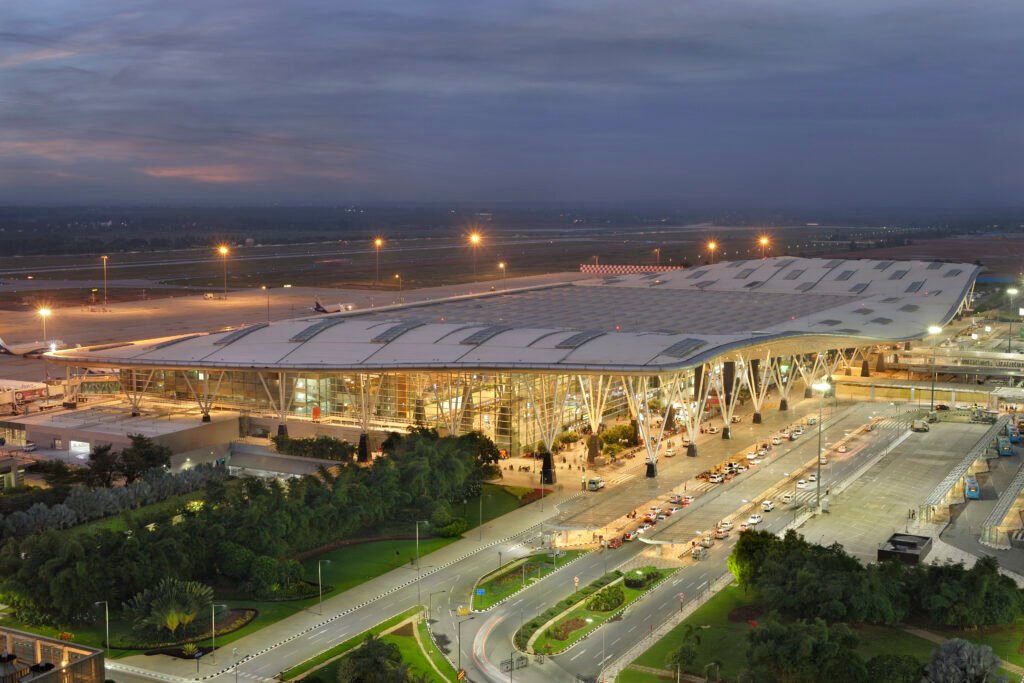
Bypassing the rugged road network, regional air connectivity was a big political promise in Karnataka that caught the entire country’s attention five years ago. The rush of regional airports that mushroomed all across the State was high on intent and ambition. But today, barring the Belagavi and Hubballi airports, these flashy new aerodromes are trapped in a cycle of fluctuating demand, low flight frequencies due to aircraft delivery constraints and a lack of weather-proof runways.
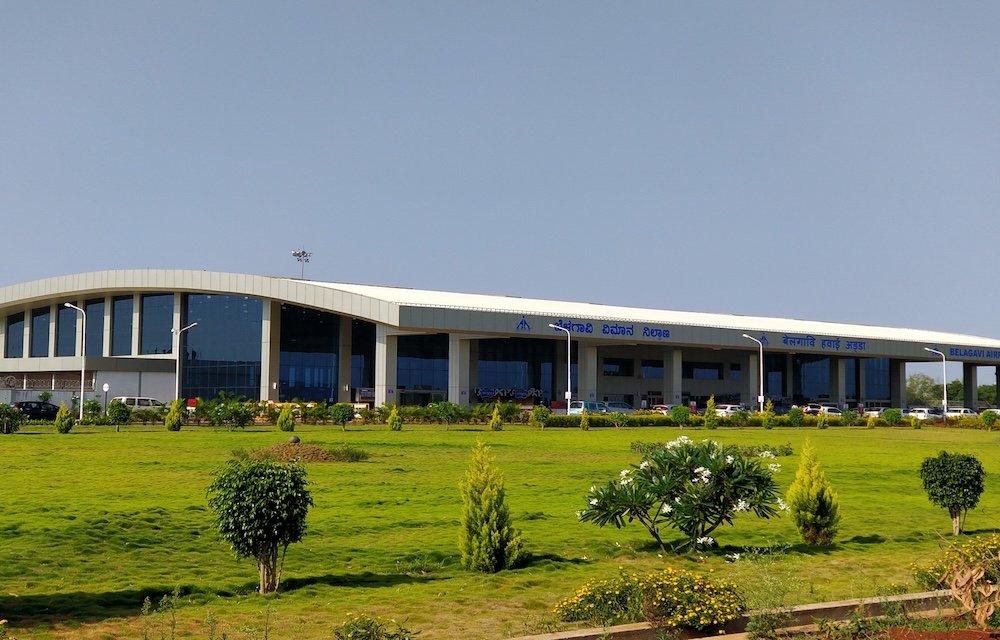
Bordering Maharashtra, the Belagavi airport is the most promising of the lot, but the problem persists here too. Originally an airbase for Operation Vijay of the Goa Liberation movement, this airport had an upgrade in 2018 and now links Belagavi to Delhi, Mumbai, Bengaluru, Hyderabad, Ahmedabad, Surat, Nagpur, Jaipur, Tirupati and Bhuj. Passenger numbers have grown, but flight frequencies have not kept pace, even as frequent flyers are demanding more direct flights to the major cities.
The unprecedented upswing in regional air connectivity over the last five years has helped Karnataka push ahead of other States, emerging third in passenger numbers behind only Delhi and Maharashtra. Nine airports, managed by the Airports Authority of India (AAI), the State Government, private entities and through public-private partnerships, have dramatically boosted the domestic network branching out of Bengaluru’s Kempegowda International Airport (KIA).
Uncertainty outside UDAN umbrella
But there is a catch. The UDAN (Ude Desh ka Aam Naagrik) scheme has fuelled the growth of many of these airports, offering subsidies to airlines to make air travel affordable and accessible for passengers. Aviation watchers are not sure how many airlines that currently fly on new and underserved routes would stay the distance once the airports are out of the UDAN umbrella.
An IndiGo insider confirms that the load factor is good in some of these airports thanks to UDAN. But can smaller players such as Star Air sustain? Based out of KIA, this airline currently flies to 22 domestic destinations, most of them on the UDAN routes. In Karnataka, it serves the regional airports of Belagavi, Shivamogga, and Kalaburgi. It has also launched flights to five destinations in Maharashtra, four in Gujarat and three in Rajasthan, besides connections to Tirupati, Goa, Jalandhar, Ghaziabad and Lucknow.
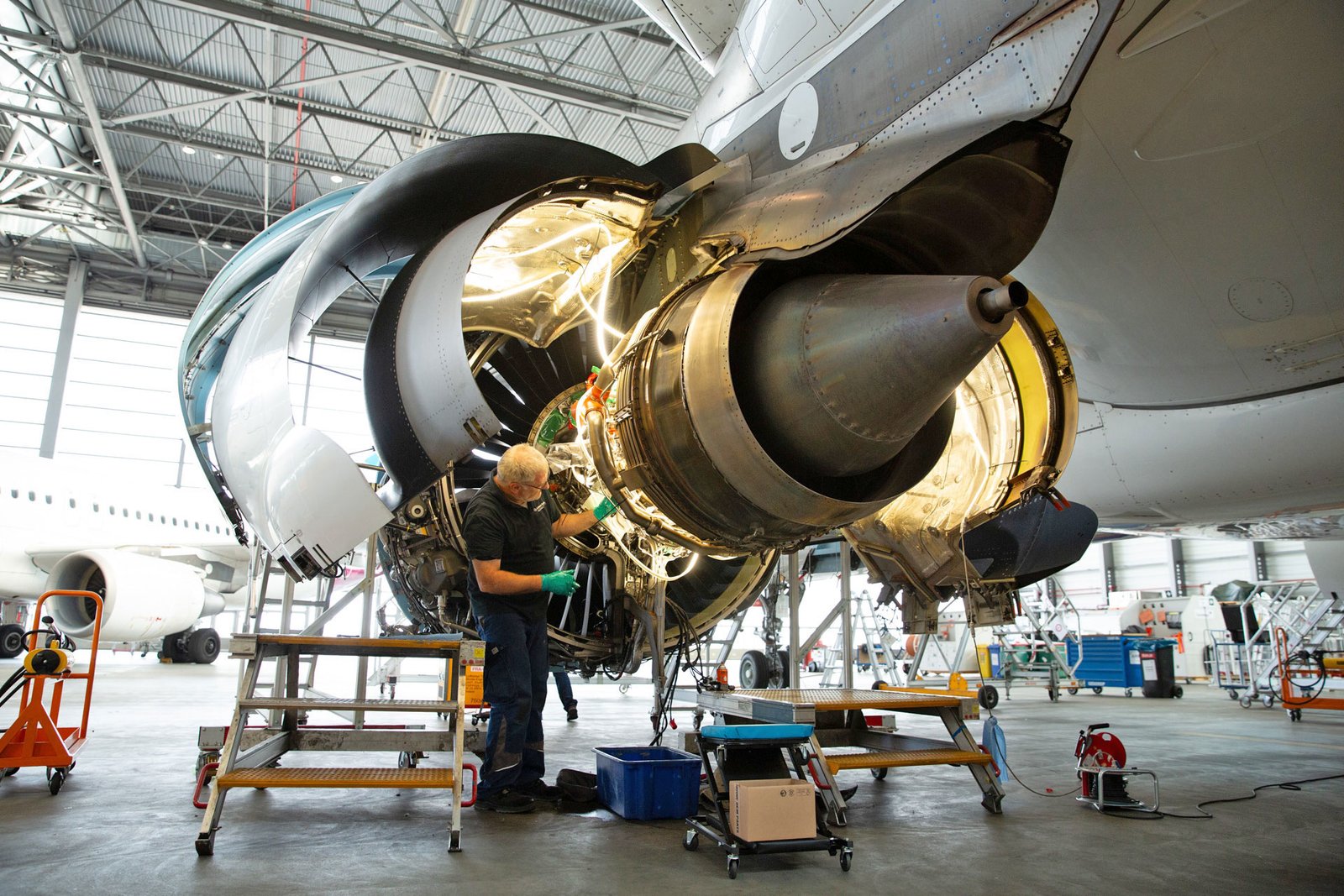
The growth in passenger numbers at the regional airports is apparent, manifested also in the rise in frequent flyers. The Covid-19 pandemic had forced many to bypass the road and rail to take the aerial route, a habit that has sustained. But this rise in demand has not been complemented by a proportionate increase in aircraft numbers. All airlines are plagued by persistent delays in deliveries by Airbus and Boeing, complicated by the engine troubles of its grounded aircraft. IndiGo alone has around 60 aircraft grounded due to issues with Pratt and Whitney engines.
Small airfields, short runways
This leaves the turboprop ATR as an option, although Star Air has taken the Embraer route, operating four ERJ 145LRs of 50-seat capacity and four 78-seater E175s. The low capacities of both ATR and Embraer make them unviable in flights linking the regional airports to big cities such as Mumbai and Delhi. Small airfields that mandate short landings and take-offs are other constraints in operating big aircraft of the likes of Airbus 320 and heavier.
Large flight operations are also constrained by the typically short runway length of these regional airports. For instance, the Mysuru airport has the capacity to handle only small aircraft not heavier than the ATRs as the runway is only 1,740 metres long. An upgrade in 2010 had equipped the airport to handle short-haul flights to 16 destinations including Bengaluru, Mangaluru, Belagavi, Chennai, Kochi and Hyderabad under the UDAN scheme. Once the scheme expired, the flight numbers crashed to two with barely 350 daily passengers.
The Airports Authority of India (AAI) has proposed to extend the runway to 2,400m. However, challenges in land acquisition remain. A major obstacle is an existing railway line on the Mysuru-Chamarajanagar section. The South Western Railway now plans a detailed survey to assess the feasibility of either relocating the railway line or building an underground passage on this stretch.
Heat dictating runway length
But runway extension is a necessity not restricted to the Mysuru airport alone. As a pilot with long years of flying under different weather conditions note, summer time mandates longer runways. “Earlier, summer temperatures used to be in the 32-34 degrees range based on which the length was 2.5 to 3km. Today, on hotter summer days, the take-off and landing distances have increased,” he explains.
The rationale is clear. During summer, low air density mandates that the aircraft produce more thrust, consuming more power and fuel in the process. Inevitably, the aircraft will need more distance to generate that speed and power to be airborne. The pilot cites airports in the Middle East, which are typically 4 and 4.5km long, to respond to extremely hot conditions in the range of 44 to 46 Degrees Celsius.
Low visibility issues in winter
Flight operations during winter have mounting challenges of visibility. Disruptions are a huge problem even at KIA Bengaluru, where the older runway is still not equipped with a CAT-III Instrument Landing System (ILS). On paper, this category allows flight landings even with zero visibility, although the Directorate General of Civil Aviation (DGCA) has clear restrictions.
Smaller airports are typically not equipped with ILS due to financial constraints. Even those with the system make do with a lower category ILS, implying disrupted flight operations. This is particularly acute during foggy weather conditions in the mornings. “If the airport is not authorised, we cannot take the ‘auto land’ option too,” notes the pilot.
To tide over the lack of ILSs, smaller airports and operating aircraft tend to take the VOR (VHF Omni-Directional Range) approach. This is a non-precision approach that uses a VOR transmitter on the ground to guide the pilot’s descent to the runway. The pilot is required to manually manage the descent and altitude. But in airports without ILS or VOR, visual approach is the only option where the runway should be visible from a minimum altitude of 500m. “During bad weather, such visibility becomes extremely difficult. That’s why flights often get cancelled during winter.”
Increasing flight cancellations
Such frequent cancellations due to poor visibility have turned particularly dire at Karnataka’s youngest airport in Shivamogga. On many occasions, flights have even returned to KIA without landing. The DGCA has now given the go-ahead to install Airport Ground Lighting equipment to facilitate all-weather operations. Work is now on to boost the airport’s night-landing facilities. Launched last year, the airport has a 3.2km runway with daily flights to Bengaluru and weekly five-day services to Hyderabad, Goa and Tirupati.
Challenges, however, have not dulled the resolve to spread regional air connectivity to different corners of Karnataka. Bidar, in Northern Karnataka, is a case in point. Efforts by the State Government ensured that the Indian Air Force (IAF) allotted one of its runways for Bidar-Bengaluru flights, the first of which took off in 2020. However, low passenger traffic forced Star Air to halt its services in December 2023. The lack of a good industry and business ecosystem in the hinterland is cited as a reason for the low traffic, but this could change in the future.
The prospect of anticipated business growth and employment generation was exactly what drove the local demand for an airport in Kalaburgi, generally seen as a backward region. The rationale was this: Industries would eventually emerge, and with it enough jobs to dissuade people from heading out to neighbouring Maharashtra. But over the years, frustration has set in, with locals alleging that the government has not done enough to attract investors to the region.
Without a multipronged push to boost business and industry, the locals fear the airport would end up serving only political VIPs with their chartered flights, helicopters and business jets. The signs are already ominous. The green-field airport, built at Rs 181 crore excluding land acquisition costs, initially saw flights operating to Bengaluru, Mumbai, Delhi, Hyderabad and Tirupati. Today, only two flights operate, both to Bengaluru.
Potential of healthcare, education travel
Beyond industry, travel related to healthcare, education and tourism to tier-2 and tier-3 cities could take the aerial route, and this remains largely untapped. Independent aviation analyst Sanjeev Dyamannavar points to the Mysuru airport, which he feels should look beyond connectivity to Bengaluru to expand its scope.
Mysuru-bound passengers from Delhi, Mumbai or Kolkata today have no option but to land at KIA and take the Expressway to Karnataka’s cultural capital. This, Sanjeev says, will mean an additional day of travel. “A direct connectivity to Mysuru will make sense, of course, with an extended runway. Look at Coimbatore, which was earlier a small airport. Today, it has taken off big time with connectivity to major metros and now handles even international flights,” he notes.
An emerging IT hub, a centre for multiple super speciality hospitals and home to several educational institutions of repute, Mysuru beckons travellers from across India. “The airport there needs to plan properly to cater to this steady stream of potential passengers. They need to connect long distances. For instance, flights to Thiruvananthapuram, bypassing the long-winded road and rail route through other Kerala towns, could be an option that will attract a lot of passengers.”
Lower aircraft parking fees
Regional airports also hold the potential to reduce operational cost for airlines from a parking perspective. A flight to Ahmedabad could return to park at a much lower price at the Mysuru airport. As Sanjeev reiterates, “Regional airports, including Mysuru, should look at introducing some strategic routes putting forth these advantages. There is a lot of demand for Mysuru-Hyderabad flights. But there is no connection right now.”
Major airports, KIA included, could encourage regional connectivity by allotting suitable time slots to airlines flying the short-haul routes. As an aviation watcher observes, a passenger from Bidar should be able to take a 6am flight, land at KIA at 7am and fly back in the evening. Being the country’s third busiest, slots are at a premium at the Bengaluru airport. But since the airplanes are smaller, they could do without the limited aerobridges and squeeze in landing and take-off slots.
All this mandates a regional economic plan, says mobility analyst and planning strategist Ashwin Mahesh. This should integrate location of an airport, connectivity, competition and economic sustainability over the long term. “Too much of our infrastructure is concentrated in some places in the absence of a plan. Where you put an airport should largely be determined by where the competition and demand are going to come from,” he explains.
Drawing attention to Shivamogga, Ashwin recalls the regional airport was built there without considering the viability. “For nine months after that airport was built, there was not even one commercial flight. Nobody was willing to operate flights there. Even today, there are only three to four flights a day. For four flights a day, do you need to build a Rs 500 crore airport on land that is worth another Rs 200 crore? Even if you offer free air travel to Shivamogga for 10 years, you will spend less money.”
Needed: A strategic, planned approach
Rapid growth of tier 2 and 3 cities with tech firms diversifying away from the congested big cities is bound to dramatically alter the dynamics of regional airports in Karnataka and countrywide. This mandates a planned approach with participation from all stakeholders. Inevitably, this would imply competition amongst airlines and airports, which in turn could bring the costs down. Governments could aid by reducing taxes on fuel in airports. Since data shows that only 4% of Indians travel by air even today, a turnaround in the regional airspace could be a dream come true for all.
Economic viability, seamless inter-modal connectivity with road and rail, and a big push to boost local industrial development could be the recipe to make the regional airports truly transformative. Aviation experts are convinced this can happen only with active participation of State and Central governments, industry and business bodies, and a critical mass of airlines with the necessary fleet that fits the unique regional connectivity demands.