






Reimagining Regional Connectivity: How the D328eco Brings Digital Precision and Multi‑Role Flexibility


Deutsche Aircraft’s D328eco® combines cleaner fuel capability, smarter maintenance, and efficient manufacturing to create a more adaptable regional aircraft. In this interaction with Rakesh Gera, Olaf Lawrenz, Chief Operating Officer of Deutsche Aircraft explains how thoughtful design choices improve cabin space and comfort, how digital tools boost precision and quality, and how a modular build supports true multi-mission capability.
How does the D328eco achieve 100% SAF compatibility and improved fuel efficiency?
The D328eco is fully compatible with Jet A-1, blended fuel, and 100% synthetic SAF (Sustainable Aircraft Fuel) PtL. To support 100% SAF compatibility, including synthetic Power-to-Liquid (PtF) fuels, we have made physical changes in the fuel system. One of the biggest technical hurdles with synthetic fuels is the absence of aromatics, which typically help keep rubber seals flexible. Without them, traditional seals can dry out and become brittle, leading to leaks. So we have replaced all such seals in the engine, wing connections, and fuel lines with SAF-compatible alternatives.
Some stakeholders in the industry initially assumed that transitioning to SAF would require substantial infrastructure investments. But that’s not the case, it’s more about adjusting the technical approach and mindset rather than investing in large-scale changes.

From an efficiency standpoint, several factors work together. First, the aircraft’s aerodynamic profile, largely preserved from the original Dornier 328, is inherently efficient. Second, software-controlled optimisation of propeller settings ensures minimal energy loss during propulsion. Third, the D328eco’s ability to cruise at FL300 allows it to benefit from favourable wind conditions, which improves fuel economy on longer sectors.
We also use lightweight cabin materials and continuously optimise airframe weight using advanced composites. According to our estimates, this results in a 14% lower fuel burn per passenger compared to older-generation regional turboprops.
How is the D328eco achieving 20% lower maintenance costs?
A few major innovations contribute to this. Firstly, single-lever engine control optimises power transitions and significantly reduces stress on the engines, resulting in a 30% increase in engine time-on-wing, which directly lowers costs.
We have also implemented predictive health monitoring for key LRUs, allowing us to carry out maintenance only when necessary. Additionally, the D328eco will feature a new landing gear, retrofittable to legacy 328s, designed to minimise wear and reduce turnaround time between checks.
Importantly, every aircraft is engineered fully in 3D and tied to a digital twin. This twin records real-time performance data throughout the aircraft’s life. Using AI, we analyse that data to recommend when multiple maintenance activities can be combined into a single downtime window, so operators avoid repeatedly grounding the aircraft for isolated issues. That’s a major efficiency gain that feeds into long-term cost savings.
How are you using AI to optimise your supply chain?
We designed the final assembly line (FAL) to be plug-and-play, lean, efficient, and optimised for quick integration of pre-assembled parts. From my prior experience, I know that reducing complexity and lead time in final assembly has a major impact on cash flow and delivery pace. This is not just for speed, but to address what I call the “cash-out zone.” This is when all components are paid for, but the aircraft hasn’t been delivered yet. Reducing time in this phase is critical.
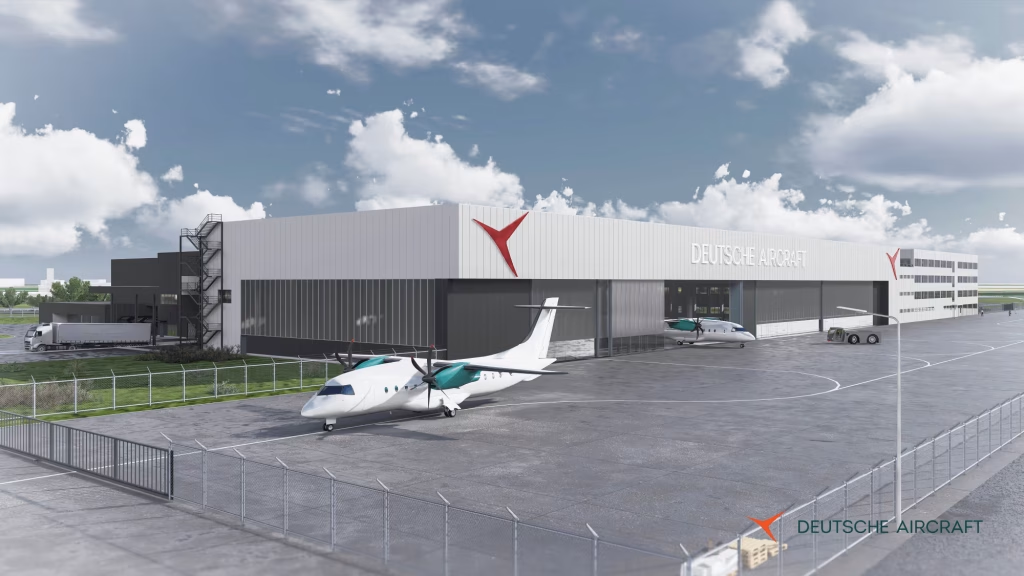
To support this, we work with suppliers who can manage end-to-end production—from detail part machining to complete section assembly, within a single facility. This reduces transportation, avoids intermediate inventory, and minimises risk.
Our AI initiatives will eventually support supply forecasting, logistics flow, and inventory optimisation, but our current focus is first-time-right quality and reducing part travel, which cuts both lead time and emissions.
What role does Industry 4.0 play in your production efficiency?
The D328eco is built entirely in 3D digital models. These models can be integrated directly into CNC machines, meaning any design updates flow seamlessly into production. This eliminates translation errors and reduces tooling time.
We use laser-guided alignment during major join-ups, like fuselage sections, to ensure millimetre-level accuracy. Operators on the line work in a paperless environment, using handheld tablets for instructions, torque data capture, and part validation.
Only shift-specific materials are delivered to each station—tools, fasteners, consumables—so technicians don’t waste time gathering resources. We are also implementing a digital Andon system that flags issues in real time and enables quality or engineering teams to respond instantly using 3D visualisation of the affected area.
This structure not only streamlines production but also supports after-sales and MRO activities, since all data feeds into each aircraft’s digital twin, accessible to the operator.
What changes have been made in the D328eco cabin to enhance comfort and efficiency?
We have redesigned the cabin with weight reduction and passenger comfort in mind. Overhead bins have been re-engineered to accommodate standard-sized trolleys, eliminating the need to stow them in the baggage hold and improving turnaround efficiency.
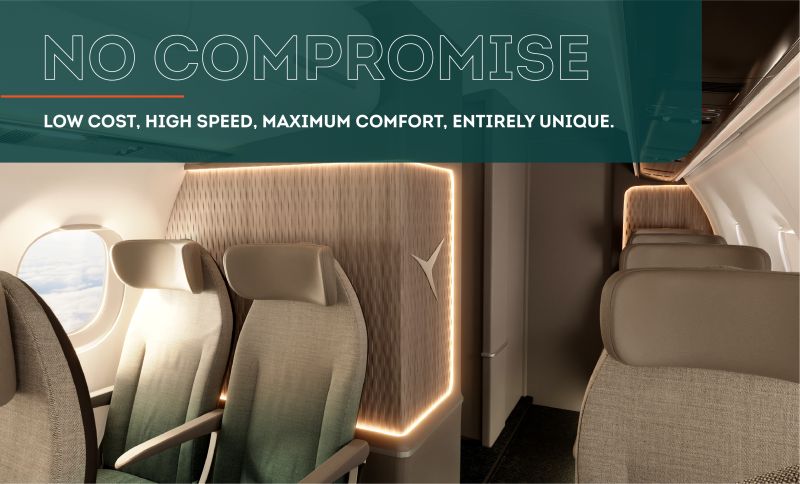
The cabin ceiling height has been increased. Passengers up to 1.86 m (6’1”) can now stand comfortably, thanks to a redesign made possible by keeping the bottle-based oxygen system installed near the landing gear. This allowed us to raise the PSU height for better vertical space.
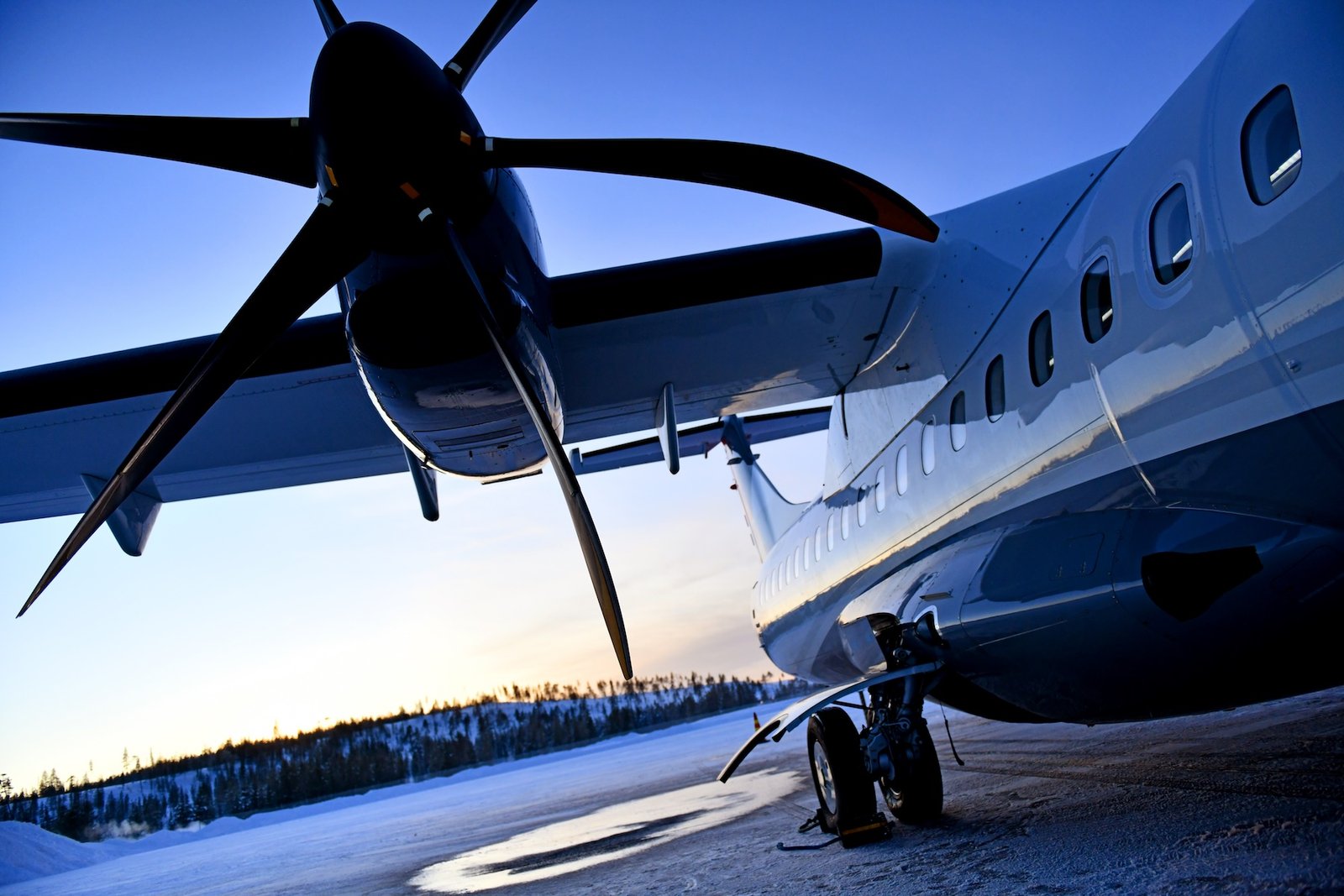
We have upgraded the air conditioning and pressurisation system, allowing smoother cabin pressure transitions. The result is a more comfortable inflight experience. We have also introduced noise-reducing insulation offering inherent passive propeller noise cancellation, making the D328eco quieter than typical regional turboprops.
How does Cyient’s AI-driven documentation improve manufacturing precision for safety-critical systems like the rear fuselage?
Cyient’s AI-driven documentation system plays a crucial role in enhancing manufacturing precision, especially for safety-critical components like the rear fuselage. By leveraging AI, we ensure that every design update, tolerance specification, and assembly instruction is automatically validated, and version controlled. This reduces human error and ensures that technicians always work with the most current and accurate data. The system also integrates with our digital twin architecture, enabling real-time feedback loops between design, manufacturing, and quality assurance. This not only improves first-time-right rates but also supports traceability and compliance with stringent aerospace safety standards.
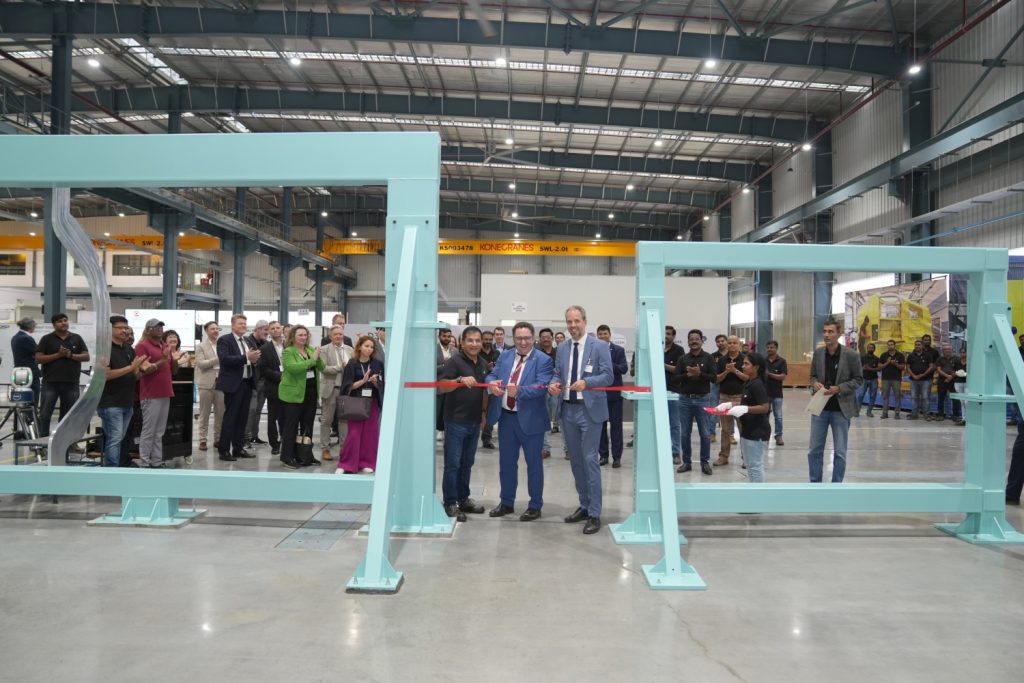
How do advanced manufacturing processes with Dynamatic Technologies ensure rear fuselage quality?
Dynamatic Technologies employs advanced manufacturing techniques such as high-precision CNC machining, automated drilling, and robotic assembly to ensure consistent quality in the rear fuselage structure. Their facilities are equipped with real-time quality monitoring systems that detect deviations at the micron level, allowing for immediate corrective action. Additionally, they use non-destructive testing (NDT) methods to verify structural integrity without compromising the component. By integrating these processes with our digital production ecosystem, we maintain tight tolerances and ensure that each rear fuselage unit meets the rigorous standards required for commercial aviation.
What technologies enable the D328eco to switch between passenger, cargo, ambulance, and firefighting roles, and how does the 4,000-litre capacity improve its aerial firefighting performance?
The D328eco is designed with modularity at its core. Quick-change interior kits allow operators to reconfigure the aircraft between passenger, cargo, medevac, and firefighting roles within a reasonable timeframe. The flat-floor design, wide cargo door, and integrated seat-rail system support rapid installation of mission-specific equipment. For aerial firefighting, the aircraft is equipped with a 4,000-litre internal tank system that can be filled and discharged quickly. This capacity, combined with the D328eco’s short take-off and landing (STOL) performance and high manoeuvrability, allows it to operate from remote airstrips and deliver precise water or retardant drops in rugged terrain, making it a highly effective tool for wildfire suppression.