


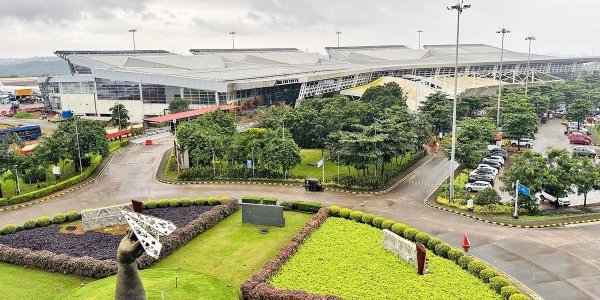













- Despite rapid terminal expansion across India, airports continue to face congestion, uneven passenger flows, and stress during peak periods and disruptions to operations, highlighting the limits of capacity-only planning.
- Adaptable infrastructure, including common-use systems, flexible terminal layouts and integrated digital tools, is emerging as a critical factor in improving predictability and resilience.
- Initiatives such as DigiYatra and integrated airport control centres show that embedding technology into infrastructure design, rather than adding it later, is key to sustaining operational performance.
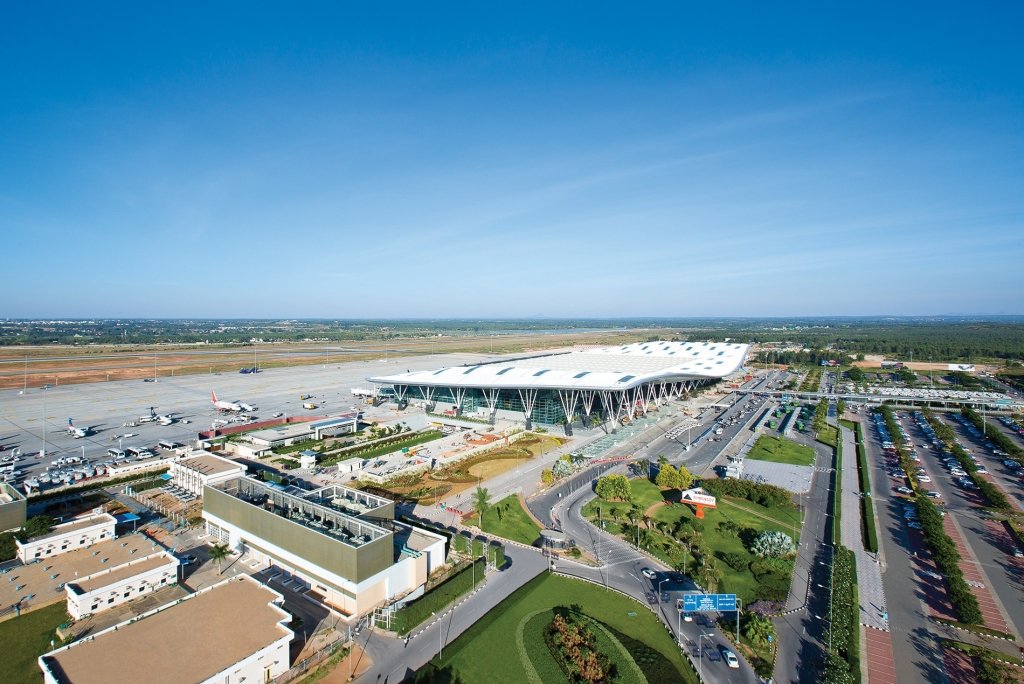
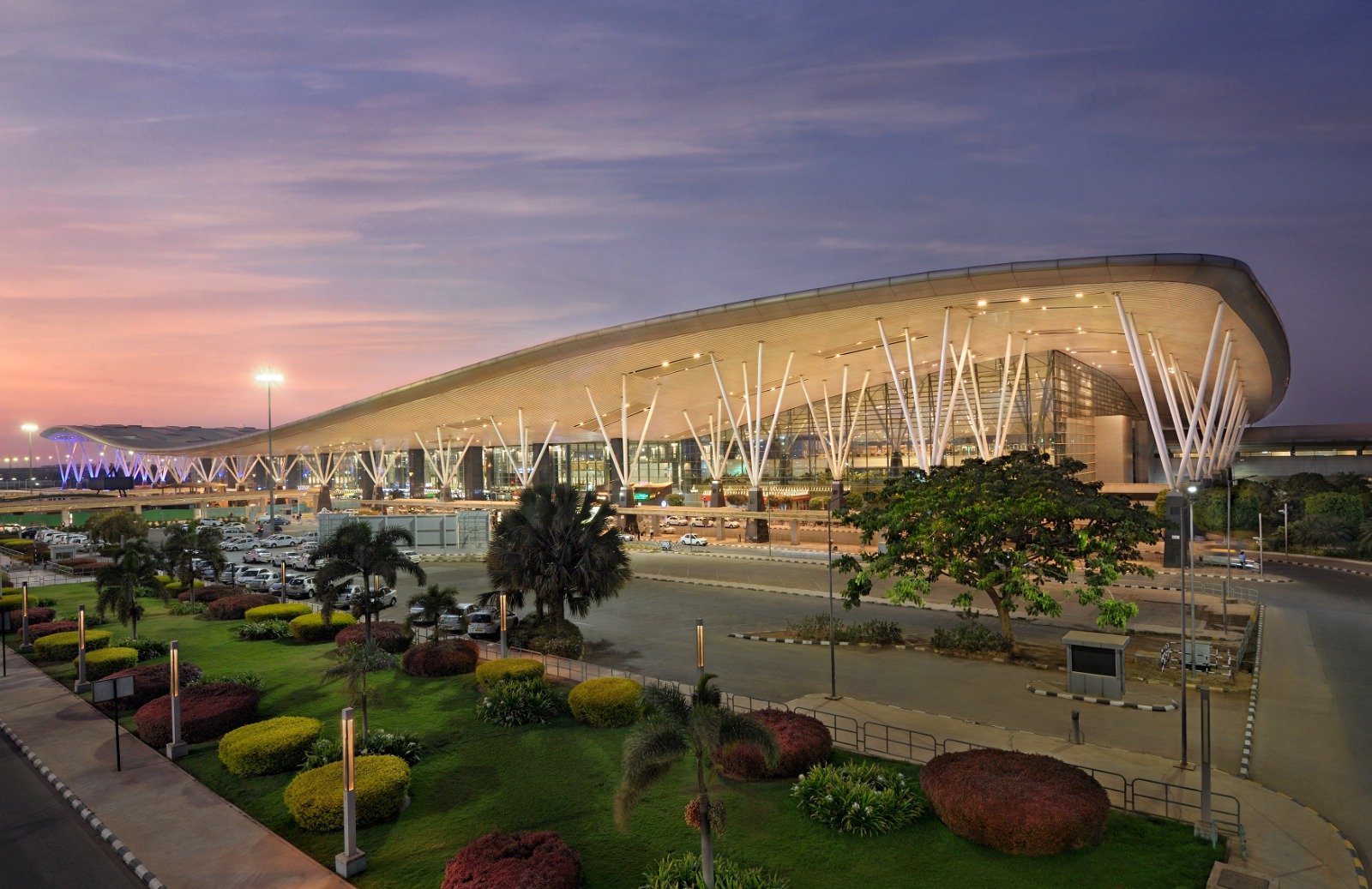
India’s airport sector is in the middle of an unprecedented expansion cycle. New terminals are being inaugurated across metros and regional gateways, adding modern facilities and significantly increasing passenger handling capacity. From a construction standpoint, the pace is impressive.
Yet as these terminals come online, airports are confronting a familiar reality. Congestion during peak hours, uneven passenger flows, and operational stress during disruptions continue to surface, sometimes even at recently expanded facilities. The issue is no longer whether India is building enough infrastructure. It is whether that infrastructure is designed to cope with how airports actually operate today.
Passenger demand has become more volatile, schedule waves are denser, and recovery from disruption has emerged as a key performance test. Traditional airport planning models, built around static forecasts and fixed processes, were not designed for this level of variability. As a result, operational pressure is increasingly driven by system responsiveness rather than the absolute size of terminals.
When capacity alone is not enough
Terminal expansion increases physical space, but it does not automatically deliver resilience. In practice, many bottlenecks arise from process rigidity rather than structural limits. Security lanes that cannot be redeployed quickly, immigration areas that remain fixed even when demand shifts, or passenger processing zones that struggle to adapt during schedule peaks often become the real constraints.
This is why airports are finding that performance during peak periods or irregular operations is more revealing than average-day throughput. Infrastructure designed only for forecast volumes tends to perform well under normal conditions, but falters when variability increases. What airports increasingly need is infrastructure that can absorb change without cascading delays.
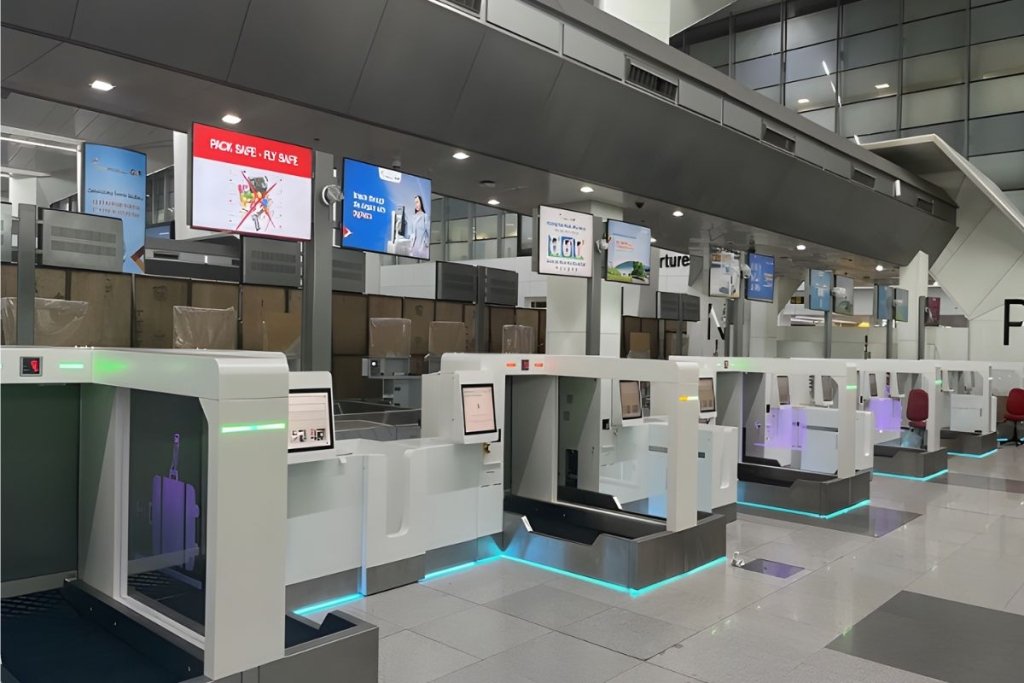
Adaptable infrastructure addresses this gap. Common-use passenger processing facilities — including Common Use Passenger Processing Systems (CUPPS) and Common Use Self Service (CUSS) — reconfigurable domestic and international zones using swing operations, and layouts that allow capacity to be shifted dynamically enable airports to use existing resources more effectively. The benefit is not just higher utilisation but also improved predictability of passenger movement when conditions are less than ideal.
Technology plays a critical role in enabling this adaptability, but only when it is embedded into infrastructure planning rather than added later as a standalone layer. Predictive tools based on Artificial Intelligence and Machine Learning, when linked to flight schedules and operational data, support early identification of pressure points across security, immigration, airlines, and ground handling. This allows airports to adjust staffing and processing in advance, reducing variability in waiting times and stabilising passenger flows.
What integration looks like in practice
India’s DigiYatra programme offers a practical illustration of how infrastructure and technology can work together when designed as a single system. By linking passenger identity, boarding credentials, and facial recognition across terminal entry, check-in, and security, DigiYatra reduces reliance on physical documents and streamlines passenger movement across multiple touchpoints.
Its relevance extends beyond contactless processing. DigiYatra demonstrates that when digital systems are embedded into the physical flow of the terminal, they contribute to more consistent passenger movement rather than isolated efficiency gains. It shows how integration, rather than technology alone, improves operational outcomes.

The same principle applies to the Airport Operations Control Centre (AOCC). Modern control centres are increasingly expected to function as collaborative decision-making platforms rather than passive monitoring units.
When the Airport Operations Database is integrated with airline Departure Control Systems, Air Traffic Flow Management platforms, and aeronautical communication networks, airports can develop predictive operational plans ahead of real-time pressures. This improves coordination among stakeholders, clarifies escalation pathways, and enables earlier intervention before congestion becomes visible to passengers.

Landside operations are also becoming part of this equation.
Road congestion, uneven passenger arrival patterns, and limited coordination with public transport and ride-hailing services directly affect terminal performance.
Data-driven traffic management, including adaptive signalling and shared arrival forecasts, helps improve access reliability even when congestion cannot be eliminated entirely.
As India’s airport expansion cycle continues, the focus is beginning to shift.
Building terminals at scale remains essential, but operational performance will increasingly depend on how adaptable those terminals are under pressure.
Airports that embed flexibility and intelligent integration into infrastructure design will be better positioned to absorb growth, recover from disruptions, and deliver predictable passenger experiences. Those that do not risk creating modern terminals that appear future-ready but operate rigidly when it matters most.
In today’s operating environment, adaptable infrastructure is no longer an optional enhancement. It is becoming the baseline requirement for sustainable airport operations in India.
About the Author: Mohinder Singh Kajla is a Senior aviation operations professional with over 30 years of cross-domain experience spanning airlines, ground handling, and airport operations. Former Head of the Airport Operations Control Centre (APOC) at IGI Airport, New Delhi, where he led AI-driven operational analytics, A-CDM implementation, and real-time performance monitoring at one of the world’s busiest airports. A recognised aviation instructor with deep expertise in ICAO Annex 14 & 9, Safety Management Systems (SMS), airport operations, and integrated IT-AODB platforms.
Also Read: Guwahati Airport Gets New Terminal as Northeast Hub Expands