














- Safran will open its LEAP engine MRO in Hyderabad in November 2025; the 15,000 sqm site will initially handle LEAP-1A and LEAP-1B engines and serve operators across India, South and West Asia, and Africa. By 2028, a quarter of Safran’s global LEAP MRO capacity is expected to come from India.
- India’s aviation growth drives this momentum: with 860 aircraft in service and 739 on order, the nation’s MRO market is projected to rise from US $1.7 billion (2021) to US $4 billion (2031) at an 8.9 per cent CAGR, far outpacing the 4.8 per cent global average.
- Safran’s global plan includes over €1 billion in investments to expand its LEAP MRO network, targeting 1,200 shop visits annually by 2028. The LEAP program already counts 8,000 engines delivered and a backlog exceeding 10,000, with shop visits expected to surge from 2027 as early engines reach major overhaul.
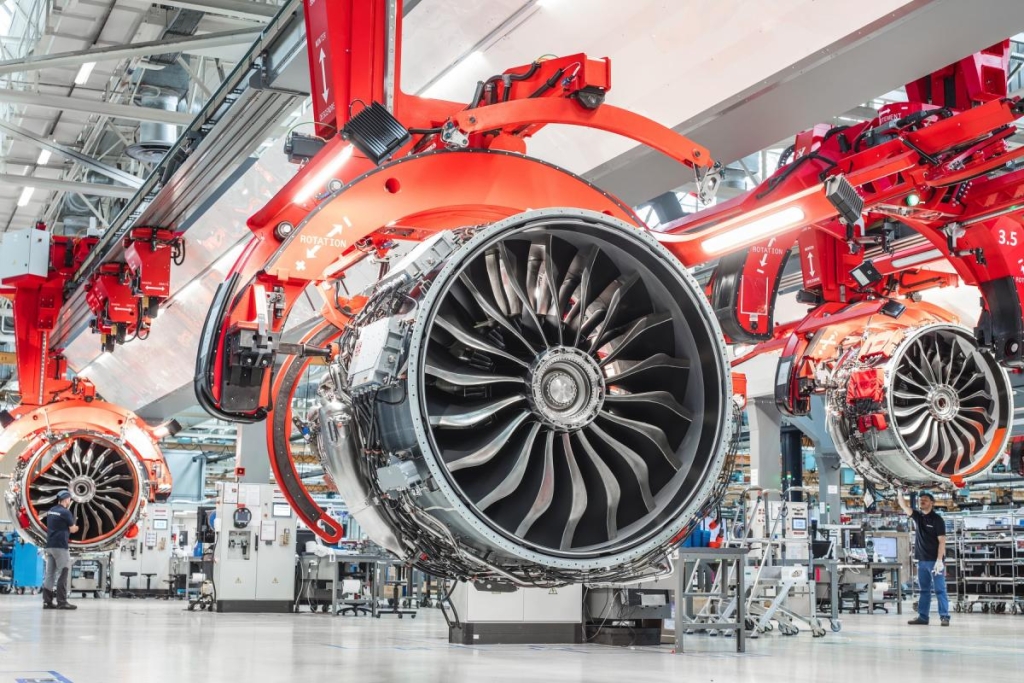
As India’s aviation sector continues its sharp ascent, French aerospace major Safran Aircraft Engines is positioning itself at the heart of this growth story. Come November 2025, Safran will inaugurate its state-of-the-art LEAP engine Maintenance, Repair and Overhaul (MRO) facility in Hyderabad, an investment of $163 million, expected to be formally opened by Prime Minister Narendra Modi.
This marks a watershed moment for India’s aviation maintenance ecosystem. For decades, the country has been a buyer’s market for aircraft and engines; now, it’s fast emerging as a credible global hub for engine maintenance and industrial capability.

India’s civil aviation sector is mirroring the nation’s economic momentum. With GDP growth pegged at 6.5%, the country’s commercial aircraft fleet has expanded at a 7.6% compound annual growth rate, three times the global average, according to the International Air Transport Association (IATA).
Currently, Indian carriers operate over 860 aircraft, with a pipeline of 739 more on order over the next five years, as per IATA data. Civil Aviation Minister K. Rammohan Naidu recently projected that India could need 4,000 aircraft and 200 airports within the next two decades.
For global engine manufacturers, this translates to unprecedented opportunity. Safran, the world’s second-largest aircraft equipment maker, is already sitting on an order of nearly 2,200 engines (both LEAP and CFM) to power aircraft from Indian airlines. With Air India reportedly planning to acquire another 300 aircraft, India’s skies are poised for a massive fleet expansion, and the need for efficient, localised engine support has never been greater.
The Engine of Growth
Until recently, AI Engineering Services Limited (AIESL) was the only Indian MRO capable of handling engine maintenance for CFM56, GE CF6, V2500, and PW4000 engines. The arrival of Safran’s Hyderabad MRO changes that landscape dramatically.

The LEAP engine, developed by CFM International, a 50:50 joint venture between GE Aerospace and Safran Aircraft Engines, powers the new-generation Airbus A320neo and Boeing 737 MAX fleets.
With 8,000 LEAP units already delivered and a backlog exceeding 10,000, Safran is bracing for a steep rise in shop visits, expected to surge from 2027 onwards as early LEAP engines reach their first major overhaul after roughly 10,000 flight cycles.
Safran’s €1 Billion Global MRO Vision
To meet global demand, Safran is investing €1 billion in expansion to scale up its LEAP MRO network. The goal is to handle 1,200 shop visits annually by 2028.
“This expansion is in response to the tremendous success of the LEAP engine, chosen by nearly 180 airlines worldwide,” said Jean-Paul Alary, CEO of Safran Aircraft Engines. “We’re making unprecedented investments to radically scale up our MRO network, ensuring services where our customers need them, while minimising our carbon footprint.”
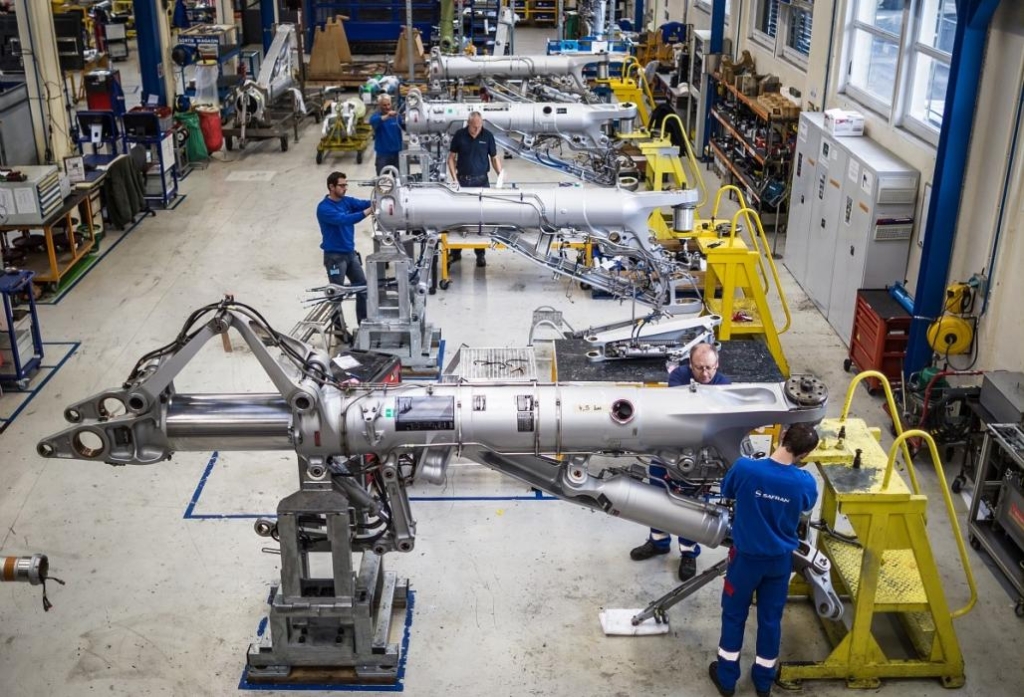
The Hyderabad site is a cornerstone of this plan, joining Safran’s other MRO facilities in Brussels (Belgium), Querétaro (Mexico), Casablanca (Morocco), and expanded facilities in Villaroche and Saint-Quentin-en-Yvelines (France). Together, these will add 120,000 sqm of new industrial space.
Safran will also hire 4,000 people globally and work with academic partners for skill development, ensuring a robust talent pipeline for its MRO operations.
India’s MRO Market Takes Off
India’s MRO sector has long lagged behind its aviation growth, with a large chunk of engine overhauls being outsourced abroad. That is now changing rapidly. According to projections, the Indian MRO market is expected to grow from US$1.7 billion in 2021 to US$4 billion by 2031, at a CAGR of 8.9% — outpacing the global average of 4.8%. The country’s growing aircraft orders are likely to generate 200–300 major maintenance checks annually in the coming years.
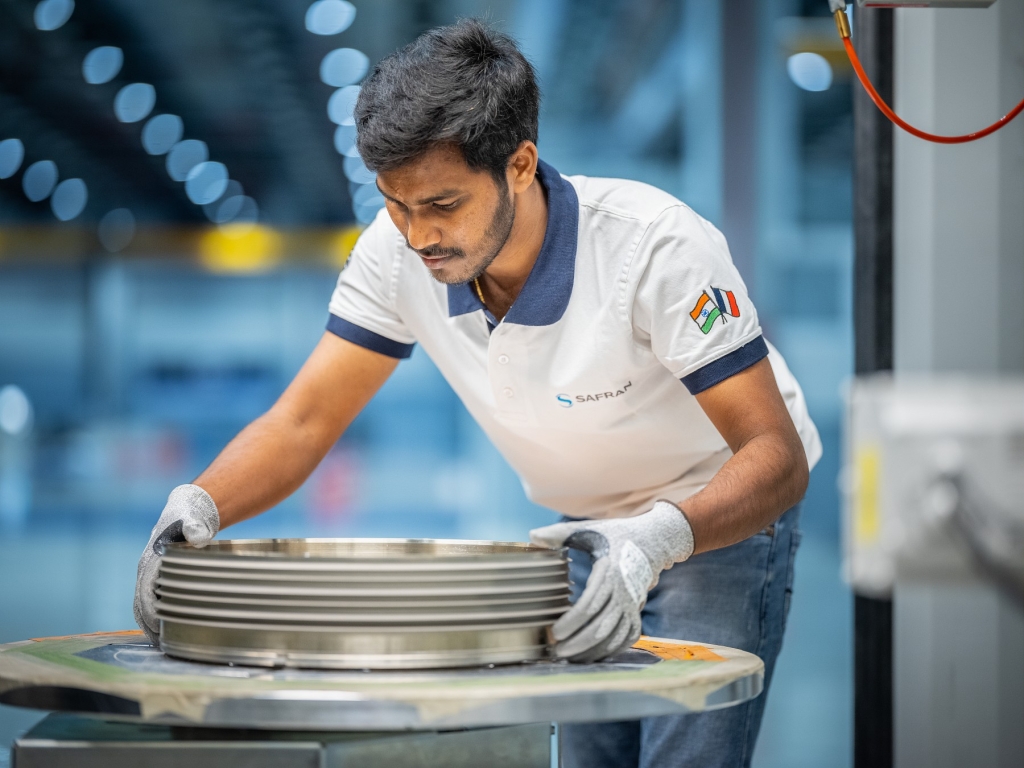
facility. Photo: Safran
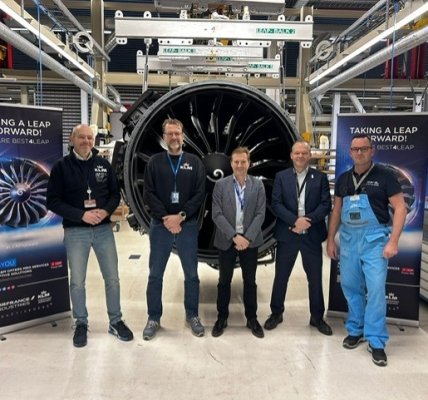
Safran’s Hyderabad facility, spread over 15,000 sqm, will initially service LEAP-1A (Airbus A320neo) and LEAP-1B (Boeing 737 MAX) engines, before expanding to other variants.
The site will also manufacture rotating parts for LEAP engines, while Safran’s nearby Electrical & Power plant will produce wiring systems for both the LEAP and Rafale’s M88 engines.
Crucially, the Hyderabad MRO will cater not only to Indian operators but also to airlines across South Asia, West Asia, and Africa, placing India firmly on the global MRO map. By 2028, a quarter of Safran’s global LEAP MRO capacity is expected to come from India.
A Watchful Market: Rolls-Royce and Pratt & Whitney
Safran’s decisive move into India is prompting its global rivals to take notice. Pratt & Whitney and Rolls-Royce have long eyed the Indian MRO space, but are yet to commit fully.
In 2023, the DGCA urged Pratt & Whitney to establish an Indian MRO following recurring A320neo engine issues that grounded nearly 40 IndiGo aircraft. Rolls-Royce, meanwhile, is weighing opportunities more cautiously. During a recent visit to Mumbai as part of the UK Prime Minister, Keir Starmer’s delegation, CEO Tufan Erginbilgic described India as a “home market” with “deep ambitions” across air, land, and sea technologies.
The British engine-maker already supports 750 engines in service with the Indian Air Force, Navy, and HAL, and has signed a 100-engine deal with Air India for its Trent XWB series. Yet, until its commercial footprint expands further, Rolls-Royce is unlikely to match Safran’s MRO scale in India.
A Strategic Industrial Ecosystem
For Safran, Hyderabad’s MRO is not a standalone project but part of a broader industrial strategy. The company is diversifying its production sourcing and deepening local partnerships, notably with Hindustan Aeronautics Limited (HAL) in Bengaluru, where it manufactures components for both LEAP and M88 engines.
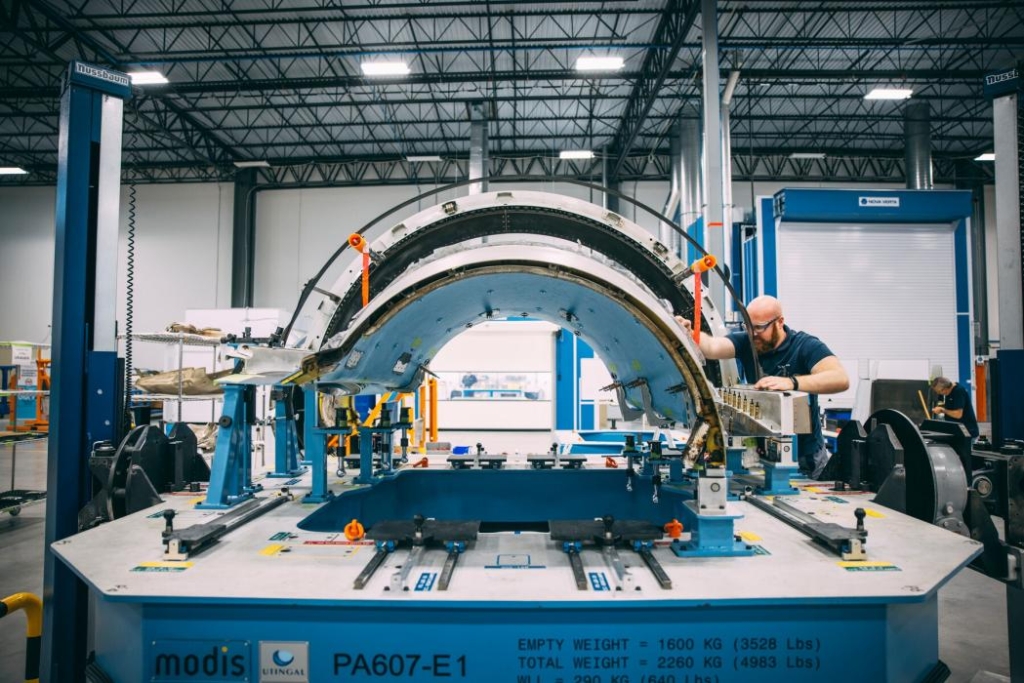
This synergy not only strengthens India’s self-reliance in aerospace manufacturing but also positions the country as a credible node in Safran’s global supply chain.
As India prepares to host the LEAP MRO’s grand opening next year, the symbolism is unmistakable: the nation is no longer content being merely a fast-growing aviation market — it is now stepping up as a global aerospace maintenance and manufacturing hub.
For Safran, it’s a leap of investment and confidence. For India, it’s a leap of capability — and a defining stride toward becoming a centre of excellence for global aviation.
Also Read: CFM RISE Program: A Vision for Next-Generation Commercial Engines