



















- Indian airlines have been slower in adopting In-Flight WiFi compared to their international counterparts, but recent developments signal a shift towards more connected skies.

Today, in the digital age, the idea of being disconnected from the world, even for just a few hours, seems almost anachronistic. As air travel becomes more frequent and affordable, the demand for in-flight WiFi has skyrocketed globally. Passengers now expect to stay connected, whether for work, entertainment or simply keeping in touch with loved ones. While international carriers have long been at the forefront of offering in-flight connectivity, Indian airlines are gradually catching up. Central to this evolution is the role of key players like Intelsat, which is pioneering the development of in-flight WiFi infrastructure in India.
A Global Overview of In-Flight WiFi
Globally, the in-flight WiFi landscape has been shaped by a few major players: Intelsat, Viasat, and Gogo. Each of these companies has developed sophisticated technologies to enable reliable, high-speed internet at 35,000 feet.
Intelsat, with its extensive network of satellites, has been a leader in the field. It provides connectivity solutions to some of the world’s largest airlines, including American Airlines, Delta, and United. The company’s network of geostationary satellites allows for seamless global coverage, ensuring that passengers can access the internet regardless of their flight path.
Viasat, another major player, has focused on delivering high-capacity Ka-band satellite services. This technology enables faster internet speeds and greater bandwidth, allowing passengers to stream video content, participate in video calls, and more. Viasat’s services are particularly popular in the United States, where it partners with airlines like JetBlue and Southwest.
Initially focused on North America, Gogo has expanded its offerings globally through partnerships with various airlines. Gogo’s air-to-ground (ATG) technology has been widely adopted in the US, though the company is increasingly moving toward satellite-based solutions to offer better global coverage.
These companies have set high standards for in-flight WiFi, with passengers on many international carriers enjoying fast, reliable internet access as a standard amenity.
In-Flight WiFi Scenario in India
In India, the journey toward in-flight WiFi has been more gradual. Regulatory challenges, high costs, and concerns over security have all played a role in delaying the rollout of in-flight connectivity. However, in recent years, there has been a significant push to bring India at par with global trends.
The Indian government took a major step forward in 2018 when it approved a proposal to allow in-flight connectivity services. This policy change paved the way for Indian airlines to begin offering WiFi on their flights. However, the rollout has been slow, with only a few airlines currently offering in-flight WiFi, and even then, the service is often limited to international routes.
Intelsat’s Role in India
Intelsat, with its vast experience in providing satellite-based connectivity, has emerged as a key player in the Indian in-flight WiFi market. The company’s expertise in offering seamless global coverage has made it an attractive partner for Indian airlines looking to enhance their passenger experience.
Intelsat’s satellite network, which includes geostationary and low-Earth orbit (LEO) satellites, is particularly well-suited to the unique challenges of the Indian market. India’s vast and diverse geography, combined with the high volume of air traffic, requires a robust and reliable connectivity solution. Intelsat’s technology ensures that passengers can stay connected even when flying over remote areas or across international borders.
One of the first Indian airlines to partner with Intelsat was Vistara. The full-service carrier, a joint venture between Tata Sons and Singapore Airlines, began offering in-flight WiFi on select international routes in 2020. Vistara’s partnership with Intelsat has allowed the airline to provide a high-quality internet experience to its passengers, even on long-haul flights.
More recently, Air India, under its new ownership by Tata Sons, has also expressed interest in expanding its in-flight WiFi offerings. The airline, which is in the midst of a major transformation, sees in-flight connectivity as a key part of its strategy to compete with other international carriers. Given its good track record and extensive network, Intelsat is expected to play a crucial role in this expansion.

International Comparisons
When compared to international carriers, Indian airlines lag way behind. In the United States, for example, in-flight WiFi is now a standard offering on most major airlines. Carriers like Delta, American Airlines, and United provide internet access on nearly all domestic and international flights, with some even offering free messaging services to passengers.
In Europe, airlines like Lufthansa and British Airways have also embraced in-flight connectivity, offering high-speed internet on most of their routes. Middle Eastern carriers, including Emirates and Qatar Airways, are known for their luxurious in-flight experiences, often including complimentary WiFi for all passengers.
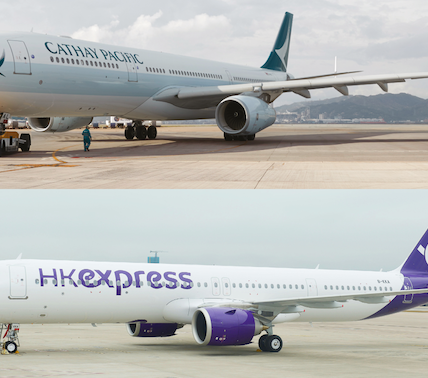
Asian carriers like Singapore Airlines and Cathay Pacific have been early adopters of in-flight WiFi, providing their passengers with a seamless internet experience on both short-haul and long-haul flights. These airlines have invested heavily in ensuring that their connectivity services are among the best in the world.
Matching these international standards will require significant investment for Indian airlines. However, with players like Intelsat leading the way, there is reason to be optimistic about the future of in-flight WiFi in India.
Air India’s In-Flight Entertainment Overhaul
Air India, taken over by the Tata Group in 2022, has faced a slew of passenger complaints ranging from delays to in-flight issues, particularly about the quality of the cabin and broken in-flight entertainment (IFE) systems. The airline has been under pressure to address these concerns, and it seems that the IFE part is set to change soon.
Drawing inspiration from Vistara, Air India has taken steps to overhaul its IFE systems. Over the last few days, travellers have reported seeing instructions on connecting to “Vista inflight entertainment,” which directs users to switch on WiFi on their devices with Airplane mode ON and visit a specific URL to access the internet.
This development is part of Air India’s tie-up with Bluebox, one of the leading players in streaming in-flight entertainment solutions. Bluebox has been powering the “Vistara World” application since 2018, allowing passengers to stream digital content across cabins. The Bluebox WOW system creates a captive wireless network, with units placed strategically across the aircraft to ensure better coverage. Each unit can store up to 1.6 terabytes of content, including films, TV shows, audio, and games, and provides up to 15 hours of streaming via a swappable battery. Significantly, the experience is app-free, with passengers simply visiting a web page to access the content.
This partnership marks a significant improvement in Air India’s in-flight entertainment offerings, especially as Vistara is set to merge with Air India in the coming months. With this move, Air India aims to resolve its IFE woes and offer passengers a seamless entertainment experience on par with global standards.
What Other Indian Airlines Are Doing
Apart from Vistara and Air India, other Indian airlines are also making strides in the domain of in-flight WiFi, albeit at different paces and with varying levels of success.
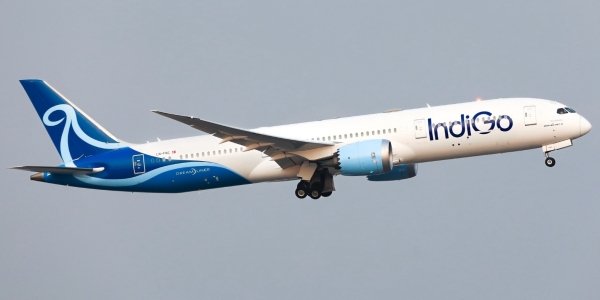
IndiGo, India’s largest airline by market share, has been relatively slow in rolling out in-flight WiFi. However, the airline has made it clear that it is exploring options to provide connectivity on its flights, particularly on international routes. IndiGo’s approach has been to keep costs low, and while this has served them well in the competitive domestic market, the lack of in-flight WiFi has been a sticking point for some passengers, especially on long-haul flights. Reports suggest that IndiGo is in discussions with multiple vendors, including Intelsat, to introduce WiFi services in the near future.
SpiceJet, another major player in the Indian aviation market, has also been exploring in-flight WiFi options. The airline, known for its innovative approach to customer service, was one of the first to express interest in offering in-flight connectivity after the Indian government’s policy change in 2018. SpiceJet has been in talks with various service providers and has conducted trials on select aircraft. However, the service has yet to be widely available, and the airline has faced challenges in balancing the cost of implementation with the need to maintain affordable ticket prices.
These airlines’ efforts reflect a broader trend in the Indian aviation industry, where in-flight WiFi is increasingly seen as a necessary amenity rather than a luxury. As competition intensifies and passenger expectations continue to rise, more Indian carriers are likely to invest in connectivity solutions, partnering with established providers to offer a seamless internet experience.

Challenges and Opportunities
Despite the progress, there are still several challenges to the widespread adoption of in-flight WiFi in India. One of the primary obstacles is cost. Providing high-speed internet in the sky is an expensive endeavour, and Indian airlines, which often operate on thin margins, have been cautious about making large investments in this area.
Another challenge is bandwidth. With hundreds of passengers potentially trying to connect to the internet simultaneously, ensuring that everyone has a fast and reliable connection can be difficult. Intelsat’s satellite technology, while advanced, must continue to evolve to meet the growing demands of passengers.
Regulatory hurdles also persist. While the Indian government has made significant strides in allowing in-flight connectivity, there are still complex regulations that airlines and service providers must navigate. Issues related to data privacy, security, and spectrum allocation need to be addressed to ensure that in-flight WiFi can be offered safely and securely.
The Path Ahead
As Indian airlines continue to expand their international networks, the demand for in-flight WiFi is only expected to grow. Passengers increasingly view connectivity as a necessity rather than a luxury, and airlines that fail to offer reliable internet access risk losing out to competitors.
With its advanced satellite technology and extensive experience, Intelsat is well-positioned to help Indian airlines meet this demand. By partnering with Intelsat, airlines like Vistara and Air India offer their passengers a world-class in-flight connectivity experience, helping them differentiate themselves in a competitive market.
Looking ahead, the focus will be on improving the quality of in-flight WiFi, reducing costs, and expanding coverage to more flights and routes. As technology continues to evolve, passengers can expect faster speeds, greater coverage, and more affordable options in the coming years.