



“Simply Fly-Once more”- Can Deepinder Goyal Fulfil Capt. Gopinath’s Dream?

- Can Deepinder Goyal’s LAT Aerospace Make Every Indian Fly — Once More?”
- LAT Aerospace Aims to Turn Gopinath’s Air Deccan Dream into 21st Century Reality.
- From ₹1 Tickets to Flying Bus Stops: How Goyal Could Reshape Indian Skies.
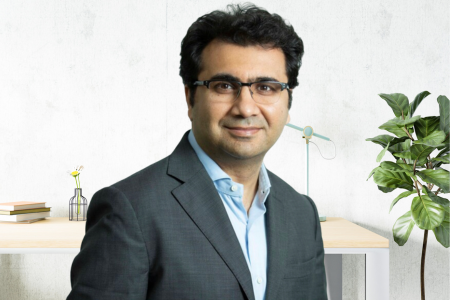
As he launched Air Deccan in the early 2000s, Captain G.R. Gopinath had a dream to “make every Indian fly.” Now, nearly two decades later, another bold entrepreneur, Deepinder Goyal, the founder of Zomato and the innovator who reshaped how Indians eat, is circling the same runway but with a radically new approach.
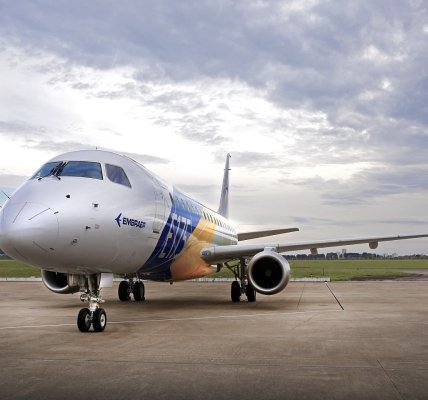
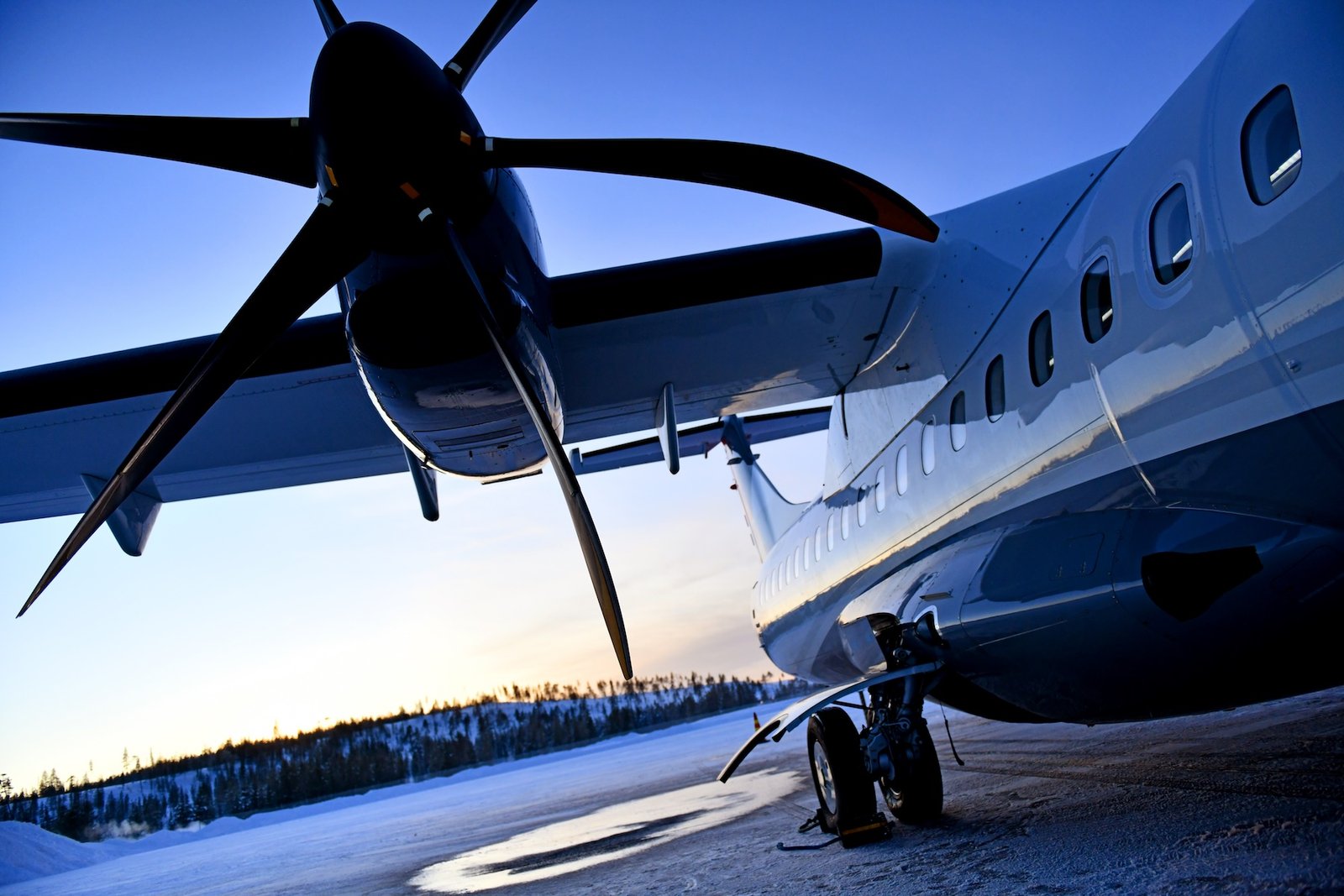
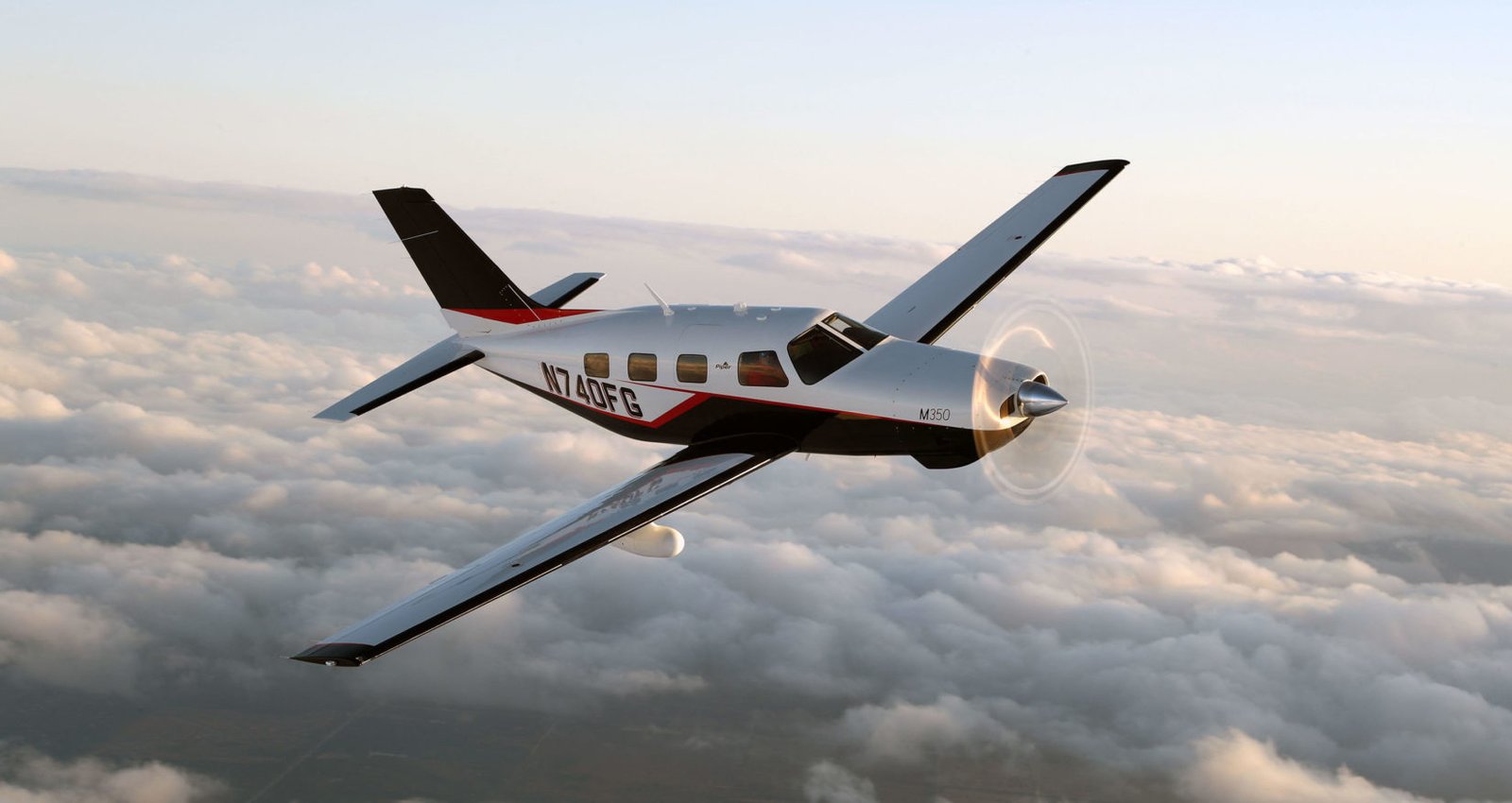
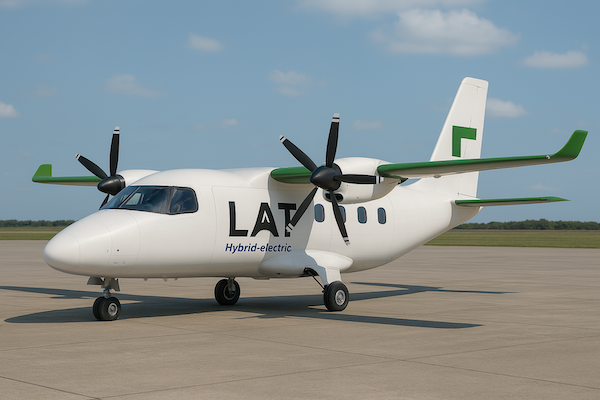
His latest venture is a regional aviation startup focused on creating hybrid-electric, 12–24 seat STOL (Short Take-Off and Landing) aircraft capable of operating from ultra-compact “air-stops” the size of parking lots.
The timing may be favourable, as the Indian government’s UDAN scheme has generated fresh momentum for regional connectivity. Public demand for affordable, quick travel has only intensified. LAT Aerospace’s focus on smaller, more flexible aircraft aligns with a demand pattern that traditional carriers have yet to address.
For Captain Gopinath, tickets were priced as low as ₹1, small-town airports began to see their first commercial flights, and India’s skies suddenly seemed accessible to millions. However, this dream faced significant challenges. Crippling fuel costs, slim margins, and regulatory burdens eventually grounded the venture. Despite its merger with Kingfisher Airlines, the vision never truly took flight again.
LAT Aerospace, co-founded by former Zomato COO Surobhi Das, aims to design an entirely new aviation system that reimagines air travel with the efficiency of a bus network and the frequency of rail services, connecting India’s underserved heartland through technology, design, and scale.
“Ever wished your next bus ride could just… take off? We did too,” Das wrote in a recent post, hinting at the extensive hours spent flying across India with Goyal while brainstorming a better, more democratic travel experience.
From ₹1 Flights to Flying Bus Stops
If Air Deccan was a bold idea constrained by 20th-century limitations, LAT Aerospace represents a 21st-century ambition powered by innovative tools: electric propulsion, data-driven design, and India’s talented young workforce.
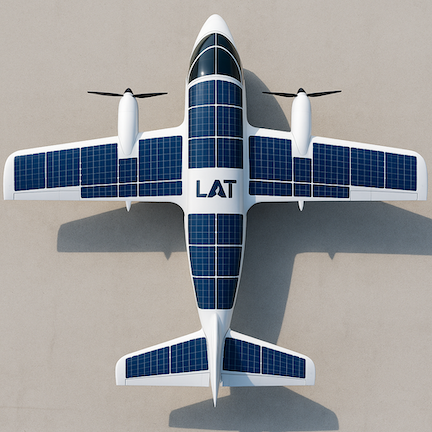
“India has over 450 airstrips, but fewer than 150 see commercial flights,” Das notes. “That means nearly two-thirds of our aviation potential is wasted. Meanwhile, millions in Tier 2 and Tier 3 cities still spend days travelling by road or rail.”
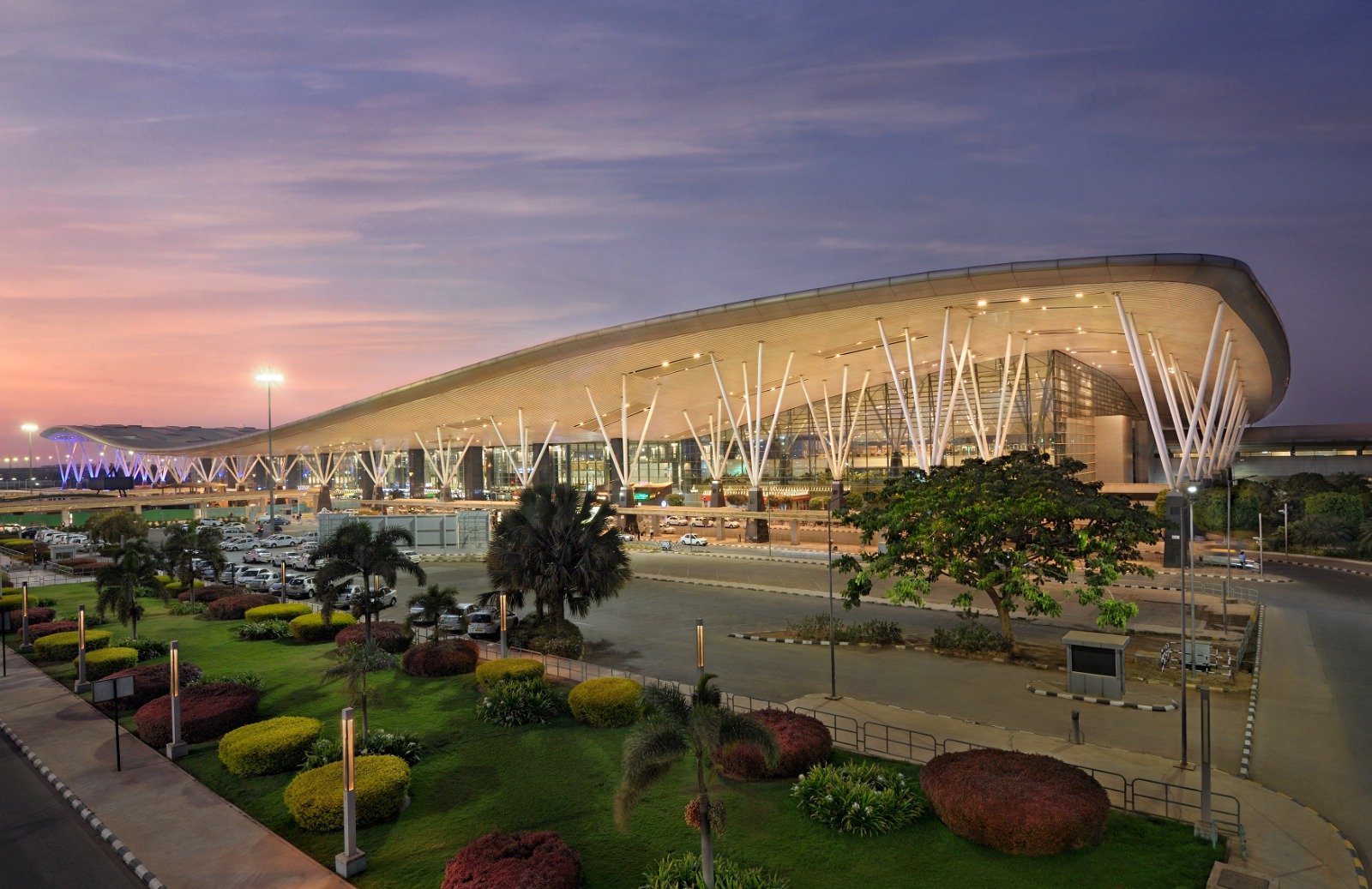
LAT’s vision is to bypass major airports altogether. Rather than building terminals and runways, it plans to establish compact “air-stops” conveniently located near where people live, free from long queues or stringent security checks, and ideal for short-haul, high-frequency routes.
“Think of it as buses in the sky,” Das explains. “Affordable, on-demand, high-frequency, and designed from the ground up for India.”
Hiring, Not Hyping
While Goyal hasn’t officially announced his involvement with LAT Aerospace, his social media activity indicates a deep interest. He has reposted multiple calls for engineers, flight systems designers, and fresh aerospace graduates, promising ESOPs (Employee Stock Ownership Plans) and meaningful ownership from Day 1. “We’ll match or exceed your on-campus offers,” one post states, “because this is your chance to build something from scratch.”
This sense of ownership and urgency is crucial. LAT isn’t merely building an aircraft; it’s assembling a team that believes access to air travel should be a right, not a luxury.
A Different Flight Path, But Familiar Headwinds
LAT’s success will depend on more than just vision. The collapse of Air Deccan serves as a cautionary tale about how scale, cost control, and regulation can undermine even the most transformative business models.
India’s aviation sector remains highly regulated, with significant barriers to entry and complex infrastructure norms. Regional airlines continue to grapple with route economics, underutilised airports, and tight margins. Even with hybrid-electric propulsion, fuel isn’t the only expense; constructing air stops, ensuring safety compliance, and hiring trained pilots and technicians will require time and capital.
Gopinath broke barriers but was ultimately hindered by the system. Goyal aims to out-design it, leveraging engineering, software, and short take-off runways to rewrite the rules from scratch.
One sought to change aviation with fervour. The other is attempting to do so again, with batteries, algorithms, and unwavering ambition.
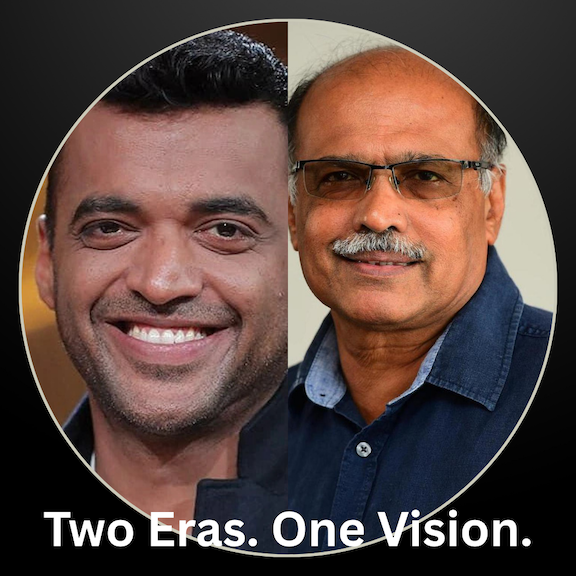
Goyal is not Captain Gopinath, and LAT Aerospace is not Air Deccan. One was a soldier-turned-entrepreneur who pursued his aviation dreams with passion and a sense of patriotism. The other is a data-driven technocrat who revolutionised food delivery with technology and logistics. However, they share a common belief: that flying in India should not be a luxury but a right.
If Goyal succeeds, it won’t just be a win for a startup; it will be a long-overdue tribute to Capt. Gopinath’s Air Deccan and his dream to give the common man the hope to ‘Simply Fly’-Once More.